Source Eco-Friendly Refillable Nasal Spray Bottle for Medicine, Pharmaceuticals, Medical
Find 30 options for Eco-Friendly Refillable Nasal Spray Bottle designed for medicine, pharmaceuticals, and medical applications. Compare glass and plastic models with various capacities and sprayer types from verified Chinese manufacturers.
Key considerations
Products List

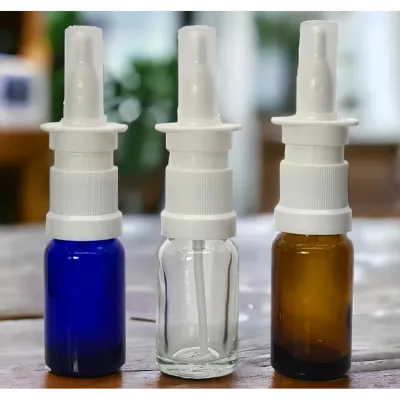
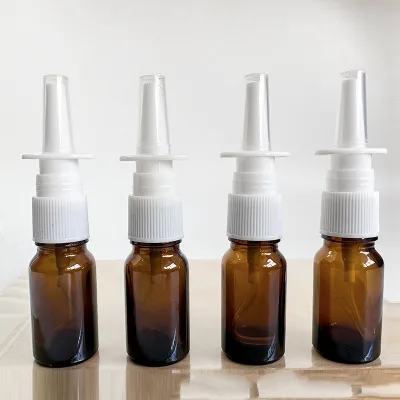
Brown Nasal Spray Straight Glass Bottle Oral Spray Bottle Refillable Bottles
$0.15 - $0.26
MOQ: 10000 Pieces


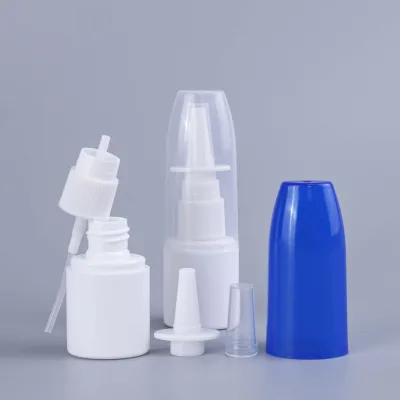


$0.18 - $0.19
MOQ: 50000 Pieces


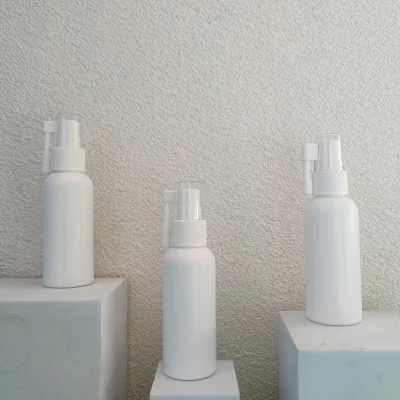


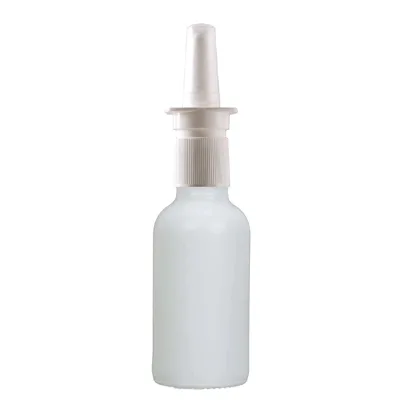
Nasal Spray Bottle with Fine Mist Sprayer Empty & Refillable Plastic Atomizer
$0.02 - $0.07
MOQ: 10000 Pieces
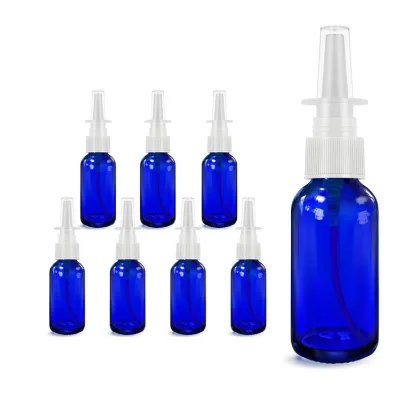
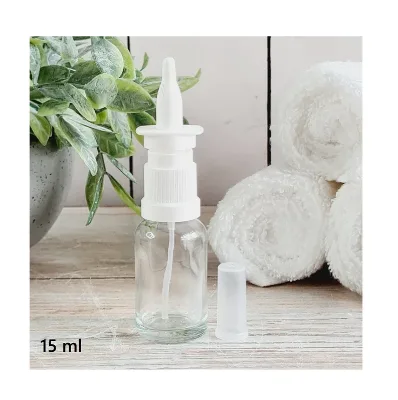



Comprehensive Sourcing Guide
Strategic Sourcing Guide for Eco-Friendly Refillable Nasal Spray Bottles
Understanding Material Composition and Environmental Impact
When sourcing eco-friendly refillable nasal spray bottles, the primary focus must be on the material composition of both the bottle and the actuator mechanism. The market presents a dichotomy between glass and various plastics, each carrying distinct environmental implications and functional properties. Glass bottles, often cited for their chemical inertness and recyclability, are frequently associated with premium pharmaceutical packaging. However, the supply chain data indicates a significant presence of plastic alternatives, specifically High-Density Polyethylene (HDPE) and Polyethylene Terephthalate (PET). These materials are favored for their durability and lighter weight, which reduces carbon emissions during logistics.
The distinction between "recycled" and "unrecycled" content is a critical variable for buyers aiming to meet sustainability goals. Current product observations reveal listings where bottles are explicitly marked as "unrecycled," suggesting that a significant portion of the market still relies on virgin plastic. For a buyer seeking truly eco-friendly solutions, verifying the percentage of post-consumer recycled (PCR) content is essential. While some listings mention "Plastic PP and PE" as standard materials, the absence of specific recycled content claims in general catalogs requires proactive inquiry. The material of the sprayer itself, often Polypropylene (PP), also plays a role in the overall recyclability of the unit, as mixed-material components can complicate the recycling process.
Buyers should prioritize suppliers who can provide transparent data on the lifecycle of their materials. The flexibility of the bottle, described as "hard" in certain specifications, indicates a rigid structure that may offer better protection for the active pharmaceutical ingredients but could be less amenable to certain refill mechanisms compared to more flexible polymers. The choice between glass and plastic often hinges on the specific application; while glass is traditional for sensitive medications, modern HDPE and PET formulations offer a viable, lighter-weight alternative that can be engineered for refillability.
Technical Specifications and Functional Design
The technical architecture of a nasal spray bottle is defined by its volume, closure type, and actuation mechanism. The observed product range includes a wide spectrum of capacities, from small 5ml units up to larger 100ml containers, with common standard sizes including 10ml, 15ml, 20ml, 30ml, and 50ml. For refillable systems, the 30ml and 50ml sizes are particularly relevant as they balance portability with sufficient volume for extended use. The shape of the bottle is predominantly round, a design choice that optimizes material usage and stacking efficiency during shipping, though custom shapes may be available upon request.
The closure mechanism is a pivotal factor in the "refillable" claim. The market data highlights several closure types, including screw-on, snap-on, and crimp-on options. Screw-on closures are generally preferred for refillable applications due to their ease of reassembly and reliability in maintaining a seal over multiple open-close cycles. The actuation mechanism, or sprayer, is equally critical. Options range from mist sprayers to pump sprayers, with specific dosage capabilities noted as 50mcl, 100mcl, and 140mcl. These precise dosages are vital for pharmaceutical applications where consistency in delivery is non-negotiable.
Thickness is another technical parameter that influences durability and sustainability. A specific observation notes a thickness of 0.5mm, which suggests a balance between material conservation and structural integrity. Thinner walls reduce plastic usage but must be engineered to withstand the pressure of the pump mechanism without deforming. The production techniques, such as plastic injection molding, allow for high precision in manufacturing these components. Buyers must ensure that the chosen sprayer and bottle combination maintains a hermetic seal to prevent leakage and contamination, especially when the bottle is intended to be refilled multiple times.
Compliance, Certification, and Regulatory Standards
Navigating the regulatory landscape is paramount for sourcing nasal spray bottles intended for pharmaceutical use. The industry operates under strict guidelines to ensure patient safety and product efficacy. One specific standard observed in the market is ISO 15378, which pertains to the Good Manufacturing Practice (GMP) for primary packaging materials for medicinal products. This standard is crucial for buyers targeting the medical and pharmaceutical sectors, as it ensures that the packaging materials do not interact adversely with the drug product.
In addition to ISO standards, buyers must verify compliance with local and international regulations regarding plastic packaging. The "Plastic PP and PE" materials mentioned in product listings must meet specific purity and safety thresholds. While some listings mention "GMP" and "ISO15378," these are specific to certain product lines and should not be assumed to apply to all available inventory. It is the responsibility of the procurement team to request current certification documents from the supplier for the specific batch of materials being purchased.
The application of the bottle, whether for "Medicine," "Pharmaceuticals," or "Liquid Medications," dictates the level of scrutiny required. Medical-grade packaging often requires additional testing for extractables and leachables to ensure that no harmful substances migrate from the plastic into the medication. Buyers should also check for any specific certifications related to the "eco-friendly" claims, such as recycling compatibility certifications or biodegradability standards, though these are less common in the standard pharmaceutical supply chain. The absence of a "Logo Printing" option in some listings suggests that generic, unbranded packaging is available, which can be a cost-effective route for private label pharmaceutical companies.
Cost Drivers and Economic Considerations
The economics of sourcing eco-friendly refillable nasal spray bottles are influenced by a complex interplay of material costs, order volume, and manufacturing complexity. The observed price range in the market spans from $0.02 to $0.36 per unit, a significant variance that reflects differences in material quality, volume capacity, and customization levels. The Minimum Order Quantity (MOQ) is a major cost driver, with ranges extending from 100 units to as high as 100,000 units. High-volume orders, such as those requiring 50,000 pieces, often benefit from economies of scale, potentially lowering the per-unit cost.
Customization is a key factor that can significantly impact the final price. While some suppliers offer "Freely Provide" samples, customizing the bottle color, shape, or adding logo printing incurs additional tooling and setup costs. The "Customizable" attribute indicates that buyers can tailor the product to their brand, but this flexibility comes at a premium. The choice between glass and plastic also affects the cost structure; glass bottles are generally more expensive to manufacture and ship due to their weight and fragility, whereas plastic bottles offer a more cost-effective solution for large-scale distribution.
Lead times are another economic consideration. The observed lead time for production ranges from 15 to 20 days, with some specific models offering a 15-day turnaround. Longer lead times can impact inventory management and cash flow, particularly for buyers with just-in-time manufacturing requirements. The packaging method, such as "Carton Packing" or "Poly Bag with Carton," also influences the overall cost, as more robust packaging is required to protect the bottles during transit, especially for glass or fragile plastic components. Buyers should factor in these logistical costs when evaluating the total cost of ownership.
Supplier Evaluation and Quality Assurance
Selecting the right supplier requires a rigorous evaluation process that goes beyond price and lead time. The geographic origin of the products is predominantly China, a major hub for pharmaceutical packaging manufacturing. Buyers should assess the supplier's production capabilities, specifically their experience with "Plastic Injection" techniques and their ability to maintain consistent quality across large batches. The "Hard" flexibility of the bottles and the precision of the "Mist Sprayer" or "Pump Sprayer" mechanisms are indicators of the supplier's technical proficiency.
Quality control is a critical component of the supplier evaluation. Buyers should inquire about the supplier's internal quality assurance protocols, including in-process inspections and final product testing. The availability of "Freely Provide" samples allows buyers to physically test the bottles for functionality, seal integrity, and ease of refilling. It is essential to verify that the samples provided are representative of the mass-produced units, as there can be variations between prototypes and final production runs.
The supplier's ability to handle customization requests is another key metric. While "Customization" is listed as available, the extent of this capability varies. Some suppliers may only offer color changes, while others can modify the bottle shape or sprayer mechanism. Buyers should request case studies or references from other pharmaceutical clients to gauge the supplier's reliability and responsiveness. Additionally, the supplier's commitment to sustainability, such as their efforts to reduce waste or increase the use of recycled materials, should be a significant factor in the decision-making process.
Long-Term Procurement and Sustainability Strategy
Developing a long-term procurement strategy for eco-friendly refillable nasal spray bottles requires a focus on sustainability, supply chain resilience, and continuous improvement. The shift towards refillable systems aligns with global trends in reducing plastic waste and promoting circular economy principles. Buyers should work with suppliers who are transparent about their material sourcing and are actively exploring ways to increase the use of recycled content in their products.
The "Eco-friendly" label should be substantiated with data. Buyers should request lifecycle assessments or environmental impact reports from their suppliers to understand the true environmental footprint of the packaging. This includes evaluating the energy consumption during manufacturing, the carbon emissions associated with transportation, and the end-of-life disposal options for the bottles. The "Unrecycled" status of some products highlights the need for buyers to actively push for greener alternatives, potentially by setting specific targets for recycled content in their procurement contracts.
Long-term partnerships with suppliers can lead to better pricing, improved lead times, and collaborative innovation. By engaging suppliers in the design process, buyers can co-develop packaging solutions that are both environmentally friendly and functionally superior. This collaborative approach can also help in navigating regulatory changes and adapting to new sustainability standards. Ultimately, the goal is to create a supply chain that not only meets current business needs but also contributes to a more sustainable future for the pharmaceutical industry.
Application Scenarios and Market Fit
The versatility of nasal spray bottles makes them suitable for a wide range of applications, from over-the-counter allergy relief to prescription medications for chronic conditions. The "Pharmaceutical Packaging" and "Medical" applications dominate the market, driven by the need for precise dosing and reliable delivery mechanisms. The specific dosage capabilities, such as 50mcl, 100mcl, and 140mcl, cater to different therapeutic needs, allowing manufacturers to tailor their products to specific patient populations.
The "Round Bottle" shape and "Carton Packing" are standard features that facilitate efficient storage and distribution in pharmacies and retail outlets. The "Amber" color option, observed in some listings, is particularly valuable for light-sensitive medications, providing an additional layer of protection for the active ingredients. The "White" color option, on the other hand, offers a clean, clinical aesthetic that is often preferred for consumer health products.
For buyers targeting the refillable market, the focus should be on products that are easy to use and refill. The "Screw-on" and "Snap-on" closures are ideal for this purpose, as they allow consumers to easily replace the sprayer or refill the bottle without specialized tools. The "Mist Sprayer" and "Pump Sprayer" mechanisms must be designed to deliver a consistent mist pattern, ensuring that the medication is evenly distributed in the nasal cavity. By understanding these application scenarios, buyers can make informed decisions that align with the specific needs of their target market.
FAQs
What materials are used for eco friendly refillable nasal spray bottles?
Bottles are primarily made from HDPE, PET, or glass, while sprayers use PP. Some listings specify unrecycled plastic, so buyers must verify recycled content percentages to meet sustainability goals before ordering.
Which capacities are available for refillable nasal spray bottles?
Standard capacities range from 5ml to 100ml, with common sizes like 10ml, 15ml, 30ml, and 50ml. The 30ml and 50ml options are often preferred for balancing portability with sufficient volume for extended use.
Can suppliers provide samples for testing refillable nasal spray bottles?
Yes, suppliers can freely provide samples for physical testing of seal integrity and functionality. Buyers should ensure these samples represent mass-produced units to verify performance before committing to large orders.
What certifications are required for pharmaceutical grade nasal spray bottles?
ISO 15378 is a key standard for primary packaging materials used in medicinal products. Buyers must request current certification documents from suppliers to ensure compliance with GMP and safety thresholds for specific batches.
How does customization affect the cost of nasal spray bottles?
Customizing color, shape, or adding logos incurs additional tooling and setup costs beyond the base price. While customization is available, buyers should expect higher per-unit costs compared to generic, unbranded packaging options.
What is the typical lead time for manufacturing refillable nasal spray bottles?
Production lead times typically range from 15 to 20 days depending on the specific model and order volume. Buyers should factor these timelines into their inventory planning to avoid delays in product launches.