Source Eco-Friendly Reusable Beach Handbag for Shopping, Gift, and Packing
Compare 30 listings for Eco-Friendly Reusable Beach Handbag options featuring biodegradable PE resin and customizable printing. Buyers can evaluate specifications like weight limits, colors, and delivery times from verified Chinese manufacturers offering OEM services.
Key considerations
Products List

Environmentally Friendly Biodegradable Plastic Handbags Eco Friendly Bag
$0.01 - $0.06
MOQ: 50000 Pieces


Fashion Recyclable Cotton Handbag Eco-Friendly Design Shoulder Bag Beach Bag
$0.59 - $1.35
MOQ: 100 Pieces


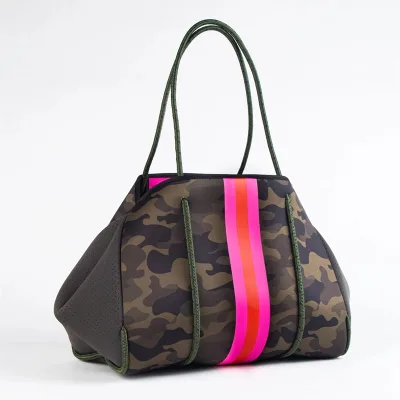


$0.01 - $2.12
MOQ: 2000 Pieces

Customible Popular Silicone Handbags Waterproof Rubber Beach Silicone Bag
$2.99 - $9.88
MOQ: 200 Pieces

Foldable Polyester Shopping Bag Portable Environmentally Friendly Handbag for Ladies
$0.50 - $0.65
MOQ: 1000 Pieces


Comprehensive Sourcing Guide
Strategic Sourcing Guide for Eco-Friendly Reusable Beach Handbags
Understanding Product Definitions and Material Composition
When sourcing eco-friendly reusable beach handbags, buyers must first distinguish between the various material classifications available in the current market. The core keyword implies a product designed for leisure and outdoor use, yet the supply chain offers a wide spectrum of material grades that directly impact the "eco-friendly" claim. Based on available market data, the primary material category for these items often centers on polyethylene (PE) resin, specifically utilizing LDPE (Low-Density Polyethylene) or PE resin formulated for blow molding. These materials are frequently cited as biodegradable, a critical attribute for buyers seeking sustainable alternatives to traditional single-use plastics.
However, a rigorous evaluation of material composition is essential. While some listings specify "PE Resin" with a "Blow Molding Grade," others may feature "100% Cotton" or other fabric blends. The distinction is vital because a cotton bag offers different durability and washability profiles compared to a PE-based bag. For beach applications, the material must withstand saltwater exposure and sand abrasion. The observed hardness of these products ranges from "Soft" to "Medium Soft," suggesting a flexible structure that can be folded or compressed for storage. Buyers should verify the specific plastic type, as "LDPE" offers different tensile strength characteristics compared to other polymer grades. Furthermore, the transparency of the material varies, with some products listed as "Transparent" while others are opaque, which influences the aesthetic appeal and the ability to see contents at a glance.
Technical Specifications and Functional Attributes
The functional design of a reusable beach handbag must align with the specific demands of coastal environments. Key technical specifications include weight limits, dimensions, and closure mechanisms. Market observations indicate that many of these bags are designed with a weight limit between 5 and 10 kg, which is generally sufficient for holding towels, sunscreen, and light snacks. However, for heavier loads, buyers should verify if the specific model supports higher capacities. The shape of the bag is another critical specification; "Vest Bag" styles are common, offering a unique carrying method that distributes weight across the shoulders, though standard tote or shoulder bag configurations are also prevalent.
Closure types vary significantly across the supply base. Some products feature an "Open" closure type, which facilitates quick access but may offer less security for loose items. Others may incorporate "Closure Pockets" or specific pocket designs to secure valuables. Dimensions are equally important for beach use, where capacity is often measured in liters or specific inch measurements. One observed standard dimension is 16.93'' × 12.60'' × 9.06'', while another common specification is 505028 cm. Buyers must ensure the selected model meets their volume requirements. Additionally, the waterproof capability is a point of differentiation; while some products are explicitly marked as "Non-Waterproof," others may offer varying degrees of water resistance. For a beach setting, a bag that is water-resistant or easily dried is preferable to prevent moisture damage to contents.
Compliance, Certification, and Environmental Claims
Verifying the environmental claims of a product is a paramount step in the procurement process. The term "eco-friendly" is often used broadly, but specific certifications provide tangible evidence of compliance. In the current market, certifications from recognized third-party auditors such as Intertek and SGS are frequently cited. These organizations validate claims regarding material safety, biodegradability, and manufacturing standards. Buyers should request current certificates from suppliers to ensure the product meets the stated environmental criteria.
It is important to note that while some products are described as "Biodegradable," the rate and conditions of biodegradation can vary. The material grade, such as "First Class" or "Blow Molding Grade," plays a role in the product's lifecycle. Buyers should also look for adherence to specific standards, which may be listed as "Customized" or follow specific regional regulations. For instance, the product origin is often listed as China or specific provinces like Anhui and Wenzhou, which can influence the regulatory framework the supplier adheres to. While some background data mentions CE certification, this should be treated as a background reference rather than a guaranteed attribute for every listed product. The primary verification step is to demand proof of the specific certifications claimed, such as Intertek or SGS reports, rather than relying on general marketing terms.
Cost Drivers and Procurement Economics
The pricing structure for eco-friendly reusable beach handbags is influenced by several dynamic factors, including material costs, customization levels, and order volume. The observed price range in the market spans from $0.01 to $15.00 USD, a wide variance that reflects differences in material quality, branding, and order quantity. The Minimum Order Quantity (MOQ) is a significant cost driver, with observed ranges spanning from 20 units to 50,000 units. Some suppliers offer a "Low MOQ" of 100 units, which can be advantageous for startups or small businesses testing the market.
Customization is a major factor in cost escalation. Attributes such as "Logo Printing" and "OEM/ODM" acceptance are standard, but the complexity of the printing process affects the final price. The available printing processes include Heat Transfer, Silk Screen, Sublimation, Gravure, and Offset Printing. Each method has different setup costs and per-unit pricing implications. For example, silk screen printing may be cost-effective for large runs but has higher initial setup costs compared to heat transfer. The "Standard" of the product, whether it is a generic model like "rubbish bag" or a specific model like "OFFE2007" or "Ma63," also impacts pricing. Buyers should analyze the trade-off between unit cost and the value added by customization, such as branded packaging or specific color requirements like "Blue" or "Beige."
Supplier Evaluation and Production Capabilities
Selecting the right supplier requires a deep dive into their production capabilities and logistical reliability. The manufacturing process for these bags often involves "Blow Mold" techniques, which are essential for creating the specific shapes and thicknesses required for durability. Suppliers should demonstrate proficiency in these processes, particularly when handling materials like PE Resin. The delivery time is another critical metric; observed lead times range from 15 days to 45 days, depending on the order quantity. This variability suggests that larger orders require longer production windows, and buyers must factor this into their inventory planning.
Sample availability is a crucial component of supplier evaluation. Most suppliers indicate that samples "Can Be Sampled," with sample turnaround times typically ranging from 5 to 7 days. This allows buyers to physically inspect the product for quality, hardness, and finish before committing to a bulk order. The packaging method is also a point of differentiation; some products are packed in "Bundle" form, while others use "Individual OPP Bag Packing" with specific carton counts like "20PCS/CTN" and weight limits of "50.7 Lbs." Buyers should verify that the packaging protects the product during transit, especially given the "Fast Shipping" claims often made by suppliers. Origin locations such as Anhui and Wenzhou are common hubs, and buyers should assess the logistical infrastructure of these regions to ensure reliable shipping.
Quality Control and Long-Term Procurement Strategy
Implementing a robust quality control (QC) strategy is essential for maintaining product consistency. The hardness of the bag, ranging from "Soft" to "Medium Soft," must be consistent across the batch to ensure user satisfaction. Buyers should establish clear acceptance criteria for attributes like color accuracy (e.g., ensuring "Blue" or "Beige" matches the approved sample) and print quality. The usage scenarios, including "Shopping," "Promotion," "Packing," "Gift," and "Household," dictate the durability requirements. A bag intended for promotional use may have different quality thresholds compared to one designed for heavy-duty household shopping.
Long-term procurement considerations involve building a relationship with suppliers who can scale with demand. The ability to handle "OEM/ODM" requests allows for brand differentiation, which is vital for long-term market positioning. Buyers should also consider the "Style" of the product, as "Popular" styles may have higher demand but also higher competition. The "Gender" attribute is listed as "Unisex," which broadens the market potential. To mitigate risks, buyers should diversify their supplier base and maintain open communication regarding lead times and production schedules. Regular audits of the manufacturing process, particularly the "Printing Process" and "Processing Method," will help ensure that the final product meets the specified standards and performance expectations. By focusing on these technical and logistical details, buyers can secure a reliable supply chain for eco-friendly reusable beach handbags that meets both quality and sustainability goals.
FAQs
What materials are used for eco friendly reusable beach handbags?
These bags are primarily made from PE Resin or LDPE, often classified as Blow Molding Grade. Some variants may feature 100% Cotton fabric. The material choice impacts durability and biodegradability claims, with PE Resin being the most common base for flexible, transparent structures.
Can these bags be customized with a logo?
Yes, logo printing is available with options including Heat Transfer, Silk Screen, Sublimation, Gravure, and Offset Printing. OEM and ODM services are acceptable, allowing buyers to add branding while selecting from colors like Blue or Beige to match specific promotional needs.
What is the typical delivery time for these bags?
Delivery times generally range from 15 days to 45 days depending on the order quantity. Some suppliers offer a standard 15-day window, while larger volumes may extend the lead time. Buyers should verify specific timelines based on their required production schedule and volume.
Which certifications verify the eco-friendly claims?
Products often carry certificates from Intertek or SGS to validate material safety and biodegradability. While CE is mentioned in background data, Intertek and SGS are the high-confidence certifications listed. Buyers should request these specific reports to confirm environmental compliance before placing orders.
How much does a single bag cost?
The observed price range spans from 0.01 to 15 USD per unit. Pricing varies significantly based on material grade, customization complexity, and order volume. Lower prices typically correspond to standard models, while higher costs reflect specialized printing or premium material grades like First Class.
What is the minimum order quantity required?
MOQs vary widely, ranging from 20 to 50,000 units, with some suppliers offering a low MOQ of 100. The specific requirement depends on the manufacturer and the customization level. Buyers should confirm the exact threshold before initiating production to ensure it fits their budget and volume needs.
Are these bags waterproof for beach use?
Some products are explicitly listed as Non-Waterproof, while others may offer varying degrees of water resistance. The material hardness ranges from Soft to Medium Soft, suitable for light loads up to 5-10 kg. Buyers should verify the specific waterproof rating for intended beach or outdoor applications.
Where are these bags manufactured?
Manufacturing origins include China, with specific hubs in Anhui and Wenzhou provinces. These locations influence the regulatory framework and logistical capabilities available to buyers. Suppliers from these regions typically offer fast shipping and established production lines for blow molding and printing processes.