Source Eco-Friendly Recycled Women Leggings for Gym, Yoga, and Fitness
Source Eco-Friendly Recycled Women Leggings from 30 verified suppliers. Compare custom colors, logos, and quick-drying features for gym, yoga, and fitness applications. Options include high-waist designs and various sizes.
Key considerations
Products List




Comprehensive Sourcing Guide
Eco-Friendly Recycled Women Leggings Sourcing Guide
Sourcing eco-friendly recycled women's leggings requires a strategic approach that balances sustainability claims with the functional demands of high-performance athletic wear. While the market often highlights recycled materials, the actual product listings for this category frequently emphasize customization capabilities, such as custom colors, logos, and labels, alongside a wide array of performance features like moisture-wicking, quick-drying, and anti-UV properties. Buyers must navigate a landscape where "eco-friendly" is a broad descriptor, and the specific material composition—often a blend of polyester and spandex as observed in standard specifications—must be verified against the supplier's actual production capabilities rather than assumed from marketing copy.
The procurement process for these garments involves managing complex customization requests, including specific packaging requirements like polybags or cartons, and adhering to strict minimum order quantities (MOQ) that can range from 100 to 200 pieces per design. Since the observed data indicates a diverse range of usage scenarios from yoga and gym fitness to ball sports and cycling, the sourcing strategy must ensure that the selected supplier can deliver consistent quality across these varied applications. Understanding the specific model numbers and size ranges available, which often span from XXS to XXXL, is critical for aligning inventory with target market demographics and ensuring the final product meets the intended athletic performance standards.
Product Scope and Observed Listing Signals
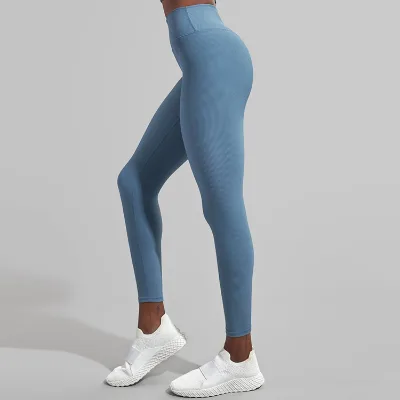
The product scope for eco-friendly recycled women's leggings in the current market is defined by a high degree of versatility, with listings indicating suitability for a vast array of activities including soccer, racing, skiing, and martial arts. The observed product attributes reveal that these items are not limited to a single style but encompass various types such as short leggings, workout leggings with pockets, and high-waist designs. This breadth of scope suggests that buyers should expect a wide selection of cuts and fits, ranging from straight trouser legs to specific athletic silhouettes, all while maintaining the core functional requirements of breathability and body shaping.
Listing signals further indicate that customization is a central pillar of the product offering, with suppliers frequently providing options for custom tags, labels, and packaging solutions. The presence of features like windbreak, waterproof, and rip-stop capabilities alongside standard athletic traits like moisture-wicking suggests that these leggings are engineered for durability and environmental resistance. Buyers should interpret these signals as an indication that the supplier is equipped to handle bespoke orders, but they must verify that the "eco-friendly" aspect is integrated into the specific fabric blend used for these high-performance features, rather than being a generic label applied to standard polyester products.
Technical Specifications to Verify
When evaluating technical specifications, the primary focus must be on the material composition and physical dimensions that define the garment's performance. The observed data points to a standard fabric blend of polyester and spandex, which is common for athletic wear due to its elasticity and durability, but buyers must explicitly confirm the percentage of recycled content within this blend to validate eco-friendly claims. Additionally, specifications regarding thickness, described as "normal," and length, noted as "long," should be cross-referenced with the intended use case to ensure the garment provides adequate coverage and insulation for activities like yoga or outdoor running.
Dimensional consistency is another critical technical area, with size ranges extending from XXS to XXXL and specific model numbers like P20201215 or I20123117 indicating distinct product lines. Buyers should verify that the size charts provided by the supplier align with international standards, as discrepancies can lead to high return rates and customer dissatisfaction. Furthermore, the weight specifications, which have been observed at 0.2kg and 0.3kg, serve as a proxy for fabric density and quality; confirming these weights against the desired product feel is essential to ensure the leggings are neither too flimsy nor overly heavy for the target athletic application.
Compliance and Safety Documentation
Compliance and safety documentation for eco-friendly recycled leggings should prioritize verification of material safety and environmental certifications, even though specific certification statuses like GOTS or OEKO-TEX are listed as low-confidence background information. Buyers must request current test reports that confirm the absence of harmful substances in the recycled polyester and spandex blends, ensuring the fabric meets international safety standards for direct skin contact. The presence of features like flame-retardant and anti-static properties adds another layer of safety consideration, requiring documentation that these treatments are applied safely and do not compromise the fabric's breathability or moisture-wicking capabilities.
In addition to material safety, buyers should seek documentation regarding the ethical sourcing of the recycled materials to substantiate the "eco-friendly" marketing claims. While specific certification details may not be immediately available in standard listings, the procurement process should include a request for supply chain transparency reports that trace the origin of the recycled fibers. This due diligence is crucial for brands aiming to maintain integrity in their sustainability messaging, as it helps mitigate the risk of greenwashing and ensures that the final product aligns with the environmental values of the end consumer.
Cost Drivers and Commercial Terms
Cost drivers for eco-friendly recycled women's leggings are significantly influenced by the level of customization required, including the complexity of custom logos, labels, and packaging designs. The observed MOQ ranges from 100 to 200 pieces per design, which can impact the unit price, as higher customization often necessitates smaller production runs or more complex setup processes. Buyers should anticipate that the price range, observed between $0.99 and $14.90, will fluctuate based on the specific features selected, such as the inclusion of pockets, high-waist designs, or specialized fabric treatments like waterproofing and windbreaking capabilities.
Commercial terms also play a vital role in the overall cost structure, with standard payment terms often requiring a 40% deposit and a 60% balance before shipping. Lead times for samples are typically 10-15 days, which must be factored into the production schedule to avoid delays in product launches. Shipping options, including express, air, and sea freight, offer flexibility but will directly affect the final landed cost; buyers should calculate the total cost of ownership by combining the unit price, customization fees, and shipping expenses to determine the most cost-effective strategy for their specific market needs.
Supplier Qualification and Quality Control
Supplier qualification for this category requires a rigorous assessment of their production capacity and ability to maintain consistency across customized orders. Given the diverse usage scenarios ranging from gym fitness to equestrian sports, the supplier must demonstrate a robust quality control system capable of handling the specific technical requirements of each application. Buyers should verify the supplier's experience with recycled materials and their ability to maintain the integrity of features like moisture-wicking and breathability throughout the production process, ensuring that the final product meets the advertised performance standards.
Quality control measures should extend to the packaging and labeling stages, where custom tags and polybags are utilized. The observed packing standards, such as 1PC/Polybag or 40PC/Carton, indicate a structured approach to logistics, but buyers must confirm that these methods protect the garments during transit without compromising their shape or fabric quality. Regular inspections, including pre-shipment checks and random sampling, are essential to verify that the size ranges, model numbers, and feature sets match the purchase order specifications, thereby minimizing the risk of receiving non-compliant or defective inventory.
Long-Term Procurement Checks
Long-term procurement checks for eco-friendly recycled women's leggings should focus on the supplier's ability to scale production while maintaining sustainability commitments and quality consistency. As order volumes increase, buyers must monitor the supplier's supply chain for any changes in material sourcing that could affect the recycled content percentage or the overall environmental impact of the product. Establishing a long-term partnership requires regular audits and performance reviews to ensure that the supplier continues to meet the evolving standards of the market and the specific needs of the brand.
Continuous improvement in product design and functionality is another key area for long-term checks, as the market for athletic wear is dynamic and competitive. Buyers should encourage suppliers to innovate with new fabric blends, improved customization options, and enhanced performance features to keep the product line relevant. By maintaining open communication and setting clear expectations for future development, buyers can ensure that their procurement strategy remains agile and responsive to market trends, securing a reliable supply of high-quality, eco-friendly leggings for years to come.
FAQs
Can I customize the logo and label on these leggings?
Yes, customization is available for logos, labels, and tags. Buyers can request custom colors and specific packaging options to match their brand identity. This service supports various design requirements, allowing for unique product differentiation in the market.
What is the minimum order quantity for these leggings?
The minimum order quantity varies by design, typically ranging from 100 to 200 pieces per design. This flexible MOQ allows buyers to test market demand with smaller initial orders before committing to larger production runs for their specific product lines.
What features do these fitness leggings offer?
These leggings feature quick-drying, moisture-wicking, and breathable fabrics. Additional attributes include windbreak, waterproof, rip-stop, and anti-UV properties. They are designed for body shaping and are suitable for various sports including yoga, gym, and cycling activities.
What sizes are available for these workout leggings?
Sizes range from XXS to XXXL, including custom sizing options. The product line covers standard adult sizes to accommodate diverse body types. Buyers can select from specific size charts or request custom measurements to ensure a perfect fit for their target audience.
How are these leggings packaged for shipping?
Individual items are packed in polybags, with cartons containing 40 to 80 pieces depending on the specific model. Custom packaging options are also available to meet specific retail or logistical requirements. This ensures safe transport and professional presentation upon arrival.
What are the payment terms for these orders?
The standard payment term requires a 40% deposit and a 60% balance before shipping. This structure helps secure production while ensuring the buyer's commitment. Buyers can arrange shipping via express, air, or sea methods after the balance payment is completed.