Source eco-friendly regenerated cvc yarn for Knitting Weaving Sewing
Find 30 verified options for eco-friendly regenerated cvc yarn suitable for knitting, weaving, and sewing applications. Compare specifications including composition, count, and certifications like GRS and Oeko-Tex from multiple suppliers.
Key considerations
Products List


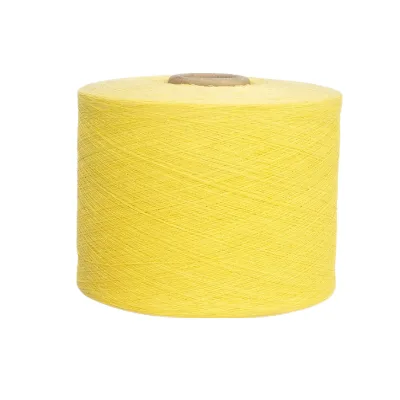
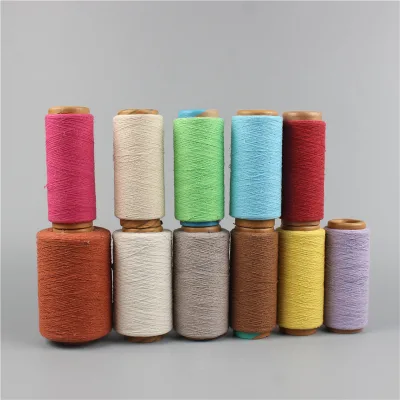
4s 8s High Strength Pc70/30 Regenerated Blend Yarn for Producing Hammock
$0.72 - $0.82
MOQ: 2000 kilograms
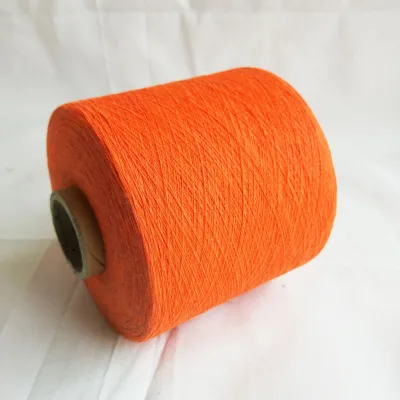
Polyester Cotton Yarn T/C Yarn for TC Durable Polyester/cotton Spun Yarn Made in China
$1.25 - $1.30
MOQ: 2000 kilograms


Comprehensive Sourcing Guide
Strategic Sourcing Guide for Eco-Friendly Regenerated CVC Yarn
Procuring eco-friendly regenerated CVC (Cotton/Viscose) yarn requires a nuanced understanding of the intersection between textile engineering, sustainability mandates, and supply chain logistics. The market for this specific fiber blend has expanded as brands seek to balance the natural feel of cotton with the cost-efficiency and drape of regenerated cellulose fibers. For buyers, the process begins with defining the precise technical parameters that align with the intended end-use, followed by a rigorous verification of the supplier's ability to deliver consistent quality and certified sustainability. This guide outlines the critical dimensions of sourcing this material, ensuring that procurement decisions are grounded in observable facts and industry standards rather than marketing assertions.
Technical Specifications and Fiber Composition
The foundation of any successful yarn procurement lies in the detailed specification of the fiber blend and the manufacturing process. CVC yarn is defined by a specific ratio of cotton to polyester or, in the case of regenerated variants, cotton to viscose. Based on observed market data, the composition for these blends typically ranges from 70/30 to 35/65, with common ratios including 65/35 and 50/50. Buyers must verify the exact percentage required for their specific application, as the ratio significantly influences the fabric's hand feel, durability, and moisture management.
The manufacturing technique is equally critical. The supply chain for this product segment predominantly utilizes Open End (OE) spinning for high-volume, cost-effective production, though Ring Spun techniques are also available for finer, higher-quality applications. The twist level, a key determinant of yarn strength and fabric appearance, generally falls within the range of 200 to 850 turns per meter (Tpm), though specific counts may dictate variations. The yarn count, or thickness, is a primary variable, with standard offerings spanning from Ne5s to Ne32s (or Nm8.5 to Nm53). This wide range allows for versatility across different fabric weights, from heavy knits to fine weaves.
Furthermore, the physical structure of the yarn impacts performance. The fiber length is typically classified as staple fiber, which affects the uniformity and strength of the final yarn. Evenness, a measure of consistency in the yarn's diameter, is a vital quality metric. High-quality production targets an evenness value of ≤CV5%, ensuring minimal defects during the knitting or weaving process. The color options are extensive, with suppliers often offering more than 200 colors, including melange and dyed variations, to meet diverse design requirements.
Compliance and Certification Verification
In the realm of eco-friendly textiles, certification is not merely a marketing add-on but a prerequisite for market access, particularly in regions with strict environmental regulations. When sourcing regenerated CVC yarn, buyers must demand proof of recognized certifications that validate the "eco-friendly" and "recycled" claims. The Global Recycled Standard (GRS) is a prominent certification observed in this sector, verifying the recycled content and tracking it through the supply chain.
Beyond GRS, other certifications provide specific assurances regarding safety and ethical production. The Oeko-Tex Standard 100 is essential for confirming that the yarn is free from harmful substances, making it safe for skin contact. For buyers focusing on organic origins, the Organic certification and the Better Cotton Initiative (BCI) are relevant benchmarks. These certifications ensure that the raw materials meet specific agricultural and processing standards. It is crucial to note that not every listed product may possess all certifications; buyers must verify the specific status of the lot they intend to purchase. The presence of these certifications should be validated through current documentation, as standards and supplier compliance can change over time.
Cost Drivers and Pricing Dynamics
Understanding the cost structure of eco-friendly regenerated CVC yarn is essential for budgeting and negotiation. The price of this yarn is influenced by several variables, including the fiber composition ratio, the spinning technique, and the certification status. The presence of GRS or Oeko-Tex certification often commands a premium due to the additional administrative and processing costs involved in maintaining these standards.
The Minimum Order Quantity (MOQ) is a significant factor in the total cost of ownership. Market observations indicate that MOQs vary based on color and production type. For normal colors, the MOQ is often set at 1000kg per color, whereas for OE (Open End) production or OEM (Original Equipment Manufacturer) specific requests, the requirement can rise to 3000kg or even 4000kg per color. These thresholds directly impact the unit price; larger orders typically yield lower per-kilogram costs. Additionally, the packaging method, whether in PP bags or carton boxes, and the loading capacity of shipping containers (typically 22-25 tons per 40HQ container) affect logistics costs. Buyers should calculate the total landed cost, including freight and handling, rather than focusing solely on the ex-factory price.
Typical Applications and Usage Scenarios
The versatility of CVC yarn makes it suitable for a broad spectrum of textile applications. The primary usage categories include knitting, weaving, sewing, and embroidery. In the knitting sector, the yarn is utilized for creating garments that require a balance of softness and structure, such as t-shirts, sweaters, and casual wear. The moisture-absorbent and breathable features of the cotton component, combined with the durability of the regenerated fiber, make it ideal for activewear and everyday clothing.
For weaving applications, the yarn is employed in the production of denim, shirting, and home textiles. The anti-static and anti-pilling features observed in certain product listings are particularly valuable for garments that undergo frequent washing and wear. The specific twist and count of the yarn determine its suitability for different weave densities. For instance, finer counts (higher Nm numbers) are preferred for lightweight shirting, while coarser counts are better suited for heavy-duty fabrics. The "Melange Yarn" type, which features a heathered appearance, is often used in fashion-forward knits to add visual depth without the need for complex dyeing processes.
Supplier Evaluation and Quality Control
Selecting the right supplier requires a multi-faceted evaluation process that goes beyond price comparisons. Buyers should prioritize suppliers who demonstrate transparency in their production processes and provide clear evidence of their quality control measures. The origin of the yarn, often cited as China or specific provinces like Zhejiang, is a factor, but the specific factory's capability to maintain consistent quality is paramount.
Quality control should be verified through the observation of key metrics such as evenness (≤CV5%), strength, and consistency in color. The "good strength" and "good evenness" attributes noted in product descriptions must be substantiated by test reports. Buyers should request samples that have been tested for specific performance criteria relevant to their end-use, such as tensile strength and shrinkage. The production standard, often defined as 25kg per bag with 8 high cones per bale, must be adhered to strictly to ensure uniformity in the supply chain.
Furthermore, the supplier's ability to handle customization is a critical differentiator. The availability of customization options allows buyers to tailor the yarn to specific needs, such as unique color shades or specific twist levels. However, customization often comes with higher MOQs and longer lead times. Buyers must assess the supplier's flexibility in accommodating these requests without compromising on quality or delivery schedules.
Long-Term Procurement Considerations
Sourcing eco-friendly regenerated CVC yarn is not a one-time transaction but a long-term partnership that requires strategic planning. Lead times are a critical consideration, with typical production windows ranging from 7 to 10 days after the purchase order is confirmed. However, this timeline can vary based on the complexity of the order, the availability of raw materials, and the certification requirements. Buyers must factor in these lead times when planning their production schedules to avoid stockouts.
Sustainability is a long-term driver that will increasingly influence procurement decisions. As global regulations on textile waste and carbon emissions tighten, the demand for certified recycled fibers will likely grow. Buyers should evaluate their suppliers' commitment to sustainability beyond the immediate certification, looking for long-term strategies in waste reduction and energy efficiency. The ability of the supplier to scale production while maintaining quality and compliance will be a key indicator of their reliability as a long-term partner.
Additionally, the packaging and logistics infrastructure of the supplier play a role in the long-term viability of the supply chain. The use of PP bags or carton boxes must be durable enough to protect the yarn during transit, especially given the high loading capacities of 40HQ containers. Any damage during shipping can lead to significant losses, so buyers should ensure that the packaging standards are robust and consistent.
Summary of Key Procurement Parameters
To facilitate a clear comparison of the critical parameters discussed, the following table summarizes the essential attributes buyers should verify during the sourcing process.
| Parameter | Typical Range / Observation | Verification Requirement |
|---|---|---|
| Composition | Cotton/Viscose 70/30 to 35/65 | Confirm exact ratio for end-use |
| Spinning Technics | Open End (OE) or Ring Spun | Match to fabric requirements |
| Yarn Count | Ne5s-Ne32s / Nm8.5-Nm53 | Verify suitability for knitting/weaving |
| Twist | 200-850 Tpm | Check for strength and handle |
| Evenness | ≤CV5% | Request test reports for consistency |
| MOQ | 1000kg (Normal) to 4000kg (OEM/OE) | Align with production volume needs |
| Certifications | GRS, Oeko-Tex, Organic, BCI | Validate current certificates |
| Lead Time | 7-10 Days After PO | Plan production schedules accordingly |
| Packing | 25kg/bag, 8 cones/bale | Ensure durability for shipping |
By adhering to these guidelines and maintaining a rigorous approach to verification, buyers can secure a reliable supply of eco-friendly regenerated CVC yarn that meets both technical and sustainability goals. The focus must remain on data-driven decision-making, ensuring that every procurement choice is backed by verified facts and aligned with the strategic objectives of the organization.
FAQs
What certifications are available for eco-friendly regenerated CVC yarn?
Certifications include GRS, Oeko-Tex, Organic, and BCI. Buyers must verify specific lot documentation as not every product holds all certifications, ensuring compliance with safety and recycled content standards.
How is the composition of CVC yarn defined in this supply?
Composition typically ranges from Cotton/Viscose 70/30 to 35/65, with common ratios like 65/35 and 50/50. The exact percentage influences fabric hand feel and durability, so buyers must confirm the specific blend for their application.
Which spinning techniques are used for this yarn type?
Open End (OE) and Ring Spun techniques are available. OE is common for high-volume production, while Ring Spun offers finer quality, with twist levels generally falling between 200 and 850 turns per meter.
What are the minimum order quantities for normal and OE colors?
Normal colors require 1000kg per color, while OE or OEM colors require 3000kg to 4000kg per color. These thresholds impact unit pricing, so buyers should align order volume with production needs to optimize costs.
Can suppliers customize the yarn count and color options?
Yes, customization is available with over 200 colors and counts ranging from Ne5s to Ne32s. Custom requests may involve higher MOQs and require specific lead times of 7 to 10 days after purchase order confirmation.
How is the yarn evenness and quality verified?
High-quality production targets an evenness value of ≤CV5% with good strength. Buyers should request test reports to substantiate these metrics, ensuring minimal defects during knitting or weaving processes.
What packaging standards are used for shipping this yarn?
Standard packaging is 25kg per bag with 8 cones per bale, using PP bags or carton boxes. This ensures durability during transit, with container loading capacities typically reaching 22 to 25 tons per 40HQ container.