Source Eco-Friendly Rubber Shoe Charms for casual wear, kids, and adults
Compare 30 listings of Eco-Friendly Rubber Shoe Charms suitable for casual shoes, children, and adults. Buyers can evaluate customization options, materials like PVC and silicone, and varying MOQs from 10 to 3000 pieces.
Key considerations
Products List


Classic Cartoon Shoe Decoration Charms Wholesale Custom Clog PVC Shoe Charms
$0.09 - $0.16
MOQ: 2000 Pieces


Promo Products Fashionable Shoe Charms Thanksgiving Day Character Shoe Charms
$0.15 - $0.25
MOQ: 500 Pieces


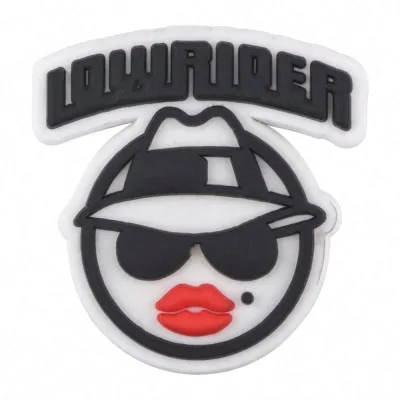
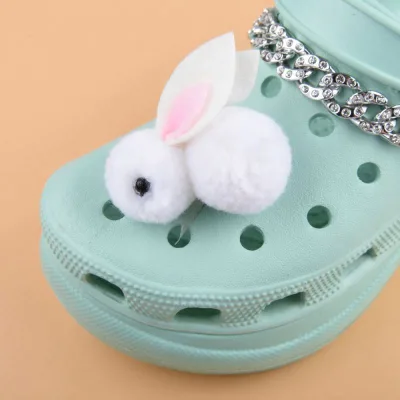
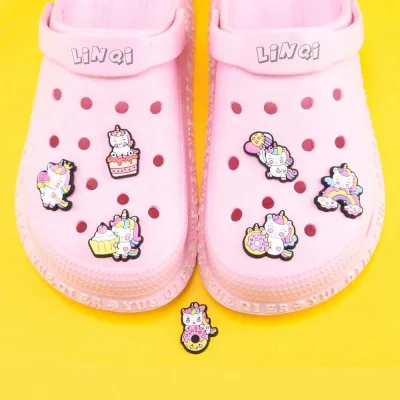


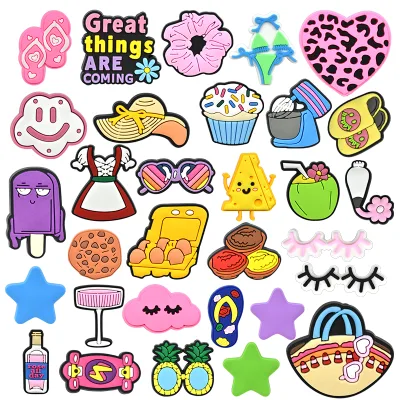
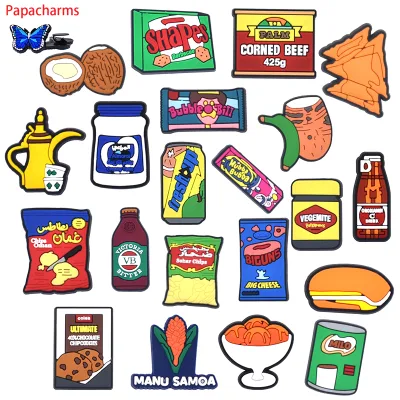


Comprehensive Sourcing Guide
Strategic Sourcing Guide for Eco-Friendly Rubber Shoe Charms
Understanding Product Definitions and Core Attributes
When initiating a procurement strategy for eco-friendly rubber shoe charms, buyers must first establish a precise understanding of the product category to ensure alignment between supplier capabilities and operational requirements. The core keyword "eco-friendly rubber shoe charms" points to a specific segment of the footwear accessory market where material composition and environmental impact are primary differentiators. Based on available market data, these items are technically classified as shoe decorations or shoe accessories designed to enhance the aesthetic appeal of casual footwear. The product type is explicitly identified as "Shoe Decorations" or "Decorate" items, with a specific usage profile as "Shoe Accessories" and "Shoe Decoration."
A critical observation in the current supply landscape is the variation in material composition. While the search term emphasizes "rubber," the actual product listings reveal a diverse material palette including PVC, Silicone, and Rubber. For a buyer specifically targeting "eco-friendly" claims, the presence of Silicone and Rubber is often more relevant than PVC, as these materials are frequently associated with lower environmental impact profiles in manufacturing processes. However, it is imperative to treat these material assignments as observations of specific listings rather than universal guarantees for every product in the category. The product attributes indicate that these charms are generally unisex and suitable for both adults and children, suggesting a broad market applicability. The "Eco-Friendly" feature is explicitly listed as a product attribute in several entries, but this must be verified against specific batch certifications rather than assumed based on the general category.
Technical Specifications and Design Parameters
The technical specifications of shoe charms are fundamental to their functionality and integration into existing footwear lines. The data indicates that these products are typically small-scale accessories, with size specifications ranging from 2.5 to 3.5 cm. This compact dimension is crucial for ensuring that the charms do not interfere with the structural integrity of the shoe or cause discomfort to the wearer. The single package size is often recorded as 3x2x1 cm, and the single gross weight is approximately 0.003 kg, highlighting the lightweight nature of these items which simplifies logistics and reduces shipping costs.
Design customization is a dominant feature in this sector. The "Customization" attribute is marked as available, and the "Custom Logo" feature is explicitly provided by suppliers. This allows buyers to brand the charms with their own corporate logos or design motifs. The decoration parts are often applied to the "Vamp" of the shoe, which is the upper front part of the shoe. The decorative elements themselves can vary significantly, including charms, lights, chains, and flowers. The style is frequently noted as "Flower," but the "Mixed Color" and "Customized" color options suggest a high degree of visual variety. The product models, such as SWR001, Shoe Charms-091V, and Charm-10033, indicate a standardized naming convention used by manufacturers to track specific designs, though the exact visual differences between these models require direct supplier consultation.
Compliance, Certification, and Environmental Verification
One of the most critical aspects of sourcing eco-friendly products is the verification of compliance and certification. The provided context lists high-confidence facts regarding product attributes but only offers low-confidence background references to standards such as EN71, ASTM F963-23, and EN71-3. These standards are relevant to toy safety and chemical restrictions, particularly for products intended for children. However, because these are listed as low-confidence background information, buyers must not assume that every listed product automatically satisfies these standards.
Buyers should explicitly verify the following during the supplier evaluation process:
- Material Safety: Confirm that the rubber or silicone materials used are free from harmful phthalates and heavy metals, which are common concerns in PVC and rubber manufacturing.
- Child Safety Standards: Since the product attributes list "Applicable User" as both Adults and Children, any product marketed for children must strictly comply with local safety regulations, such as ASTM F963 in the United States or EN71 in Europe.
- Eco-Certifications: The "Eco-Friendly" attribute is a claim that requires substantiation. Buyers should request documentation proving the recyclability of the material, the absence of toxic dyes, or adherence to specific environmental management standards like ISO 14001.
- Chemical Compliance: Verify compliance with REACH (Registration, Evaluation, Authorization and Restriction of Chemicals) for European markets and Prop 65 for California, ensuring the rubber compounds do not contain restricted substances.
The standard listed as "customized" for the product standard suggests that compliance may be tailored to the buyer's specific market requirements rather than adhering to a single global standard. This flexibility is advantageous but requires rigorous due diligence to ensure that the customized standard meets the legal requirements of the destination market.
Cost Drivers and Pricing Dynamics
The pricing structure for eco-friendly rubber shoe charms is influenced by several key variables, including material costs, customization complexity, and order volume. The observed listed price range in the market is between $0.04 and $1.03 USD per unit. This wide range indicates that price is not solely a function of the base material but is heavily dependent on the level of customization and the specific design complexity.
The Minimum Order Quantity (MOQ) is a significant cost driver. The observed MOQ range varies from 10 to 3000 units, with specific listings showing MOQs of 100, 500, and 500 pieces. Higher MOQs typically correlate with lower unit prices, as the fixed costs of mold creation and setup are amortized over a larger volume. For buyers seeking custom designs, the initial investment in tooling and mold fees will be a primary cost component, which may not be reflected in the per-unit price but is essential for production.
Material selection also impacts cost. While the specific price per material type is not explicitly detailed in the provided facts, the general market knowledge suggests that silicone and high-grade rubber often command a premium over PVC due to their perceived safety and environmental benefits. The "Free Sample" attribute is a notable cost-saving factor for buyers, as it allows for quality assessment without incurring material costs, though shipping fees for samples may still apply. The "Single Item" selling unit suggests that the pricing model is per piece, which simplifies cost calculations for inventory management.
Typical Applications and Market Segmentation
The applications for eco-friendly rubber shoe charms are diverse, catering to various market segments. The primary use case is as a decorative accessory for casual shoes. The attribute "Suitable for: Casual Shoes" confirms that these items are not intended for high-performance athletic footwear or formal wear, but rather for everyday casual use. This makes them ideal for fashion-forward consumers, children's footwear, and promotional merchandise.
The target demographic includes both adults and children, as indicated by the "Applicable User" attribute. This dual applicability expands the potential market reach. For children's products, the safety and non-toxic nature of the materials become paramount, aligning with the "Eco-Friendly" claim. For adults, the focus shifts more towards aesthetic customization and style, with options for mixed colors and various decorative elements like flowers and chains.
The "Shoe Charms" keyword and "Shoes Ornament Accessories" designation highlight the product's role as a fashion statement. These charms allow for personalization, enabling users to express individuality or brand identity. The ability to customize the logo and design makes these products highly suitable for corporate gifts, event giveaways, and brand marketing campaigns. The "Sample: Free" attribute further supports their use in promotional contexts, where businesses can distribute samples to potential clients or employees to showcase brand identity.
Supplier Evaluation and Quality Control Protocols
Selecting the right supplier is critical for ensuring product quality and adherence to environmental claims. The sourcing guide recommends a rigorous evaluation process that goes beyond the basic product listings. Buyers should verify the supplier's origin, which is listed as China, and assess their manufacturing capabilities regarding customization and quality control.
Key evaluation criteria include:
- Customization Capability: Confirm the supplier's ability to handle "Customized" orders, including the production of specific models like SWR001 or Charm-10033. Verify the process for providing custom logos and designs.
- Material Verification: Request samples of the specific materials (PVC, Silicone, Rubber) to test for flexibility, durability, and the absence of strong odors, which can indicate poor quality or harmful chemicals.
- Packaging Standards: The product packing varies from "Paper Box" to "Each Packed in a Polybag" or "OPP Bag." Buyers should specify their preferred packaging to ensure it aligns with their brand image and sustainability goals.
- Quality Assurance: Implement a quality control plan that includes pre-production samples, in-process inspections, and final random inspections. Given the small size of the items, visual inspection for defects like mold lines, color inconsistencies, or loose attachments is essential.
- Lead Time and Logistics: While specific lead times are not provided in the facts, buyers should establish clear timelines for production and shipping. The "OEM: Yes" attribute indicates that the supplier is capable of Original Equipment Manufacturing, which is a positive sign for custom orders.
Long-Term Procurement Considerations and Sustainability
For buyers looking to establish a long-term supply chain for eco-friendly rubber shoe charms, sustainability and scalability are paramount. The "Eco-Friendly" feature is a marketing asset that must be maintained consistently. Buyers should work with suppliers who are transparent about their sourcing practices and willing to provide documentation for their environmental claims.
Scalability is another consideration. The wide MOQ range (10-3000) offers flexibility for startups and small businesses, but larger enterprises may need to negotiate lower unit prices through higher volume commitments. The ability to customize the product standard and design allows for continuous innovation and adaptation to market trends.
Furthermore, buyers should consider the end-of-life implications of the products. While the "Eco-Friendly" attribute suggests a lower environmental impact, the recyclability of the specific rubber or silicone used should be verified. Suppliers who offer take-back programs or use biodegradable packaging can further enhance the sustainability profile of the product line.
In conclusion, sourcing eco-friendly rubber shoe charms requires a balanced approach that combines technical specification verification, compliance checks, and strategic supplier evaluation. By focusing on the specific attributes of material, customization, and safety, buyers can build a robust supply chain that meets both commercial and environmental objectives. The diversity of product models and the availability of customization options provide ample opportunities for differentiation in a competitive market.
FAQs
What materials are used for Eco-Friendly Rubber Shoe Charms?
Products are available in PVC, Silicone, and Rubber materials. Buyers should verify specific material batches for eco-friendly claims rather than assuming all listings meet this standard.
Can I customize the logo on these shoe decorations?
Yes, custom logos are provided as a standard feature for these items. Suppliers offer customization for designs and models like SWR001 or Charm-10033 upon request.
What is the minimum order quantity for these charms?
Minimum order quantities range from 10 to 3000 units depending on the supplier. Specific listings show MOQs of 100 or 500 pieces for standard orders.
Are these shoe accessories suitable for children and adults?
Yes, the products are unisex and applicable for both adults and children. This broad applicability makes them suitable for various casual shoe types and demographics.
How are these shoe charms packaged for shipment?
Packaging options include paper boxes, polybags, and OPP bags. The specific packing method varies by product model and supplier configuration.
What is the price range for these shoe accessories?
Listed prices range from 0.04 to 1.03 USD per unit. Pricing depends on material type, customization level, and order volume commitments.
Where are these shoe charms manufactured?
The products originate from China as indicated in the product facts. Buyers should verify specific factory locations during the supplier evaluation process.