Source Eco-Friendly Satin Mattress Label for Bedding, Hotels, and Retail
Find 28 options for Eco-Friendly Satin Mattress Label solutions tailored for bedding, hotels, and retail applications. Compare woven and printed styles with custom Pantone colors, various backing types, and OEM specifications to identify the best fit for your product line.
Key considerations
Products List


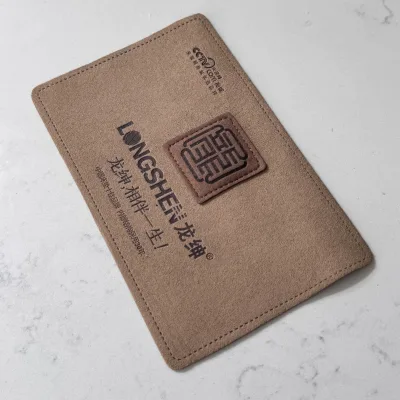
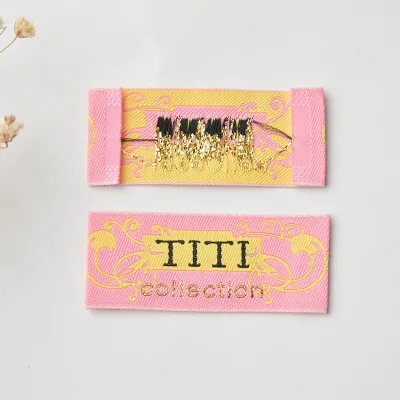
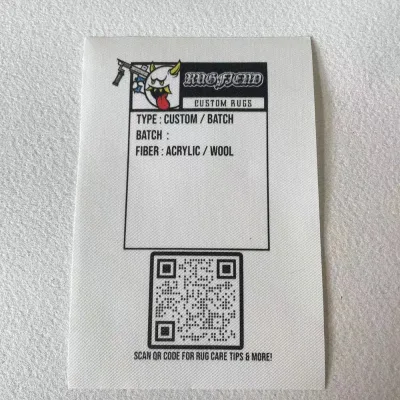
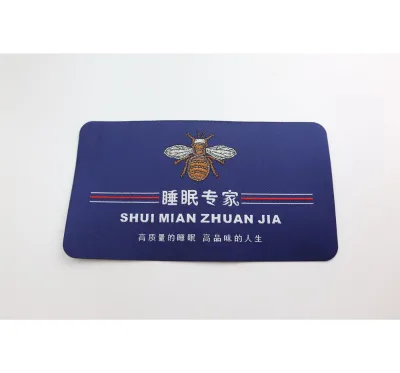
Customized Home Textiles Quilt Neck Label Normal Satin Mattress Label Carpet Labels
$0.12 - $0.31
MOQ: 1000 pieces
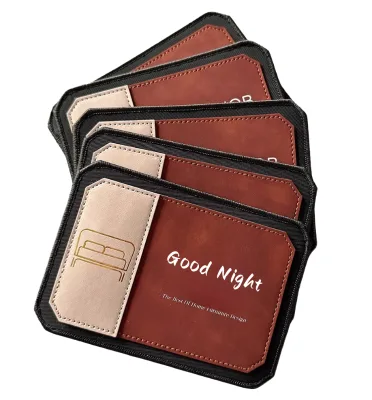
Custom Design Mattress Labels Normal Satin Label Soft for Baby Mattress
$0.12 - $0.30
MOQ: 1000 pieces
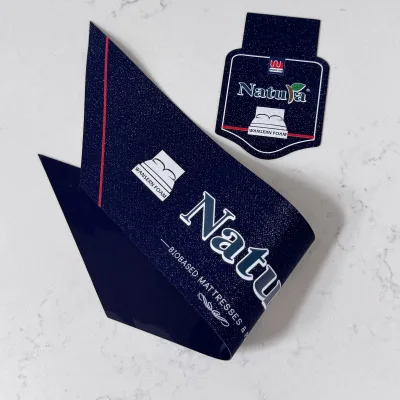
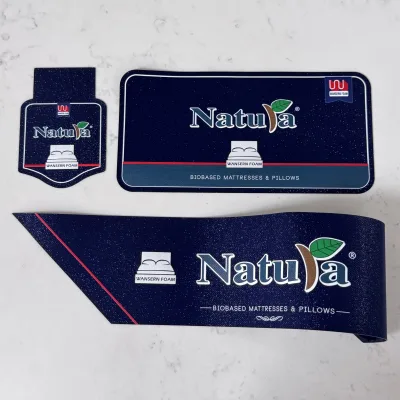
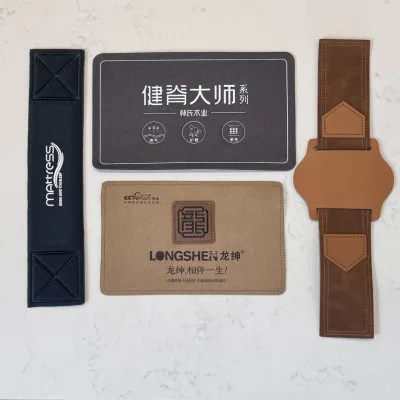
Custom Printed Fabric Mattress Label Manufacture Iron on Bedding Label Woven Mattress Label
$0.12 - $0.30
MOQ: 1000 pieces
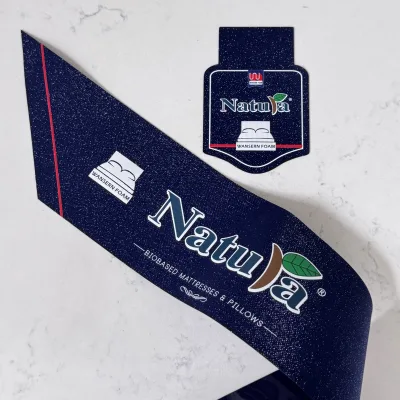
Hot Selling Cheap Woven Labels Mattress Label Blanket Manufacturing Processes Labels
$0.12 - $0.30
MOQ: 1000 pieces


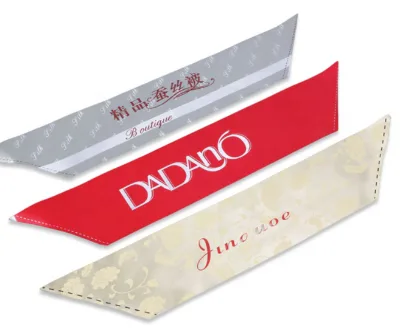
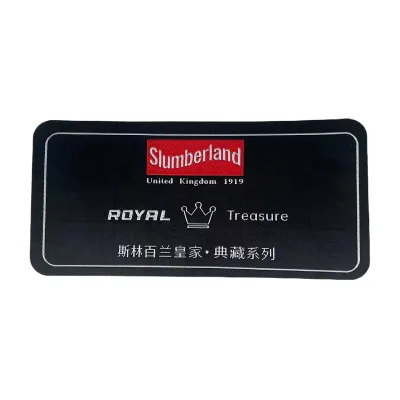

Comprehensive Sourcing Guide
Eco-Friendly Satin Mattress Label Sourcing Guide
Procurement teams must first distinguish between woven satin labels and other textile variations when sourcing eco-friendly options. The available market data indicates that satin woven labels are frequently constructed from polyester or cotton yarns, with some listings explicitly mentioning metallic or gold/silver threads for premium finishes. Buyers should verify that the specific "satin" designation refers to the fabric background weave rather than a generic marketing term, as the supply list includes twill, felt, and canvas backgrounds alongside satin. This distinction is critical because the environmental impact and durability of the label depend heavily on the specific fiber composition selected for the project.
When evaluating product scope, it is essential to recognize that customization is a primary driver for these items, with many suppliers offering custom designs in any size and Pantone color matching. The observed listings show a variety of shapes, including circular, folded, and other special shapes, which allows for tailored branding on mattress tags. However, buyers must be cautious not to assume all listed products meet eco-friendly criteria simply because they are labeled as such; the supply data includes standard woven, printed, and embossed patterns that may rely on different chemical treatments or backing materials.
Product Scope and Observed Listing Signals
Buyers should analyze the specific pattern types listed, as the market offers woven, printed, and embossed variations that serve different aesthetic and functional needs. The data confirms that woven patterns are common, often utilizing polyester or cotton yarns, while printed options provide a different visual texture. It is vital to confirm whether the "eco-friendly" claim applies to the dyeing process, the yarn source, or the entire manufacturing lifecycle, as the supply list includes items with laser-cut, ultrasonic, and merrow borders that may involve different energy or chemical inputs.
The observed product range includes specific backing options such as iron-on, paper, velcro, and self-adhesive types, which significantly influence the final application and waste profile. While some listings mention eco-friendly features, the supply data also includes standard items with paper backing or standard adhesive types that may not align with strict sustainability goals. Procurement teams must cross-reference the specific backing material with their internal sustainability policies, as the choice between a sew-on label and a self-adhesive one can alter the recyclability of the final mattress product.
Technical Specifications to Verify
Technical verification must begin with the label material composition, ensuring that the yarns used align with the desired eco-friendly profile. The supply data lists cotton yarns, polyester yarns, and metallic yarns as available materials, but buyers must request specific fiber content percentages to confirm the presence of organic or recycled fibers. Since the standard production models vary, it is necessary to validate that the selected model supports the required fabric background, such as satin, twill, or felt, without compromising the structural integrity of the woven or printed design.
Dimensional specifications and finishing techniques require strict attention to ensure the label meets the mattress manufacturer's requirements. The data indicates that any size is welcome, yet specific standard dimensions like 10x5 inches are also referenced, suggesting a need for precise customization. Buyers should verify the cutting method, as laser cutting, ultrasonic cutting, and heat cutting offer different edge finishes that affect durability and fraying. Additionally, the folding style, whether middle folded, both side folded, or no folding, must be confirmed to ensure the label fits the intended placement on the mattress tag.
Compliance and Safety Documentation
Compliance verification is paramount when sourcing eco-friendly textile labels, as the supply data references potential standards like OEKO-TEX and GOTS, though these are not explicitly confirmed for every listed item. Buyers must request current test reports to verify that the dyes, yarns, and backing materials are free from harmful substances, as the "eco-friendly" attribute in the listing may refer to general production practices rather than specific chemical compliance. It is the buyer's responsibility to ensure that the supplier can provide documentation proving the absence of restricted substances in the polyester, cotton, or metallic yarns used.
Safety documentation should also cover the physical properties of the label, such as washability and durability, which are critical for mattress applications. The observed listings mention that labels are washable, but this claim must be substantiated through performance testing to ensure the label does not degrade or bleed color during the mattress's lifecycle. Procurement teams should require evidence that the chosen backing, whether iron-on or self-adhesive, maintains its integrity under standard washing conditions without releasing microplastics or other environmental contaminants.
Cost Drivers and Commercial Terms
Cost structures for eco-friendly satin labels are heavily influenced by the complexity of the customization and the specific material choices made. The supply data shows a minimum order quantity (MOQ) ranging from 500 to 1000 pieces, which directly impacts the unit price and the feasibility of small-batch sustainable sourcing. Buyers should anticipate that custom Pantone colors, special shapes, and unique backing types will incur higher costs compared to standard configurations, as these require additional setup time and specialized machinery.
Commercial terms regarding lead times and production capacity must be clearly defined to avoid supply chain disruptions. The observed sample times range from 3 to 6 days, while production times vary between 7 and 15 days, depending on the order volume and complexity. Procurement teams should negotiate clear terms for special requests, such as custom packing details or specific shipping requirements, as the standard packing of 1000 pieces per polybag may not suit all logistics needs. Understanding these variables is essential for accurate budgeting and timeline management.
Supplier Qualification and Quality Control
Supplier qualification requires a rigorous assessment of their ability to deliver consistent quality across custom orders. The supply data indicates that many suppliers offer OEM services and custom designs, but buyers must verify their quality control processes to ensure that the woven or printed patterns are executed with precision. It is crucial to confirm that the supplier has the capability to maintain color consistency across large batches, especially when using specific Pantone colors for branding purposes.
Quality control protocols should include pre-production samples and in-line inspections to catch defects early. The observed listings mention various border types and folding styles, all of which require precise execution to prevent fraying or misalignment. Buyers should establish a clear acceptance criteria for the final product, including checks on the backing adhesion and the overall appearance of the label. Regular audits of the supplier's production line can help ensure that the eco-friendly claims are backed by actual manufacturing practices and not just marketing assertions.
Long-Term Procurement Checks
Long-term procurement strategies must focus on maintaining a consistent supply of high-quality, eco-friendly labels that meet evolving sustainability standards. Buyers should establish a relationship with suppliers who demonstrate a commitment to continuous improvement in their material sourcing and production methods. This involves regularly reviewing the supplier's ability to adapt to new environmental regulations and ensuring that their product offerings remain aligned with the buyer's corporate sustainability goals.
Continuous monitoring of product performance and supplier reliability is essential for mitigating risks in the supply chain. Procurement teams should track the performance of the labels in real-world applications, noting any issues with washability, durability, or adhesion. By maintaining open communication with suppliers and conducting periodic reviews, buyers can ensure that the long-term partnership remains robust and that the eco-friendly satin mattress labels continue to meet the highest standards of quality and sustainability.
FAQs
Can I get custom sizes for satin mattress labels?
Yes, any size is welcome for custom satin mattress labels. You can choose from various fabric backgrounds like twill, satin, felt, cotton, or canvas. The labels support Pantone colors and woven or printed patterns. This flexibility ensures the label fits your specific mattress dimensions and branding requirements perfectly.
What materials are used for woven mattress labels?
Woven mattress labels typically use polyester yarns, cotton yarns, or metallic yarns. These materials create durable, high-quality labels that withstand washing. The fabric background can be twill, satin, or felt. This variety allows you to select the best texture and appearance for your specific bedding product needs.
How long does production take for custom labels?
Production time generally ranges from 7 to 15 days after sample approval. Sample creation takes approximately 3 to 4 days. This timeline allows for quality checks and customization adjustments. You should plan your orders accordingly to ensure timely delivery for your mattress manufacturing schedule and inventory requirements.
What backing options are available for mattress labels?
Available backing options include iron-on, paper, velcro, sew-on, and self-adhesive types. These choices allow for versatile application methods on different mattress fabrics. You can select the most suitable backing based on your production line capabilities and the desired permanence of the label attachment for your final product.
What is the minimum order quantity for these labels?
The minimum order quantity is typically 500 pieces, though some suppliers require 1000 pieces. This MOQ ensures efficient production runs for custom woven or printed designs. You can discuss specific quantity requirements with manufacturers to find a supplier that matches your volume needs and budget constraints for bulk orders.
Are eco-friendly options available for satin mattress labels?
Yes, eco-friendly options are available for satin mattress labels. These labels often feature anti-counterfeit features and sustainable material choices. You can request specific certifications or material compositions to meet environmental standards. This ensures your bedding products align with eco-conscious consumer preferences and regulatory requirements in various global markets.