Source Eco Friendly Salon Cleaning Brush for Spa, Home, and Kitchen
Find and compare 30 Eco Friendly Salon Cleaning Brush options made from bamboo, nylon, and plastic. Evaluate features like soft bristles, long handles, and custom logo printing for professional and household use.
Key considerations
Products List


Hairdressing Tool Hair Salon Hair Cleaning Sponge Sweep Hair Sponge Brush
$0.09 - $0.20
MOQ: 1000 Pieces


Salon Tool Barber Brush Neck Duster for Hair Cutting Face Cleaning Hair Sweep Brushes
$1.50 - $1.80
MOQ: 200 Pieces


Natural Wooden Long Handle Facial Cleansing Brush - Eco-Friendly & Gentle
$1.80 - $2.50
MOQ: 500 Pieces

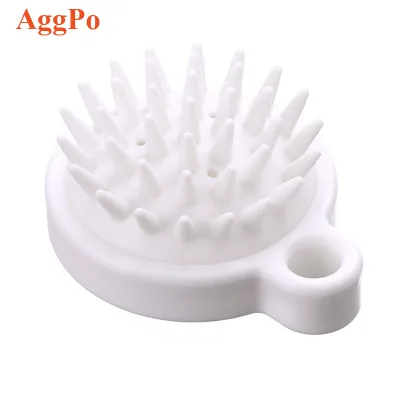
High Quality Colorful Plastic Hair Massage Brush Bath Brush Cleaning Care Tool
$0.20 - $0.30
MOQ: 1000 Pieces


Comprehensive Sourcing Guide
Eco Friendly Salon Cleaning Brush Sourcing Guide
Procuring eco-friendly salon cleaning brushes requires a strategic approach that balances sustainability claims with the rigorous hygiene standards demanded by professional beauty environments. The market offers a diverse array of options, ranging from bamboo-handled brushes with natural bristles to durable plastic models designed for specific salon tasks. Buyers must navigate a landscape where "eco-friendly" can refer to the handle material, the bristle composition, or the entire manufacturing process, necessitating a clear definition of sustainability goals before engaging with suppliers.
The observed product data reveals a significant variation in materials and specifications, indicating that a single sourcing strategy may not suffice for all salon needs. While some listings highlight bamboo handles and Tampico bristles, others feature plastic construction with nylon bristles, suggesting that the term "eco-friendly" is applied differently across the supply chain. Procurement teams must therefore verify the specific composition of each unit to ensure it aligns with their environmental policies and operational requirements, rather than relying solely on general marketing descriptors.
Product Scope and Observed Listing Signals
The product scope for eco-friendly salon cleaning brushes encompasses a wide range of configurations, including long-handle designs and various shapes tailored for different cleaning tasks. Observed listings indicate that these tools are frequently marketed for kitchen and general cleaning applications, yet their utility extends to salon environments for sweeping debris, cleaning workstations, and maintaining hygiene. The availability of customization options, such as logo printing and specific color combinations like green, yellow, black, and white, allows salons to brand their cleaning tools while maintaining a cohesive aesthetic.
Listing signals suggest that packaging plays a critical role in the product's environmental profile, with options ranging from PE boxes and cartons to kraft paper and PVC tubes. Some suppliers offer bulk packaging configurations, such as 12 pieces per box or 144 pieces per carton, which can significantly impact logistics and storage efficiency for large salon chains. Buyers should scrutinize these packaging details to ensure that the outer materials are recyclable or biodegradable, as the packaging often contributes more to the overall waste footprint than the brush itself.
Technical Specifications to Verify
Technical verification begins with the material composition, specifically distinguishing between bamboo handles and plastic alternatives, as well as the bristle type, which may be Tampico, nylon, or other synthetic fibers. The data shows specific models with defined dimensions, such as 4.8x4.8x7.8cm or 125x67x36mm, which are crucial for ensuring the brush fits the intended cleaning surface and user ergonomics. Procurement teams must confirm that the brush hardness, described as "soft" in some listings, matches the sensitivity of the surfaces being cleaned to prevent damage to delicate salon equipment or finishes.
Further specification checks should focus on the sterilization status and the physical durability of the product. While some products are explicitly marked as non-sterile and without ethylene oxide sterilization, others may require specific cleaning protocols before use in a professional setting. The presence of features like laser-engraved logos and the acceptance of OEM requests indicate that buyers can request specific modifications to the standard model, but these customizations must be validated for their impact on the product's structural integrity and environmental claims.
Compliance and Safety Documentation
Compliance in the salon cleaning sector hinges on the safety of materials used, particularly regarding the potential for chemical leaching or allergen exposure in bristles and handles. Although specific certification data is limited in the provided context, buyers should request documentation confirming that the materials, such as bamboo or plastic, meet relevant safety standards for consumer goods. The absence of explicit certification claims in the observed data underscores the need for suppliers to provide third-party test results or material safety data sheets (MSDS) to validate their eco-friendly assertions.
Safety documentation must also address the hygiene implications of the product's sterilization status. Since many observed listings indicate a "non-sterile" condition, salons must establish clear protocols for the pre-use cleaning and disinfection of these brushes. Procurement teams should verify that the supplier provides guidance on proper sanitation methods, ensuring that the brush can be effectively cleaned without degrading the material or compromising the eco-friendly attributes of the product.
Cost Drivers and Commercial Terms
Cost drivers for eco-friendly salon brushes are heavily influenced by the choice of raw materials, with natural options like bamboo and Tampico often commanding a different price point than synthetic alternatives. The observed price range of 0.01 to 5 USD suggests a highly competitive market with significant variance based on material quality, customization levels, and order volume. Buyers must analyze the total cost of ownership, considering that higher initial costs for sustainable materials may be offset by longer product lifespans or reduced waste disposal fees.
Commercial terms such as Minimum Order Quantity (MOQ) and lead times are critical variables that can affect procurement planning. The data indicates an MOQ range from 10 to 20,000 units, offering flexibility for both small boutique salons and large chains, while a standard delivery date of 30 days suggests a predictable supply chain timeline. Negotiating these terms requires a clear understanding of the supplier's capacity to handle customized orders, as features like logo printing and specific packaging may extend lead times or increase unit costs.
Supplier Qualification and Quality Control
Supplier qualification should prioritize manufacturers who demonstrate transparency in their material sourcing and production processes, particularly for those claiming eco-friendly attributes. The presence of OEM acceptance and customization capabilities indicates a level of manufacturing flexibility, but buyers must verify the supplier's ability to maintain consistent quality across different batches. Requesting samples with specific material compositions, such as bamboo handles or specific bristle types, is essential to validate that the physical product matches the supplier's claims.
Quality control measures must include rigorous inspection of the brush's construction, ensuring that bristles are securely attached and handles are free from defects that could compromise hygiene. The observed variety in product models, from JMBamboo to various QM and JSG series, suggests that buyers should establish a standardized inspection protocol that applies across different SKUs. This protocol should verify dimensions, material integrity, and the durability of the logo engraving or printing to ensure the product meets the salon's operational standards.
Long-Term Procurement Checks
Long-term procurement success depends on establishing a reliable supply chain that can consistently deliver eco-friendly products without compromising on quality or sustainability claims. Buyers should implement a periodic review process to assess the supplier's adherence to environmental standards and their ability to scale production as the salon's needs grow. This includes monitoring changes in material availability, such as the supply of bamboo or Tampico, which can fluctuate based on seasonal or geopolitical factors.
Sustainability verification should also extend to the supplier's packaging and logistics practices, ensuring that the environmental benefits of the product are not negated by excessive or non-recyclable shipping materials. Regular audits of the supplier's production facilities and a review of their waste management practices can provide assurance that the "eco-friendly" label is maintained throughout the product lifecycle. By maintaining open communication and setting clear expectations for continuous improvement, salons can build a resilient partnership that supports their long-term environmental goals.
FAQs
What materials are used for eco friendly salon cleaning brushes?
These brushes typically feature bamboo handles and natural Tampico or Nylon bristles. Bamboo is a renewable resource that supports eco-friendly sourcing goals. The combination of sustainable wood and durable bristles ensures effective cleaning while maintaining environmental standards for professional salon use.
Can these brushes be customized with a logo?
Yes, customization is available for most models. Options include laser engraved logos on bamboo handles or printed logos on plastic variants. Buyers can specify their branding requirements to create unique products. This service allows salons to maintain brand identity while using sustainable cleaning tools.
What is the typical lead time for orders?
The standard delivery date is approximately 30 days after order confirmation. This timeline applies to most standard and customized requests. Buyers should account for this lead time when planning inventory. Expedited options may vary based on specific manufacturer capacity and current order volume.
Are the brushes sterile or non-sterile?
The products are generally non-sterile and without Ethylene Oxide Sterilization. This is standard for general cleaning tools rather than medical instruments. Buyers requiring sterile packaging should verify specific model capabilities. Most salon cleaning brushes do not require medical-grade sterility for routine use.
What packaging options are available for bulk orders?
Packaging includes PE boxes, cartons, Kraft paper boxes, or PVC tubes. Specific models offer 12 pieces per box or 144 pieces per carton. Custom packaging is also available to meet specific logistical needs. Eco-friendly Kraft paper options align with sustainable sourcing preferences for environmentally conscious buyers.
What are the common specifications for these brushes?
Specifications vary by model, including sizes like 6CM, 20CM, or 125x67x36mm. Some models feature long handles for ergonomic use. Dimensions and weights, such as 0.02kg, are listed per unit. Buyers should select models based on specific salon requirements and handle length preferences.