Source Eco-Friendly Satin Graduation Sash for Ceremonies, Events, Parties
Compare 30 listings for Eco-Friendly Satin Graduation Sash from verified suppliers. Buyers can review material details, customization options, and pricing to select the right sash for ceremonies, events, and parties; compare the available evidence and request quotations based on your requirements.
Key considerations
Products List

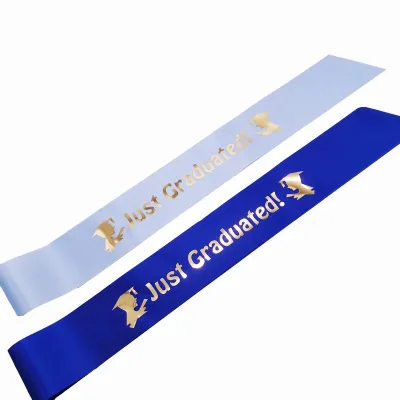
Color Graduation Ceremony Belts Graduated Shoulder Straps Graduation Satin Sashes
$0.92 - $1.36
MOQ: 100 Pieces


Satin Ribbon Double Face 10cm*200m Per Roll Solid Color Satin Ribbon for Graduation Sash
$0.06 - $0.08
MOQ: 2400 Meters

Satin Ribbon Double Face 10cm*200m Per Roll Solid Color Satin Ribbon for Graduation Sash
$0.05 - $0.07
MOQ: 10000 Meters


Factory Wholesale 10cm Slit Edge Polyester Satin Ribbon Roll for Graduation Sash
$0.03 - $0.07
MOQ: 20 Meters
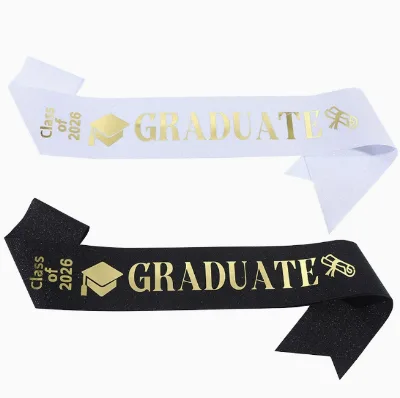
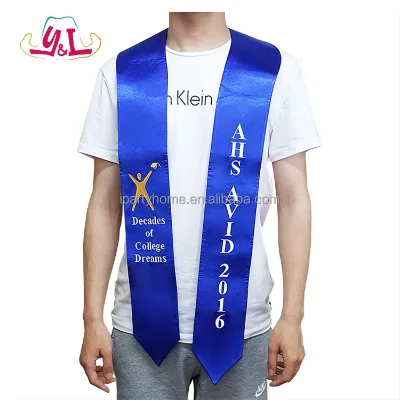


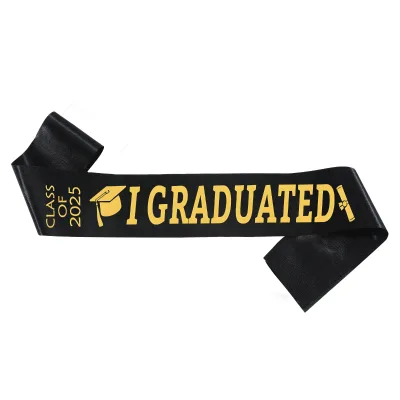
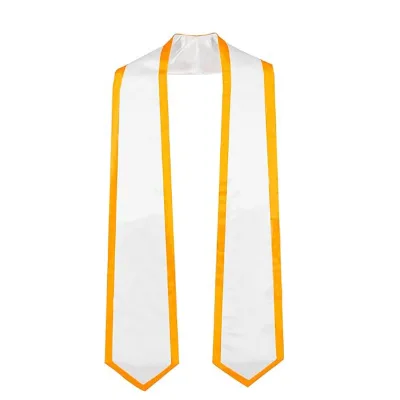
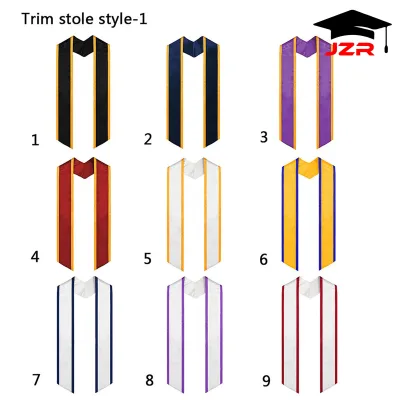



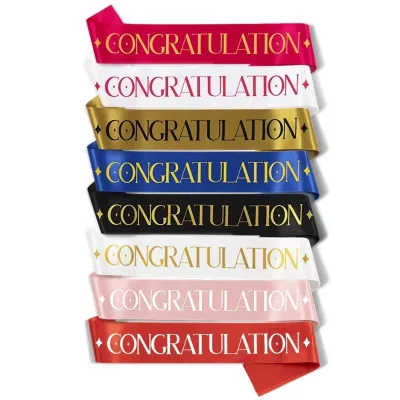
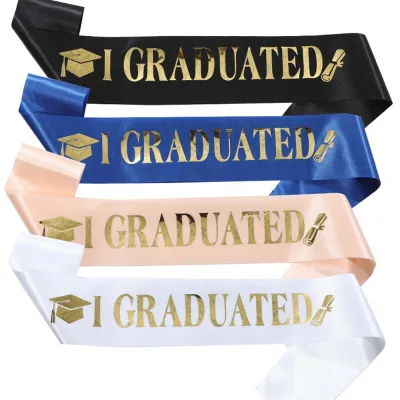


OEM/OEM China Factory Graduation Sash with Logo Custom Sashes for Students
$5.00 - $9.00
MOQ: 50 Pieces

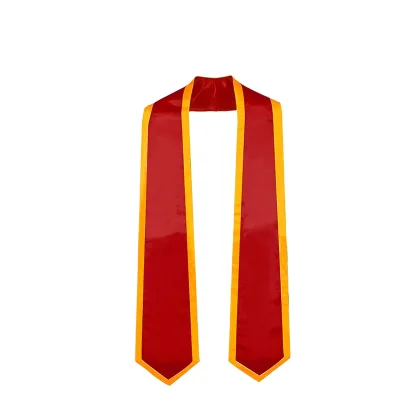



Comprehensive Sourcing Guide
Eco-Friendly Satin Graduation Sash Sourcing Guide
Procuring eco-friendly satin graduation sashes requires a nuanced understanding of material definitions and supply chain transparency. While the term "eco-friendly" is often used in marketing, buyers must verify specific material compositions to ensure environmental claims are substantiated. The observed product data indicates a prevalence of polyester and satin materials, which are synthetic fibers. Buyers should clarify whether these polyester variants are derived from recycled content or standard virgin polymers, as this distinction significantly impacts the sustainability profile of the final product.
Furthermore, the sourcing process must account for the customization capabilities that define this category. The available listings highlight options for custom logos, specific widths, and tailored sizes, which are critical for institutional branding. However, customization processes can introduce additional environmental footprints through chemical usage in printing or dyeing. Therefore, procurement teams should prioritize suppliers who disclose their manufacturing practices regarding water usage, energy consumption, and waste management during the customization phase to align with genuine eco-friendly objectives.
Product Scope and Observed Listing Signals
The current market landscape for graduation sashes reveals a diverse range of product attributes tailored to various institutional needs. Observed listings feature products with plaid patterns, printed designs, and single-face styles, indicating a broad scope of aesthetic options. The material composition predominantly includes polyester and satin, with specific mentions of "Polyester For Satin Sash," suggesting a focus on durability and a smooth finish. These materials are chosen for their ability to hold vibrant colors and withstand the rigors of graduation ceremonies, making them a staple in event decoration supplies.
In terms of physical specifications, the observed data points to a standard width of 100mm or 10cm, with some variations noted in length and packaging dimensions. The edge treatment is consistently described as non-wired or unwired, which simplifies the draping process and reduces the risk of injury during wear. Additionally, the presence of glitter decorations and specific color options like white, black, and blue highlights the demand for visually striking accessories. Buyers should note that while "eco-friendly" is a key search term, the actual product attributes often emphasize visual appeal and customization over explicit environmental certifications.
Technical Specifications to Verify
When evaluating technical specifications, the width and length of the sash are primary considerations for fit and presentation. The observed standard width of 100mm provides a balanced look for most graduates, but custom sizes are available to meet specific institutional requirements. Buyers must verify the exact dimensions requested, as discrepancies can lead to fitting issues during large-scale distribution. The material thickness and weave density also play a crucial role in the sash's drape and durability, so requesting physical samples is essential to assess the tactile quality and visual consistency of the satin finish.
Another critical technical aspect is the printing and customization method. The listings indicate both printed and woven techniques, each with distinct advantages regarding color fastness and texture. Printed sashes offer detailed graphic capabilities, while woven options may provide a more premium, textured feel. Buyers should confirm the ink types used in printing, particularly if eco-friendly claims are central to the procurement strategy. Verifying that low-VOC or water-based inks are used can help mitigate environmental concerns associated with traditional solvent-based printing processes, ensuring the final product aligns with sustainability goals.
Compliance and Safety Documentation
Safety compliance is paramount when sourcing items that come into direct contact with skin, such as graduation sashes. Buyers must ensure that all materials used, including the polyester fabric and any decorative elements like glitter, meet relevant safety standards for textile products. This includes verifying that the fabrics are free from harmful substances such as azo dyes, formaldehyde, and heavy metals. Although specific certification statuses are not explicitly detailed in the observed data, buyers should request test reports from accredited laboratories to confirm that the products comply with international safety regulations for consumer goods.
Additionally, the packaging materials used for shipping and storage should be evaluated for their environmental impact. The observed packing methods include rolls in cartons and individual polybags, which can contribute to plastic waste. Buyers should inquire about the recyclability or biodegradability of these packaging components. Opting for suppliers who use recycled cardboard for cartons and compostable polybags can significantly reduce the overall environmental footprint of the procurement. Clear documentation of these packaging choices is essential for maintaining transparency and supporting corporate sustainability reporting.
Cost Drivers and Commercial Terms
The cost of eco-friendly satin graduation sashes is influenced by several key factors, including material selection, customization complexity, and order volume. The observed MOQ ranges from 2 to 10,000 pieces, offering flexibility for both small-scale events and large institutional orders. Higher volumes typically result in lower per-unit costs due to economies of scale in production and shipping. However, the inclusion of custom logos and specific design elements can increase production time and cost, so buyers should budget accordingly for these personalized features.
Shipping and logistics also play a significant role in the total cost of ownership. The observed delivery options include DHL, UPS, FedEx, and sea freight, each with different cost and time implications. For urgent orders, air freight may be necessary, but it comes at a premium. Conversely, sea freight is more cost-effective for large, non-urgent shipments. Buyers should negotiate clear terms regarding shipping responsibilities, such as Incoterms, to avoid unexpected costs. Additionally, understanding the sample lead time, which is observed to be 5-7 days, can help in planning the procurement timeline effectively.
Supplier Qualification and Quality Control
Selecting a reliable supplier is crucial for ensuring consistent quality and adherence to eco-friendly claims. Buyers should conduct thorough due diligence on potential suppliers, verifying their manufacturing capabilities and quality control processes. The observed data indicates that suppliers are located in Zhejiang, China, a region known for its textile industry. Buyers should assess the supplier's experience in producing graduation sashes and their ability to handle custom orders efficiently. Requesting references or case studies from previous clients can provide insights into the supplier's reliability and performance.
Quality control measures should be implemented at various stages of production to minimize defects and ensure product consistency. Buyers should establish clear quality standards for color accuracy, print clarity, and material durability. Regular inspections, either through third-party agencies or internal teams, can help identify and rectify issues before shipment. Additionally, suppliers should be required to provide detailed production schedules and progress updates to maintain transparency. By prioritizing suppliers with robust quality control systems, buyers can reduce the risk of receiving substandard products and ensure a smooth procurement process.
Long-Term Procurement Checks
Establishing long-term relationships with suppliers requires ongoing monitoring and evaluation of performance metrics. Buyers should track key performance indicators such as on-time delivery rates, product defect rates, and responsiveness to issues. Regular feedback sessions with suppliers can help identify areas for improvement and foster a collaborative partnership. Additionally, buyers should periodically review the supplier's sustainability practices to ensure they continue to meet eco-friendly standards. This may include requesting updated test reports or conducting site visits to verify manufacturing conditions.
Furthermore, staying informed about industry trends and regulatory changes is essential for maintaining compliance and competitiveness. Buyers should monitor developments in sustainable materials and production techniques to identify opportunities for innovation and cost savings. Engaging with industry associations and participating in relevant forums can provide valuable insights and networking opportunities. By proactively managing supplier relationships and staying ahead of industry trends, buyers can ensure a resilient and sustainable procurement strategy for graduation sashes and other event supplies.
FAQs
What materials are used for the graduation sash?
The graduation sash is made from polyester or satin materials. Some products feature a single face design with a non-wired edge. These materials ensure durability and a smooth finish suitable for graduation ceremonies and school events.
Can I customize the logo on the sash?
Yes, logo customization is available for these graduation sashes. Buyers can request specific designs or text to be printed on the product. This service allows schools and organizations to create unique items for their specific graduation events.
What is the minimum order quantity for these sashes?
The minimum order quantity varies by product, ranging from 50 pieces to 2000 pieces. Some listings require 50 pieces while others may need 2000 pieces for graduation decorations. Buyers should check specific product pages for exact MOQ requirements.
How long does it take to receive a sample?
Sample preparation typically takes between five to seven days. This timeline allows for the creation of custom designs before bulk production begins. Buyers can request samples to verify quality and design accuracy before placing larger orders.
Which shipping methods are available for delivery?
Multiple shipping methods are available including DHL, UPS, FedEx, TNT, sea freight, truck, and railway. These options provide flexibility for different urgency levels and budget constraints. Buyers can select the most suitable method based on their specific delivery needs.
What sizes are available for the graduation sash?
Available sizes include 100mm width and dimensions like 160 by 9.5 centimeters. Custom sizes are also supported to meet specific requirements. The product is designed to fit adult users and can be tailored to various event specifications.
Where are these graduation sashes manufactured?
These products originate from Zhejiang, China. The manufacturing location ensures access to established textile production capabilities. Buyers can expect consistent quality and efficient logistics from this regional hub for graduation decoration supplies.