Source eco-friendly seagrass storage basket for Wedding, Picnic, Garden
Find 30 eco-friendly seagrass storage basket options featuring natural colors and classic styles. Buyers can compare customization, dimensions, and usage for storage, gifts, and decoration across various woven designs.
Key considerations
Products List


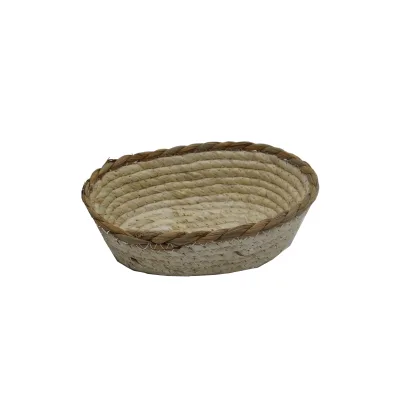
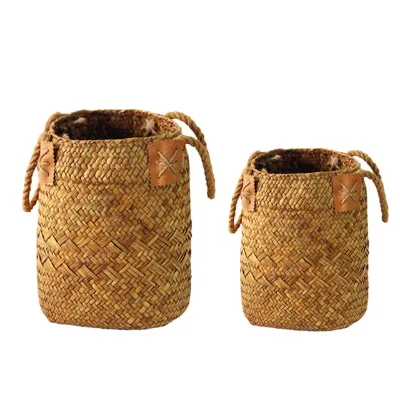
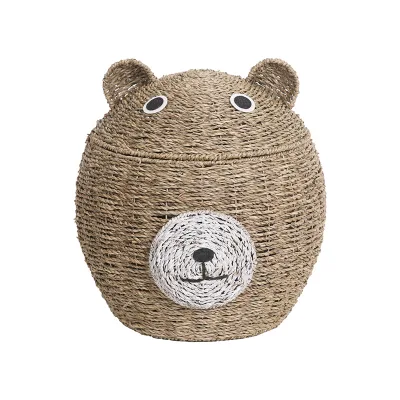
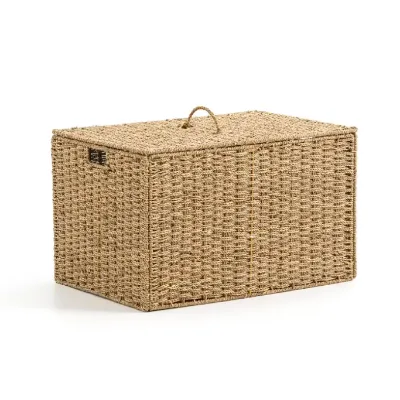
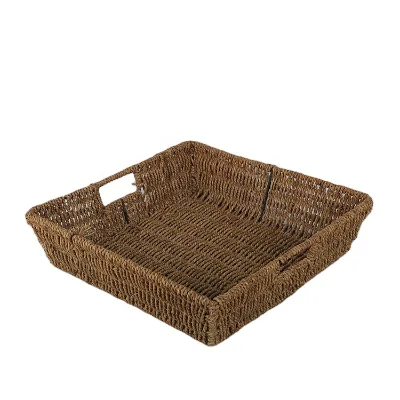
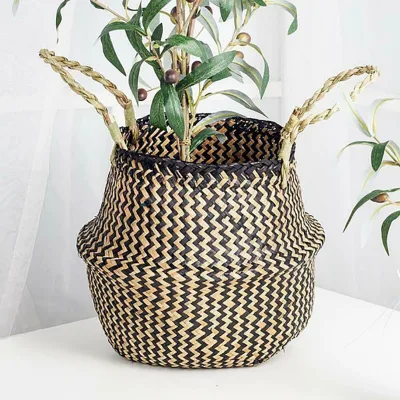
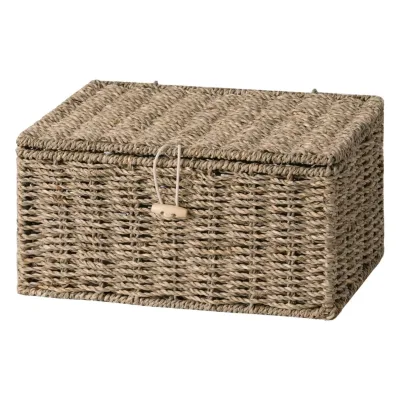
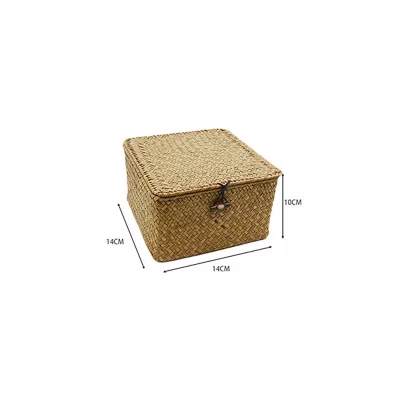
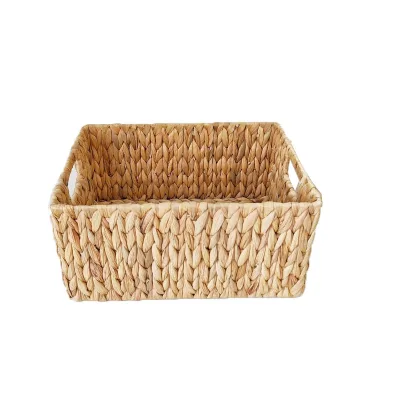
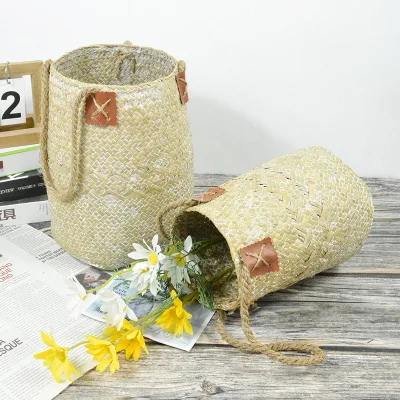


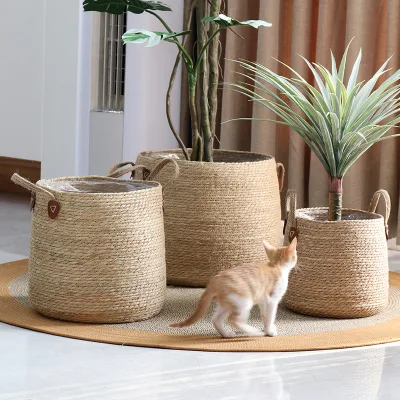
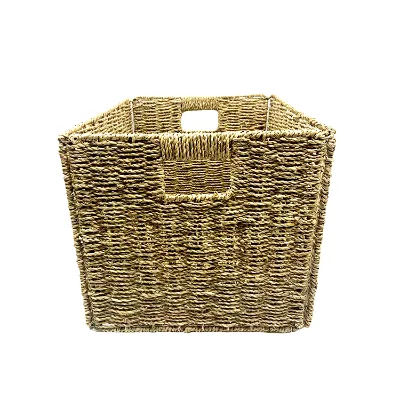
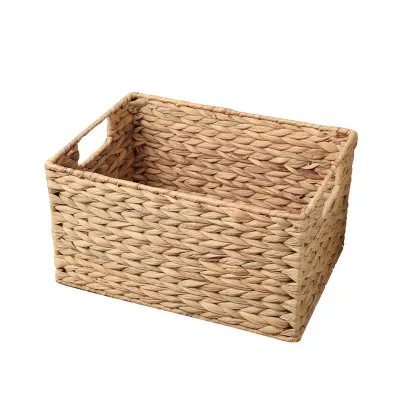
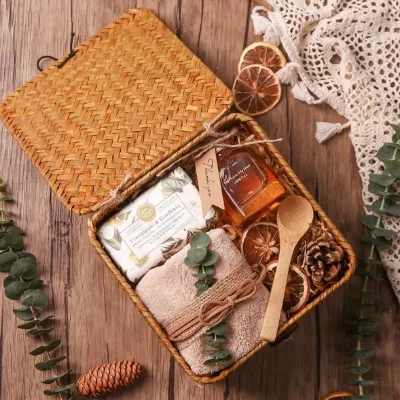


Factory Wholesale Canvas Storage Basket Clothes Seaweed Water Hyacinth Basket Storage Baskets
$10.49 - $10.89
MOQ: 200 Pieces

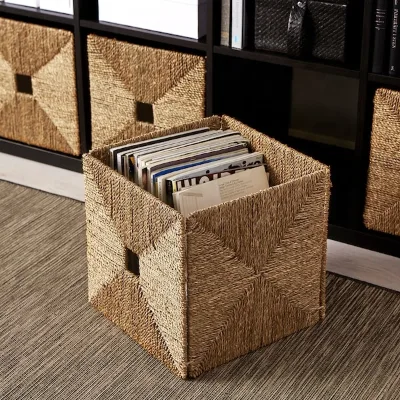
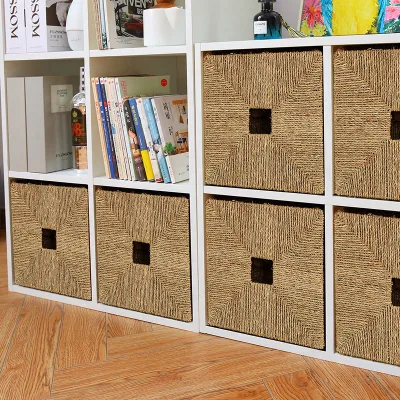
Best Selling Hand Woven Folding Seagrass Basket Handmade Square Storage Basket
$10.49 - $10.89
MOQ: 200 Pieces

Comprehensive Sourcing Guide
Eco-Friendly Seagrass Storage Basket Sourcing Guide
Sourcing eco-friendly seagrass storage baskets requires a nuanced understanding of natural fiber properties, manufacturing variability, and supply chain transparency. These products are increasingly popular for their sustainable appeal and aesthetic versatility, but they present unique challenges compared to synthetic alternatives. Buyers must navigate the inherent differences in raw material quality, such as variations in color, texture, and durability, which are dictated by the harvesting season and processing methods. This guide provides a structured approach to evaluating suppliers, verifying technical specifications, and managing commercial risks associated with natural fiber products.
The procurement process for these items is heavily influenced by customization capabilities and minimum order quantities (MOQs). Many manufacturers offer flexible design options, including custom sizes, colors, and branding, which can enhance brand identity but also complicate quality control. Understanding the baseline specifications observed in the market, such as typical dimensions and material compositions, allows buyers to set realistic expectations and negotiate effectively. This guide focuses on evidence-based verification steps to ensure that the final product meets both functional requirements and sustainability claims.
Product Scope and Observed Listing Signals
The market for seagrass storage baskets encompasses a wide range of applications, from household organization to commercial retail displays. Observed listings indicate that these baskets are commonly used for storing sundries, apparel, books, bedding, tableware, and shoes. The versatility of the material allows for use in various settings, including homes, offices, and retail environments. Buyers should consider the specific storage needs of their target audience, as the basket’s size, shape, and durability will directly impact its suitability for different use cases.
Material composition is a critical factor in defining product scope. While seagrass is a primary material, many products also incorporate willow, water hyacinth, or corn husk blends. These materials often feature a natural color palette and a classic or countryside style, appealing to consumers seeking an organic aesthetic. Some listings highlight features such as eco-friendly production, durable handles, and folding capabilities, which add functional value. Buyers must carefully review product descriptions to confirm the exact material mix, as this affects both the product’s appearance and its longevity.
Technical Specifications to Verify
Dimensional accuracy is a key technical specification that requires rigorous verification. Observed standard sizes include dimensions such as 251510 cm, 21"X17"X16.5", and 1492 inches, with some products offering customizable sizes. Buyers should request detailed technical drawings or physical samples to confirm that the baskets meet their specific spatial requirements. Tolerances for dimensions are typically tight, with some suppliers claiming a tolerance of less than ±1mm, but this should be validated through independent measurement upon receipt.
Construction quality and finishing details are equally important. Products often feature polished surfaces, woven wicker patterns, and lined interiors to enhance durability and aesthetics. The presence of handles, folding mechanisms, and specific shapes (e.g., rectangular) should be verified against the product’s intended use. Buyers should also check for consistency in weaving density and stitch quality, as these factors influence the basket’s structural integrity. Requesting high-resolution images or video demonstrations of the product’s construction can help identify potential weaknesses before placing a large order.
Compliance and Safety Documentation
While specific certifications like CE were observed in some listings, buyers should not assume that all seagrass baskets automatically comply with international safety standards. It is essential to request documentation from suppliers to verify compliance with relevant regulations, such as REACH for chemical safety or flammability standards for textile products. Buyers should inquire about the sourcing of raw materials and the manufacturing processes to ensure that no harmful chemicals were used in treatment or dyeing.
Transparency in supply chain practices is another critical aspect of compliance. Buyers should ask for information on the origin of the seagrass and other materials, as well as the labor conditions in the manufacturing facilities. Ethical sourcing is increasingly important to consumers and regulators, and suppliers who can provide evidence of fair labor practices and sustainable harvesting methods will have a competitive advantage. Buyers should also verify that the products meet any specific labeling requirements in their target markets, such as fiber content disclosures or country of origin markings.
Cost Drivers and Commercial Terms
Pricing for seagrass storage baskets varies significantly based on material quality, customization level, and order volume. Observed price ranges in the market span from $0.33 to $15.78 per unit, reflecting the diversity of products available. MOQs typically range from 2 to 1000 pieces, with many suppliers setting a baseline MOQ of 200 pieces. Buyers should negotiate pricing based on their expected order volume and consider the cost implications of customization, such as custom packaging or branding.
Payment terms and sample policies are also important commercial considerations. Some suppliers offer one free sample, while others charge for samples with a lead time of 5-7 working days. Buyers should clarify the sample policy and ensure that the sample reflects the final product’s quality. Payment terms should be negotiated to balance risk and cash flow, with options such as partial upfront payment and balance upon shipment being common. Buyers should also confirm the shipping method and packaging details, as these can impact the overall cost and product condition upon arrival.
Supplier Qualification and Quality Control
Supplier qualification is a critical step in ensuring a reliable supply chain. Buyers should conduct due diligence on potential suppliers, including verifying their business licenses, production capacity, and quality management systems. Suppliers with a strong reputation for producing high-quality seagrass products and a history of successful exports are preferable. Buyers should also assess the supplier’s ability to handle customization requests and their responsiveness to communication.
Quality control measures should be implemented throughout the production process. Buyers should request pre-production samples for approval and conduct in-process inspections to monitor weaving quality and finishing details. Upon completion, a final random inspection should be performed to verify that the products meet the agreed-upon specifications. Buyers should also establish a clear process for handling defects or non-conforming products, including return policies and compensation terms. Regular communication with the supplier and periodic audits can help maintain consistent quality over time.
Long-Term Procurement Checks
Long-term procurement success depends on continuous monitoring and relationship management. Buyers should establish key performance indicators (KPIs) to track supplier performance, including on-time delivery rates, product quality metrics, and responsiveness to issues. Regular reviews of these metrics can help identify areas for improvement and strengthen the partnership. Buyers should also stay informed about market trends and changes in raw material availability, which can impact pricing and lead times.
Sustainability and ethical sourcing should remain a priority in long-term procurement. Buyers should periodically re-evaluate their suppliers’ practices to ensure ongoing compliance with environmental and social standards. Engaging in collaborative improvement initiatives with suppliers can help drive innovation and efficiency in the supply chain. By maintaining a proactive approach to supplier management, buyers can mitigate risks and secure a reliable supply of high-quality seagrass storage baskets for their business needs.
FAQs
What materials are used for these storage baskets?
The baskets are crafted from sea grass, willow, and water hyacinth. Some models also incorporate corn husk and water grass. These natural materials ensure the products are eco-friendly and suitable for various storage needs.
Can I customize the size and color of the baskets?
Yes, customization is available for both size and color. You can request specific dimensions or choose from natural colors. The products support customized designs to meet your unique branding or functional requirements.
What is the minimum order quantity for these items?
The minimum order quantity is typically 200 pieces. Some listings indicate a range from 2 to 1000 pieces depending on the specific model. Please verify the exact MOQ for your selected product model before placing an order.
Are samples available for these woven storage baskets?
Free samples are available, with options for one free piece or one free sample per order. The sample time usually takes 5 to 7 working days. This allows you to verify quality before committing to a larger purchase.
How are these baskets packaged for shipping?
Packaging options include carton shipping or one piece per bag with ten pieces per carton. Customized packaging is also acceptable for specific needs. The single package size varies by model, such as 21.5 by 17 by 8.5 centimeters.
Where are these storage baskets manufactured?
These products originate from China, specifically from the Shandong region. The manufacturing location ensures access to high-quality natural materials like sea grass and willow. All listed items are produced in this designated area.
What features make these baskets durable and functional?
The baskets feature durable handles and are often 100% handmade. They are designed to be eco-friendly and multi-functional, saving space while storing sundries, apparel, or food. Polishing surface treatment enhances their finish and longevity.