Source Eco-Friendly Shrink-Resistant Denim Fabric for Bags Caps Curtains
Find 30 listings of Eco-Friendly Shrink-Resistant Denim Fabric from Chinese manufacturers. Buyers can compare specifications like weight, width, and yarn thickness for uses in bags, caps, and curtains.
Key considerations
Products List

$2.10
MOQ: 5000 Meters


$1.60 - $2.15
MOQ: 5000 Meters

$1.60 - $2.15
MOQ: 5000 Meters


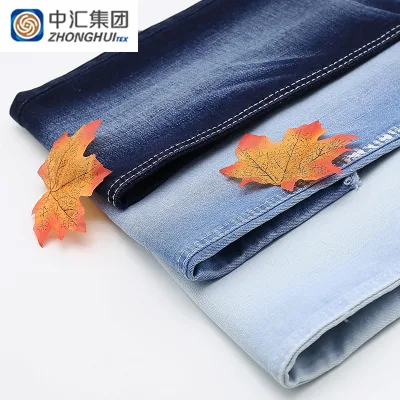
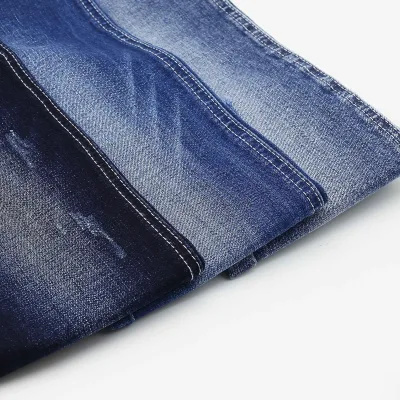
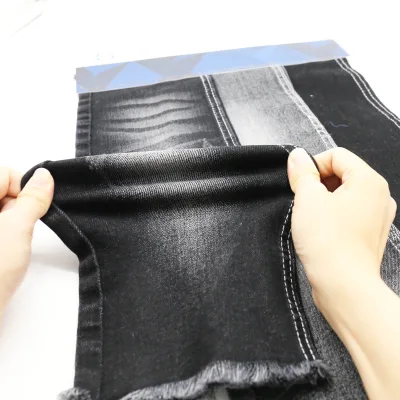


Best-Selling 32s*32s 3/1 Twill Lightweight Woven Denim Fabric for Clothing
$1.75 - $1.82
MOQ: 1000 Meters


Comprehensive Sourcing Guide
Strategic Sourcing Guide for Eco-Friendly Shrink-Resistant Denim Fabric
Understanding the Technical Landscape of Modern Denim
Sourcing high-performance denim fabric requires a deep dive into the specific technical attributes that define quality and functionality. The core keyword, "eco-friendly shrink-resistant denim fabric," points to a specialized segment where material composition, weaving techniques, and chemical treatments intersect. Based on current market observations, the foundational material for these fabrics is predominantly 100% cotton. This natural fiber choice is critical for breathability and biodegradability, aligning with the "eco-friendly" aspect of the procurement goal. However, the structural integrity of the fabric is determined by the weaving method. The industry standard for this category includes woven techniques, specifically utilizing a twill style which creates the characteristic diagonal ribbing associated with denim.
The density and weight of the fabric are primary indicators of its suitability for various end-uses. Market data indicates a wide range of weight specifications, typically spanning from 200 GSM to 450 GSM. Lighter weights around 200-340 GSM are often associated with models like ATA-G0504, while heavier, more durable variants reach 340-450 GSM, such as those found in model ATA-G0502. The yarn thickness also varies significantly, with observations ranging from 7×6 to 12×12 configurations. These variations directly impact the fabric's drape, durability, and final application. For instance, a 10×10 yarn thickness offers a balanced approach, whereas a 12×12 configuration suggests a heavier, more robust textile.
Furthermore, the dyeing process is a defining characteristic. The "shrink-resistant" claim is often paired with specific dye types, such as Ultra-Indigo Dyed Denim or Slub Denim. The color palette observed includes Bromine Indigo and Sulphur Black, indicating a reliance on specific chemical processes to achieve the desired aesthetic. The pattern is consistently yarn-dyed, a traditional method where threads are dyed before weaving, ensuring colorfastness and depth. Buyers must verify that the specific fabric they select matches the required width, which typically ranges from 52 inches to 68 inches, or 60"/67" in standard configurations. Understanding these technical baselines is essential before engaging with suppliers, as the "eco-friendly" label must be substantiated by the actual material and processing data provided.
Compliance Verification and Certification Standards
When sourcing eco-friendly textiles, the verification of compliance and certification is paramount. The term "eco-friendly" is often used loosely in marketing, making it imperative for buyers to demand concrete evidence of environmental standards. While some background information suggests the existence of certifications like GOTS (Global Organic Textile Standard), this should be treated as a background possibility rather than a guaranteed attribute of every listed product. Buyers must explicitly request current, valid certification documents from suppliers to confirm that the cotton used is organic and that the dyeing and finishing processes meet strict environmental criteria.
In addition to organic certifications, product standards play a crucial role in defining quality. Some suppliers list their products against specific standards, such as SGS, which indicates that the material has undergone third-party testing for safety and quality. The presence of a "100% cotton" standard claim is a baseline expectation, but it must be verified through lab reports. Buyers should also look for specific performance standards related to the "shrink-resistant" feature. This attribute is not merely a marketing term; it requires verification through standardized shrinkage tests. The observed data mentions "Shrink-Resistant" as a key feature, but the exact percentage of shrinkage reduction should be confirmed against industry benchmarks, typically aiming for less than 3% after washing.
Other performance features often bundled with eco-friendly denim include anti-static, waterproof, anti-UV, and tear-resistant properties. These are observed in specific product models, such as those with the model name COLOM-02 or ATA-G0508. However, the presence of these features does not automatically imply eco-friendliness. A fabric can be waterproof and shrink-resistant yet rely on harmful chemical coatings. Therefore, the compliance check must be two-fold: first, verifying the environmental impact of the chemicals used (e.g., low-impact dyes, non-toxic finishes), and second, confirming the durability and safety of the final product through recognized testing bodies. Buyers should insist on a material safety data sheet (MSDS) and a test report that specifically addresses the eco-friendly claims, ensuring that the "green" label is backed by rigorous, third-party validation rather than self-declared assertions.
Cost Drivers and Pricing Dynamics in Denim Procurement
The cost of sourcing eco-friendly shrink-resistant denim is influenced by a complex interplay of material costs, production complexity, and order volume. The observed price range in the market spans from $1 to $5.80 per unit, but this variance is heavily dependent on the specific model, weight, and feature set of the fabric. Heavier fabrics with higher GSM ratings, such as the 340-450 GSM variants, generally command higher prices due to the increased raw material consumption. Similarly, fabrics with advanced functional treatments like waterproofing, anti-UV, or anti-static properties will incur higher costs compared to standard shrink-resistant denim.
Order volume is another critical cost driver. The Minimum Order Quantity (MOQ) for these products typically ranges from 1,000 to 10,000 units, with a specific observation of 5,000 meters being a common threshold. Suppliers often operate on a Make-to-Order (MTO) basis, which can affect pricing flexibility. Smaller orders may result in higher per-unit costs due to the setup time and resource allocation required for custom runs. Conversely, larger orders that meet or exceed the MOQ can leverage economies of scale to reduce the unit price. Buyers should also consider the supply type; MTO arrangements may offer more customization but could involve longer lead times, which indirectly impacts the total cost of ownership if production delays occur.
The origin of the fabric also plays a role in pricing. Products originating from regions like Zhejiang and Jiangsu in China are prevalent in the market. While these regions offer competitive manufacturing costs, logistics and shipping fees can add to the final landed cost. Additionally, the packaging method, whether in rolls or bales, and specific packing requirements (e.g., 50m/roll with plastic bag protection) can influence the overall cost. Buyers must factor in these logistical details when budgeting. It is essential to request a detailed breakdown of costs, including raw material, processing, and logistics, to understand the true cost drivers. This transparency helps in negotiating better terms and ensuring that the "eco-friendly" premium is justified by tangible value rather than inflated pricing.
Typical Applications and End-Use Suitability
The versatility of eco-friendly shrink-resistant denim makes it suitable for a wide array of applications, ranging from apparel to accessories. The observed usage data highlights specific end-uses including bags, caps, curtains, dresses, and general garments. The selection of the appropriate fabric grade depends heavily on the intended application. For instance, heavier denim with a weight of 340-450 GSM and a 12×12 yarn thickness is ideal for durable goods like bags and heavy-duty garments that require high tensile strength and wear resistance. These fabrics often feature tear-resistant properties, making them suitable for products that undergo significant stress.
On the other hand, lighter denim, such as the 200-340 GSM range with a 10×10 yarn thickness, is better suited for dresses and lighter garments where drape and comfort are prioritized. The shrink-resistant feature is particularly valuable in garment manufacturing, as it ensures that the final product maintains its size and shape after washing, reducing waste and returns. For curtains and home textiles, the anti-static and UV-resistant properties observed in certain models become crucial. These features enhance the longevity of the fabric in indoor environments and protect against fading from sunlight exposure.
The age group and gender specifications also guide application. While some denim is designed for adults and is unisex, the specific cut and style (e.g., "Loose" model) may influence its suitability for different demographics. Buyers should match the fabric's technical specifications to the product requirements. For example, a cap manufacturer might prioritize a specific width and weight to ensure the fabric holds its shape, while a dressmaker might focus on the softness and drape of the 100% cotton material. Understanding these nuances ensures that the selected fabric not only meets the aesthetic and functional requirements but also aligns with the sustainability goals of the brand.
Supplier Evaluation and Selection Criteria
Selecting the right supplier is a critical step in the procurement process, especially when dealing with specialized fabrics like eco-friendly denim. Buyers should evaluate suppliers based on their ability to meet the specific technical and compliance requirements outlined in the sourcing guide. Key evaluation criteria include the supplier's production capacity, quality control processes, and commitment to sustainability. The observation that many products originate from Zhejiang and Jiangsu suggests a concentration of manufacturing expertise in these regions, but buyers should verify the specific capabilities of each supplier.
One of the primary indicators of a reliable supplier is their transparency regarding product specifications. Suppliers should be willing to provide detailed information on yarn thickness, weight, width, and dyeing processes. The presence of specific model numbers, such as ATA-G0504 or COLOM-02, suggests a standardized production line, which can be a positive sign of consistency. However, buyers must ensure that the supplier can deliver the exact specifications required, as variations in yarn thickness or weight can significantly impact the final product. Additionally, the supplier's ability to handle Make-to-Order requests is crucial for buyers seeking customization.
Quality control is another vital aspect of supplier evaluation. Buyers should inquire about the supplier's internal testing protocols and their history of passing third-party audits. The mention of SGS standards in some product listings indicates a commitment to quality, but buyers should verify the scope of these certifications. A reliable supplier will have a robust quality assurance system in place, ensuring that every batch of fabric meets the required standards for shrinkage, colorfastness, and durability. Furthermore, the supplier's lead time and delivery reliability should be assessed, as delays can disrupt the entire production schedule. A supplier with a track record of meeting the 25-35 day delivery window is preferable, but buyers should confirm this based on their specific order volume and customization needs.
Quality Control and Long-Term Procurement Strategies
Implementing a rigorous quality control (QC) strategy is essential for maintaining the integrity of eco-friendly shrink-resistant denim fabric throughout the procurement lifecycle. Buyers should establish clear QC checkpoints at various stages, from raw material inspection to final product testing. The first checkpoint should focus on verifying the 100% cotton claim and the absence of harmful substances. This can be achieved through lab testing for fiber content and chemical residues. Subsequent checks should focus on the physical properties of the fabric, such as weight, width, and yarn thickness, ensuring they match the ordered specifications.
Testing for the "shrink-resistant" feature is a critical QC step. Buyers should require shrinkage test reports that demonstrate the fabric's performance after multiple wash cycles. The target should be minimal shrinkage, typically under 3%, to ensure the final product maintains its dimensions. Additionally, tests for tear resistance, colorfastness, and the efficacy of any added features like anti-static or waterproof coatings should be conducted. These tests should be performed by independent, accredited laboratories to ensure unbiased results.
Long-term procurement strategies should focus on building strong relationships with suppliers who demonstrate a commitment to continuous improvement and sustainability. Buyers should look for suppliers who are willing to collaborate on developing new eco-friendly technologies and improving existing processes. This collaboration can lead to cost savings and enhanced product quality over time. Establishing a long-term partnership also allows for better planning and inventory management, reducing the risk of supply chain disruptions. Buyers should also consider the environmental impact of the entire supply chain, from raw material sourcing to end-of-life disposal, ensuring that the "eco-friendly" promise is upheld at every stage. By integrating these quality control measures and long-term strategies, buyers can secure a reliable supply of high-quality, sustainable denim fabric that meets both current and future market demands.
FAQs
What material composition is used for this eco-friendly denim fabric?
The fabric is made from 100% cotton to ensure breathability and biodegradability. This natural fiber choice aligns with eco-friendly goals while providing the structural integrity required for durable garments and accessories.
How is the fabric constructed to achieve shrink resistance?
The fabric utilizes a woven twill technique that provides a diagonal ribbing characteristic of denim. This construction, combined with specific dyeing processes, ensures the material remains stable and resistant to shrinking during washing.
Which weight range is available for heavy-duty applications like bags?
Heavier variants ranging from 340 to 450 GSM are available for durable goods like bags and heavy garments. These models often feature tear-resistant properties to withstand significant stress and wear in demanding environments.
Can I customize the order based on specific production needs?
Yes, customization is available through a Make-to-Order supply type. This allows buyers to specify requirements while meeting a minimum order quantity of 5,000 meters for the selected fabric models.
What are the typical lead times for delivery of these fabrics?
Delivery typically takes between 25 and 35 days after the order is confirmed. This timeline accounts for the production process and ensures the fabric meets the required specifications before shipping from the origin.
Which certifications verify the quality and safety of the product?
Some products adhere to SGS standards indicating third-party testing for safety and quality. Buyers should request specific test reports to confirm that the shrink-resistant and eco-friendly claims meet industry benchmarks.
How does the yarn thickness affect the final fabric performance?
Yarn thickness varies from 7×6 to 12×12, directly impacting the fabric's drape and durability. Thicker configurations like 12×12 suggest a heavier, more robust textile suitable for heavy-duty applications compared to lighter weaves.