Source eco-friendly tear away embroidery stabilizer for shirts, linings, and garments
Compare 30 verified options for eco-friendly tear away embroidery stabilizer suitable for shirts, clothing linings, and garment interlinings. Buyers can evaluate woven and nonwoven varieties with customizable sizes and adhesive features from Jiangsu suppliers.
Key considerations
Products List
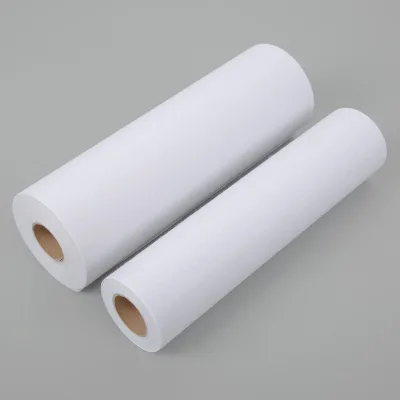
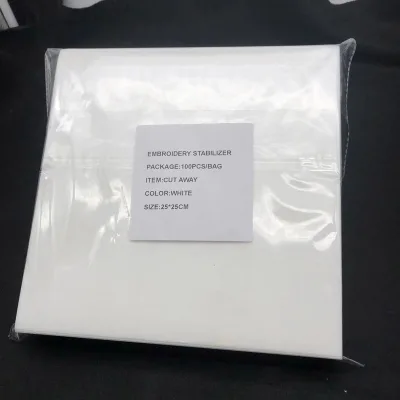
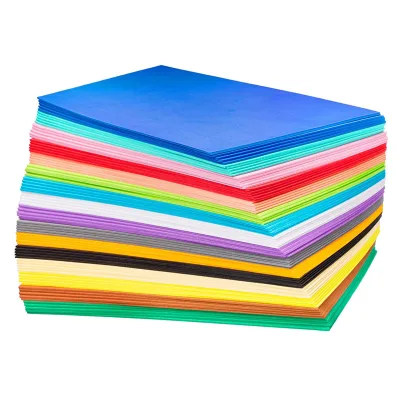
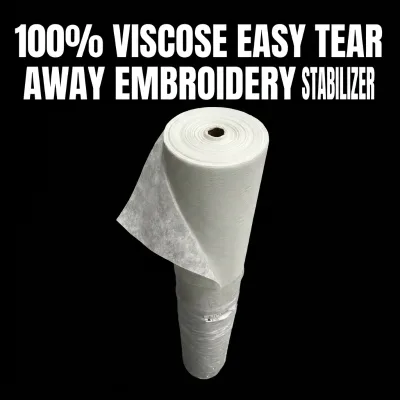
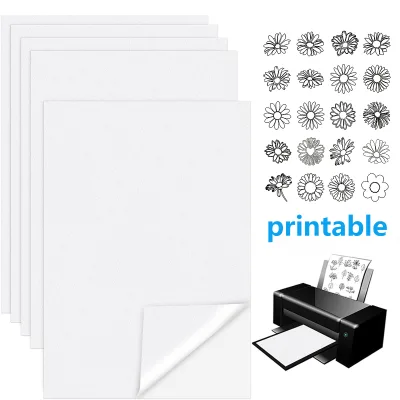
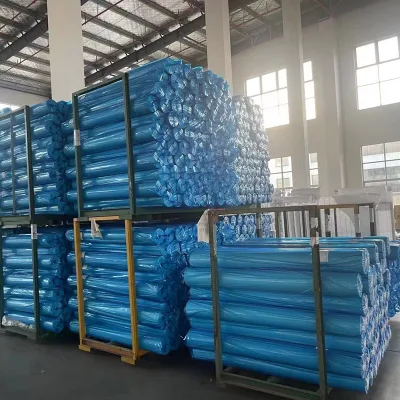
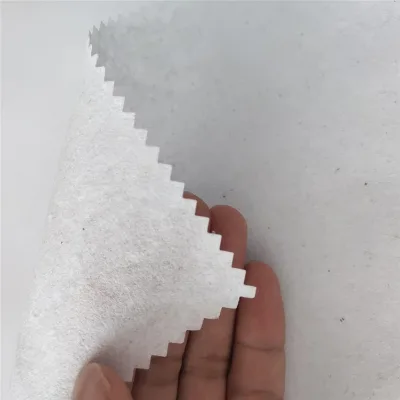
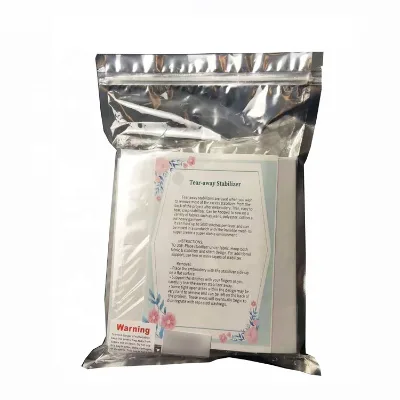
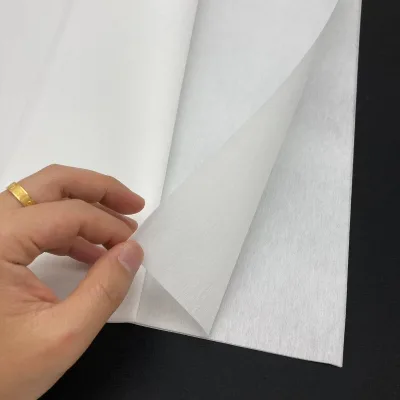
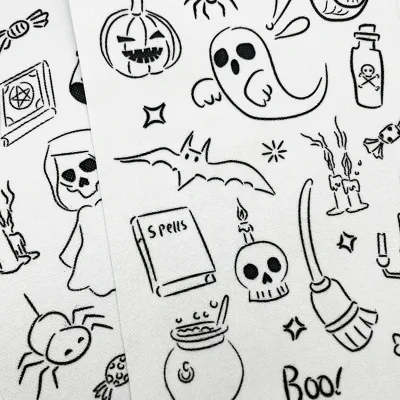
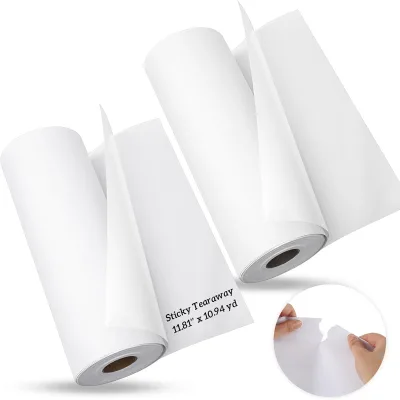
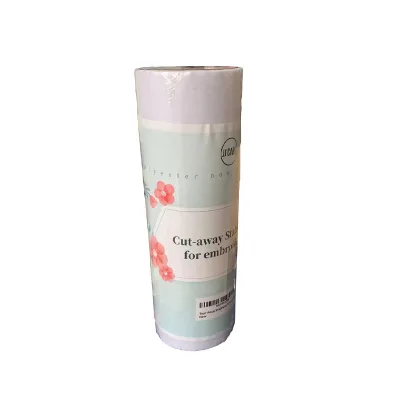


Machine Embroidery Design 15 Needle Stabilizer for Embroidery Machine
$3899.00 - $4499.00
MOQ: 1 Pieces


Comprehensive Sourcing Guide
Strategic Sourcing Guide for Eco-Friendly Tear Away Embroidery Stabilizers
Understanding Product Attributes and Material Composition
When sourcing eco-friendly tear-away embroidery stabilizers, buyers must first distinguish between the various material compositions available in the market, as these directly influence performance and environmental impact. The supplied product data indicates a diverse range of materials, including 100% Cotton, 100% Polyester, and EVA (Ethylene Vinyl Acetate). For a buyer specifically seeking eco-friendly options, 100% Cotton presents a compelling profile due to its natural origin, whereas 100% Polyester and EVA are synthetic. The data highlights that cotton-based products often carry a composition of "Cottom" (Cotton) and are associated with a weight range of 19gsm to 150gsm, classified as medium soft. In contrast, polyester-based stabilizers, such as the "cut Away Machine Embroidery Stabilizer Backing," are listed with a composition of "ployster 100%" and a weight of 3OZ.
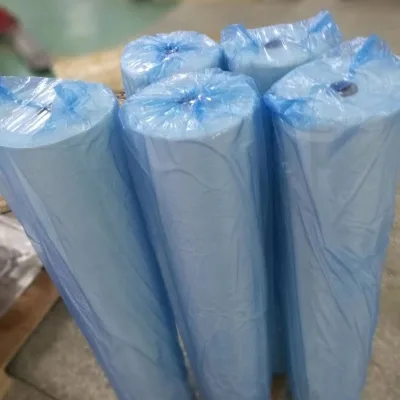
The technical construction of these stabilizers varies significantly. The observed data lists both "Woven" and "NONWOVEN" techniques. Woven structures, often found in cotton-based interlinings, provide a different tear-away characteristic compared to nonwoven polyester sheets. The width specifications also vary, with observations ranging from 112cm to 150cm, or even "SMALL ROLL/SHEET" formats depending on the specific product type. Buyers must verify that the selected material aligns with the "Tear Away" requirement, as some products listed, such as the "cut Away" variety, are designed for permanent removal rather than temporary tearing. The "Handfeeling" attribute ranges from "middle" to "HARD," which is a critical factor for the final drape and feel of the garment or embroidery piece. Understanding these baseline attributes is the first step in filtering the market for products that meet specific eco-friendly criteria without compromising on the necessary structural integrity for embroidery applications.
Technical Specifications and Functional Performance
The functional performance of an embroidery stabilizer is dictated by its physical specifications and technical features. The data reveals that product types include "Interlinings & Linings," "Embroidery Stabilizer," and "embroidery foam." A key differentiator is the "Feature" attribute, where some products are listed as "Adhesive, Fusible," while others are marked simply as "Other." For a standard tear-away stabilizer, the absence of adhesive is typically preferred to ensure clean removal without residue, though fusible options exist for specific bonding needs. The "Fabric Type" is noted as "plain" or "embroider," indicating the surface texture intended for needle penetration.
Weight and density are paramount for stability during the stitching process. The observed weight range spans from 19gsm to 150gsm for cotton variants, while polyester options are quantified in ounces (3OZ). The "Type" attribute describes the texture as "Medium Soft," which suggests a balance between rigidity for support and flexibility for handling. The "Color" options are predominantly "White" or "White,white sheet," which is standard for visibility during the embroidery process, though "Black" and "COLOR" options are also available in the dataset. The "Single package size" varies from compact 10X10X2 cm units to larger 30X15X30 cm rolls, influencing how the product is stored and shipped. Buyers must ensure that the "Width" (112cm, 150cm, or custom) matches their embroidery machine bed size to minimize waste. Furthermore, the "Size" is often listed as "Customrized" or "Customized Size," offering flexibility for specialized projects. The "Application" is broadly defined as "Garment Interlininig" or "Embroidery Backing," confirming the product's role in supporting the fabric during the high-speed stitching of complex designs.
Compliance, Certification, and Environmental Verification
Verifying the environmental claims of a stabilizer requires a rigorous check of certifications and compliance standards. The provided data includes a specific certification entry: "CNAS." This indicates that at least some suppliers in the dataset have undergone testing or validation by the China National Accreditation Service for Conformity Assessment. However, CNAS is a general accreditation body and does not inherently confirm "eco-friendly" status, biodegradability, or organic certification on its own. Buyers must not assume that a product with a CNAS label is automatically sustainable; rather, this certification serves as a baseline for quality management or testing capability.
The term "eco-friendly" in the context of embroidery stabilizers often refers to the material's biodegradability or the manufacturing process's reduction of hazardous chemicals. While the data lists "100% Cotton" and "100% Polyester," the environmental footprint differs significantly. Cotton is generally considered more biodegradable, whereas polyester is a petroleum-based plastic. The data does not explicitly state biodegradability rates or specific eco-standards like GOTS (Global Organic Textile Standard) or OEKO-TEX. Therefore, buyers must actively request documentation regarding the chemical composition, dyeing processes, and end-of-life disposal methods. The "Composition" field lists "Cottom" and "ployster 100%," but lacks details on additives or coatings that might hinder eco-friendly disposal. Procurement teams should verify if the "Adhesive" or "Fusible" features mentioned in the product features involve toxic glues that could compromise the eco-friendly claim. Without explicit data on organic certification or biodegradability percentages, the buyer must treat "eco-friendly" as a claim requiring third-party verification rather than an inherent attribute of the listed products.
Cost Drivers and Economic Considerations
The economic landscape for sourcing embroidery stabilizers is influenced by several distinct cost drivers, including material type, order volume, and packaging. The observed price range in the dataset is exceptionally wide, spanning from $0.08 to $43,676.47. This vast disparity suggests that the lower end likely represents small sample units or single-item purchases, while the higher end reflects bulk industrial orders or specialized custom configurations. The "Selling Units" are listed as "Single item," which implies that pricing structures may vary significantly between sampling and full-scale procurement.
Minimum Order Quantity (MOQ) is a critical factor in determining unit cost. The data shows an MOQ range from 1 to 20,000, with specific entries noting 1000meter, 1000unit, and 1000pcs. This variability indicates that suppliers have different thresholds for production runs. For eco-friendly cotton stabilizers, the MOQ might be higher due to the specialized nature of the material compared to standard polyester. The "Weight" of the product, ranging from 19gsm to 150gsm or 3OZ, directly impacts shipping costs, as heavier rolls incur higher freight charges. Additionally, the "Single gross weight" of packages (0.5 kg to 1.0 kg) and the "Single package size" (ranging from 10x10x2 cm to 30x30x3 cm) affect logistics efficiency. Buyers should calculate the total landed cost, including freight and duties, rather than focusing solely on the unit price. The "Lead time" for samples is noted as "7 days," while general production lead times are listed as "5-8 Days" or "Support" for sample orders. These timelines can fluctuate based on order volume and customization requirements, impacting the overall supply chain efficiency and inventory holding costs.
Typical Applications and Industry Use Cases
The versatility of embroidery stabilizers is evident in the diverse applications listed in the product data. The "Usage" field identifies "Clothing Lining," "Embroidery," and "Embroidery Backing" as primary functions. This indicates that these products are integral to the garment industry, specifically for stabilizing fabric during the embroidery process to prevent puckering or distortion. The "Application" is further specified as "Garment Interlininig," suggesting use in collars, cuffs, and other structured areas of apparel where stability is crucial.
The "Product Type" classification includes "Interlinings & Linings" and "Embroidery foam," highlighting that these stabilizers serve not only as temporary supports but also as permanent structural components in some cases. For instance, the "embroidery foam" with a "HARD Handfeeing" is likely used for creating raised, 3D effects in decorative embroidery, common in logos and patches. The "Fabric Type" being "plain" or "embroider" suggests suitability for a wide range of base fabrics, from delicate silks to heavy denim. The "Color" options, primarily white, ensure that the stabilizer does not show through light-colored fabrics, while black options may be used for dark fabric applications. The "Model Number" such as "white cut away Embroidery Stabilizer" points to specific use cases where the stabilizer is designed to be completely removed after stitching, leaving no residue. Understanding these applications helps buyers select the correct weight and tear-away strength; for example, a "Medium Soft" type might be ideal for light garments, while a "HARD" type is necessary for heavy-duty industrial embroidery.
Supplier Evaluation and Quality Control Protocols
Evaluating suppliers for eco-friendly stabilizers requires a multi-faceted approach focusing on consistency, transparency, and quality assurance. The data lists "Brand Name" as "supertony" or "SupperTony," indicating that brand consistency is a factor, though buyers should verify if this is a consistent brand across all product lines or a generic listing. The "Place of Origin" is consistently "Jiangsu, China," a major textile hub, which implies a mature supply chain but also necessitates careful due diligence regarding local environmental regulations.
Quality control should begin with verifying the "Certification" status. While "CNAS" is present, buyers must ensure it covers the specific eco-friendly claims. The "Feature" attribute, such as "Adhesive" or "Fusible," requires testing to ensure the adhesive does not degrade or leave residue upon removal. The "Handfeeling" attribute, ranging from "middle" to "HARD," should be physically verified against the product sample to ensure it matches the intended application. The "Weight" consistency is another critical quality metric; deviations from the stated 19gsm-150gsm range could indicate production inconsistencies. Buyers should also inspect the "Packing" method, listed as "Roll," to ensure the product is protected during transit and maintains its shape. The "Single gross weight" and "Single package size" should be verified to confirm that the packaging matches the supplier's specifications, preventing shipping disputes. Finally, the "Lead time" reliability, noted as "7 days sample order lead time" or "5-8 Days," must be validated through historical performance data to ensure the supplier can meet production deadlines consistently.
Long-Term Procurement and Supply Chain Resilience
Sourcing eco-friendly embroidery stabilizers is not merely a transactional activity but a strategic long-term initiative that requires building resilient supply chains. The variability in "MOQ" (1 to 20,000) and "Lead time" (5-8 Days to 7 days for samples) suggests that buyers should diversify their supplier base to mitigate risks associated with single-source dependency. The "Size" being "Customrized" offers an opportunity for long-term partnerships where suppliers can tailor products to specific buyer needs, reducing waste and improving efficiency.
Buyers should consider the "Composition" and "Material" longevity. While 100% Cotton is eco-friendly, its availability and price stability can fluctuate based on agricultural conditions. Conversely, 100% Polyester offers consistency but raises environmental concerns. A balanced procurement strategy might involve a mix of materials depending on the specific project requirements. The "Feature" of being "Adhesive" or "Fusible" requires ongoing quality checks to ensure that the adhesive remains stable over time and does not degrade during storage. The "Color" consistency, particularly for "White" and "Black" options, is essential for brand consistency in the final product. Furthermore, the "Application" scope, ranging from "Garment Interlininig" to "Embroidery Backing," suggests that buyers should look for suppliers capable of scaling production as their business grows. The "Single package size" and "Packing" method should be optimized for sustainability, minimizing packaging waste while ensuring product protection. By focusing on these long-term factors, buyers can secure a reliable supply of high-quality, eco-friendly stabilizers that support their brand values and operational efficiency.
FAQs
What materials are used for eco-friendly tear away embroidery stabilizers?
100% Cotton is the primary material for eco-friendly options, offering natural biodegradability. Polyester and EVA are synthetic alternatives listed but lack the same environmental profile. Buyers should verify composition to ensure the cotton content matches sustainability goals.
How can I verify the certification of these stabilizers?
Some products in the dataset carry CNAS certification, indicating testing validation by a recognized body. However, this does not automatically confirm eco-friendly status or biodegradability. Buyers must request specific documentation on chemical composition and disposal methods to validate claims.
Which weight range is suitable for medium soft applications?
Cotton-based stabilizers typically range from 19gsm to 150gsm for medium soft applications. This weight provides a balance between stability during stitching and ease of removal. Heavier options like 3OZ polyester are available but differ in texture and removal characteristics.
Can I find suppliers with a 7-day sample order lead time?
Yes, the data supports a 7-day sample order lead time for specific products. General production lead times may vary between 5 to 8 days depending on order volume. Buyers should confirm this timeline during the initial inquiry to ensure it meets project schedules.
What is the minimum order quantity for these stabilizers?
Minimum order quantities vary significantly, ranging from 1 unit to 20,000 units across different suppliers. Specific listings show MOQs of 1000 meters, 1000 units, or 1000 pieces. Buyers must check individual supplier terms as the threshold depends on the specific product type and material.
How do I select the correct width for my embroidery machine?
Available widths include 112cm, 150cm, or custom sizes depending on the product. Some items are sold as small rolls or sheets for specific needs. Selecting the correct width ensures compatibility with the machine bed and minimizes material waste during the embroidery process.
Are adhesive or fusible options available for tear away stabilizers?
Some products are listed with adhesive and fusible features, while others are standard non-adhesive types. For standard tear away applications, non-adhesive options are preferred to ensure clean removal without residue. Buyers should verify the feature attribute to match their specific bonding requirements.
Where are these stabilizers typically manufactured?
The observed data indicates a consistent place of origin in Jiangsu, China. This region is a major textile hub with a mature supply chain. Buyers should consider this location when evaluating logistics, shipping costs, and potential lead times for bulk orders.