Source Eco-Friendly Thermal Toe Pantyhose for Winter, Autumn, Spring
Compare 30 listings of Eco-Friendly Thermal Toe Pantyhose from Zhejiang suppliers. Buyers can review materials like Spandex, Nylon, and Cotton, along with seasonal options for Winter, Autumn, and Spring, and request custom designs.
Key considerations
Products List
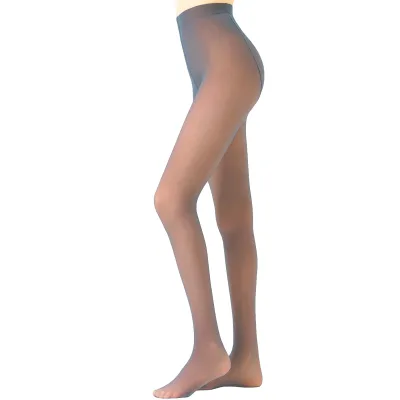
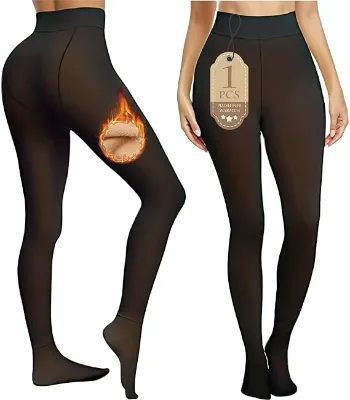
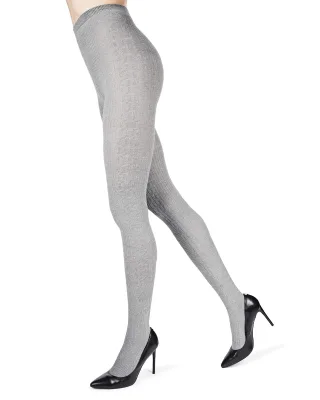
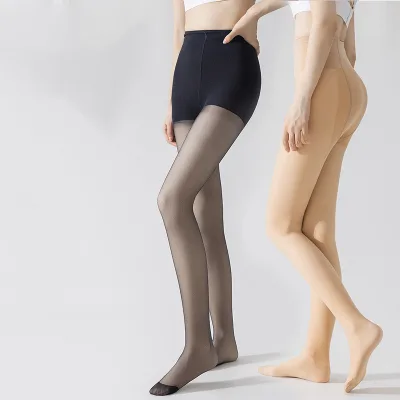


Medical 23-32mmhg High Waist Breathable Women Compression Socks Pantyhose
$6.28 - $7.50
MOQ: 100 Pairs


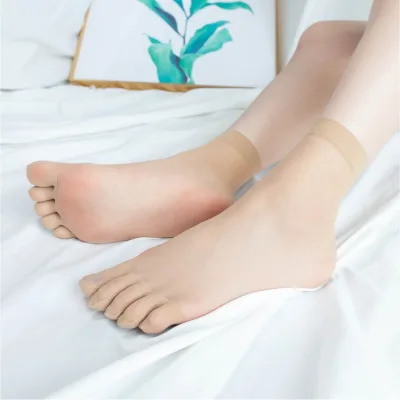
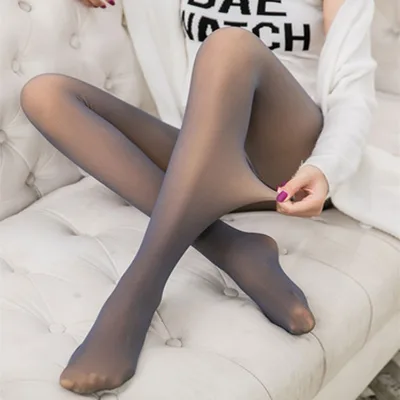

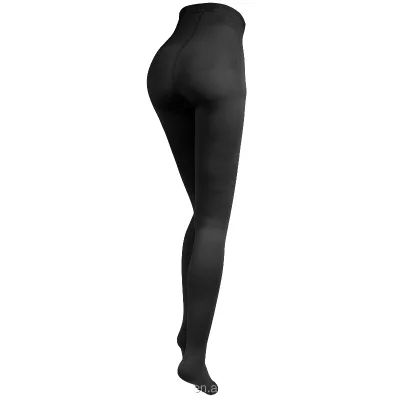
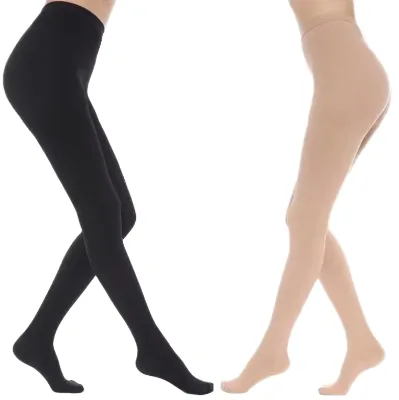


High-Quality 20d Sheer Thin Silk Pantyhose Stocking Plus Size Tight Socks
$0.69 - $0.99
MOQ: 1000 Pairs


Comprehensive Sourcing Guide
Strategic Sourcing Guide for Eco-Friendly Thermal Toe Pantyhose
Understanding Product Definitions and Technical Specifications
When initiating a procurement strategy for eco-friendly thermal toe pantyhose, buyers must first establish a precise technical baseline. The core keyword implies a garment designed for cold-weather insulation, featuring specific structural elements like toe reinforcement or thermal lining, while adhering to environmental standards. Based on observed market data, the product category encompasses women's pantyhose and tights that utilize specific knitting techniques and material blends to achieve warmth without sacrificing flexibility.
The technical architecture of these garments often varies significantly between standard and thermal variants. Standard thermal tights observed in the market frequently utilize a "Knitted" or "Seamed" technic, with materials ranging from Spandex/Nylon/Cotton blends to pure Polyester or Nylon compositions. For thermal applications, the thickness is a critical differentiator; while standard tights are described as having "Standard" thickness, thermal variants are explicitly categorized as "Thick." This thickness is essential for retaining body heat during Spring, Autumn, and Winter seasons.
A specific technical observation regarding the "eco-friendly" aspect involves the material composition. While traditional thermal tights rely heavily on synthetic fibers like Spandex and Nylon for elasticity and durability, the inclusion of Cotton in the blend suggests a move toward breathability and natural fiber content. However, buyers must verify if the "eco-friendly" claim extends to the dyeing processes or the source of the raw materials, as the base materials listed are primarily synthetic. The product features often include "Opaque" finishes, "Compression" properties, and specific design elements like "Stirrup" styles or "Fleece Lined" interiors. The "Toe" aspect of the keyword may refer to reinforced toe areas or specific knitting patterns designed to prevent runs, which is a common requirement for thermal durability.
Compliance Verification and Certification Protocols
In the B2B sector, the term "eco-friendly" is often used loosely without standardized backing. Buyers must approach certification claims with rigorous verification protocols. While background knowledge suggests the existence of standards like GOTS (Global Organic Textile Standard) and Oeko-tex, these should not be assumed to apply to every listed product without explicit confirmation from the supplier. The procurement guide emphasizes that certification status is not a guaranteed attribute of the supply chain but a variable that requires active auditing.
When evaluating potential suppliers, the buyer should request specific documentation proving compliance with environmental standards. If a supplier claims their thermal pantyhose are GOTS certified, the buyer must ask for the valid certificate number and verify it against the official GOTS database. Similarly, Oeko-tex certification ensures that the textile is free from harmful substances, which is crucial for skin-contact garments like pantyhose. Without these documents, the "eco-friendly" label remains a marketing assertion rather than a verified fact.
Furthermore, compliance extends beyond environmental certifications to include safety and labor standards. The presence of "Needle detection: Yes" in product attributes indicates a commitment to safety, ensuring no metal fragments remain in the finished garment. This is a critical quality control measure that often correlates with higher manufacturing standards. Buyers should also verify if the supplier adheres to local labor laws in the place of origin, which is identified as Zhejiang, China. Ensuring that the supply chain is transparent regarding labor practices is as important as verifying material certifications.
Cost Drivers and Pricing Dynamics
The pricing structure for thermal pantyhose is influenced by a complex interplay of material costs, production complexity, and order volume. The observed market price range for these products spans from $0.50 to $20.00 USD. This wide variance is not arbitrary but reflects differences in material quality, brand positioning, and the extent of customization.
Several key factors drive these costs. First, the material composition plays a significant role. A blend of Spandex, Nylon, and Cotton may command a different price point than a pure Polyester or Nylon construction, depending on the quality grade of the fibers. Second, the "Thick" classification for thermal tights implies a higher yarn count or double-knitting process, which increases material usage and production time compared to "Standard" thickness items. Third, customization options such as "Custom design," "Custom logo," and "Silk Screen Printing" add layers of complexity to the manufacturing process, thereby increasing the unit cost.
The Minimum Order Quantity (MOQ) is another critical cost driver. The observed MOQ range is between 1 and 2,000 pairs. Suppliers offering lower MOQs, such as 50 pairs, may charge a premium per unit to cover the setup costs of small batches. Conversely, larger orders allow for economies of scale, potentially bringing the unit price closer to the lower end of the observed range. Buyers must balance their inventory needs with the MOQ requirements to optimize their total cost of ownership. Additionally, the "Oem Service" and "Accecpt" (Accept) of OEM orders suggest that branding and private labeling are standard services, but the cost of tooling for custom molds or patterns should be factored into the initial investment.
Typical Applications and Seasonal Market Alignment
The application of eco-friendly thermal toe pantyhose is primarily driven by seasonal demand and specific consumer needs. The product attributes explicitly list "Spring," "Autumn," and "Winter" as the target seasons. This indicates that these garments are designed for transitional weather periods where insulation is necessary but heavy layering is impractical. The "Fleece Lined" and "Thick" attributes confirm their suitability for colder temperatures, making them ideal for winter wear.
Beyond basic warmth, the "Compression" feature suggests applications in athletic or medical contexts, where improved circulation and muscle support are desired. The "Opaque" and "Stirrup" features cater to fashion-forward consumers looking for style statements that do not compromise on comfort. The "One Size" specification indicates a focus on mass-market appeal, targeting a broad demographic of women who require a versatile fit.
The "Toe" aspect of the keyword may also imply specific use cases in outdoor activities or work environments where foot protection and warmth are paramount. For instance, thermal tights with reinforced toes are often preferred for hiking, skiing, or outdoor winter events. The "Casual" sock type and "Over Knee" length options further expand the application scope to include fashion accessories that double as functional wear. Buyers should align their procurement strategy with these seasonal peaks, ensuring that inventory levels are sufficient to meet the surge in demand during the Autumn and Winter months.
Supplier Evaluation and Operational Capabilities
Selecting the right supplier is critical for ensuring the quality and reliability of the thermal pantyhose supply chain. The observed data points to suppliers located in Zhejiang, China, a region known for its robust textile manufacturing infrastructure. When evaluating suppliers, buyers should look for specific operational capabilities that align with their procurement goals.
Key evaluation criteria include the supplier's ability to handle "Oem Service" and "Custom design" requests. The presence of "Needle detection: Yes" suggests a commitment to quality control, which is a positive indicator of manufacturing standards. Buyers should also assess the supplier's sample capabilities, as the data indicates a "7 days sample order lead time" and a "Sample Time" of 3-5 days. This responsiveness is crucial for prototyping and ensuring that the final product meets design specifications before mass production begins.
Logistics and shipping options are another vital consideration. The observed shipping methods include "DHL," "EMS," "UPS," "FEDEX," "By Sea," and "Air." A supplier offering multiple shipping options provides flexibility in managing delivery timelines and costs. Buyers should verify the supplier's experience with international shipping, particularly for bulk orders, to ensure that goods arrive in optimal condition. Additionally, the "Single package size" and "Weight" data (e.g., 20x9x8 cm, 50g) are essential for calculating freight costs and optimizing warehouse space.
Quality Control and Long-Term Procurement Strategy
Maintaining consistent quality in thermal pantyhose requires a robust quality control (QC) framework. The "Needle detection" feature is a fundamental QC measure, but buyers should also implement additional checks for material integrity, color fastness, and dimensional stability. Given the "Thick" and "Fleece Lined" nature of the product, ensuring that the lining does not shed or that the compression levels remain consistent after washing is essential.
Long-term procurement strategies should focus on building a resilient supply chain. This involves diversifying suppliers to mitigate risks associated with single-source dependencies. Buyers should also establish clear communication channels for addressing quality issues, leveraging the "Payment" options like "Paypal," "TT," "L/C," and "Western Union" to ensure financial security. The "Logo" and "Custom design" capabilities suggest that branding is a key differentiator; therefore, maintaining strict control over logo placement and design accuracy is vital for brand consistency.
Furthermore, buyers should consider the environmental impact of their procurement decisions. While the "eco-friendly" claim requires verification, buyers can proactively request suppliers to adopt sustainable practices, such as using recycled materials or reducing water usage in the dyeing process. By prioritizing suppliers who demonstrate a genuine commitment to sustainability, buyers can enhance their brand reputation and meet the growing consumer demand for ethical fashion.
Comparative Analysis of Product Attributes
To facilitate informed decision-making, the following table summarizes the key product attributes observed in the market for thermal pantyhose. This comparison highlights the variations in specifications that buyers should consider when selecting a supplier.
| Attribute | Standard Thermal Variant | Premium/Custom Variant |
|---|---|---|
| Material | Spandex / Nylon | Spandex / Nylon / Cotton |
| Thickness | Thick | Standard / Thick (Custom) |
| Technics | Knitted / Seamed | Custom Knitted / Seamed |
| Season | Spring, Autumn, Winter | Spring, Autumn, Winter |
| Features | Opaque, Compression | Opaque, Stirrup, Compression |
| MOQ | 50 pairs | 1 - 2000 pairs |
| Customization | Logo, Color | Custom Design, Silk Screen |
| Packaging | Polybag | Custom Polybag / Header Card |
| Lead Time | 3-5 days (Sample) | 7 days (Sample Order) |
This table underscores the importance of defining clear requirements before engaging with suppliers. The variation in material blends and customization options allows buyers to tailor their procurement strategy to specific market needs, whether they prioritize cost-efficiency or unique design features. By carefully analyzing these attributes, buyers can ensure that their final product selection aligns with both functional requirements and brand values.
FAQs
What materials are used for Eco-Friendly Thermal Toe Pantyhose?
Materials typically include Spandex, Nylon, and Cotton blends. Some variants use Polyester or Nylon alone, while others feature fleece lining for added warmth in winter seasons.
How thick are the thermal pantyhose available for winter wear?
Thermal variants are explicitly categorized as thick to retain body heat. Standard thickness options exist for spring and autumn, but winter products require the thick classification for insulation.
Can suppliers provide custom designs and logos for these tights?
Yes, OEM services accept custom designs and custom logos. Printing methods include silk screen printing, and logo placement can be on the cuff, body, bottom, or header card.
What is the minimum order quantity for thermal pantyhose?
The minimum order quantity ranges from 1 to 2000 pairs. Some suppliers offer a specific MOQ of 50 pairs, allowing flexibility for smaller initial orders.
Which certifications verify the eco-friendly status of these products?
Certifications like GOTS and Oeko-tex are relevant for eco-friendly claims. However, these are not guaranteed for every listed product and require active verification from the supplier.
How long does it take to receive samples for thermal tights?
Sample time is typically 3 to 5 days. Some suppliers support a 7-day sample order lead time, ensuring quick prototyping before mass production begins.
Where are the manufacturers of these pantyhose located?
Manufacturers are located in Zhejiang, China. This region provides a robust textile infrastructure for producing knitted and seamed women's pantyhose with various seasonal features.