Source Eco-Friendly Thermal Bonded Sofa Linings for Furniture, Mattress, Upholstery
Compare 30 listings for Eco-Friendly Thermal Bonded Sofa Linings from verified Chinese manufacturers. Buyers can evaluate specifications like weight, width, and certifications including Oeko-Tex Standard 100 and ISO9001 for applications in furniture, mattresses, and upholstery; compare the available evidence and request quotations based on your requirements.
Key considerations
Products List


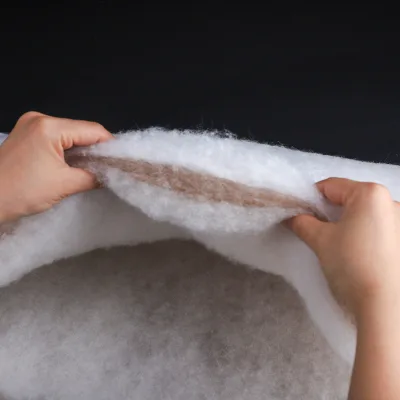
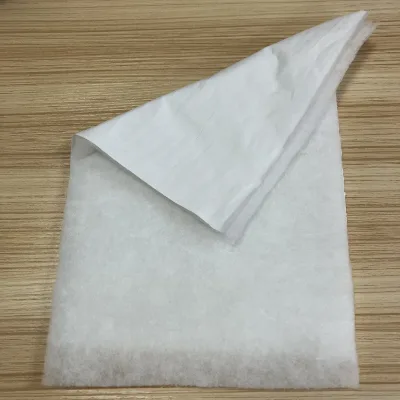

Fireproof 14f Stitch Bond Nonwoven Fabric Sofa Lining Stitch Bond Fabric
$0.45 - $0.95
MOQ: 500 Meters


Cal117 Fireproof Thermal Bonded Polyester Padding/Wadding for Sofa
$0.46 - $0.80
MOQ: 1000 Square Meters

Supply White and Black Polypropylene Sofa Lining Nonwoven Fabric
$0.28 - $0.31
MOQ: 1000 Square Meters


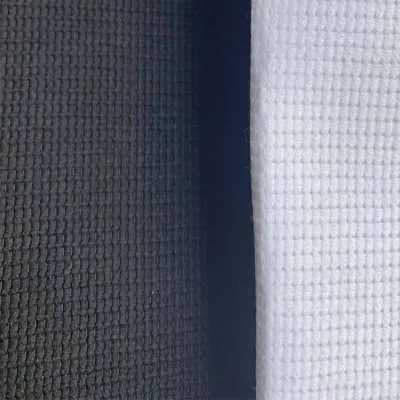
Sofa Under Lining Upholstery Stitch Bonding Non Woven Interlining Stitched Nonwoven Fabric
$1.88 - $2.88
MOQ: 1000 kilograms


Comprehensive Sourcing Guide
Eco-Friendly Thermal Bonded Sofa Linings Sourcing Guide
Procurement teams must first distinguish between generic nonwoven fabrics and specialized thermal-bonded sofa linings that meet specific performance criteria. The available market data indicates a strong presence of polyester-based materials utilizing thermal-bonding techniques, often marketed as eco-friendly due to the inclusion of recycled hollow-core fibers. Buyers should verify that the "thermal-bonded" designation aligns with the intended application, as this process eliminates the need for chemical binders, which is a critical factor for indoor air quality and sustainability goals.
When evaluating listings, it is essential to recognize that product attributes vary significantly even within the same category. While some suppliers offer soft hand-feel options suitable for direct upholstery contact, others provide heavier weights designed for structural interlining or mattress support. The observed range of weights from 15gsm to 2500gsm suggests a broad spectrum of utility, requiring buyers to explicitly define their load-bearing and tactile requirements before engaging with potential vendors to avoid mismatched specifications.
Product Scope and Observed Listing Signals
The core product scope encompasses nonwoven fabrics primarily composed of polyester, viscose, or wool blends, often featuring recycled hollow-core polyester as a key component. These materials are frequently described with attributes such as waterproof, shrink-resistant, and breathable, making them suitable for diverse applications ranging from sofa upholstery and furniture mattresses to hygiene products and industrial linings. The "eco-friendly" claim is often supported by the use of recycled materials and the absence of toxic chemical bonding agents in the thermal-bonding process.
Buyers must carefully scrutinize the specific technical claims regarding the bonding method, as the data highlights both "Thermal-Bonded" and "Hot Air Through" techniques as distinct manufacturing approaches. While some listings emphasize a soft hand feel, others note that the texture may depend on the specific weight and composition. It is crucial to confirm whether the product is a single-layer fabric or a laminated composite, as the latter often combines a microfiber fabric with poly wadding to achieve the desired cushioning and structural integrity for sofa applications.
Technical Specifications to Verify
Verification of physical dimensions is paramount, as observed listings show widths ranging from standard 55/56 inches to custom widths within 5 meters. The weight specification is equally critical, with observed ranges spanning from 15gsm to 2500gsm, indicating that a single product line may serve both lightweight lining needs and heavy-duty upholstery reinforcement. Buyers should request specific weight certificates for their target application, as the mechanical properties of a 25gsm sheet differ fundamentally from those of a 2500gsm heavy-duty liner.
Length and roll configuration also require precise definition, with market data indicating standard roll lengths between 100m and 5000m, often customizable to project needs. The thickness classification varies from medium to very heavyweight, which directly impacts the drape and stiffness of the final sofa assembly. Procurement teams must ensure that the supplier can consistently maintain these dimensional tolerances, as variations in width or weight can lead to material waste or compromised structural performance in the finished furniture piece.
Compliance and Safety Documentation
Safety and environmental compliance are central to the "eco-friendly" positioning of these thermal-bonded linings, with Oeko-Tex Standard 100 and ISO9001 appearing as common certifications in the supply base. These certifications verify that the fabric is free from harmful substances and that the manufacturing process adheres to international quality management standards. Buyers should explicitly request current test reports for these specific standards, as the presence of a certification label does not guarantee that every batch of material meets the required safety thresholds for indoor furniture use.
In addition to general safety, specific performance attributes such as flame retardancy and anti-bacterial properties are often cited as key advantages for sofa applications. The observed product features include flame retardant, anti-static, and anti-bacterial capabilities, which are essential for meeting building codes and hygiene requirements in residential and commercial settings. Procurement teams must verify that these claims are backed by independent laboratory testing rather than manufacturer assertions, ensuring that the material will perform safely under real-world conditions and regulatory scrutiny.
Cost Drivers and Commercial Terms
The commercial landscape for these materials is characterized by a wide range of minimum order quantities, observed from as low as 1 unit to over 5500 units, reflecting the flexibility of the supply chain for both prototype development and mass production. Pricing is highly variable, with observed ranges extending from $0.21 to $12 per unit, driven by factors such as material composition, weight, and the complexity of the thermal-bonding process. Buyers should anticipate that higher weights and specialized eco-friendly formulations will command a premium, necessitating a clear cost-benefit analysis based on the specific performance requirements of the project.
Payment and delivery terms are further influenced by the supply type, which is frequently listed as Make-To-Order, and the availability of free stock samples for evaluation. The packaging method, typically woven bags or roll packing, impacts logistics costs and must be factored into the total landed cost calculation. Since lead times and specific pricing are not standardized in the provided data, buyers should negotiate clear terms regarding sample availability, bulk pricing tiers, and delivery schedules to mitigate the risks associated with custom manufacturing and variable supply chain dynamics.
Supplier Qualification and Quality Control
Supplier qualification should prioritize manufacturers with demonstrated experience in nonwoven technologies, as the data highlights a specific focus on thermal-bonding and hot-air through techniques. A supplier with a long operational history, such as the noted 19 years of experience, may offer more consistent quality control and a deeper understanding of the nuances involved in producing eco-friendly, high-performance sofa linings. Buyers should verify the supplier's capacity to handle custom designs and OEM requests, as the ability to tailor the product to specific weight, width, and functional requirements is a key differentiator in this market.
Quality control protocols must extend beyond the final product to include the raw material sourcing, particularly the use of recycled hollow-core polyester. The observed certifications like GRS (Global Recycled Standard) suggest a commitment to sustainable sourcing, but buyers must ensure that the supplier maintains rigorous internal checks to prevent contamination or inconsistency in the recycled content. Establishing a clear communication channel for quality assurance, including the ability to request pre-shipment inspections and detailed material data sheets, is essential for maintaining the integrity of the supply chain.
Long-Term Procurement Checks
Sustaining a successful procurement relationship requires ongoing verification of the supplier's ability to maintain consistent product attributes over time. Buyers should regularly audit the supplier's adherence to the specified weight, width, and performance features, as these parameters can drift if raw material sources or production processes change. The "Make-To-Order" nature of the supply means that each production run is unique, necessitating a robust system for tracking batch-specific quality data to ensure that long-term projects receive materials that match the initial sample approval.
Finally, the evolving landscape of sustainability standards demands that buyers remain vigilant regarding the certification status of their suppliers. As regulations regarding eco-friendly materials and chemical usage tighten, the Oeko-Tex and ISO certifications currently observed may need to be supplemented with newer or more specific standards. Procurement teams should establish a schedule for re-validating supplier credentials and performance metrics, ensuring that the long-term supply of thermal-bonded sofa linings remains compliant, cost-effective, and aligned with the brand's sustainability commitments.
FAQs
What materials are used in Eco-Friendly Thermal Bonded Sofa Linings?
These linings are typically made from polyester, viscose, or wool blends. The thermal-bonded nonwoven technics create a durable structure without adhesives. This composition supports eco-friendly claims and provides a soft hand feel suitable for upholstery and home textile applications.
Can I customize the size and weight of these sofa linings?
Yes, customization is available for both size and weight. The width can be within 5m or customized, and the weight ranges from 25gsm to 2500gsm. You can also request custom designs and specific roll lengths to meet your precise manufacturing requirements.
What certifications do these thermal bonded linings hold?
These products often hold Oeko-Tex Standard 100 and ISO9001 certifications. These standards verify the material's safety and quality management systems. Such credentials are essential for buyers requiring compliant textiles for home textiles, hospital use, or other sensitive applications.
What features do these eco friendly sofa linings offer?
Key features include waterproof, breathable, and anti-bacterial properties. They are also shrink-resistant, mothproof, and anti-static. These functional attributes ensure durability and comfort, making them ideal for sofa interlining, bag manufacturing, and various industrial textile uses.
How are these sofa linings packaged for shipping?
They are typically packed in woven bags or roll packing. The single package size is often 50x50x50 cm with a gross weight of 3.000 kg. Customized packaging is available to suit your logistics needs and ensure safe transit from the supplier.
Are samples available for these thermal bonded fabrics?
Samples are available for evaluation. Some suppliers offer free stock samples, while others provide them upon request. This allows buyers to verify the soft hand feel, thickness, and overall quality before committing to a larger order or custom production run.