Source Eco Friendly Waterproof Coaster for Home, Office, and Cafe
Find 30 Eco Friendly Waterproof Coaster options from China suppliers. Compare PVC and silicone materials, custom shapes, and logo printing services for home, office, and restaurant use. Evaluate thickness, diameter, and anti-skid features to select the best fit for your business needs.
Updated
Key considerations
Products List


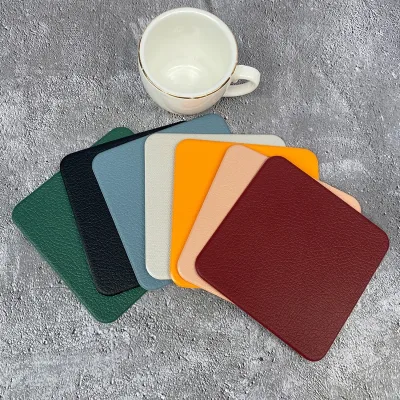
Eco-Friendly Disposable Paper Square Coaster Waterproof Coffee Cup Coaster for Drinks
$0.08 - $0.15
MOQ: 1000 Pieces
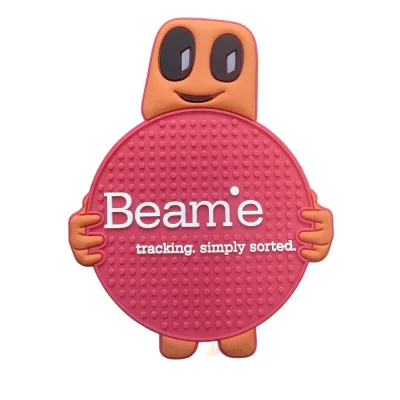
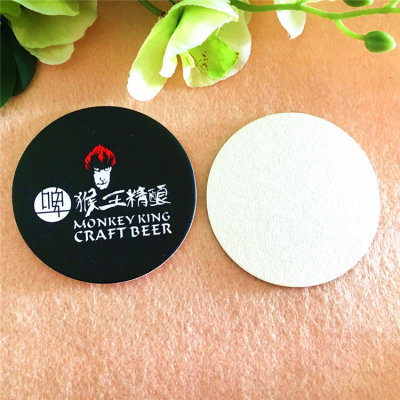
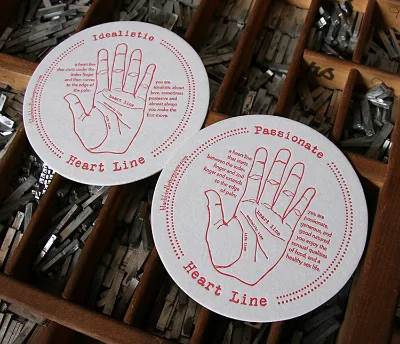
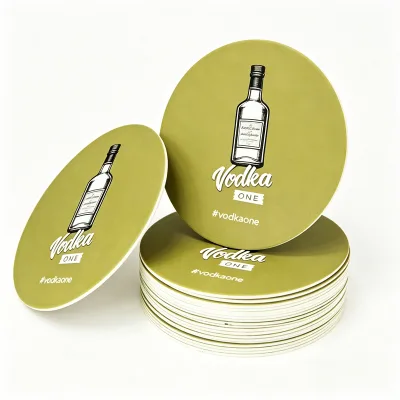
The Convex Process Water Absorbing coaster Can Be Customized with a logo
$0.05 - $0.07
MOQ: 10000 pieces


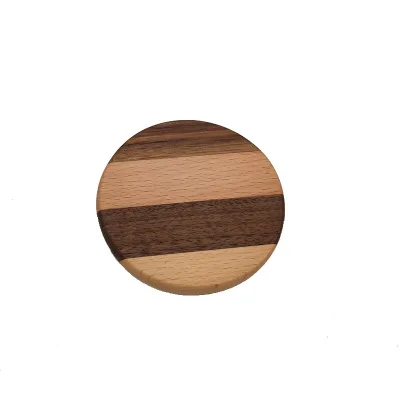


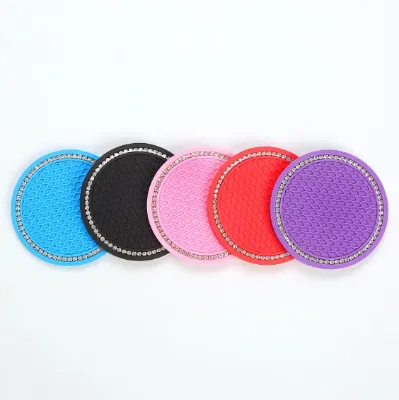


PVC Soft Glue Insulated Colorful Custom Waterproof Non-Slip Cup Coaster
$0.25 - $0.50
MOQ: 1000 Pieces





Comprehensive Sourcing Guide
Eco Friendly Waterproof Coaster Sourcing Guide
Eco friendly waterproof coasters occupy a practical middle ground in the promotional and homeware market: they protect surfaces from moisture, accept custom branding, and can be positioned as a greener alternative to disposable mats. For B2B buyers, the category is dominated by flexible plastic and rubber materials—listed products in this range include PVC and silicone coasters—supplied mainly from manufacturers in China, with Guangdong appearing as a stated place of origin. Observed listings describe applications across homes, offices, restaurants, and cafes, and also position the products as promotion gifts.
This guide is written for procurement teams evaluating a mixed listing pool rather than a single confirmed product. The observed price range spans roughly USD 0.02 to 3.54, and stated minimum order quantities range from a single piece to 10,000 pieces, which signals a marketplace of both sample-friendly sellers and volume factories. Because listings mix attributes from different products, every specification, certification, and commercial term discussed below should be treated as something to verify with the individual supplier before committing to an order.
Product Scope and Observed Listing Signals
The product scope visible in this listing set centers on round and customized-shape coasters in flexible materials. One observed product line, model AL_coaster_11007, is described as a PVC coaster with a 90mm diameter, 2.0mm thickness, antiskid characteristics, and a 2D design on one side. Another listed item, model Cup-05, offers a customized diameter with logo printing, while a silicone option (UC053) is listed at 100mm diameter in an irregular shape with debossed, embossed, or printed logo options and a thickness of either 2mm or 3mm.
Listing signals also reveal how suppliers position these products commercially. Attributes such as "Eco-Friendly, Stocked" and an "EU Environmental" certification appear on specific listings, and the brand name LINKAIZ is stated on one product. Usage fields consistently name home, office, restaurant, cafe, and promotion gift scenarios, confirming that buyers source these items both for resale and for branded giveaways. Packaging is typically minimal—1 piece per polybag, sometimes with 100 pieces per big bag—so retail-ready packaging, if needed, must be arranged separately with the supplier.
Technical Specifications to Verify
Dimension and thickness are the first specifications to lock down. Observed listings show 90mm and 100mm diameters alongside fully customized sizing, so confirm the exact diameter for your cup and glassware profile rather than assuming a universal size. Thickness is stated as 2.0mm on one PVC product and 2mm or 3mm on a silicone listing; this dimension directly affects perceived quality, rigidity, and unit weight. Also confirm the antiskid feature, since it is listed as a characteristic on at least one product but cannot be assumed across the category.
Material and construction details deserve equal scrutiny. Listings identify both PVC and silicone, which behave differently in flexibility, odor, and cleaning—ask the supplier to state the material explicitly for your SKU. The observed manufacturing process is injection molding, and design options include 2D artwork on one side; logo application methods on comparable items include debossing, embossing, and printing, each with different durability characteristics. Request a pre-production sample—observed sample lead times run 7–12 days—and verify shape accuracy, since some listings state the shape is customer-defined rather than fixed.
Compliance and Safety Documentation
Certification claims in this listing pool are inconsistent: one product carries an "EU Environmental" certification label, while others list no certification at all. Treat this as a signal that compliance evidence must be requested per supplier, not inferred from the category. For an eco friendly positioning, ask specifically what the environmental claim means—which substances are restricted, which test reports back it, and whether the certificate names the actual production facility and material grade rather than a generic company credential.
Because these coasters contact tableware-adjacent surfaces and are marketed with eco claims, request material safety documentation in writing, including declarations for the base polymer and any inks or pigments used in logo printing. If you sell into the EU, ask how the stated EU Environmental certification was issued and which standard or scheme it references, since listings do not specify the underlying standard. For other markets, ask the supplier what food-contact or consumer-product testing they can arrange. Never accept a certification screenshot as final evidence; verify the certificate number against the issuing body where possible, and record the documentation in your supplier file before production begins.
Cost Drivers and Commercial Terms
The observed price band of USD 0.02 to 3.54 reflects genuine structural differences: material choice (PVC versus silicone), diameter, thickness, logo process, and order volume all move unit cost. Debossed or embossed logos typically carry different tooling and per-unit economics than printed designs, and a 2D single-side design is generally simpler than two-sided artwork. Customized diameters or irregular shapes may require new molds, so ask whether tooling charges apply and whether they amortize at stated reorder volumes.
Commercial terms also vary across the pool. Stated minimum order quantities in these listings range from 50 or 100 pieces up to 10,000 pieces, so match the MOQ to your trial-order strategy before negotiating price. One listing states EXW-Factory terms, meaning freight, insurance, and export clearance fall to the buyer—factor these into landed-cost comparisons against suppliers quoting on other terms. Observed production time is 12–18 days after sample approval, and payment options mentioned in the pool include Trade Assurance, T/T, PayPal, and Western Union; prefer instrumented or escrowed payment for first orders with an unverified factory.
Supplier Qualification and Quality Control
Qualify suppliers on evidence, not listing polish. Several listings state that OEM service, customer logo design, and customization are available—confirm this capability with a short questionnaire covering in-house tooling, artwork formats accepted, and whether the factory produces the coasters directly or trades them. Location data in the pool points to Guangdong, China, a common manufacturing region, but a stated origin is not proof of factory status; ask for business license details and, where feasible, conduct a virtual or third-party factory audit before large orders.
Quality control should be specified in the purchase contract. For injection-molded PVC and silicone coasters, define acceptable limits for diameter tolerance, thickness, color match against a approved sample, and logo alignment or fill. State that the antiskid property, where ordered, must be present in production units, and require a golden sample to be signed and retained by both parties. Agree on inspection timing—typically after production and before shipment—and decide whether you will rely on supplier self-inspection plus photos, or commission an independent inspection, with the choice depending on order value and repeat-purchase intent.
Long-Term Procurement Checks
Long-term value in this category comes from repeatability, not the first low price. Reorder consistency depends on the supplier retaining your mold, artwork, and color standard; ask in writing whether tooling is held exclusively for your account and what happens to it if orders lapse. Track whether reorder units match the approved sample on diameter, thickness, and logo quality, since observed MOQ flexibility (50–100 piece minimums on some listings) makes small, frequent replenishment feasible for certain SKUs.
Build a simple supplier scorecard covering on-time delivery against the stated 12–18 day production window, defect rates from incoming inspection, responsiveness on replacement claims, and stability of certification documentation. Re-verify environmental and safety paperwork annually or when the material supplier changes, and require advance notice of any material or process substitution. Maintain dual sourcing where volume justifies it, using sample orders from a second qualified factory to keep pricing and lead times honest. Finally, document every agreed specification—material, dimensions, packing format such as 1 piece per polybag, and terms—in a controlled specification sheet so future purchase orders reference a single, versioned standard rather than past chat records.
Long-Term Checks
This closing section is intentionally merged above; buyers should instead close each sourcing cycle with a documented review. After each shipment, reconcile the received goods against the specification sheet: measured diameter, confirmed thickness, packing format, and logo method as actually produced. Log any deviations and the supplier's remediation, because this history is the most reliable predictor of future performance in a category where listing attributes such as "Eco-Friendly" and "Customization: Available" are observations, not guarantees.
Keep procurement documents current. Update the specification sheet when a new diameter, material, or certification is introduced, archive certificates with their verification dates, and re-confirm EXW-based landed costs whenever freight rates shift. A disciplined file—specifications, samples references, certificates, and inspection results per supplier—turns a fragmented listing pool into a manageable, auditable supply base ready for repeat orders and gradual volume consolidation.
FAQs
What materials are used for eco friendly waterproof coasters?
Manufacturers typically use PVC or silicone to produce eco friendly waterproof coasters. These materials offer durability and resistance to moisture. Some products feature natural colors or customized designs. The choice of material impacts the texture and environmental profile of the final item, ensuring suitability for various commercial and home applications.
Can I customize the logo on these coasters?
Yes, customization is available for most Eco Friendly Waterproof Coaster orders. Buyers can choose from debossed, embossed, or printed logos. Some suppliers offer 2D design options on one side. This flexibility allows businesses to create branded promotional gifts or table decorations that align with their specific marketing and aesthetic requirements.
What is the typical MOQ for these products?
The minimum order quantity varies by supplier, ranging from 50 to 10,000 pieces. Some factories accept orders as low as 50 pcs, while others require 100 pcs or more. Buyers should check specific product listings for exact MOQ requirements. Lower MOQs are often suitable for sampling or small promotional batches.
How long does production take for custom orders?
Production time generally ranges from 12 to 18 days after sample approval. Sample preparation typically takes 7 to 12 days. These timelines depend on the complexity of the design and the current factory workload. Buyers should plan their procurement schedule accordingly to ensure timely delivery for events or inventory needs.
Are these coasters certified for environmental standards?
Some eco friendly waterproof coasters carry EU Environmental certifications. These certifications indicate compliance with specific regulatory standards for materials and manufacturing processes. Buyers seeking sustainable sourcing options should verify the certification status of each supplier. This ensures the products meet the environmental expectations of their target markets and corporate responsibility goals.
What packaging options are available for bulk orders?
Standard packaging usually includes individual polybags or OPP bags for single units. Bulk shipments are often packed in larger bags containing 100 pieces. This method protects the coasters during transit and simplifies inventory management. Buyers can request specific packaging configurations to meet their logistical requirements or retail presentation standards.