Source eco-friendly waterproof nonwoven fusible interlining for Garment, Clothes, Home Textile
Compare 30 listings of eco-friendly waterproof nonwoven fusible interlining from Taizhou and other origins. Options include Plain, Satin, and Embroidered styles with customizable colors and adhesive bonding for garment and home textile applications.
Key considerations
Products List

$0.60 - $1.00
MOQ: 1000 Yards


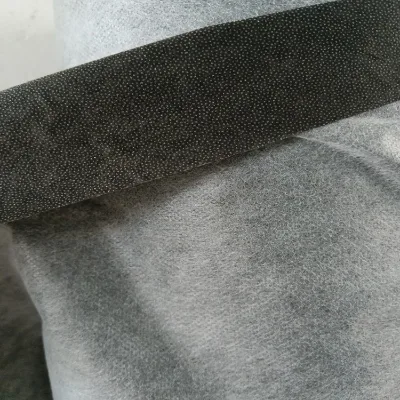


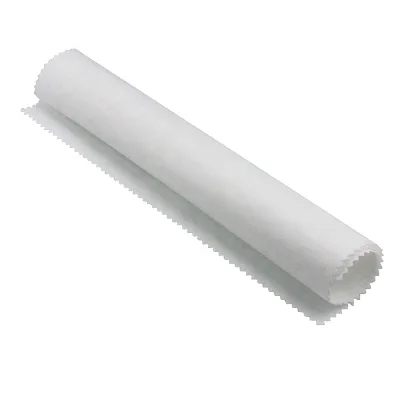
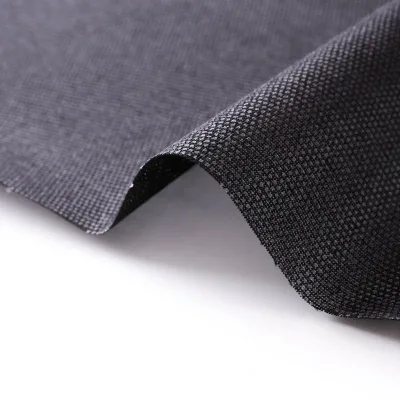


45g Soft Fusible Nonwoven Interlining
Negotiable
MOQ: 20000 Meters
Zhejiang Changxing Changrui Interlining Manufacture Co., Ltd.

Comprehensive Sourcing Guide
Strategic Sourcing Guide for Eco-Friendly Waterproof Nonwoven Fusible Interlining
Navigating the global market for eco-friendly waterproof nonwoven fusible interlining requires a precise understanding of material science, supply chain logistics, and technical specifications. This guide synthesizes verified product attributes and industry standards to assist procurement professionals in identifying suitable suppliers and evaluating product viability. The focus remains on materials that combine water resistance, environmental compliance, and adhesive bonding capabilities, specifically within the context of the observed product data from manufacturers in Taizhou, Jiangsu Province, and broader Chinese production hubs.
Technical Specifications and Material Composition
The foundation of a successful procurement strategy lies in verifying the exact technical composition of the nonwoven fabric. Based on the observed product data, the primary material composition for these interlinings is consistently 100% Polyester or generic Polyester. This synthetic base is critical for achieving the desired durability and chemical resistance. The manufacturing technique identified is "Chemical Bonded," a process that utilizes adhesives to bind fibers without the need for weaving or knitting, resulting in a uniform structure ideal for fusible applications.
Weight is a primary determinant of the interlining's performance in garment construction. The observed weight range spans from 20 to 150 GSM (grams per square meter), with specific product standards noting a range of 25G to 100G. Buyers must select a weight that aligns with the specific garment application; lighter weights (20-50 GSM) are typically suited for linings in lightweight jackets or shirts, while heavier weights (up to 150 GSM) provide necessary structure for coats or heavy-duty apparel. The width specifications vary significantly across listings, with observed values including 100cm, 150cm, and 58/60 inches. Standardizing on a specific width is essential for minimizing fabric waste during the cutting process.
The adhesive component is equally critical. The data indicates the use of specific powder types, such as PA (Polyamide) or PES (Polyester), which are applied to the nonwoven base. Additionally, some products utilize a "Plus Glue" system involving EVA (Ethylene Vinyl Acetate) or LDPE (Low-Density Polyethylene). The bond temperature is noted as "Low," which is a significant advantage for heat-sensitive fabrics. The adhesive application method varies, with some products featuring a "Double DOT" pattern, while others utilize a plain or custom pattern. The surface finish often includes a "Bleach" or "Dyeing" process, and the fabric may be "Yarn Dyed," "Piece Dyed," or feature "Embroidered" and "Dot" patterns. These variations affect the final aesthetic and the bonding strength required for the specific garment type.
Compliance, Certification, and Environmental Claims
The core keyword emphasizes "eco-friendly," a claim that requires rigorous verification rather than acceptance at face value. The product data explicitly lists "Eco-Friendly" as a feature alongside "Waterproof" and "Breathable." However, in the absence of specific certification documents in the provided text, buyers must treat this as an observation that requires validation. Procurement teams should request third-party test reports confirming the absence of hazardous substances, such as azo dyes or heavy metals, and verify compliance with international environmental standards like REACH or Oeko-Tex.
The "Domestic" grade classification observed in the data suggests that some products are manufactured for the local market, which may imply different regulatory baselines compared to export-grade goods. Buyers targeting international markets must ensure that the "Domestic" designation does not preclude compliance with destination-specific regulations. The "Imported Material" raw material attribute indicates that some suppliers source their base fibers globally, which can impact the consistency of the final product's environmental footprint.
Furthermore, the "Waterproof" and "Breathable" attributes are often achieved through coating processes. The data mentions a "coating" standard, which is the mechanism for water resistance. Buyers should verify the durability of this coating through wash tests, as the "Launderability" and "Shrink-Resistant" features are listed as key performance indicators. The "Anti-Pull" feature suggests enhanced tensile strength, which is vital for maintaining the integrity of the bond during garment wear and washing. Without specific certification numbers or standard references in the provided text, the burden of proof lies with the supplier to demonstrate that their "Eco-Friendly" claim meets the buyer's specific compliance requirements.
Cost Drivers and Pricing Dynamics
Understanding the cost structure of nonwoven fusible interlining is essential for budgeting and negotiation. The observed price range in the market spans from $0 to $91.36 USD, a variance that reflects differences in weight, adhesive type, width, and order volume. The Minimum Order Quantity (MOQ) ranges from 200 to 50,000 units, indicating a highly flexible supply chain that can accommodate both small trial orders and large-scale production runs. The "Small Orders: Accepted" attribute confirms that suppliers are willing to work with lower volumes, which is beneficial for new product development.
Several factors drive the final cost. First, the weight of the fabric directly correlates with material usage; a 150 GSM interlining will inherently cost more than a 20 GSM version due to the higher volume of polyester fibers and adhesive required. Second, the type of adhesive powder (PA vs. PES) and the glue system (EVA vs. LDPE) influences pricing, as specialized adhesives often command a premium. Third, the "Customed" color and "Customization" availability add layers of complexity to the production process, potentially increasing costs compared to standard white or black options.
The "Make-to-Order" supply type suggests that inventory holding costs are minimized for the supplier, but lead times may be longer than for stock items. The "Not Stock" attribute reinforces this, meaning production is triggered only after an order is placed. Buyers should factor in the potential for higher unit costs on custom orders due to the setup time required for specific dyeing, bonding, and cutting processes. Additionally, the "Poly Bag" or "in Roll" packing methods may incur different logistics costs depending on the destination and shipping method.
Typical Applications and Performance Requirements
The versatility of eco-friendly waterproof nonwoven fusible interlining is evident in its diverse applications. The primary usage categories identified are "Home Textile" and "Garment," with specific mentions of "Clothes." This indicates that the material is suitable for a wide range of end products, from outerwear to linings. The "Poly Satin" and "Polyester Pongee" styles suggest that the interlining is designed to mimic or complement the texture of the face fabric, ensuring a seamless finish.
In garment construction, the "Fusible" and "Adhesive" properties are paramount. The interlining must bond securely to the fabric without causing stiffness or bubbling. The "Low" bond temperature is particularly advantageous for delicate fabrics that might be damaged by high-heat presses. The "Anti-Pull" feature ensures that the interlining does not detach from the garment during stress points, such as shoulder seams or pocket openings. The "Breathable" attribute is crucial for activewear and outerwear, allowing moisture vapor to escape while preventing liquid water from penetrating, a balance that is difficult to achieve in synthetic materials.
The "Plain" and "Pattern" variations, including "Yarn Dyed," "Embroidered," and "Dot" patterns, allow for aesthetic customization. This is particularly relevant for fashion-forward garments where the interlining might be visible or where the texture adds to the design. The "Bleach" and "Dyeing" processes ensure that the interlining can be color-matched to the face fabric, reducing the risk of color bleeding or mismatching during the manufacturing process.
Supplier Evaluation and Quality Control
Evaluating suppliers for nonwoven fusible interlining requires a multi-faceted approach. The geographic origin of the products is primarily "Taizhou, Jiangsu Province" and "China," regions known for their textile manufacturing capabilities. Buyers should verify the supplier's production capacity and consistency, as the "Make-to-Order" model relies heavily on the supplier's ability to manage production schedules efficiently. The "OEM: Acceptable" attribute indicates that suppliers are open to private labeling, which is a positive sign for brand owners seeking exclusivity.
Quality control should focus on the consistency of the adhesive application and the uniformity of the weight. The "Chemical Bonded" process must be tightly controlled to ensure that the bond strength is consistent across the entire roll. Buyers should request samples to test the "Bond Temperature" and verify that the adhesive activates correctly at the specified low temperature. The "Free" sample availability is a significant advantage, allowing for thorough testing before committing to a large order.
The "Stock: Not Stock" status implies that buyers must plan their orders well in advance. Lead times are not explicitly stated in the data, but the "Make-to-Order" nature suggests that they will vary based on the complexity of the customization. Buyers should establish clear communication channels to track production progress and ensure that the "Customed" colors and "Customization" requirements are met. The "Small Orders: Accepted" policy is a positive indicator of supplier flexibility, but buyers should be aware that unit costs may be higher for these smaller quantities.
Long-Term Procurement Considerations
Sourcing eco-friendly waterproof nonwoven fusible interlining is not just a one-time transaction but a long-term partnership that requires strategic planning. The "Customization: Available" and "OEM: Acceptable" attributes suggest that suppliers are capable of evolving with the buyer's needs. As market trends shift towards more sustainable materials, buyers should prioritize suppliers who can demonstrate a clear roadmap for improving their environmental credentials.
The "Eco-Friendly" claim should be a key performance indicator in supplier evaluations. Buyers should regularly audit suppliers to ensure that their "Eco-Friendly" practices remain consistent and that they are not compromising on quality to meet environmental targets. The "Imported Material" aspect of the supply chain introduces potential risks related to global supply disruptions. Diversifying suppliers or maintaining a buffer stock of critical materials can mitigate these risks.
Finally, the "Waterproof" and "Breathable" performance must be maintained over the lifecycle of the product. Buyers should establish clear quality benchmarks for wash durability and bond strength. Regular testing of the "Launderability" and "Shrink-Resistant" properties will ensure that the interlining continues to perform as expected. By focusing on these long-term considerations, buyers can build a resilient supply chain that supports their brand's commitment to quality and sustainability.
FAQs
What material is used for eco-friendly waterproof nonwoven fusible interlining?
The primary material is 100% Polyester, which ensures durability and chemical resistance. This synthetic base is consistently used across the observed product range to achieve the necessary structural integrity for garment applications.
How is the adhesive applied to the nonwoven fabric?
Adhesives are applied using a Chemical Bonded process with PA or PES powder. Some products also utilize Plus Glue systems involving EVA or LDPE, often featuring a Double DOT pattern for secure bonding.
Can I find low bond temperature options for delicate fabrics?
Yes, low bond temperature options are available for heat-sensitive fabrics. This feature allows for secure adhesion without damaging delicate materials during the fusible application process in garment construction.
What is the typical weight range for these interlinings?
The weight range spans from 20 to 150 GSM, with specific standards noting 25G to 100G. Buyers should select a weight that aligns with the specific garment application, from lightweight linings to heavy-duty coats.
Are custom colors and patterns available for this product?
Custom colors and patterns are available upon request. Products can be customized with Yarn Dyed, Piece Dyed, Embroidered, or Dot patterns, and colors include options like White and Black or fully custom requests.
What is the minimum order quantity for these interlinings?
The minimum order quantity ranges from 200 to 50,000 units depending on the supplier. Small orders are accepted, making it feasible for new product development while larger runs accommodate mass production needs.
Where are these products typically manufactured?
Products are primarily manufactured in Taizhou, Jiangsu Province, and other locations in China. This region is known for its textile manufacturing capabilities, offering a mix of domestic and imported raw materials.