Eco-Friendly Modern Cookies Jar Suppliers and Manufacturers
Source 25 verified suppliers for Eco-Friendly Modern Cookies Jar options. Compare grounded dimensions including China Fujian origins, FDA and SGS certifications, and MOQs starting at 1,000 PCS. Contact suppliers directly to request samples and negotiate lead times; review the available evidence before requesting comparable quotations from suitable candidates.
Suppliers List

Xiamen Yoyo Ceramic Trading Co., Ltd.
- Verified by BV
- Combined
- China Fujian
- Lead time23 days
- Avg. response≤ 11h
Main productsCeramic Mugs, Ceramic Plates, Teawares, Ceramic Canisters, Ceramic Vases, Ceramic Flower Planters, Ceramic Coin Bank, Flowerpot, Canisters, Resin Crafts
Main marketsSouth America,Africa,Southeast Asia/ Mideast,East Asia(Japan/ South Korea),Europe,Australia,North America


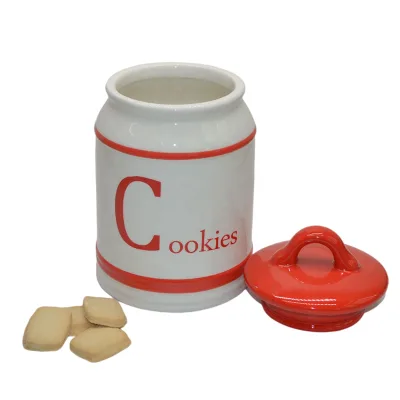
White Ceramic Cute Design Storage Jar for Cookie Porcelain Storage Containers
$1.65 - $3.00
MOQ: 1000 Pieces

Jinhua Allies Import and Export Co., Ltd.
- Verified by SGS
- Manufacturer/Factory
- China Zhejiang
- Lead time23 days
- Avg. response≤ 7h
Main productsCanister, Container, Bottle, Cosmetic, Make up, Plastic Packaging, Eyeshadow, Palette, Box, Compact Case
Main marketsSouth America,Mid East

Kitchen Cookie Jar Multigrain Pink Moisture-Proof Preservation Storage Jar Nut Cookies Plastic Jar
$0.30 - $0.85
MOQ: 10000 Sets

Kitchen Cookie Jar Yellow Moisture-Proof Preservation Storage Jar Nut Cookies Plastic Jar
$0.30 - $0.85
MOQ: 10000 Sets

Kitchen Cookie Jar White Moisture-Proof Preservation Storage Jar Nut Cookie Plastic Jar
$0.35 - $0.39
MOQ: 10000 Pieces

Kitchen Cookie Jar Multigrain Silver Moisture-Proof Preservation Storage Jar Nut Cookies Plastic Jar
$0.30 - $0.85
MOQ: 10000 Sets


$0.30 - $0.85
MOQ: 10000 Sets

CANGZHOU BEWIN PIPELINE CO., LTD.
- Manufacturer/Factory,Group Corporation
- China Hebei
- Lead time45 days
- Avg. response≤ 11h
Main productsStainless Steel Fitting, Stainless Steel Ball Valve, Seamless Pipe, Post Anchor, Wire Mesh, Barbed Wire Machine, Spiral Pipe, Grating, Ground Screw, Flange Ball Valve
Main marketsSouth America,Eastern Europe,Mid East,North America,Southeast Asia,Eastern Asia,Oceania,Western Europe,Africa

ANHUI IDEA TECHNOLOGY CO., LTD
- Verified by TUVRHEINLAND
- Trading Company
- China Anhui
- Lead time23 days
- Avg. response≤ 5h
Main productsGlass Jar, Glass Bottle, Pet Preform, Aluminum Cans, Glass Cup, Bottle Caps Jar Lids, Candle Jars, Perfume Bottle, Cosmetic Bottle
Main marketsSouth America,Africa,Southeast Asia/ Mideast,East Asia(Japan/ South Korea),Europe,Australia,North America
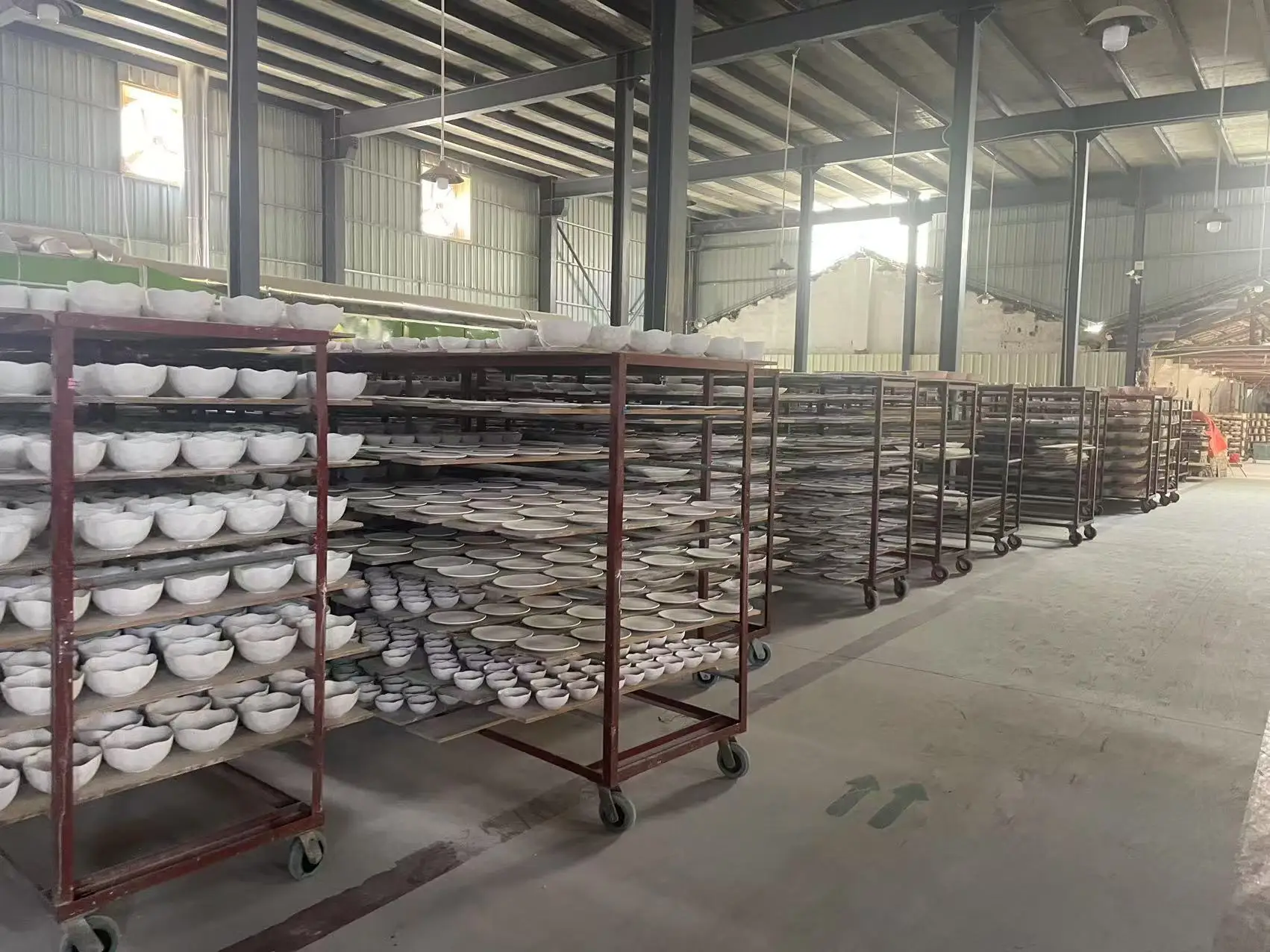
Xiamen Design In Source Trading Co., Ltd.
- Manufacturer, Trading Company, Distributor/Wholesaler
- Fujian, China
- Lead time45 days
- Avg. response≤ 2h
Main productsvase,ceramic mugs,piggy bank,coffee cup,candle jar
Main marketsNorth America(48.00%), Western Europe(21.00%), Oceania(10.00%), Eastern Asia(5.00%), Southeast Asia(4.00%), South America(3.00%), Eastern Europe(2.00%), Northern Europe(2.00%), Southern Europe(2.00%), Mid East(1.00%), Central America(1.00%), South Asia(1.00%)

Tianjin Jiaming Technology Co., Ltd.
- Verified by SGS
- Trading Company
- China Tianjin
- Lead time15 days
- Avg. response≤ 10h
Main productsGlass Jar, Glass Cup, Kitchen Utensils, Teapot, Glass Pitcher
Main marketsOthers(foreignTradeCapacity.exportBusinessCapacityMarketOther)

$1.50 - $3.16
MOQ: 500 Pieces


Borosilicate Cookie Candy Honey Food Glass Storage Jar with Airtight Bamboo Lid and Spoon
$2.01 - $2.20
MOQ: 500 Pieces


Zibo Green Light Industrial Co., Ltd.
- Verified by SGS
- Trading Company
- China Shandong
- Lead time30 days
- Avg. response≤ 10h
Main productsGlass Storage Jar, Glass Oil Vinegar Bottle, Glass Canister, Glass Dispenser, Glass Bowl and Plate, Glass Candle Holder, Glass Bathroom Products, Glass Vase, Glass Spice Jar
Main marketsEast Asia(Japan/ South Korea),Europe,North America


Glass Storage Jar for Cookie Candy Beans with Embossed Design and Glass Lid
$0.50 - $1.50
MOQ: 2000 Pieces


Xiamen Ebei Import & Export Co., Ltd.
- Verified by CTI
- Trading Company,Manufacturer/Factory
- China Fujian
- Lead time45 days
- Avg. response≤ 2h
Main productsEco-Friendly Products, Bamboo Tableware, Bamboo Furniture, Bamboo Kitchenware, Bamboo Office Supply, Bamboo Fibre Products, Biodegradable Products, Bamboo Towel, Solar Energy Products, Bamboo Garden Products
Main marketsSouth America,Eastern Europe,Mid East,North America,Southeast Asia,Eastern Asia,Oceania,Western Europe,Africa

$3.80 - $5.60
MOQ: 300 Sets


Glass Jars with Bamboo Lids and Wooden Spoons
MOQ: 1000 Pieces
Fujian Dehua Besder Ceramic Co., Ltd.
- Manufacturer, Trading Company
- Fujian, China
- Lead time0 days
- Avg. response≤ 11h
Main productsCERAMIC HOME DECORATION,CERAMIC KITCHENWARE,HOLIDAY DECORATION,CERAMIC PET SUPPLIES,RESIN PRODUCTS
Main marketsNorth America(45.00%), Western Europe(16.00%), South America(11.00%), Mid East(7.00%), Eastern Europe(7.00%), Southern Europe(6.00%), Northern Europe(2.00%), Central America(2.00%), Oceania(1.00%), South Asia(1.00%), Africa(1.00%), Eastern Asia(1.00%)

Xuzhou Selead Packaging Material Co., Ltd.
- Verified by SGS
- Trading Company
- China Jiangsu
- Lead time15 days
- Avg. response≤ 5h
Main productsGlass Bottle, Plastic Bottle, Water Bottle, Glass Jar, Mason Jar, Wine Bottle, Cosmetic Bottle, Beverage Bottle, Glass, Candle Holder
Main marketsAfrica,Southeast Asia/ Mideast,Europe,North America


Custom High Quality 250ml 380ml 500ml Clear Honey Cookie Storage Glass Jams Jar with Lid
$0.08 - $0.80
MOQ: 5000 Pieces


$0.30 - $1.00
MOQ: 5000 Pieces

$0.10 - $0.80
MOQ: 5000 Pieces
Kindest Xiamen Trading Co., Ltd.
- Verified by SGS Group
- Trading Company
- Lead time35 days
- Avg. response≤ 9h
Main productsCeramic Tableware, Ceramic Kitchen Ware, Ceramic Home Decoration
Main marketsNorth America(60%), Oceania(20%), Southeast Asia(10%)
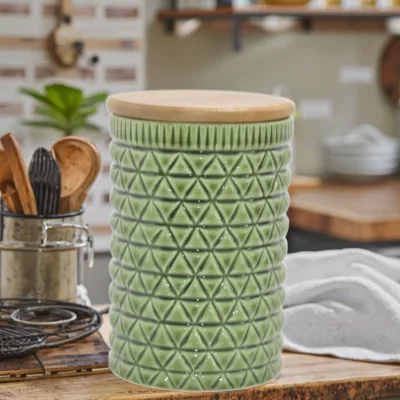
$3.80 - $4.01
MOQ: 1000 pieces
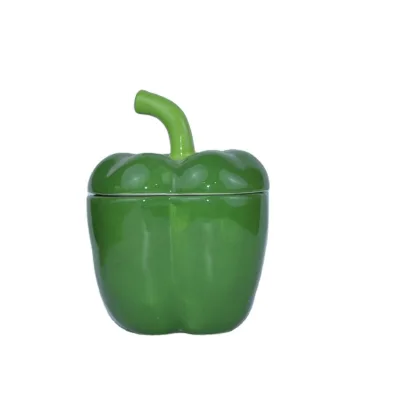
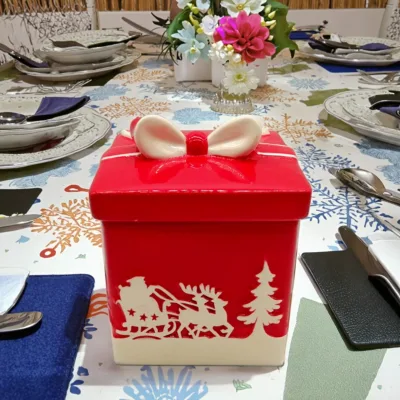
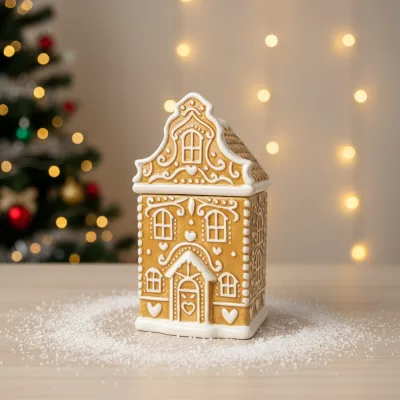
Custom logo Ceramic square Shape Christmas Cookie Candy Jar with Bowknot Lid Red
$3.16 - $3.47
MOQ: 999 pieces

Zibo Chuangxinzhe International Trade Co., Ltd
- Verified by TUVRHEINLAND
- Trading Company
- China Shandong
- Lead time15 days
- Avg. response≤ 3h
Main productsGlass Bottle, Glass Jar, Bottle, Glass Storage Jar, Glass Tube, Mason Jar, Food Jar, Dropper Bottle, Empty Candle Jars, Perfume Bottle
Main marketsSouth America

1 Gallon Round Glass Food Cookie Jar for Storage Wide Mouth Cookies Container Glass Jars with Lids
$0.07 - $0.39
MOQ: 5000 Pieces


Guangzhou Garbo International Trading Co., Ltd.
- Verified by TUVRHEINLAND
- Trading Company,Manufacturer/Factory
- China Guangdong
- Lead time45 days
- Avg. response≤ 5h
Main productsGlassware, Glass Cup, Glass Mug, Glass Bowl, Glass Candy Jar, Glass Pitcher, Glass Ice Cream Cup and Ice Bucket, Opal Glassware, Stainless Steel Cutlery, Ceramic Dinnerware
Main marketsSouth America,Eastern Europe,Mid East,North America,Southeast Asia,Eastern Asia,Oceania,Western Europe,Africa

Xuzhou Boklan Import & Export Trade Co., Ltd.
- Verified by TUVRHEINLAND
- Trading Company,Manufacturer/Factory
- China Jiangsu
- Lead time38 days
- Avg. response≤ 9h
Main productsGlass Jar, Glass Bottle, Liquor Glass Bottle, Lids Caps Corks, Cosmetic Jar, Essential Oil Bottle, Glass Tube, Sauce Bottle, Mason Jar, Plastic Bottle
Main marketsSouth America,Eastern Europe,Mid East,North America,Southeast Asia,Eastern Asia,Oceania,Western Europe,Africa

Wholesale 1500ml Clear Round Glass Cookie Storage Jar with Lid Food Container
$0.98 - $1.71
MOQ: 5000 Pieces

Wholesale Custom Logo Cookies Candy Seal Bamboo Food Storage Glass Jars
$0.65 - $1.79
MOQ: 3000 Pieces
Fujian Dehua Best Ceramic Co., Ltd.
- Manufacturer
- Fujian, China
- Lead time40 days
- Avg. response≤ 6h
Main productsceramic mug porcelain mug,ceramic oil burner ceramic neti pot,ceramic follow pot,ceramic jar canister,ceramic cup and saucers
Main marketsSouth America(30.00%), Western Europe(20.00%), North America(20.00%), Northern Europe(15.00%), Southern Europe(5.00%), Southeast Asia(5.00%), Eastern Europe(5.00%)

Xiamen Sinogrinder Houseware Co., Ltd.
- Verified by TUVRHEINLAND
- Trading Company
- China Fujian
- Lead time23 days
- Avg. response≤ 4h
Main productsPepper Grinder, Coffee Grinder, Salt Grinder, Spice Grinder, Salt and Pepper Grinder Set, Spice Bottle, Electric Pepper and Salt Grinder Set, Spice Jar, Salt and Pepper Grinder, Seasoning Bottle
Main marketsSouth America,Others(foreignTradeCapacity.exportBusinessCapacityMarketOther),Southeast Asia/ Mideast
Anhui Creative Packaging Technology Co., Ltd.
- Verified by BV
- Trading Company,Manufacturer/Factory
- China Anhui
- Lead time23 days
- Avg. response≤ 6h
Main productsGlass Jars, Glass Bottles, Glass Liquor/Beer/Oil Bottles, Glass Cosmetic/Perfume Bottles, Glass Cup, Candle Jar, Preform, Lids/Cap, Aluminum Cans, Wine Glass
Main marketsSouth America,Eastern Europe,Mid East,North America,Southeast Asia,Eastern Asia,Oceania,Western Europe,Africa

Qingdao Xinte Packaging Co., Ltd.
- Verified by TUVRHEINLAND
- Trading Company,Manufacturer/Factory
- China Shandong
- Lead time15 days
- Avg. response≤ 6h
Main productsGlass Jar, Glass Bottles, Plastic Bags, Perfume Bottle, Dropper Bottles, Paper Box, Tin Box, Glass Syringe, Glass Tubes, Plastic Bottle
Main marketsSouth America,Eastern Europe,North America
Zibo Comm-Mountain Glassware Co., Ltd.
- Manufacturer, Trading Company
- Shandong, China
- Lead time45 days
- Avg. response≤ 8h
Main productsGlassware and Accessories
Main marketsWestern Europe(45.00%), North America(20.00%), Domestic Market(16.00%), Southern Europe(7.00%), Eastern Europe(5.00%), Northern Europe(5.00%), Eastern Asia(2.00%)
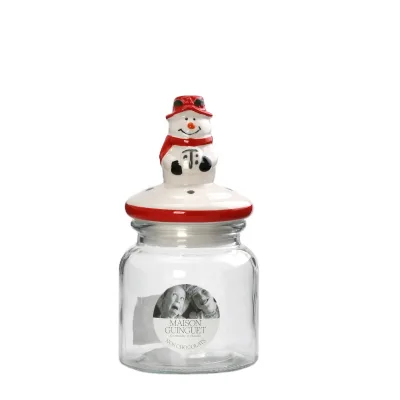
$0.50 - $1.20
MOQ: 1000 pieces
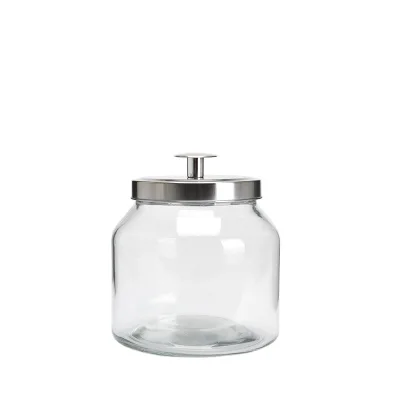
Empty Transparent Large Glass Canning Candy Food Cookie Storage Jars with Airtight Seal Lid
$0.50 - $0.55
MOQ: 1000 pieces
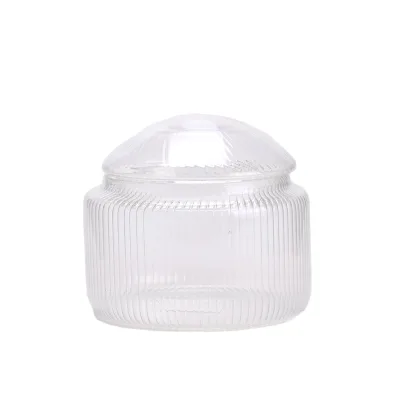
Hot Sale Eco-Friendly Feature Clear High Borosilicate Glass Storage Jar With Lids
$0.50 - $0.55
MOQ: 1000 pieces
Xiamen Yihang Industrial Co., Ltd.
- Verified by SGS Group
- Manufacturer, Trading Company
- Lead time45 days
- Avg. response≤ 3h
Main productsCeramic Ware, Drinkware, Resin Ware, Dinnerware, Bar & Wine
Main marketsNorth America(45%), Northern Europe(13%), Eastern Europe(10%)
- Verified by SGS
- Trading Company
- China Yunnan
- Lead time15 days
- Avg. response≤ 4h
Main marketsSoutheast Asia/ Mideast


Clear Airtight Glass Candy Jar - Multi-Purpose Food Storage Container for Stylish Home
$1.99 - $2.20
MOQ: 1200 Boxes

Xuzhou Sheenland Glass Products Co., Ltd.
- Verified by CTI
- Trading Company
- China Jiangsu
- Lead time45 days
- Avg. response≤ 5h
Main productsGlass Bottle, Glass Jar, Glass Container
Main marketsSouth America,Africa,Southeast Asia/ Mideast,East Asia(Japan/ South Korea),Domestic,Europe,Australia,North America

Wholesale Glass Jar Cookie Jar Glass Jar Food Grade Storage Kitchen Use Baby Food Candy
$0.33 - $0.85
MOQ: 10000 Pieces


LIANYUNGANG KAESHING INTERNATIONAL TRADING CO., LTD.
- Verified by TUVRHEINLAND
- Trading Company
- China Jiangsu
- Lead time15 days
- Avg. response≤ 5h
Main productsGlass Bottle, Glass Jar, Glass Cup, Glassware, High Borosilicate Glass Jar Bottle Mug, Glass Perfume Bottle, Glass Mug, Glass Decanter, Storage Jar, Fused Silica
Main marketsNorth America

Glass Jar with Lid Wooden Lid Glass Jar Glass Candy Jar Borosilicate Kitchen Jar
$0.99 - $1.99
MOQ: 1000 Pieces


Xuzhou Shine Packaging Technology Co., Ltd.
- Verified by SGS
- Manufacturer/Factory
- China Jiangsu
- Lead time45 days
- Avg. response≤ 5h
Main productsCosmetic Packaging, Cosmetic Jar, Lotion Bottle, Shampoo Bottle, Sprayer Bottle, Foam Bottle, Acrylic Jar, Dropper Bottle, Airless Bottle, Pet Cosmetic Jar
Main marketsSouth America,Eastern Europe,Mid East,North America,Southeast Asia,Eastern Asia,Oceania,Western Europe,Africa

Wholesale Round Glass Food Storage Jar for Honey Pickles Jars with Lids
$0.23 - $0.36
MOQ: 2000 Pieces


Shenzhen Bright Glassware Co., Ltd.
- Verified by SGS
- Trading Company
- China Guangdong
- Lead time30 days
- Avg. response≤ 7h
Main productsGlassware, Candle Jar, Glass Candle Holder, Reed Diffuser Bottle, Glass Perfume Bottle, Drinkware, Food Storage Jar, Candle Lid, Packaging Gift Box








Comprehensive Sourcing Guide
Eco-Friendly Modern Cookies Jar Supplier Concentration and Factory Types
When searching for Eco-Friendly Modern Cookies Jar suppliers, buyers will notice that many listings point to ceramic producers based in Fujian, China. Fujian is a well-documented ceramic manufacturing region, and supplier results referencing this province typically list main products such as ceramic mugs, plates, teawares, canisters, vases, flower planters and storage jars. This concentration matters because a mature cluster tends to offer deeper decoration capability, more mold options, and established export packing practices for fragile stoneware. A second group of results originates from Zhejiang, China, where the dominant main products are canisters, containers, bottles, cosmetic packaging, eyeshadow palettes, boxes and compact cases. Suppliers there lean toward plastic and glass packaging rather than kiln-fired ceramics, which changes the material story and the certification conversation entirely.
Factory type is the other structural variable. Some suppliers in this category identify as manufacturer/factory, while others are combined companies handling both production and trading functions. For a buyer, a factory-type supplier may offer tighter control over firing temperature, glaze formulations and food-contact materials, whereas a combined supplier may bundle ceramics with resin crafts and broader home categories. Neither structure is inherently better, but the supplier type should inform which questions you ask: production-line questions for factories, sourcing-quality-control questions for combined operations. Record the supplier type from the listing before your first inquiry so your RFQ template matches the structure you are actually dealing with.
How to Verify Eco-Friendly Modern Cookies Jar Suppliers
Verification for Eco-Friendly Modern Cookies Jar suppliers starts with the platform signals already displayed. Some suppliers in these results carry BV verification, while others show SGS verification, and these are not interchangeable: confirm what the badge actually attests to and request the underlying report scope in writing. System certifications also vary, with some Zhejiang suppliers listing ISO 9001 and ISO 14001 and some Fujian ceramic suppliers showing no system certification at all. A NIL certification field is a legitimate reason to ask for alternative evidence, such as product-level test reports, rather than assuming compliance. Third-party audit reports, food-contact test documentation and factory video walkthroughs should follow before any deposit.
Product listings themselves are a rich verification layer. Read the attributes carefully: one ceramic jar listing cites SGS, FDA, PROP 65 and LFGB among referenced standards, while another cites A grade, FDA, SGS and BV. These are listing claims, not verified facts about your shipment, so ask the supplier to produce current test certificates matched to your exact material, glaze and color. Also check firing temperature and quality grade fields where shown, such as a listed 1280-degree firing temperature and AB grade quality, and ask whether the same parameters apply to your intended design. Finally, verify responsiveness in practice: a displayed response time near six hours versus one near ten hours is a useful signal, but your own test inquiry is the real measurement. Track reply latency for two rounds before committing.
What to Compare Across Eco-Friendly Modern Cookies Jar Suppliers
Build a comparison sheet before contacting anyone, and populate it only with attributes actually shown on each listing. Key dimensions include location (Fujian versus Zhejiang changes freight, material and cluster depth), supplier type (factory versus combined), verification body (BV or SGS), system certifications (ISO 9001, ISO 14001, or none displayed), response time, lead time, and RD capacity such as OEM, ODM or own-brand support. One supplier result shows a lead time of 23 days and response time around ten hours; another shows roughly six-hour response and OEM capacity. Do not assume every supplier has a displayed lead time, so where the field is missing, request it explicitly and treat the answer as unverified until cross-checked.
Product-level attributes deserve their own columns. Compare MOQ, since ceramic jar results range from 1,000-piece minimums to 10,000-piece minimums on the plastic side, and this single number can eliminate half your shortlist. Compare price ranges as displayed, for example roughly 0.60 to 2.50 dollars or 0.80 to 2.98 dollars per jar for certain ceramic models, against 0.30 to 0.85 dollars for a plastic storage jar, remembering quotes must be re-confirmed for your specification. Compare sample time, production time, customization availability, logo printing, packing options and referenced standards. Also weigh main-product alignment: a supplier whose core catalog is ceramic teawares and canisters is making your jar in its lane, while a packaging supplier offering cookie jars is extending beyond its primary line.
Common Eco-Friendly Modern Cookies Jar Sourcing Risks
The first risk is material ambiguity in the keyword itself. Eco friendly is a marketing label with no single legal definition, and suppliers may apply it to ceramic, glass or plastic products interchangeably. A plastic moisture-proof preservation jar listed by a Zhejiang supplier is a fundamentally different product from a 1280-degree-fired ceramic cookie jar, even if both appear under the same search. Demand the material, lid material and any recycled-content percentage in writing before comparing prices, because an eco claim unsupported by documentation is a compliance and reputational exposure, especially for food-contact goods destined for regulated markets.
The second cluster of risks involves timing and specification drift. Displayed sample times vary widely, from 7 to 15 days for a customized ceramic canister to 15 days on another listing, and production windows range from 30 days negotiable to 35 to 50 working days, with one supplier stating delivery depends on order quantity. Build your launch calendar from the slowest confirmed figure, not the fastest displayed one. Beware also of customization scope assumptions: attributes such as customized size and printed logo may be marked available, but each option can add tooling, decoration steps or minimum-order surcharges. Packing is another quiet failure point; listings show normal safe packing or customized packing, and fragile ceramic jars in inadequate cartons generate breakage claims. Finally, a no-show in the certification field, such as the NIL system certification observed for one Fujian supplier, is not disqualifying but obligates you to substitute independent verification before ordering.
Eco-Friendly Modern Cookies Jar Regional Sourcing and Logistics
For ceramics, Fujian is the region the evidence points to, and specifically Dehua appears as a product origin in one listing, a location associated with porcelain and ceramic craft production. Sourcing within an established ceramic cluster shortens distance to glaze suppliers, decal printing, mold making and export carton converters, which compounds into faster sampling and lower defect recovery costs. Zhejiang-based suppliers, by contrast, sit within a packaging-and-consumer-goods corridor where plastic canisters, glass jars and cosmetic-style containers are the daily business, so logistics for those materials may be smoother while ceramic decoration is outsourced. Match the region to the material you actually need before comparing freight quotes.
Logistics planning should follow the fragility profile. Ceramic jars require inner packing, dividers and drop-test-considered cartons; the listings referencing normal safe packing suggest this is standard practice, but confirm carton dimensions, gross weight and units per carton for your design because container utilization for jars with lids and handles is often poor. Plastic jars nest and stack, so they cube out containers efficiently and tolerate consolidated shipping. Lead-time visibility matters equally: with one supplier citing 23 days lead time, another 30 days negotiable, and another 35 to 50 working days for mass production, align your booking window with the supplier's own number and add ocean transit time separately. Ask each shortlisted supplier to state Incoterms, port of loading and estimated production start date in the same reply so regional logistics can be compared on equal footing.
Eco-Friendly Modern Cookies Jar Commercial Terms and Order Planning
Commercial terms should be negotiated after the shortlist, not before, and they should reflect the MOQ reality of this category. Ceramic jar listings commonly show 1,000-piece minimums, while a plastic moisture-proof jar shows 10,000 pieces, so your first order volume decision is really a material decision. At 1,000 pieces, ask whether the price range shown, such as 0.60 to 2.50 dollars or 0.80 to 2.98 dollars, applies to your decoration level, and request a tiered quote for 1,000, 3,000 and 5,000 units so you can see where unit economics actually break. For higher-MOQ plastic options, negotiate a lower trial quantity with a price premium rather than committing blind.
Order planning then maps to the timeline fields suppliers display. Use sample time first, then production time, then any quoted lead time, and lock these dates into the purchase order with a defined production start trigger, typically sample approval plus deposit receipt. One listing states production time is negotiable at 30 days and another ties delivery to order quantity, which means you should convert vague terms into fixed calendar commitments. Specify packing format in the contract, since customized packing is offered alongside normal safe packing and affects both cost and breakage risk. Finally, align payment and inspection milestones: pay a deposit sufficient to start production, schedule pre-shipment inspection before balance payment, and verify that any referenced standards in the listing, such as those mentioned above, are contractually attached to your goods rather than left as catalog claims.
FAQs
What does an Eco-Friendly Modern Cookies Jar typically cost per unit?
Prices commonly range from about $0.60 to $3.00 per piece depending on material, size, and decoration. Plastic jars can start near $0.30, while ceramic options usually sit at the higher end. Quotes also vary with order quantity, packaging, and whether the lid or surface finish uses special processing.
What is the typical MOQ for custom cookies jars?
Ceramic cookie jars often carry a minimum order of 1,000 pieces, while plastic or glass jars from some factories may require 10,000 pieces. Customization is widely available at these MOQs, including printed logos and customized sizes. Always confirm the exact MOQ before requesting a sample, since it can differ per product model.
How long does production of a custom cookies jar take?
Mass production usually takes about 30 to 50 working days depending on the design and order size. Sampling can take roughly 7 to 15 days for a customized canister. Some suppliers list production time as negotiable, so build buffer time into your schedule and confirm lead times in writing before placing the order.
Which certifications should I check for food-safe cookies jars?
Look for FDA, LFGB, SGS, and California Proposition 65 compliance, which are commonly referenced standards for food-contact ceramic and plastic jars. Some products also mention BV verification or A/B quality grades. Ask suppliers for current test reports specific to the material and glaze of the jar you plan to order, not just general certificates.
Can cookies jars be customized with my logo and design?
Yes, customization is generally available across ceramic, plastic, and glass cookie jars. Common options include printed logos, customized sizes, colors, shapes, and custom packing. Sample time for a customized ceramic canister is often 7 to 15 days. Provide your artwork early and confirm which printing or surface processes the factory supports for your design.
What is the fastest response time I should expect from suppliers?
Average response times among listed suppliers range from about 6 to 10 hours, though individual performance varies. Fast responses matter when coordinating samples, artwork revisions, and production updates. Test responsiveness with a detailed inquiry before committing, and clarify time zones so you know when to expect replies during your project.
Where are these cookies jars mainly produced?
Listed suppliers are mainly located in Fujian and Zhejiang, China, with several ceramic products originating from Dehua in Fujian. Fujian suppliers typically focus on ceramic mugs, canisters, and teaware, while Zhejiang factories lean toward plastic and glass packaging. Location can affect shipping costs and lead times, so factor origin into your total landed cost.
What packaging options are available for shipping cookies jars?
Normal safe packing is standard, and most suppliers offer customized packing on request. Cartons are typical for plastic and glass jars, while ceramic jars may need additional protective inserts for breakage prevention. Confirm packing specifications in writing, request drop-test details for fragile ceramic items, and factor any special packaging into the quoted unit price.