Source Eco-Friendly Wooden Coffee Measuring Spoon for Bars, Kitchens, and Gifts
Find and compare 30 eco-friendly wooden coffee measuring spoon options from verified suppliers. Evaluate materials like bamboo and wood, check customization features, and review pricing details for bulk orders.
Key considerations
Products List
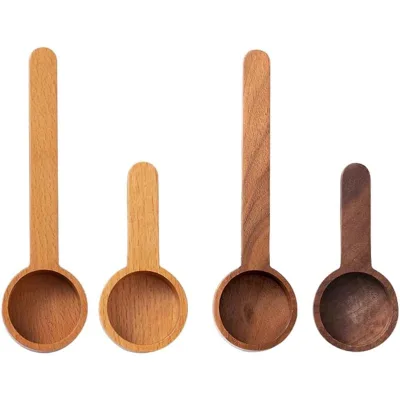
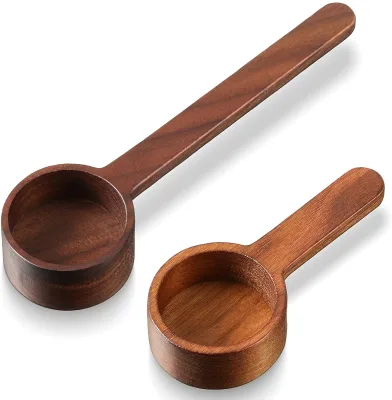
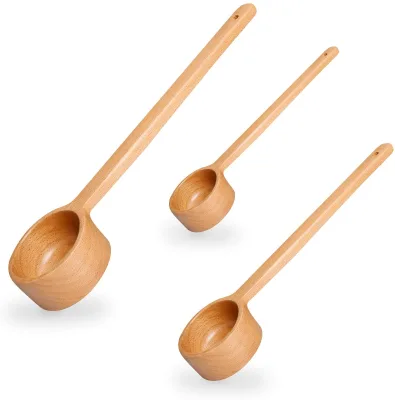


Wooden Child Honey Measuring Spoon
$0.10 - $0.13
MOQ: 100 Pieces
Nanping Jianyang Heng Xinwang Bamboo and Wooden Products Co., Ltd.


10/ 15 Ml Wooden Measuring Round Spoon
$0.28 - $0.40
MOQ: 100 Pieces
Nanping Jianyang Heng Xinwang Bamboo and Wooden Products Co., Ltd.


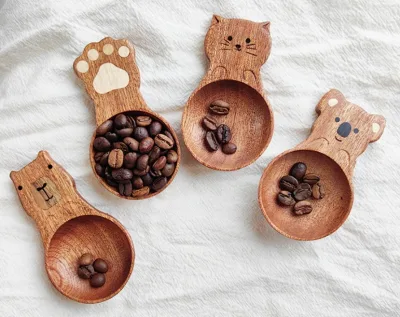
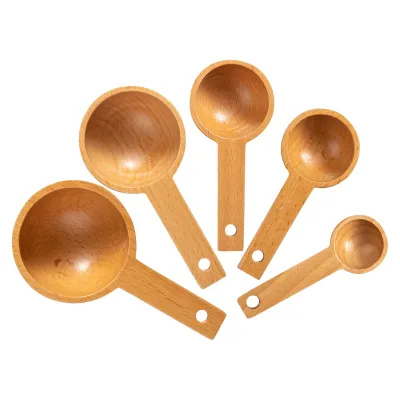


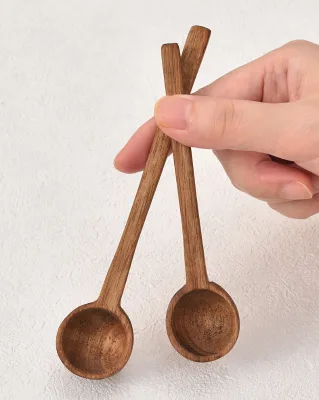
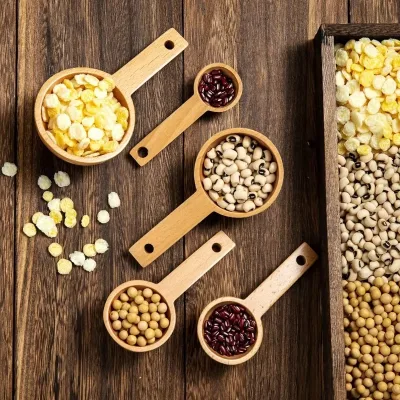


Natural Wooden Coffee Scoop Measuring Spoon for Coffee Beans From Factory
$0.10 - $0.90
MOQ: 50000 Pieces


Comprehensive Sourcing Guide
Eco-Friendly Wooden Coffee Measuring Spoon Sourcing Guide
Sourcing eco-friendly wooden coffee measuring spoons requires a nuanced understanding of material sustainability, functional design, and supply chain transparency. These utensils serve as both practical kitchen tools and aesthetic accessories, often bridging the gap between household utility and promotional merchandise. Buyers must navigate a market where "wood" is a broad category, encompassing bamboo, hardwoods, and engineered wood products, each with distinct durability, finish, and environmental implications. The decision to source wooden spoons is frequently driven by brand alignment with sustainability goals, consumer demand for non-plastic alternatives, and the desire for customizable, high-touch product experiences.
This guide provides a structured approach to evaluating suppliers, verifying technical specifications, and ensuring compliance with international safety standards. It focuses on the specific attributes observed in current market listings, such as material composition, certification requirements, and customization capabilities. By adhering to these evidence-based criteria, procurement professionals can mitigate risks associated with inconsistent quality, regulatory non-compliance, and supply chain disruptions. The following sections detail the critical factors that define a successful sourcing strategy for this product category.
Product Scope and Observed Listing Signals
The current market for wooden coffee spoons exhibits a wide range of product variations, primarily distinguished by material composition and design style. Listings frequently highlight bamboo and wood as the primary materials, with bamboo often favored for its rapid renewability and natural antimicrobial properties. The observed product attributes indicate a strong emphasis on modern and contemporary design styles, with finishes ranging from natural wood colors to light yellow and brown tones. Some suppliers offer multicolor or bicolor options, suggesting the use of stained or treated wood surfaces to meet diverse aesthetic preferences. These visual characteristics are critical for buyers targeting specific brand identities or retail environments.
Functional attributes and usage scenarios further define the product scope. These spoons are categorized under coffee and tea tools, with specific mentions of their use as houseware, business gifts, and kitchenware. The non-disposable nature of these items positions them as durable goods rather than single-use utensils, appealing to consumers seeking long-term sustainability. Customization is a dominant feature, with suppliers widely offering OEM and ODM services, including logo printing and customized packaging. This flexibility allows brands to create unique, branded merchandise that reinforces corporate identity while providing a functional, eco-friendly gift item.
Technical Specifications to Verify
Material integrity is the most critical technical specification to verify when sourcing wooden coffee spoons. Buyers must confirm whether the product is made from solid wood, bamboo, or a composite material, as this affects durability, weight, and resistance to warping. The observed listings mention materials such as bamboo and wood, with some specifying a "natural wood color" or "light yellow" finish. It is essential to request physical samples to assess the grain quality, surface smoothness, and absence of splinters. Additionally, the volume capacity of the spoon should be verified, as some listings indicate volumes below 1L, which is standard for measuring spoons but requires precise calibration for consistent dosing.
Dimensional accuracy and model consistency are also key verification points. Suppliers often provide specific model numbers, such as EH-N2144 or EH-N2780, which may correspond to different sizes or designs. Standard sizes observed in the market include 8 cm, 10.5 cm, and 14 cm, catering to various measuring needs from teaspoons to tablespoons. Buyers should ensure that the selected model aligns with their functional requirements and that the supplier can maintain consistency across production batches. Packaging details, such as bags or cartons, and the inclusion of customized packaging options, should be clearly defined to prevent damage during transit and to enhance the unboxing experience for end-users.
Compliance and Safety Documentation
Regulatory compliance is non-negotiable for wooden kitchenware entering international markets. The most critical certifications to verify are FDA, CE/EU, and LFGB, which attest to the safety of materials in contact with food. FDA compliance ensures that the wood and any finishes used are safe for food contact in the United States, while CE/EU and LFGB certifications are mandatory for entry into the European Union. These certifications confirm that the product does not leach harmful substances, such as heavy metals or toxic adhesives, into food or beverages. Buyers must request valid, up-to-date certification documents from suppliers and verify their authenticity through independent testing laboratories if necessary.
Beyond regulatory certifications, environmental and ethical standards play a significant role in the procurement of eco-friendly products. While some listings mention FSC certification, this should be treated as a high-confidence attribute only if explicitly confirmed by the supplier. FSC certification ensures that the wood is sourced from responsibly managed forests, aligning with sustainability claims. Buyers should also inquire about the treatment processes used on the wood, such as the type of oil or varnish applied, to ensure they are non-toxic and harmless. Documentation regarding the absence of harmful chemicals, such as formaldehyde or lead, should be part of the supplier’s quality assurance package.
Cost Drivers and Commercial Terms
Pricing for wooden coffee spoons is influenced by several factors, including material quality, customization complexity, and order volume. The observed price range of $0.05 to $9.22 USD reflects the diversity of products available, from basic, unbranded spoons to premium, intricately designed items with custom packaging. Higher prices are typically associated with superior wood grades, intricate designs, and extensive customization options, such as laser engraving or custom logo printing. Buyers should analyze the cost structure in relation to the desired quality level and brand positioning, avoiding the temptation to select the lowest price without considering long-term durability and customer satisfaction.
Minimum Order Quantities (MOQs) and payment terms are critical commercial considerations. MOQs in the market range from 10 to 50,000 pieces, with common thresholds at 500 and 10,000 pieces. Lower MOQs may be available for standard, non-customized items, while higher volumes are required for custom designs or specific packaging. Buyers should negotiate MOQs based on their sales forecasts and storage capacity, considering the possibility of starting with a smaller trial order. Additionally, lead times and shipping terms should be clearly defined to ensure timely delivery, especially for time-sensitive promotional campaigns or seasonal product launches.
Supplier Qualification and Quality Control
Supplier qualification begins with a thorough assessment of their manufacturing capabilities and quality control processes. Buyers should verify the supplier’s experience in producing wooden kitchenware, their production capacity, and their ability to handle OEM and ODM requests. A reliable supplier will have a robust quality control system in place, including inspections at various stages of production, from raw material sourcing to final packaging. Requesting references or case studies from previous clients can provide insights into the supplier’s reliability and consistency. Additionally, suppliers should be willing to provide samples for evaluation, allowing buyers to assess product quality firsthand before committing to a large order.
Quality control extends to the consistency of product attributes, such as color, size, and finish. Buyers should establish clear acceptance criteria for these attributes and communicate them to the supplier. Regular audits or third-party inspections may be necessary for large orders to ensure that the delivered products meet the agreed-upon standards. Suppliers who offer free samples, as observed in some listings, demonstrate confidence in their product quality and a willingness to collaborate with buyers to ensure satisfaction. Building a strong relationship with the supplier through clear communication and mutual trust can lead to better pricing, priority production, and improved problem-solving capabilities.
Long-Term Procurement Checks
Sustainability and ethical sourcing are long-term considerations that impact brand reputation and regulatory compliance. Buyers should regularly review their suppliers’ sourcing practices to ensure that the wood is sourced from sustainable and legally compliant origins. This includes verifying the supplier’s adherence to environmental regulations and their efforts to minimize waste and carbon footprint during production. Continuous engagement with suppliers on sustainability initiatives can drive improvements in material sourcing and manufacturing processes, aligning with evolving consumer expectations and corporate social responsibility goals.
Market trends and consumer preferences are also dynamic factors that require ongoing monitoring. The demand for eco-friendly products is growing, but so is the competition. Buyers should stay informed about new materials, designs, and technologies in the wooden kitchenware sector to maintain a competitive edge. Regularly updating product specifications and customization options can help brands remain relevant and appealing to consumers. Additionally, maintaining a diversified supplier base can mitigate risks associated with supply chain disruptions, ensuring a steady supply of high-quality wooden coffee spoons to meet market demand.
FAQs
What material is used for the eco-friendly wooden coffee measuring spoon?
The spoon is crafted from natural wood or a combination of bamboo and wood. This material choice ensures the product is eco-friendly, non-disposable, and suitable for kitchenware and business gifts while maintaining a modern design style.
Can I customize the logo on the wooden coffee measuring spoon?
Yes, logo customization is available and highly welcomed for these products. Buyers can request luxury style printing on the natural wood color or light yellow variants, with OEM and ODM services fully supported for bulk orders.
What certifications do the wooden coffee measuring spoons hold?
The products hold FDA, CE, EU, and LFGB certifications to ensure safety and compliance. These standards confirm the items are nontoxic, harmless, and sanitary, making them suitable for food contact applications in various international markets.
What is the minimum order quantity for these wooden coffee spoons?
The minimum order quantity varies between 500 pieces and 10,000 pieces depending on the specific model and customization needs. Buyers should verify the exact MOQ for their selected model number, such as EH-N2144 or Linca-a, before placing an order.
Where are these eco-friendly wooden coffee measuring spoons manufactured?
These spoons are manufactured in China, specifically originating from Nanping, Fujian. The production facilities offer customized packing options and support OEM services, ensuring the products meet specific buyer requirements for business gifts or houseware use.
Are samples available for the wooden coffee measuring spoon before bulk order?
Free samples are available for buyers to evaluate the product quality and design. This allows purchasers to verify the natural wood color, modern style, and eco-friendly features before committing to a larger order with customized packaging.