Source Eco-Friendly Wooden Salt and Pepper Mill for Restaurants, Hotels, and Gift Shops
Explore 30 verified listings for eco-friendly wooden salt and pepper mill options featuring manual operation and customizable designs. Buyers can compare materials like acacia and bamboo, sizes ranging from 4 to 10 inches, and packaging details from various Chinese manufacturers.
Key considerations
Products List


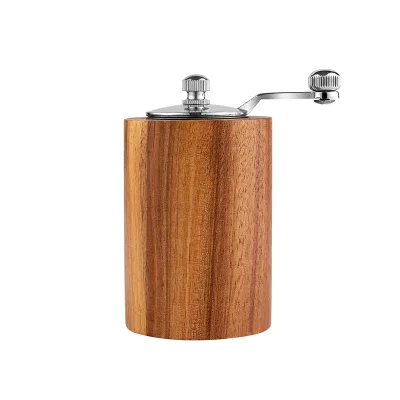
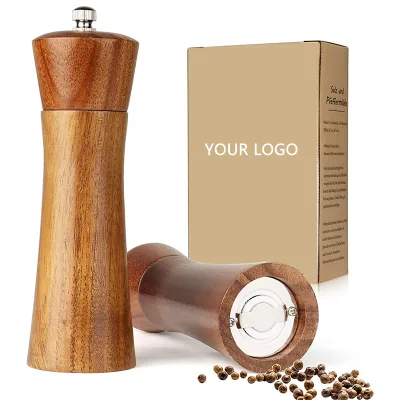


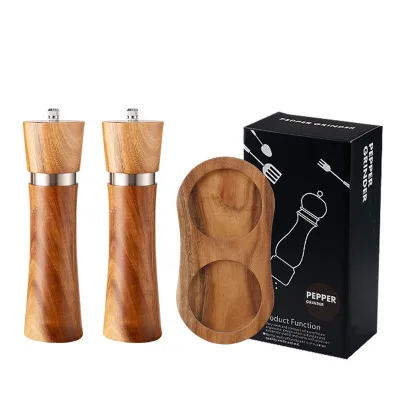

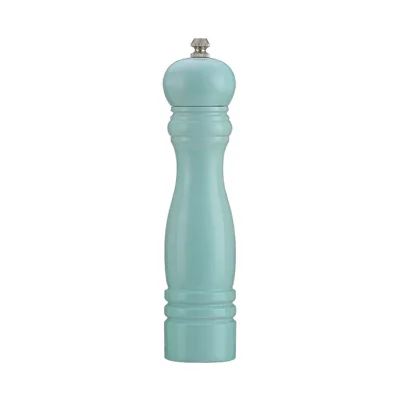


Eco-Friendly Mini Wooden Salt and Pepper Mill Set Portable Pepper Grinder
$1.08 - $1.38
MOQ: 100 pieces


Comprehensive Sourcing Guide
Strategic Sourcing Guide for Eco-Friendly Wooden Salt and Pepper Mills
The global demand for sustainable kitchenware has elevated the profile of wooden salt and pepper mills, positioning them as a critical category for B2B buyers seeking eco-friendly alternatives to plastic or metal grinders. For procurement professionals, the journey from concept to contract requires a disciplined approach that balances aesthetic appeal with rigorous technical verification. This guide outlines the essential parameters for sourcing these items, drawing strictly on observed market data and established industry practices to ensure a robust supply chain strategy.
Understanding Material Composition and Product Attributes
The foundation of any eco-friendly wooden mill lies in the specific timber selected. Market observations indicate a distinct preference for Acacia and Bamboo, both of which are frequently cited as primary materials in current listings. Acacia wood is often highlighted for its durability and resistance to moisture, making it suitable for high-humidity kitchen environments. Bamboo, conversely, is frequently marketed under attributes such as "Sustainable" and "Eco-Friendly," appealing to buyers with strict corporate social responsibility mandates.
When evaluating product listings, buyers must distinguish between the raw material and the finish. The observed color palette for these mills includes Natural, Carbonized, Black, Beige, Blue, Brown, Red, and Green. It is crucial to verify whether these colors are achieved through natural staining or chemical treatments, as this impacts the "eco-friendly" claim. Furthermore, the customization of color is a standard offering, allowing brands to align the product with specific packaging or corporate identity requirements. The shape is predominantly round, a design choice that ensures ergonomic handling during manual grinding operations.
Technical Specifications and Dimensional Standards
Precision in technical specifications is vital for inventory planning and logistics. The data reveals a variety of standard sizes, ranging from compact 4-inch models to larger 8-inch and 10-inch variants. Specific dimensional standards observed include 5x11.3cm (4 inches), 5x15.5cm (6 inches), and explicit inch-based measurements of 6, 8, and 10 inches. For buyers requiring precise fitment or specific shelf dimensions, these variations must be mapped against the target market's preferences.
The physical weight and packaging dimensions are equally critical for freight cost calculations. Observed single gross weights for individual units hover around 1.000 kg, though bulk packaging data suggests a total gross weight of 11.88 kg for a specific carton configuration. Packaging formats vary significantly; some suppliers utilize a 6PCS/Box, 12box/Carton structure, while others specify a single item packed in a bubble bag and paper box. For export-oriented shipments, the use of corrugated cartons is standard, with specific dimensions noted for different mill sizes, such as 59x29.5x37cm for 6-inch units and 65x33x31.5cm for 10-inch units. These metrics directly influence the number of units per container and the overall landed cost.
Compliance, Certification, and Regulatory Verification
In the realm of food-contact wooden products, certification is not merely a marketing tool but a regulatory necessity. The observed market data explicitly lists LFGB and ISO certifications as available standards. LFGB (German Food and Feed Code) is particularly stringent regarding food safety, ensuring that the wood and any finishes used do not leach harmful substances into salt or pepper. ISO certification generally indicates adherence to international quality management systems.
Buyers must exercise caution regarding other certifications often associated with sustainable wood, such as FSC (Forest Stewardship Council) or CE marking. While these are relevant to the broader category of eco-friendly goods, they should not be assumed present in every listing without explicit verification. The presence of "Carbonized" finishes may also require specific inquiries regarding the treatment process to ensure compliance with fire safety and chemical regulations in the destination market. Always request valid, current certificates from the supplier before finalizing an order, rather than relying on general category knowledge.
Cost Drivers and Economic Parameters
The pricing structure for wooden salt and pepper mills is influenced by material costs, customization levels, and order volume. The observed price range in the market spans from $0.28 to $8.45 USD per unit. This wide variance reflects differences in wood quality, finish complexity, and the inclusion of additional features like laser-engraved logos.
Minimum Order Quantities (MOQ) are another significant economic factor. The data indicates an MOQ range from as low as 2 pieces to as high as 3000 units. This flexibility allows buyers to test the market with small batches or secure bulk pricing for large-scale retail distribution. The "Stocked" feature observed in some listings suggests that certain standard models may be available for immediate shipment, potentially reducing lead times and inventory holding costs. Conversely, highly customized orders involving specific logos or colors may require longer production cycles. Payment terms typically involve a 30% deposit via Telegraphic Transfer (TT), a standard practice that mitigates risk for both parties.
Supplier Evaluation and Operational Capabilities
Selecting the right supplier requires a deep dive into their operational capacity and geographic location. The primary origins for these products are China, with specific hubs identified in Qingdao, Fujian, and Guangdong. Each region may offer different logistical advantages; for instance, Qingdao is a major port city, which can simplify export procedures for northern buyers.
Supplier reliability is often gauged by their stated supply ability. A common figure observed is a capacity of 50,000 sets per month, which indicates a robust manufacturing base capable of handling large retail orders. However, buyers should verify if this capacity is consistent year-round or subject to seasonal fluctuations. Sample lead times are another critical metric; the data suggests samples can be produced within 7 days, which is favorable for rapid prototyping and quality checks.
The customization capabilities of the supplier are paramount for branding. The market supports "Customized" logos, with laser engraving being a specific technique mentioned. This allows for permanent branding that withstands the wear and tear of kitchen use. Additionally, the acceptance of OEM (Original Equipment Manufacturer) services confirms that suppliers are willing to produce goods under the buyer's brand name, offering a high degree of market differentiation.
Quality Control and Application Scenarios
Quality control for wooden mills must address both structural integrity and surface finish. The manual style of these mills requires smooth grinding mechanisms that do not jam or strip. While specific test results are not provided in the general data, buyers should implement incoming quality control (IQC) protocols that check for wood grain consistency, finish adhesion, and the functionality of the grinding mechanism.
The application of these products extends beyond the home kitchen. The "Commercial" attribute indicates suitability for restaurants, hotels, and catering services. Furthermore, the "Gift" usage category suggests a strong potential for promotional items and corporate gifting. The versatility of the product, combined with its eco-friendly positioning, makes it an attractive option for businesses looking to enhance their sustainability credentials. The "Stocked" availability also supports quick-turnaround needs for event planners or retailers launching seasonal collections.
Long-Term Procurement and Sustainability Strategy
Sourcing eco-friendly wooden mills is not a one-time transaction but a long-term partnership strategy. Buyers should prioritize suppliers who demonstrate a commitment to sustainability beyond the initial product description. This includes verifying the source of the wood, ensuring it is harvested responsibly, and confirming that the production processes minimize waste and energy consumption.
The "Feature: Sustainable" and "Eco-Friendly" attributes observed in the market should be treated as claims requiring ongoing validation. As regulations evolve, particularly regarding plastic alternatives and chemical treatments, the supply chain must remain agile. Maintaining a relationship with suppliers who offer flexible customization and have a proven track record of meeting standards like LFGB will ensure that the procurement strategy remains compliant and competitive.
In conclusion, the market for eco-friendly wooden salt and pepper mills offers a diverse array of options for B2B buyers. By carefully analyzing material specifications, verifying certifications, understanding cost drivers, and evaluating supplier capabilities, procurement professionals can build a resilient supply chain. The key lies in moving beyond generic descriptions to specific, verified data points, ensuring that every unit delivered meets the highest standards of quality, safety, and sustainability.
FAQs
What certifications are available for these wooden mills?
LFGB and ISO certifications are available for these products. These standards ensure food safety and quality management compliance, which is essential for buyers requiring verified safety for kitchen use.
Can I request a customized logo on the grinder?
Yes, customized logos are accepted with laser engraving options. This allows brands to add permanent identification to the wood surface, aligning the product with specific corporate identity requirements.
What is the minimum order quantity for these mills?
The minimum order quantity ranges from 2 pieces to 3000 units depending on the supplier. This flexibility supports both small market testing batches and large-scale retail distribution orders.
How long does it take to receive a product sample?
Samples can be produced within 7 days. This rapid turnaround supports quick prototyping and quality checks before committing to a larger bulk order for your specific needs.
Which materials are used to make these salt and pepper mills?
Acacia wood and bamboo are the primary materials used. These woods are selected for their durability and sustainability, with bamboo often marketed as an eco-friendly alternative for green sourcing.
What packaging formats are used for export shipments?
Products are packed in cartons, often with corrugated protection for export. Specific configurations include 6 pieces per box and 12 boxes per carton, or individual bubble bags in paper boxes.
Can these mills be used in commercial settings?
Yes, these mills are suitable for commercial applications like restaurants and hotels. The manual style and durable wood construction meet the demands of high-volume kitchen environments.
What payment terms are typically required for these orders?
Payment terms typically involve a 30% deposit via Telegraphic Transfer. This standard practice mitigates risk for both parties while securing the production schedule for custom or bulk orders.