Source eco-friendly wooden soap dish for Bathroom, Kitchen, and Spa
Find 30 listings for eco-friendly wooden soap dish options featuring bamboo and wooden materials. Compare square and rectangle shapes with customization and laser engraving available for household and public use.
Key considerations
Products List


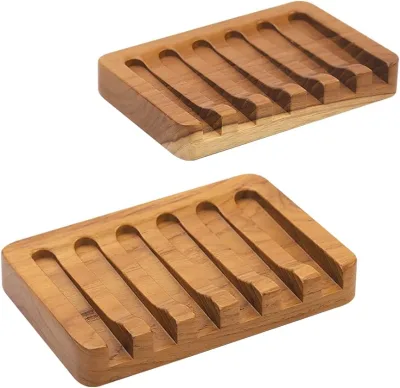
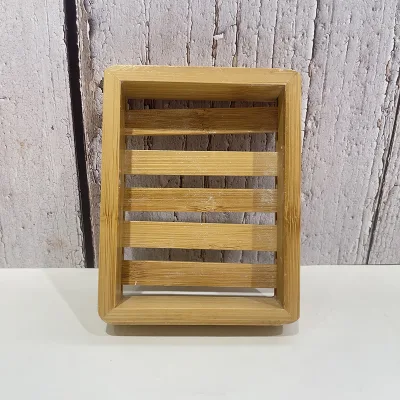
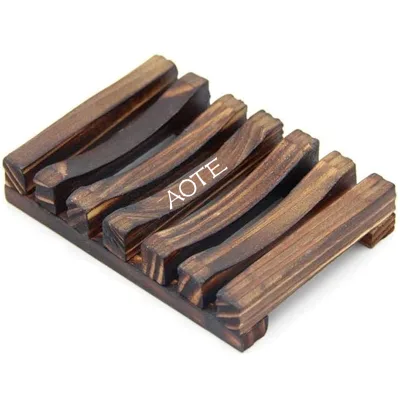
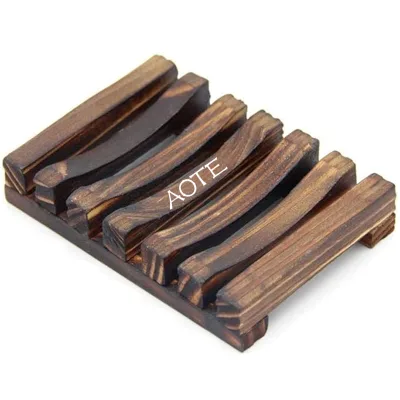
Natural Bamboo Wooden Bathroom Shower Soap Tray Storage Holder Wooden Soap Dish
$0.98 - $1.25
MOQ: 1000 Pieces


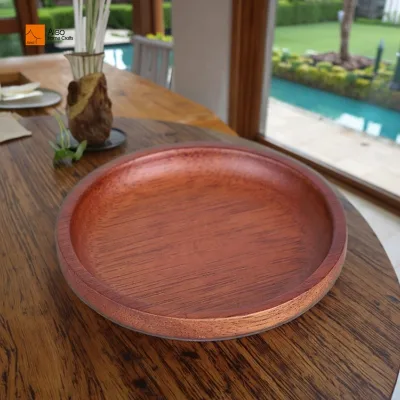
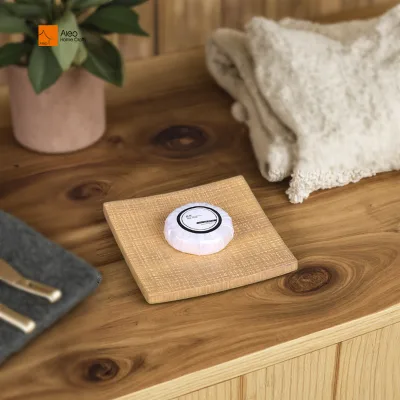
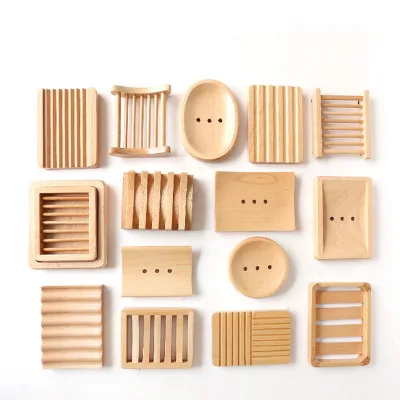


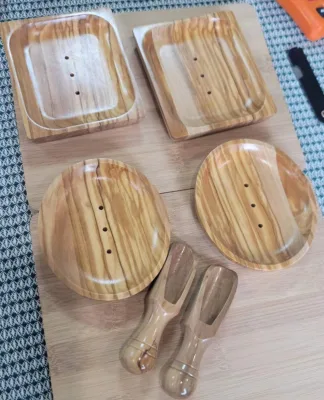




Comprehensive Sourcing Guide
Strategic Sourcing Guide for Eco-Friendly Wooden Soap Dishes
Understanding the Product Category and Material Composition
The global shift toward sustainable bathroom fixtures has elevated the demand for eco-friendly wooden soap dishes. These products serve a dual purpose: they provide a functional drainage solution for bar soaps while aligning with environmental consciousness through the use of renewable materials. Based on current market observations, the core material for these items is consistently identified as bamboo or general wood. Bamboo, specifically, is highlighted as a nature bamboo product, offering a distinct advantage in terms of rapid renewability and structural integrity.
When sourcing these items, buyers must first distinguish between the specific types of wood or bamboo used. The product attributes indicate that the material is often categorized simply as "Wooden/Bamboo," yet the specific application requires a material that can withstand constant exposure to moisture. The observed product types include "Bamboo Soap Dish" and general "Soap Dish" categories, with a specific model designation of "JMBamboo" appearing in the data. This suggests that while the general category is broad, specific high-performance variants exist that utilize bamboo's natural water-resistant properties.
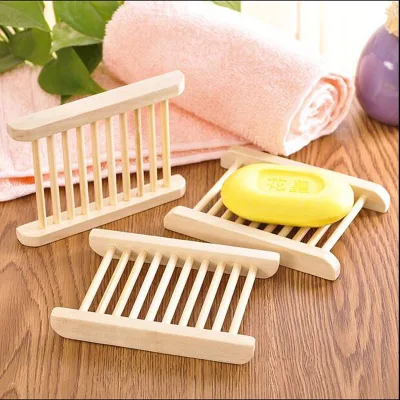
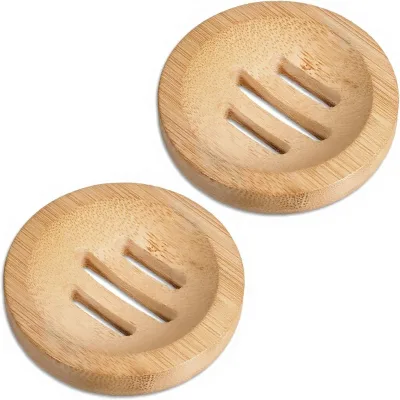
The physical form of these dishes varies significantly to suit different aesthetic and functional needs. The observed data lists both "Square" and "Rectangle" shapes as primary configurations. This geometric diversity allows procurement teams to match the soap dish to existing bathroom decor, whether the design language is modern and minimalist or traditional and rustic. The "Simple" style is a recurring attribute, indicating that the market trend favors clean lines and unadorned surfaces that emphasize the natural grain of the wood rather than heavy ornamentation.
Technical Specifications and Dimensional Standards
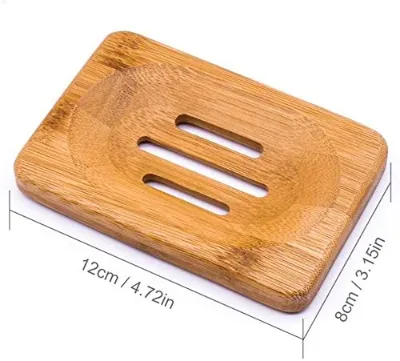
Precision in technical specifications is critical when ordering bulk quantities of wooden soap dishes. Unlike mass-produced plastic alternatives, wooden products can exhibit slight variations in dimensions based on the natural growth patterns of the bamboo or timber. The supplied data reveals specific standard dimensions that serve as a baseline for quality verification. One observed standard is listed as 12.5 cm by 8 cm by 1.5 cm, while another variant measures 12 cm by 9 cm by 1.9 cm. These measurements define the footprint and depth of the dish, which directly impacts its ability to hold a standard bar of soap and allow for adequate water drainage.
Thickness is another vital specification. The data explicitly notes a "Bamboo" thickness attribute, though it does not provide a single universal millimeter count. Instead, it suggests that buyers should verify the thickness against the specific model number, such as "EB-B5728" or "EB-6476." The variation in thickness (ranging from 1.5 cm to 1.9 cm in the observed samples) indicates that structural rigidity is a key differentiator. A thicker dish is generally more durable and less prone to warping over time, which is essential for a product that remains in a wet environment.
Surface finishing is equally important for the longevity and user experience of the soap dish. The observed data points to a "Polishing" process for the holder surface finishing. This step is crucial for removing splinters and ensuring a smooth touch. Additionally, the "Logo Type" is noted as "Concave," suggesting that branding is often achieved through engraving rather than painting or gluing, which could compromise the wood's natural finish. The "Folded" attribute is listed as "Unfolded," which may refer to specific collapsible designs or simply indicate that the product is sold in a rigid, non-collapsible state. Buyers must confirm if the specific model they are sourcing requires assembly or arrives as a single, solid unit.
Compliance, Certification, and Environmental Standards
Navigating the compliance landscape for eco-friendly wooden products requires a rigorous approach to certification verification. The primary goal is to ensure that the "Eco-Friendly" claim is substantiated by recognized standards. The observed data lists several certifications, including "CE," "ISO," and "SGS." The presence of CE certification indicates compliance with European safety, health, and environmental protection requirements, which is often a prerequisite for exporting to the European market. ISO certification, specifically mentioned alongside CE, suggests adherence to international management system standards, likely relating to quality control or environmental management.
The "SGS" standard is also prominently featured in the product data, often paired with "100% export Standard." SGS is a leading inspection, verification, testing, and certification company, and their involvement provides a third-party validation of the product's quality and safety. Buyers should specifically request the SGS test reports to verify that the wood has been treated to resist mold and insects, which are common issues in humid bathroom environments.
While the data mentions "Nature Bamboo" and "Eco-Friendly" as key attributes, it also lists a low-confidence background item regarding "FSC" (Forest Stewardship Council). Buyers should not assume FSC certification is present unless explicitly confirmed by the supplier. Instead, the procurement strategy should involve a direct inquiry to the supplier regarding the source of the bamboo or wood. The supplier must be able to trace the material back to sustainable forests or certified plantations. The "Products Quanlity" attribute claims "100% Exporter Standard," which implies that the manufacturing process meets the rigorous demands of international trade, but this claim should be backed by the aforementioned third-party certifications.
Cost Drivers and Pricing Dynamics
The pricing of eco-friendly wooden soap dishes is influenced by a complex interplay of material costs, manufacturing complexity, and order volume. The observed price range in the market spans from $0.15 to $5.00 USD per unit. This wide variance is not arbitrary; it reflects differences in material quality, size, finishing techniques, and the level of customization required. The lower end of the price spectrum likely corresponds to basic, unbranded models with standard dimensions and minimal finishing. Conversely, the higher end of the range likely includes customized models with laser-engraved logos, specialized packaging, or premium bamboo grades.
Minimum Order Quantity (MOQ) is a significant factor in the total cost of ownership. The observed MOQ range is between 50 and 5,000 units. Suppliers with lower MOQs (e.g., 50 units) may charge a higher unit price to cover setup costs, while those requiring higher volumes (e.g., 5,000 units) can offer more competitive pricing due to economies of scale. Buyers must balance their inventory needs with their budget constraints. For a startup or a small retailer, an MOQ of 500 units might be a manageable entry point, whereas a large hotel chain might negotiate directly for the 5,000-unit tier.
Customization is a major cost driver. The data confirms that "Customization" is available and that "OEM" (Original Equipment Manufacturer) services are accepted and welcomed. Customization options include "Laser Engraved" logos and "Customized" packaging, such as "OPP Bag" or "Carton Box Packaging." Each layer of customization adds to the production time and cost. For instance, switching from a standard "OPP Bag" to a "Carton Box" increases material and labor costs. Additionally, the "Logo Type" being "Concave" implies a specific engraving process that may be more expensive than surface printing. Buyers should request a detailed cost breakdown that isolates the base price from the customization fees to make informed decisions.
Typical Applications and Usage Scenarios
The versatility of eco-friendly wooden soap dishes makes them suitable for a wide range of applications. The observed data categorizes the usage as both "Household" and "Public." In a household setting, these dishes are ideal for guest bathrooms, master baths, or powder rooms where aesthetics are paramount. The "Simple" style and natural bamboo material blend seamlessly with various interior design themes, from Scandinavian minimalism to rustic farmhouse styles. The "Pure" color attribute suggests that the natural wood tone is preserved, offering a warm, organic look that contrasts nicely with modern fixtures.
In public settings, such as hotels, resorts, spas, and gyms, the durability and eco-friendly nature of the product become even more critical. The "Public" usage tag indicates that these dishes are designed to withstand higher traffic and more frequent cleaning. The "Without Installation" attribute confirms that they are freestanding units, making them easy to place on any flat surface without the need for drilling or mounting hardware. This portability is a significant advantage for hospitality managers who may need to rearrange amenities or replace damaged units quickly.
The "Capacity" of the product is listed as 200-500ml, which is a relevant metric for the volume of soap or water the dish can hold. While this is a liquid capacity, it serves as a proxy for the physical size of the dish. A larger capacity generally implies a larger surface area for the soap, which can accommodate larger bars or multiple bars. The "Sets" attribute, ranging from 1 to 3 pieces, suggests that some suppliers offer multi-packs, which is particularly useful for bulk procurement in hotels or for gift sets in retail environments. The "Warranty" of 1 year also indicates that the product is expected to have a functional lifespan that justifies a warranty, reinforcing its suitability for commercial use.
Supplier Evaluation and Quality Control Protocols
Selecting the right supplier is the most critical step in the procurement process. The data indicates that the "prod_origin" is "China," which is a major hub for bamboo and wooden product manufacturing. However, the location alone does not guarantee quality. Buyers must evaluate suppliers based on their adherence to the "100% Exporter Standard" and their ability to provide valid certifications like CE, ISO, and SGS. A reliable supplier should be transparent about their production process, from the sourcing of the bamboo to the final polishing and packaging.
Quality control should be a continuous process, not just a final inspection. The "After-Sales Service" is listed as "Provided," which is a positive indicator of supplier reliability. Buyers should verify the specifics of this service, including how defects are handled and the response time for replacements. The "Delivery Detail" specifies a lead time of 15 to 35 days after order confirmation. This range is typical for custom manufacturing but requires careful planning to avoid stockouts. Buyers should confirm the exact lead time for their specific order volume and customization requirements.
The "Packaging" options, ranging from "in Bulk/Cuztomized" to "Carton or Box," play a significant role in protecting the product during transit. Wooden products are susceptible to moisture damage and physical impact. The "OPP Bag" is a basic protection, while "Carton Box Packaging" offers superior protection for international shipping. Buyers should insist on packaging that includes moisture barriers and adequate cushioning to prevent warping or cracking. The "Logo" being "Laser Engraved" also implies a high level of precision in the branding process, which is a good indicator of the supplier's overall quality standards.
Long-Term Procurement and Sustainability Considerations
Sourcing eco-friendly wooden soap dishes is not just a transactional decision but a strategic move toward long-term sustainability. The "Eco Product" attribute, specifically "Nature Bamboo," highlights the renewable nature of the material. Bamboo is a grass that grows rapidly and requires fewer pesticides and fertilizers than traditional timber. However, the longevity of the product depends on proper maintenance and the quality of the finishing process. The "Polishing" mentioned in the data is essential for sealing the wood and preventing water absorption, which can lead to mold or rot.
Buyers should consider the entire lifecycle of the product. The "Warranty" of 1 year suggests that the manufacturer stands behind the product's durability. However, in a commercial setting, the actual lifespan may extend beyond this period if the product is well-maintained. Buyers should educate their end-users on proper care, such as drying the dish after use and avoiding prolonged submersion in water. This extends the product's life and reduces the frequency of replacement, aligning with the core "Eco-Friendly" value proposition.
Finally, the "OEM" and "Customization" capabilities allow buyers to build a unique brand identity around their eco-friendly products. By offering a soap dish that is not only functional but also aesthetically pleasing and environmentally responsible, businesses can differentiate themselves in a crowded market. The "Sets" option allows for creative bundling, such as pairing the soap dish with a matching soap bar or a bamboo toothbrush, creating a comprehensive sustainable bathroom kit. This approach not only increases the average order value but also reinforces the brand's commitment to sustainability.
| Feature | Observation | Procurement Implication |
|---|---|---|
| Material | Bamboo / Wooden | Verify source sustainability; check for water resistance treatment. |
| Shape | Square / Rectangle | Match to existing inventory or decor style; confirm dimensions. |
| Certification | CE, ISO, SGS | Request valid certificates; ensure they cover export markets. |
| Customization | Laser Logo, Custom Pack | Factor in lead time and cost for branding; verify logo depth. |
| MOQ | 50 - 5,000 Units | Negotiate based on volume; balance storage costs with unit price. |
| Lead Time | 15 - 35 Days | Plan inventory accordingly; confirm exact timeline for rush orders. |
| Warranty | 1 Year | Clarify terms for defects; ensure after-sales support is accessible. |
By adhering to these guidelines and leveraging the specific data points available, buyers can navigate the complex landscape of eco-friendly wooden soap dish procurement with confidence. The focus on verified certifications, precise technical specifications, and robust supplier evaluation ensures that the final product meets both functional and environmental expectations.
FAQs
What certifications do eco-friendly wooden soap dishes have?
These products typically hold CE, ISO, and SGS certifications to ensure safety and quality standards. The data confirms that ISO and CE marks are present alongside SGS standards for export compliance. Buyers should verify specific test reports to confirm mold resistance and material safety.
Can I customize the logo on these bamboo soap dishes?
Yes, customization is available with options for laser engraved or concave logos. Suppliers accept OEM requests and offer customized packaging like cartons or OPP bags. This allows brands to add unique identifiers while maintaining the natural bamboo aesthetic.
What are the standard dimensions for these soap dishes?
Standard dimensions observed include 12.5 by 8 by 1.5 cm and 12 by 9 by 1.9 cm. These sizes define the footprint and depth suitable for holding bar soap. Buyers should check specific model numbers like JMBamboo or EB-B5728 for exact measurements.
How long is the delivery time for bulk orders?
The typical delivery detail is 15 to 35 days after the order is confirmed. This lead time applies to custom manufacturing processes involving polishing and packaging. Buyers must confirm exact timelines based on their specific order volume and customization requirements.
Which materials are used for these eco-friendly soap dishes?
The primary materials are wooden or bamboo, specifically identified as nature bamboo. These materials are selected for their renewable properties and structural integrity in wet environments. The surface is polished to ensure a smooth finish free of splinters.
What is the minimum order quantity for these products?
The minimum order quantity ranges from 50 to 5000 units depending on the supplier. Lower MOQs may incur higher unit prices while larger volumes benefit from economies of scale. Buyers should negotiate based on their inventory needs and budget constraints.