Source Eco Friendly Wooden Scoop for Kitchen, Restaurant, Picnic
Compare 30 listings of Eco Friendly Wooden Scoop options from verified suppliers. Buyers can evaluate specifications like material, size, and customization to find the right tool for household, restaurant, or picnic use.
Key considerations
Products List


Multipurpose Wooden Kitchen Scoop Ladle Large Solid Wood Tablespoon Scoop
$0.96 - $0.98
MOQ: 1000 Pieces

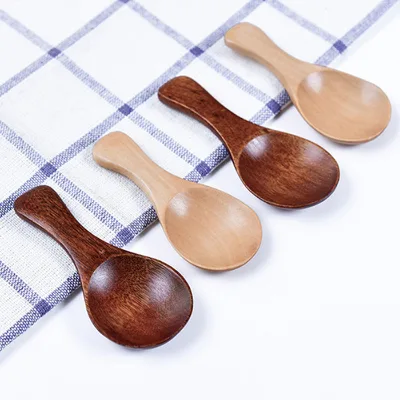


Bamboo Wooden Measuring Spoons Tea and Bath Salt Scoop Bamboo Coffee Scoop
$0.50 - $0.90
MOQ: 500 Pieces


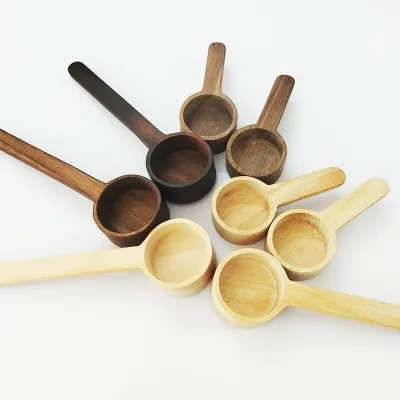
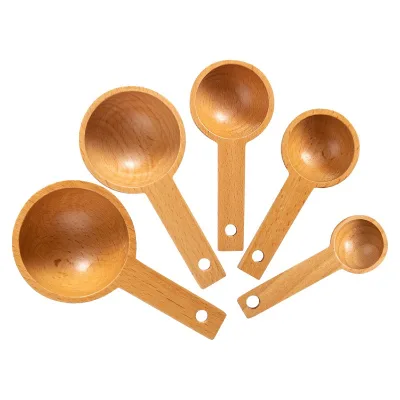
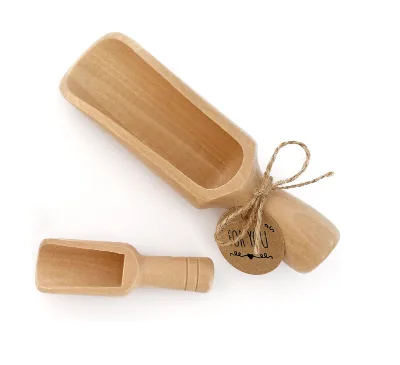


Natural Wooden Coffee Scoop Measuring Spoon for Coffee Beans From Factory
$0.10 - $0.90
MOQ: 50000 Pieces


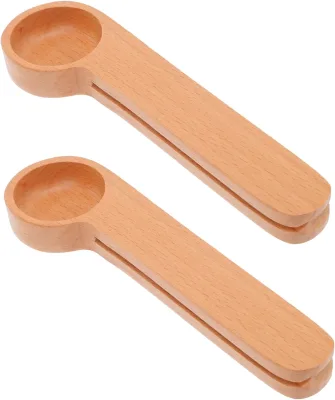
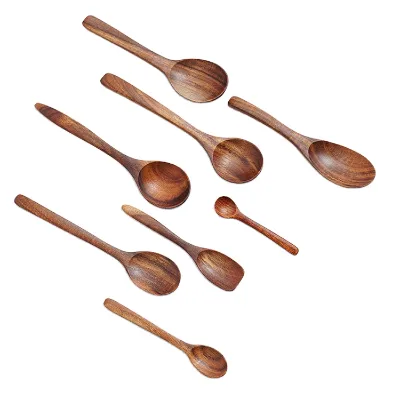


2024 New Arrival Wooden Birch Spoon Wooden Ice-Cream Spoon Ice-Cream Scoop
$0.02 - $0.02
MOQ: 50000 Pieces

100% Nature Birch 60*11/19*1.5mm Wooden Ice-Cream Spoon Ice-Cream Scoop
$0.00 - $0.01
MOQ: 10000 Pieces
Comprehensive Sourcing Guide
Eco Friendly Wooden Scoop Sourcing Guide
Sourcing eco-friendly wooden scoops requires a nuanced understanding of material sustainability, functional design, and supply chain transparency. These utensils serve as a critical alternative to plastic and metal options in both commercial and household settings, driven by consumer demand for biodegradable and aesthetically natural kitchenware. Buyers must navigate a market where "eco-friendly" is a broad claim, necessitating rigorous verification of wood origins, processing methods, and end-of-life disposal characteristics. The procurement process involves balancing cost-efficiency with ethical sourcing standards, ensuring that the final product meets both performance requirements and environmental commitments.
This guide provides a structured approach to evaluating suppliers and products in this category. It focuses on actionable verification steps, technical specification alignment, and commercial risk mitigation. By adhering to the evidence-based insights provided, procurement professionals can make informed decisions that align with corporate sustainability goals while maintaining operational efficiency. The following sections detail the critical factors that influence sourcing success, from initial product scope analysis to long-term supplier relationship management.
Product Scope and Observed Listing Signals
The current market landscape for wooden scoops reveals a diverse range of product configurations, primarily originating from China, with significant manufacturing hubs in regions like Guangdong. Listings indicate a strong emphasis on customization, with suppliers offering tailored solutions for branding and specific dimensional requirements. The observed product attributes highlight a focus on ergonomic design and safety, with features such as smooth, polished finishes and the absence of sharp edges being common selling points. These design elements are crucial for user experience, particularly in applications involving food service or household use where comfort and safety are paramount.
Material composition is a key differentiator, with birch wood emerging as a prevalent choice due to its durability and fine grain structure. Products are often marketed as BPA-free and biodegradable, appealing to environmentally conscious buyers. The observed listings show variations in size and weight, ranging from lightweight disposable options to heavier, more durable household scoops. Packaging methods vary from single units to bulk carton packaging, with some suppliers offering woven bag options for larger orders. This variability allows buyers to select products that best fit their distribution model, whether it involves direct-to-consumer sales or bulk supply to restaurants and retail chains.
Technical Specifications to Verify
Verifying technical specifications is essential to ensure that the wooden scoops meet the intended functional requirements. Buyers should pay close attention to dimensions, as observed standards include lengths around 9 inches and widths near 5.5 inches, with some variations extending to 105mm or 160mm for spork-style utensils. The thickness and overall weight of the scoop are critical for determining its durability and suitability for specific tasks, such as scooping dry goods versus serving hot foods. Suppliers often provide model numbers like YW-0810 or YW-0811, which can help in tracking specific product iterations and ensuring consistency across orders.
The finish and treatment of the wood also require careful verification. Polished surfaces are common, but buyers must confirm that no harmful chemicals or excessive varnishes are used, as this can impact the product's eco-friendly status. The natural color of the wood, often described as natural or unicolor, should be consistent to maintain aesthetic appeal. Additionally, the structural integrity of the handle and the bowl of the scoop should be assessed to prevent breakage during use. Suppliers may offer customized sizes, such as 83cm or 133.5cm, which require precise measurement verification to ensure they fit existing packaging or usage contexts.
Compliance and Safety Documentation
Compliance with safety and environmental standards is non-negotiable for eco-friendly wooden scoops. Buyers must request documentation that verifies the wood's origin and processing methods, ensuring that it meets recognized sustainability certifications such as FSC. While specific certification status may vary by supplier, the presence of such documentation is a strong indicator of responsible sourcing practices. Additionally, products should be free from harmful substances like BPA, lead, and other heavy metals, which can be verified through third-party testing reports.
Food safety compliance is another critical aspect, particularly for scoops intended for direct food contact. Buyers should ensure that suppliers adhere to relevant food contact material regulations, which may vary by destination market. Documentation should include declarations of conformity and test results demonstrating that the wooden scoops do not leach harmful chemicals into food. This is especially important for products marketed as biodegradable, as the decomposition process should not release toxic residues. Clear and accessible compliance documentation helps mitigate legal risks and enhances brand credibility.
Cost Drivers and Commercial Terms
Understanding the cost drivers in the wooden scoop market is vital for effective budgeting and negotiation. The primary cost factors include the type of wood used, the complexity of the design, and the volume of the order. Birch wood, while durable, may be more expensive than other alternatives, and customized designs often incur additional tooling and setup fees. Minimum Order Quantities (MOQs) vary significantly, ranging from small batches of 500 pieces to large orders of 100,000 pieces, impacting unit pricing and cash flow planning.
Commercial terms such as payment methods, lead times, and shipping arrangements also influence the total cost of ownership. Buyers should negotiate clear terms regarding packaging, as options like carton or woven bag packaging can affect shipping efficiency and product protection. It is important to clarify who bears the responsibility for customs duties and import taxes, especially when sourcing from international suppliers. Transparent communication about these commercial terms helps avoid unexpected costs and ensures a smoother procurement process.
Supplier Qualification and Quality Control
Supplier qualification is a critical step in mitigating supply chain risks. Buyers should conduct thorough due diligence on potential suppliers, verifying their business licenses, manufacturing capabilities, and quality management systems. Suppliers with a history of producing eco-friendly products and a commitment to sustainable practices are preferable. It is also important to assess their ability to handle customization requests and maintain consistent quality across large production runs.
Quality control measures should be established before placing orders, including pre-production samples and in-line inspections. Buyers should define clear acceptance criteria for dimensions, finish, and structural integrity. Regular audits and third-party inspections can help ensure that suppliers adhere to agreed-upon standards. Establishing a robust quality control process helps prevent defects and ensures that the final products meet the buyer's expectations, reducing the risk of returns and customer dissatisfaction.
Long-Term Procurement Checks
Long-term procurement success depends on continuous monitoring and relationship management. Buyers should regularly review supplier performance metrics, including on-time delivery rates, product quality, and responsiveness to issues. Building a strong partnership with suppliers can lead to better pricing, priority production, and collaborative innovation in product design. It is also important to stay updated on changes in sustainability standards and consumer preferences, adapting sourcing strategies accordingly.
Periodic re-evaluation of the supply base is necessary to ensure that suppliers continue to meet evolving requirements. This may involve exploring new suppliers or technologies that offer improved sustainability or cost-efficiency. Maintaining open communication channels with suppliers facilitates problem-solving and fosters a collaborative environment. By focusing on long-term relationships and continuous improvement, buyers can secure a reliable supply of eco-friendly wooden scoops that align with their business goals and values.
FAQs
What customization options are available for wooden scoops?
Customization is available for these wooden scoops to meet specific buyer needs. The products support customized designs and can be tailored to specific dimensions like 8*3cm or 13*3.5cm. Buyers can request unique features while maintaining the eco-friendly and biodegradable nature of the birch wood material.
Which materials are used to make these eco-friendly scoops?
These scoops are crafted from birch wood, ensuring they are both eco-friendly and biodegradable. The material is polished for a smooth finish and features an ergonomic design. This natural wood construction makes the items safe for household and restaurant use without sharp edges.
How does the packaging work for bulk orders of wooden scoops?
Packaging options include single packaging, cartons, or woven bags depending on the order size. Some listings specify a packing capacity of 5000 pieces per carton. Buyers can also request customized packaging solutions to suit their specific logistics and distribution requirements.
What is the minimum order quantity for these wooden scoops?
The minimum order quantity varies significantly based on the specific product model and supplier. Observed MOQs range from 5 cartons to 100,000 pieces. Some specific models list an MOQ of 500 pieces, while others require orders of 10,000 pieces or more.
Can I find wooden scoops with specific dimensions like 93mm?
Yes, specific dimensions such as 93*20mm are available for certain models. Other standard sizes include 8.5*3.5cm and 9 inches in length. Buyers can also request custom sizes to ensure the scoop fits their specific cookware or serving needs perfectly.
Where are these eco-friendly wooden scoops manufactured?
These products originate from China, specifically from the Guangdong region. The manufacturing location ensures access to high-quality birch wood and established production facilities. Buyers can expect products to be shipped from this region with standard lead times associated with Chinese manufacturing.
Are these wooden scoops suitable for adult use in restaurants?
Yes, these scoops are designed for adult use in various settings including households, restaurants, and picnics. They feature safe handles and no sharp edges, making them ideal for food service. The natural bamboo or birch wood material is safe for direct food contact.