Source Educational Musical Toy for Kids for Learning, Play, and Gifting
Compare 30 Educational Musical Toy for Kids options featuring sound recording, lights, and remote controls. Buyers can evaluate specifications like battery type, materials, and certifications from suppliers in Shenzhen and Shantou to find suitable wholesale solutions; compare the available evidence and request quotations based on your requirements.
Key considerations
Products List


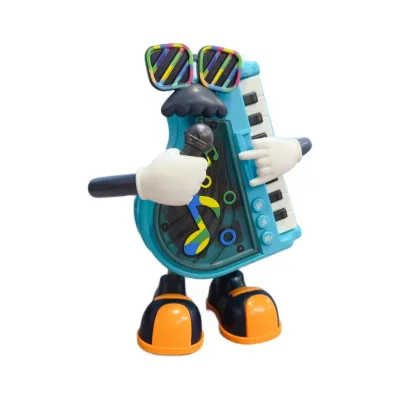


Wooden Educational Instrument Green 25 Keys Piano Toy for Kids and Children
$18.00 - $22.00
MOQ: 500 Pieces

Wooden Educational Instrument Colorful 18 Keys Piano Toy for Kids and Children
$18.00 - $22.00
MOQ: 500 Pieces

Wooden Educational Instrument Blue 18 Keys Piano Toy for Kids and Children
$18.00 - $22.00
MOQ: 500 Pieces

Children Educational Piano Electronic Organ Musical Toy with Light and Music
$5.50 - $8.00
MOQ: 180 Pieces




Comprehensive Sourcing Guide
Educational Musical Toy for Kids Sourcing Guide
Sourcing electronic educational toys requires balancing interactive functionality with strict safety compliance. Buyers must prioritize products that combine auditory engagement with tactile learning, ensuring the device supports early childhood development without posing physical risks. The market offers various forms, from book-style interfaces to standalone keyboard instruments, each serving distinct pedagogical goals. Understanding these form factors is the first step in aligning procurement with specific curriculum or retail needs.
Procurement teams should evaluate how different product types integrate into their existing supply chain. Whether selecting a hard-cover book with embedded electronics or a standalone plastic keyboard, the choice impacts packaging, shipping volume, and end-user experience. Buyers need to assess whether the toy’s interactive elements, such as sound recording or light flashes, enhance the educational value or merely serve as decorative features. This distinction is critical for justifying price points and meeting consumer expectations for quality and durability in the competitive children’s toy sector.
Product Scope and Observed Listing Signals
The current market landscape includes diverse product models such as the Tw-011, Tw-044, and Tw-014, which represent variations in design and functionality. These items often feature hard covers or plastic bodies, catering to different aesthetic and durability requirements. Observations indicate that many listings emphasize customization options, allowing buyers to tailor product sizes and branding to their specific market segments. This flexibility is particularly valuable for private label opportunities where brand identity is paramount.
Functional attributes observed in these listings include music playback, light flashes, sound recording, and remote control capabilities. These features suggest a focus on multi-sensory engagement, which is a key selling point for modern educational toys. Buyers should note that while many products are described as books, they are fundamentally electronic devices requiring specific power sources, such as AG10 batteries. This hybrid nature means that inventory management must account for both electronic components and physical book-like structures, affecting storage and handling procedures.
Technical Specifications to Verify
Technical verification begins with power requirements and battery management. Many electronic toys in this category rely on multiple AG10 batteries, which must be securely housed to prevent leakage or access by young children. Buyers should confirm the battery compartment design and ensure that the product includes clear instructions for battery installation and replacement. Additionally, the use of ABS plastic for structural components is common, offering durability and impact resistance, but buyers must verify the specific grade and quality of the plastic used in manufacturing.
Connectivity and control mechanisms are another critical area for technical assessment. Products featuring remote controls or electric functions require robust circuitry to ensure reliable performance. Buyers should inquire about the lifespan of electronic components and the ease of troubleshooting common issues. Furthermore, the inclusion of sound recording functions adds complexity to the product’s software and hardware integration. It is essential to verify that these features operate smoothly and do not interfere with other functions, such as music playback or light effects, during extended use.
Compliance and Safety Documentation
Safety compliance is non-negotiable in the children’s toy industry, with standards like ASTM F963, EN71, and CE marking serving as baseline requirements. Buyers must ensure that suppliers provide valid certification documents for each product model, verifying that the toys meet the specific safety regulations of their target markets. The presence of additional certifications such as RoHS, PAHs, and Phthalates restrictions indicates a higher level of chemical safety, which is crucial for protecting children from harmful substances.
Documentation should also cover electromagnetic compatibility (EMC) and other technical standards like CCC, depending on the region of sale. Buyers should request test reports from accredited laboratories to validate these claims, rather than relying solely on supplier assertions. It is important to verify that the certifications are current and applicable to the specific product variants being ordered. Any gaps in compliance documentation can lead to customs delays, product recalls, or legal liabilities, making thorough verification a critical step in the sourcing process.
Cost Drivers and Commercial Terms
Cost structures in this category are influenced by material choices, electronic complexity, and customization levels. Products with advanced features like sound recording or remote controls typically command higher prices due to increased component costs and assembly complexity. Buyers should analyze the price-to-feature ratio to determine the best value for their target market. Additionally, the MOQ (Minimum Order Quantity) can vary significantly, ranging from small trial orders to large bulk purchases, affecting cash flow and inventory planning.
Commercial terms such as packaging and shipping methods also impact the total landed cost. Standard export cartons and individual PP bags are common packaging solutions, but custom color boxes may incur additional charges. Buyers should negotiate clear terms regarding packaging specifications to avoid unexpected costs. Furthermore, understanding the supplier’s production capacity and lead times is essential for maintaining consistent supply. Early communication about order volumes and delivery schedules can help mitigate risks associated with production delays or capacity constraints.
Supplier Qualification and Quality Control
Supplier qualification involves assessing the manufacturer’s production capabilities and quality management systems. Buyers should verify the supplier’s location, such as Shenzhen or Shantou, which are known hubs for toy manufacturing, and evaluate their experience in producing electronic educational toys. It is important to confirm that the supplier has a robust quality control process, including pre-production samples and final random inspections. This ensures that the products meet the specified standards and perform as expected before shipment.
Quality control should also extend to the verification of materials and components. Buyers should request samples to test the durability of ABS plastic and the reliability of electronic functions. Additionally, it is crucial to verify that the supplier adheres to ethical manufacturing practices and provides transparent communication throughout the production process. Establishing a strong relationship with a qualified supplier can lead to better pricing, improved product quality, and more reliable delivery schedules, ultimately supporting the long-term success of the procurement strategy.
Long-Term Procurement Checks
Long-term procurement success depends on continuous monitoring of product performance and market feedback. Buyers should establish a system for collecting customer reviews and identifying any recurring issues with the toys, such as battery life or electronic failures. This feedback loop allows for proactive improvements and helps maintain product quality over time. Regular audits of supplier performance, including delivery reliability and compliance adherence, are also essential for sustaining a high-quality supply chain.
As market trends evolve, buyers should remain flexible and open to new product innovations. The educational toy sector is dynamic, with new features and technologies emerging regularly. By staying informed about industry developments and maintaining strong relationships with suppliers, buyers can adapt their procurement strategies to meet changing consumer demands. This proactive approach ensures that the product portfolio remains competitive and relevant, supporting sustained growth and customer satisfaction in the long run.
FAQs
What certifications do these educational musical toys have?
These toys meet ASTM F963-96a, EN71, CE, RoHS, PAHs, Phthalates, EMC, and Fsc standards. They also comply with CCC requirements. This ensures safety for children aged 3-8 years. The materials used are ABS plastic, which is durable and non-toxic. These certifications verify compliance with international safety regulations for electronic toys.
Can these toys be customized for specific needs?
Yes, customization is available for product size and design. You can request specific features like music, light flashes, or sound recording. The toys support remote control functions and electric operation. Custom packaging options include individual PP bags or color boxes. This flexibility allows buyers to tailor products to their target market requirements effectively.
What is the minimum order quantity for these items?
The minimum order quantity ranges from 1 to 3000 units depending on the model. Some items require a minimum of 3 cartons. Pricing varies between 0.67 and 22 USD per unit. Buyers should check specific model requirements for exact MOQs. This range accommodates both small trial orders and large wholesale purchases efficiently.
Where are these educational toys manufactured?
These toys originate from Shenzhen and Shantou in Guangdong, China. The manufacturing facilities ensure quality control and efficient production. The location supports reliable supply chain logistics for global distribution. Buyers can expect consistent product quality from these established manufacturing hubs in China.
What functions do these electronic musical books offer?
These books offer music, flash of light, sound recording, and remote control functions. They are designed as educational toys for children aged 3-8 years. The hard cover and ABS material ensure durability. These features engage children while providing interactive learning experiences through sound and light effects.
How are these toys packaged for shipping?
Packaging includes standard export cartons for bulk shipping. Individual items are packed in PP bags or color boxes. This ensures protection during transit and easy handling. The packaging is designed to meet export standards. Buyers receive products securely packed to prevent damage during international shipping logistics.