Source Efficient Motors Cold Rolled Steel for Industrial, Car, and Power Tools
Compare 30 listings of Efficient Motors Cold Rolled Steel from verified suppliers in China. Buyers can evaluate models like YE3 and YVF2, check specifications such as IP55 protection and 220V-380V voltage, and review cold rolled processing services for industrial, automotive, and appliance applications.
Key considerations
Products List


Stator and Rotor for Gear Speed Regulating Motor, Silicon Steel Material
$0.50 - $50.00
MOQ: 1000 Pieces

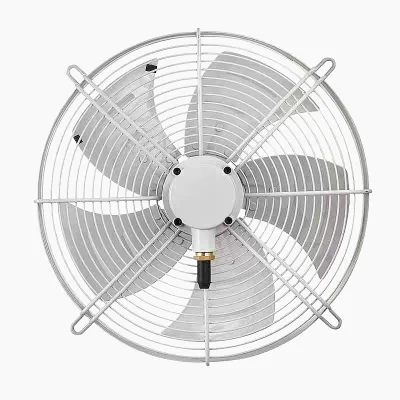
$86.63 - $163.07
MOQ: 10 Minimum
Comprehensive Sourcing Guide
Sourcing Efficient Motors and Cold Rolled Steel Components
The global industrial procurement landscape increasingly demands a convergence of high-efficiency motor technology and precision-engineered steel components. For buyers focusing on the intersection of efficient motors and cold rolled steel, the sourcing strategy must navigate a complex matrix of technical specifications, material grades, and application-specific requirements. The available market data reveals a diverse product ecosystem where steel pipes and motor assemblies often share supply chains, yet serve distinct functional roles. This guide provides a structured approach to evaluating these components, ensuring that procurement decisions are grounded in verifiable facts rather than unverified marketing claims.
Technical Specifications and Material Grades
When sourcing efficient motors and cold rolled steel, the first critical step is defining the precise technical parameters. The market data indicates a strong presence of cold-rolled steel products, characterized by specific surface treatments and processing services. For steel components, the technique is explicitly noted as "Cold rolled," which often implies a higher dimensional accuracy and superior surface finish compared to hot-rolled alternatives. The processing services for these steel products include cutting, decoiling, and slitting, suggesting that suppliers can provide semi-finished goods ready for further manufacturing integration.
In the realm of efficient motors, the technical profile is equally detailed. Buyers should look for motors with specific rotor structures, such as the "Squirrel-Cage" design, which is standard for robust industrial applications. The starting modes vary significantly, ranging from "Direct on-line Starting" to "Soft Starter" and "Variable Frequency Starting." The latter is particularly relevant for efficiency optimization, as it allows for precise speed control and reduced energy consumption during startup. Voltage ratings observed in the market span from 220V to 380V, with a standard frequency of 50Hz. Protection levels are critical; specifications such as "IP55" and "Explosion-Proof Type" indicate suitability for harsh environments, while "Closed Type" and "Protection Type" cover general industrial use.
The material composition for steel components often involves Carbon Steel, with grades such as J55, K55, N80, L80, C90, C95, and P110 appearing in the context of pipeline and drilling applications. While these grades are specific to oil and gas sectors, they inform the buyer about the availability of high-strength steel variants. For general motor components, the steel must meet standards like BS, DIN, and EN. It is essential to verify that the cold-rolled steel meets the specific mechanical properties required for the motor's housing or internal structural elements, ensuring compatibility with the motor's operational speed, which can range from low to high speeds.
Compliance, Certification, and Standard Verification
Navigating the compliance landscape is vital for B2B procurement, especially when dealing with industrial motors and steel products. The data highlights several standards that serve as benchmarks for quality and safety. For steel products, standards such as ASTM, DIN, GB, and JIS are referenced, alongside specific model numbers like ASTM, DIN EN Q195/Q235/Q235b/Q345. These designations indicate that the steel must conform to international or regional specifications for chemical composition and mechanical strength.
For motors, the certification landscape includes "CCC" (China Compulsory Certification) and specific explosion-proof grades like "Exdbiibt4GB." The latter is a crucial indicator for motors intended for use in hazardous environments where flammable gases or dust may be present. Buyers must verify that the "Explosion-Proof Grade" matches the specific safety requirements of their operational site. Additionally, the "Protection Level" of IP55 suggests a degree of protection against dust and water jets, which is a standard requirement for many industrial settings.
It is important to note that while some data points list certifications like "CCC" or "ISONumber," these should be treated as observations of specific listings rather than universal guarantees for all products in the category. Procurement teams must request current, valid certificates from the supplier for the specific batch of goods. The "Standard" field for motors often lists "See details" or "Customized," indicating that compliance is not a one-size-fits-all scenario. Buyers should explicitly request the relevant test reports and certification documents that correspond to the specific model number, such as YE3-180M2 or YVF2-112M, to ensure they are purchasing compliant equipment.
Cost Drivers and Pricing Dynamics
Understanding the cost drivers for efficient motors and cold rolled steel is essential for budgeting and negotiation. The observed price range in the market is vast, spanning from 0.4 to 10,000 USD. This wide variance is driven by several factors, including the complexity of the motor design, the grade of steel used, and the level of customization required. For steel components, the cost is influenced by the processing services offered, such as cold rolling, cutting, and slitting. The "Cold Drawn" technique mentioned for steel pipes also adds value due to the increased precision and strength it provides.
For motors, the cost is heavily influenced by the efficiency class, the starting mode, and the protection rating. Motors with "Variable Frequency Starting" capabilities or "Explosion-Proof" ratings typically command a premium over standard "Direct on-line Starting" models. The "Rated Voltage" and "Operating Speed" also play a role; high-speed motors or those with specialized voltage requirements may incur higher manufacturing costs. Furthermore, the "Customization" availability allows buyers to tailor products to their needs, but this often increases the unit price and the Minimum Order Quantity (MOQ).
The MOQ range observed is between 1 and 1000 units. This flexibility suggests that buyers can source small batches for prototyping or large volumes for mass production. However, the "Invoicing" practices and "Packing" methods (such as PVC packages or wooden boxes) can also impact the final landed cost. Buyers should consider that "Wooden Box" packing is often required for heavy or high-value motor shipments to prevent damage, which adds to the logistics cost. Similarly, the "Surface Treatment" of the steel, whether "Black" or "Cold rolled," affects the price, with more intensive treatments generally costing more.
Typical Applications and Industry Use Cases
The versatility of efficient motors and cold rolled steel is evident in their diverse application profiles. Steel products are utilized in a wide array of sectors, including Pipeline Transport, Machinery Industry, Mining, Chemical Industry, and Oil/Gas Drilling. The specific usage cases for steel pipes include Fluid Pipe, Boiler Pipe, Hydraulic Pipe, and Gas Pipe. These applications demand high durability and resistance to pressure and corrosion, which is why grades like N80 and P110 are common in the oil and gas sector.
Efficient motors, on the other hand, are designed for Industrial, Car, Household Appliances, Power Tools, and Universal applications. The "Squirrel-Cage" rotor structure is particularly suited for industrial machinery where reliability is paramount. The "Cooling Method" of IC411 indicates a self-cooling design, which is standard for many industrial motors. The "Operating Speed" can be tailored to the application, with options for both "High Speed" and "Low Speed" motors. This adaptability makes them suitable for everything from heavy-duty manufacturing equipment to precision power tools.
The intersection of these two materials is often found in the construction of the machinery itself. For instance, cold rolled steel might be used to fabricate the housing or structural frames for motors, while the motor itself drives the machinery. In the "Construction & Decoration" sector, steel pipes are used for structural support, while motors power the tools and equipment used on-site. In the "Food/Beverage/Dairy Products" industry, the "Closed Type" protection and specific surface treatments ensure that the equipment meets hygiene standards. Buyers should align their procurement with these specific industry requirements to ensure the components perform reliably in their intended environment.
Supplier Evaluation and Origin Considerations
Evaluating suppliers requires a focus on their location, capabilities, and track record. The data indicates that products originate from regions such as Shandong and Hebei in China, with specific manufacturers like "Hebei Xiangli Motor Manufacturing Co., Ltd" identified. While specific supplier names should not be recommended, the existence of such entities highlights the concentration of manufacturing hubs in these areas. Buyers should verify the "prod_origin" of the goods to ensure they align with their supply chain strategy, as regional differences can impact logistics costs and lead times.
When evaluating a supplier, buyers should assess their "Processing Service" capabilities. The ability to offer "Welding, Punching, Cutting, Bending" for steel products indicates a comprehensive manufacturing facility. For motors, the availability of "Logo Customization" and "Customized" standard options suggests a supplier capable of tailoring products to specific brand or technical needs. The "prod_packing" methods, such as "PVC Package Based on The Requests of Customers" or "Wooden Box," also reflect the supplier's attention to detail and logistics readiness.
It is crucial to verify the "Standard" and "Certification" claims directly with the supplier. The presence of "CCC" or "Exdbiibt4GB" in the data should be confirmed with valid documentation. Buyers should also inquire about the "Lead Time" and "MOQ" to ensure the supplier can meet their production schedules. The "Invoicing" practices should be clear and transparent to avoid any financial discrepancies. By focusing on these tangible aspects of supplier capability, buyers can mitigate the risks associated with sourcing from a global market.
Quality Control and Long-Term Procurement Strategy
Ensuring long-term success in procurement requires a robust quality control (QC) strategy. For cold rolled steel, the "Surface Treatment" and "Technique" are key indicators of quality. The "Cold rolled" process must be monitored to ensure the steel maintains its dimensional stability and surface finish. For motors, the "Protection Level" and "Casing Protection" are critical for longevity. The "IP55" rating and "Explosion-Proof Type" must be verified through testing to ensure they meet the specified safety standards.
Buyers should implement a QC protocol that includes incoming inspection of both materials and finished products. This involves checking the "Grade" of the steel against the required specifications and verifying the "Rated Voltage" and "Operating Speed" of the motors. The "Standard" compliance, such as ASTM, DIN, or EN, should be confirmed through third-party testing if necessary. The "Customization" aspect should be closely monitored to ensure that any bespoke requirements are met without compromising the core performance of the product.
Long-term procurement considerations also involve building a relationship with suppliers who can offer consistent quality and support. The "Customization" availability suggests that suppliers are willing to adapt to changing needs, which is valuable for long-term partnerships. Buyers should also consider the "Invoicing" and "Packing" practices as part of the overall value proposition. By focusing on these quality and strategic factors, buyers can ensure a reliable supply chain that supports their operational efficiency and safety standards.
FAQs
What grades of carbon steel are available for these pipes?
Available grades include J55, K55, N80, L80, C90, C95, and P110. These grades are suitable for pipeline transport, oil and gas drilling, and construction applications requiring high strength.
Which starting modes are supported for the efficient motors?
Motors support Direct on-line Starting, Soft Starter, and Variable Frequency Starting. Variable Frequency Starting is ideal for optimizing efficiency and controlling operating speeds in industrial settings.
Can I request custom packaging for the steel products?
Yes, customization is available with PVC packages based on customer requests. Buyers can also specify wooden box packing for motors to ensure safe transport of heavy components.
What certifications do the motors and steel products hold?
Products carry CCC certification and specific explosion-proof grades like Exdbiibt4GB. Motors also meet protection levels such as IP55 for dust and water resistance in industrial environments.
How is the cold rolled steel processed for delivery?
Processing services include cutting, decoiling, and slitting for cold rolled steel. The technique ensures high dimensional accuracy and superior surface finish for precision engineering applications.
What voltage ratings are available for the industrial motors?
Rated voltages range from 220V to 380V at a standard frequency of 50Hz. These ratings support diverse applications ranging from household appliances to heavy industrial machinery.
Where are the efficient motors and steel components manufactured?
Products originate from regions like Shandong and Hebei in China. Specific manufacturing hubs include facilities like Hebei Xiangli Motor Manufacturing Co., Ltd for verified production quality.