Source Egg Carton for Fruit, Egg, and Food Packaging
Find 30 Egg Carton options for fruit, egg, and food packaging. Compare specifications like material, size, and customization to select the right supplier for your needs. Explore various styles including clamshell designs and mechanical pulp options available from Chinese manufacturers with export packing standards.
Key considerations
Products List


Egg Trays Chicken Eggs Box Paper Pulp Egg Carton
$0.07 - $0.30
MOQ: 1000 Pieces
Dezhou Chunyang Environmental Protection Materials Co., Ltd.

Colored Egg Trays Chicken Eggs Box Paper Pulp Egg Carton
$0.07 - $0.30
MOQ: 1000 Pieces
Dezhou Chunyang Environmental Protection Materials Co., Ltd.


4 Holes Disposable Paper Egg Tray Carton
$0.07 - $0.30
MOQ: 1000 Pieces
Dezhou Chunyang Environmental Protection Materials Co., Ltd.

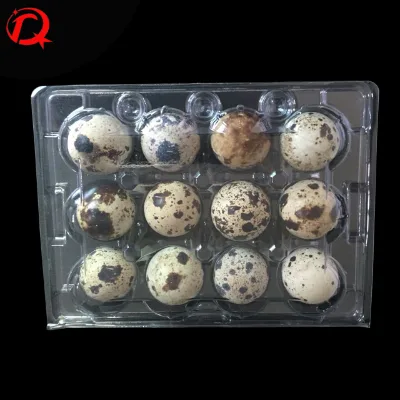


Eco Friendly Customized Biodegradable Paper Egg Box Cardboard Egg Cartons Sale
$0.03 - $0.14
MOQ: 20000 Pieces

Pulp Egg Tray Customized Biodegradable Egg Cartons 12 Counts and 6 Counts
$0.03 - $0.14
MOQ: 20000 Pieces

Paper Pulp Egg Tray Customized Biodegradable Egg Cartons 12 Counts and 6 Counts
$0.03 - $0.14
MOQ: 20000 Pieces


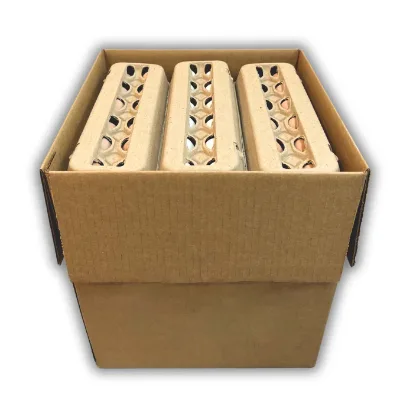
Biodegradable Paper Pulp 12 Holes Egg Boxes Quail Egg Trays Quail Egg Cartons
$0.05 - $0.08
MOQ: 10000 Pieces


Comprehensive Sourcing Guide
Egg Carton Sourcing Guide
Sourcing egg cartons requires a clear distinction between the packaging itself and the machinery used to manufacture it. The market offers two distinct categories: finished packaging solutions for immediate use and industrial equipment for production. Buyers must first determine if they need ready-to-use containers for logistics or the capital equipment to produce them in-house. This guide addresses both segments, focusing on verified product attributes and procurement best practices.
The observed product landscape includes paper-based clamshell cartons and mechanical pulp egg trays. These items are designed for various applications, including fruit, cosmetics, and hardware, though egg protection remains the primary function. Additionally, specialized machinery such as reciprocating forming types is available for creating these trays from waste paper. Understanding this duality is essential for aligning procurement goals with the correct supplier type and product specification.
Product Scope and Observed Listing Signals
The primary packaging products observed are paper-based egg cartons with a natural or white color profile. These items typically feature a clamshell style and are constructed from mechanical pulp, ensuring structural integrity for fragile goods. The standard dimensions noted are approximately 15 by 11 by 7 centimeters, with a weight of around 35 grams per unit. These specifications suggest a design optimized for individual or small-group egg transport, balancing protection with material efficiency.
Customization is a key feature in this segment, with suppliers offering embossing, customized logos, and tailored styles. The industrial use cases extend beyond eggs to include toys, medicine, and hardware, indicating versatile packaging solutions. For buyers requiring specific branding or unique structural adaptations, the availability of customized models allows for distinct product differentiation. This flexibility supports both private label strategies and specialized logistical needs across various industries.
Technical Specifications to Verify
When evaluating finished cartons, verify the pulping type and material composition to ensure durability. Mechanical pulp is commonly cited, which affects the texture and strength of the final product. Buyers should confirm the exact dimensions and weight tolerance, as deviations can impact stacking efficiency and shipping costs. The clamshell design offers secure closure, but the hinge strength and fold resistance should be tested for repeated use or rough handling conditions.
For those sourcing manufacturing equipment, technical parameters such as machine capacity and automation level are critical. Observed models range from semi-automatic to fully automatic systems, with capacities between 350 and 6,000 pieces per hour. The reciprocating forming type is a common mechanism, suitable for producing egg trays, shoe trays, and apple trays. Verify the raw material compatibility, as most machines accept any waste paper, which influences operational costs and sustainability metrics.
Compliance and Safety Documentation
Safety and regulatory compliance are paramount when sourcing packaging that contacts food or pharmaceutical products. While specific food-grade certifications were not explicitly listed in the observed data, buyers must request documentation proving compliance with local food safety standards. For machinery, CE certification is a notable attribute observed in some listings, indicating adherence to European safety directives. This certification is crucial for importers targeting markets with strict machinery safety regulations.
Documentation should also cover the environmental impact of the materials used. Paper-based cartons are often recyclable, supporting sustainability goals. Buyers should verify the recyclability claims and inquire about the source of the waste paper used in mechanical pulp production. For machinery, ensure that the equipment meets energy efficiency standards and includes necessary safety guards. Proper documentation reduces liability and ensures smooth customs clearance for both packaging and industrial equipment.
Cost Drivers and Commercial Terms
The cost of egg cartons is influenced by material quality, customization complexity, and order volume. Observed minimum order quantities range from 1 to 100,000 units, allowing flexibility for small businesses and large enterprises. Prices vary significantly, reflecting differences in pulp quality, embossing details, and logo printing requirements. Buyers should negotiate tiered pricing structures to maximize savings on larger orders while maintaining quality consistency across batches.
For machinery, costs are driven by automation level, production capacity, and included features like computer control panels. The observed price range is broad, reflecting the diversity from semi-automatic to fully automatic systems. Commercial terms often include export packing, polybag and carton packaging for finished goods, and container loading for machinery. Clarify warranty periods, typically one year, and after-sales support terms to protect the investment and ensure long-term operational reliability.
Supplier Qualification and Quality Control
Supplier qualification begins with verifying their manufacturing capabilities and quality control processes. For packaging, inspect samples for structural integrity, print quality, and dimensional accuracy. Ensure the supplier has a robust system for handling customized orders, including logo placement and style adjustments. For machinery, verify the supplier’s experience in producing reciprocating forming types and their ability to provide technical support and spare parts.
Quality control should include regular audits of production lines and material sourcing. For paper products, check for consistency in weight and thickness, as variations can affect performance. For machinery, conduct factory acceptance tests to verify capacity and automation functions. Establish clear communication channels for addressing defects or malfunctions. A reliable supplier will provide transparent information about their origin, such as Jinan or Ningbo, and demonstrate a commitment to continuous improvement and customer satisfaction.
Long-Term Procurement Checks
Long-term success depends on establishing a stable supply chain and monitoring market trends. Regularly review supplier performance metrics, including on-time delivery rates and defect percentages. For packaging, stay updated on material innovations that could offer better protection or lower costs. For machinery, monitor advancements in automation and energy efficiency to plan for future upgrades. Building a strong relationship with suppliers can lead to better pricing and priority service during peak demand periods.
Additionally, consider the environmental regulations affecting paper and plastic packaging in target markets. Ensure that your suppliers adapt to changing standards, such as increased recycling requirements or bans on certain materials. For machinery, plan for maintenance schedules and training programs to keep operators proficient. Continuous evaluation of procurement strategies will help mitigate risks and ensure that your Egg Carton sourcing remains efficient, compliant, and cost-effective over time.
FAQs
What materials are used for egg cartons?
Egg cartons are primarily made from paper using mechanical pulp. Some products also utilize plastic materials for specific applications. The material choice depends on the intended industrial use and customization requirements provided by the manufacturer.
Can I get a customized logo on the carton?
Yes, customized logos are available for egg cartons. Manufacturers accept custom designs to meet specific branding needs. This customization option allows buyers to personalize the product for various uses including household, cosmetic, or food packaging applications.
What is the typical size of an Egg Carton?
A standard Egg Carton size is 15 by 11 by 7 centimeters. Some models are classified as medium size. The dimensions may vary based on the specific product model and the type of egg or item being held.
How is the Egg Carton machine capacity defined?
The machine capacity ranges from 350 to 6000 pieces per hour. This output depends on whether the system is semi-automatic, automatic, or fully automatic. The equipment is designed for chicken farms and paper recycling operations.
What certifications do Egg Carton products hold?
Some Egg Carton products hold CE certification. The standard for these items is often customized to meet specific buyer requirements. Buyers should verify the specific certification status for each product listing before placing an order.
Where are these Egg Carton products manufactured?
Products originate from China, specifically from locations like Jinan, Shandong and Ningbo. The manufacturing process involves mechanical pulp or plastic materials. Export packing is standard for shipping these items to international destinations.
What is the minimum order quantity for egg cartons?
The minimum order quantity ranges from 1 to 100000 units. This flexibility allows buyers to order small samples or large bulk quantities. The specific MOQ depends on the supplier and the customization level required for the order.