Source Electric Belt and Disc Sander for Wood, Metal, and Medicine
Compare 30 Electric Belt and Disc Sander for Stainless Steel options from verified Chinese manufacturers. Buyers can review specifications like motor power, belt dimensions, and variable speed modes to find suitable tools for woodworking, metal finishing, and medical equipment maintenance.
Key considerations
Products List


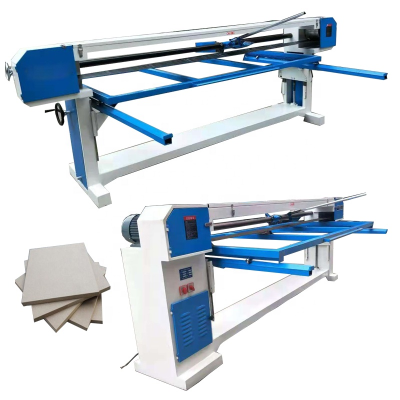
New Stroke Belt Sander Wide Belt Abrasive Cloth Sander 1300mm Width Belt Disc Sander
$1030.94 - $1133.11
MOQ: 1 sets

High Quality Stainless Steel Polishing Electric Belt Sander for Metal Grinding Machine
$300.00 - $360.00
MOQ: 1 Pieces

Industrial Use Good Quality Stainless Steel Polishing Electric Power Belt Sander Tools
$231.80 - $276.90
MOQ: 1 Pieces

Industrial Use Electric Stainless Steel Belt Sander Adjustable Speed Abrasive Grinding Tool
$251.00 - $300.00
MOQ: 1 Pieces

Speed Regulating Electric Belt Sander Polishing Grinder Steel Metal Grinding Tools
$209.00 - $299.00
MOQ: 1 Pieces

Customized Electric Abrasive Tool Belt Sander Surface Grinding Machine Fillet Welds Grinder
$231.00 - $282.00
MOQ: 1 Pieces


Desktop Multi-Functional Belt Sander for Deburring and Polishing Metal
$3000.00 - $9000.00
MOQ: 1 Pieces

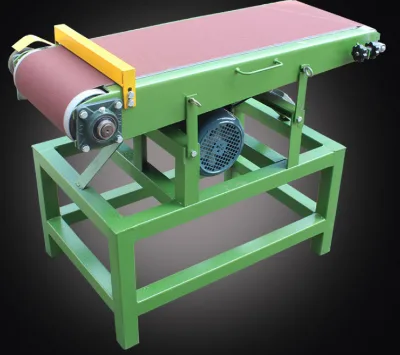


$70000.00 - $75000.00
MOQ: 1 Pieces


Comprehensive Sourcing Guide
Strategic Sourcing Guide for Electric Belt and Disc Sanders for Stainless Steel
Procuring industrial-grade electric belt and disc sanders for stainless steel applications requires a rigorous understanding of technical specifications, power requirements, and compliance standards. The market offers a diverse range of equipment, from compact portable units to large-scale wide belt sanders, each serving distinct operational needs. Buyers must navigate a landscape where product attributes vary significantly, necessitating a methodical approach to selection. This guide outlines the critical factors for evaluating suppliers and machinery, ensuring that the selected equipment aligns with the specific demands of stainless steel processing, including surface finishing, deburring, and polishing.
Technical Specifications and Performance Parameters
The primary differentiator in selecting a sander for stainless steel lies in the specific technical configuration of the machine. Stainless steel is a harder material than wood or soft plastics, requiring machines with robust motors, precise speed control, and durable abrasive belts. The supplied data indicates a variety of power sources and motor ratings. For instance, portable units often operate on standard electricity with a rated voltage of 230V and a rated input power of 750W, suitable for smaller workshops or spot finishing tasks. These units typically feature a no-load speed of 690 RPM and utilize a disc size of 305mm, which is standard for general-purpose sanding.
In contrast, heavy-duty applications involving large stainless steel sheets or structural components require wide belt sanders. The data highlights a specific category of machinery with a power rating of 3kW (3000W) and a voltage requirement of 380V, indicating a need for three-phase industrial power. These machines are designed for high productivity, with a belt speed of 15m/min and a maximum machining thickness of 300mm. The physical dimensions of such wide belt sanders are substantial, with a size of 340013001300mm and a weight of 300kg to 3000kg depending on the specific model configuration.
Speed variability is a critical feature for stainless steel processing. The ability to adjust the belt speed allows operators to match the abrasive action to the specific grade of steel and the desired finish. The observed product attributes confirm that variable speed modes, specifically stepless speed change, are available. This feature ensures that the machine can operate at optimal speeds without the mechanical shock of fixed-gear changes, which is essential for preventing heat buildup that can warp thin stainless steel sheets. Furthermore, the maximum speed capability of some units reaches up to 5000rpm, which is vital for high-speed polishing applications on smaller components.
Compliance, Certification, and Safety Standards
When sourcing machinery for industrial use, verifying compliance with international safety and quality certifications is non-negotiable. The provided facts explicitly mention CE and ISO certifications as available attributes for certain models. The CE marking indicates conformity with health, safety, and environmental protection standards for products sold within the European Economic Area, while ISO certification suggests adherence to international quality management standards. Buyers must request current certification documents to verify that the specific unit being purchased holds valid status, as certification is not universal across all listed products.
Safety features are equally important, particularly when dealing with high-speed rotating components and abrasive materials. The machinery test report is noted as "Provided" for some wide belt sanders, which serves as a crucial verification tool for buyers. This report should detail the results of stress tests, electrical safety checks, and performance validation under load. Additionally, the warranty period is a key indicator of manufacturer confidence; a standard warranty of 1 Year is observed in the data. Buyers should ensure that the warranty covers critical components such as the motor and drive belts, which are subject to high wear and tear during stainless steel operations.
Cost Drivers and Pricing Structure
The pricing of electric belt and disc sanders is influenced by several factors, including power rating, automation level, and physical dimensions. The observed listed price range spans from 0.05 USD to 75,000 USD, reflecting the vast difference between small handheld accessories and large industrial wide belt sanders. The lower end of the spectrum likely corresponds to smaller disc sanders or specific components, while the upper end represents fully automated wide belt systems with advanced variable speed controls and large processing capacities.
Minimum Order Quantity (MOQ) is another significant cost driver. The data shows an MOQ range of 1 to 1000 units. For small workshops or pilot projects, an MOQ of 1 allows for the procurement of a single unit, facilitating immediate deployment without significant capital outlay. However, for large-scale manufacturing facilities, higher MOQs may offer economies of scale, reducing the per-unit cost. Buyers must also consider the packaging and shipping costs, as the gross weight of wide belt sanders can reach 3000kg, and the packing size is substantial (e.g., 500300260mm for smaller units). These logistical factors can significantly impact the total landed cost, especially for international procurement from origins like Shanghai, China, or Henan, China.
Typical Applications and Material Compatibility
While the core keyword focuses on stainless steel, the observed product attributes reveal a broader spectrum of applications. Some units are explicitly marketed for wood processing, featuring belt sizes of 100915mm and sand pad sizes of 1501220mm. However, the same mechanical principles apply to stainless steel, provided the machine has sufficient power and speed control. The 3kW wide belt sanders, with their high productivity and stroke belt sander type, are particularly well-suited for industrial stainless steel applications where large surface areas need uniform finishing.
The application of these machines extends beyond simple sanding. The "polishing" function mentioned in the product descriptions indicates that these units can be used for final surface finishing, achieving a mirror-like or brushed finish on stainless steel. The "High Productivity" selling point suggests that these machines are designed for continuous operation in high-volume environments. It is important to note that while some listings mention "Medicine" as an application, this likely refers to the manufacturing of medical devices or equipment made from stainless steel, rather than the machine being used directly in a medical setting. Buyers should verify the specific material compatibility of the abrasive belts and discs to ensure they are rated for metalworking, as wood-specific abrasives may clog or wear out too quickly on stainless steel.
Supplier Evaluation and Geographic Considerations
The geographic origin of the machinery plays a pivotal role in the procurement process. The data indicates that products originate from major manufacturing hubs in China, specifically Shanghai and Henan. Shanghai is known for its advanced manufacturing capabilities and export infrastructure, while Henan is a significant center for heavy machinery production. Buyers should evaluate suppliers based on their location, as proximity to ports can affect lead times and shipping costs.
Supplier evaluation should also focus on the availability of customization. The data confirms that customization is available for many models, allowing buyers to tailor the machine to specific production lines. This could include adjusting the belt width, modifying the motor power, or integrating specific control systems. The brand name "SHARE" is observed in the listings, but buyers should not rely on a single brand. Instead, they should assess the supplier's track record, their ability to provide machinery test reports, and their responsiveness to technical inquiries. The presence of core components labeled as "Other" suggests that buyers should request detailed component lists to ensure that critical parts like motors and bearings are from reputable manufacturers.
Quality Control and Long-Term Procurement Considerations
Ensuring long-term reliability requires a focus on quality control measures during the procurement phase. The "machinery test report" is a vital document that buyers must review before finalizing a purchase. This report should confirm that the machine meets the specified power ratings, speed capabilities, and safety standards. Additionally, the condition of the product is listed as "New," which is standard, but buyers should verify the manufacturing date to ensure the equipment has not been sitting in inventory for extended periods, which could affect the lifespan of rubber belts and electrical components.
Long-term procurement considerations include the availability of spare parts and maintenance support. The warranty of 1 Year is a baseline, but buyers should inquire about the availability of replacement belts, discs, and motors. The "Variable Speed" feature, while beneficial, adds complexity to the machine's electrical system, making the availability of skilled technicians for maintenance a critical factor. Furthermore, the material of the machine is listed as "Metal," which is appropriate for durability, but buyers should verify the quality of the metal used in the frame to ensure it can withstand the vibrations and stresses of continuous operation.
| Feature Category | Portable Unit Attributes | Wide Belt Sander Attributes |
|---|---|---|
| Power Source | Electricity (230V) | Electricity (380V) |
| Motor Power | 750W - 950W | 3kW (3000W) |
| Speed Control | Stepless Speed Change | Variable Speed (15m/min) |
| Dimensions | 500300260mm (Packing) | 340013001300mm |
| Weight | 15.5kg - 17kg (Net) | 300kg - 3000kg |
| Belt Size | 100*915mm | 2.5m Length (Variable Width) |
| Certification | CE, ISO | CE, ISO (Verified via Test Report) |
Final Procurement Recommendations
In conclusion, sourcing electric belt and disc sanders for stainless steel requires a balance between technical capability and commercial viability. Buyers must prioritize machines with variable speed control, adequate power ratings (3kW for heavy duty), and valid CE/ISO certifications. The distinction between portable units and wide belt sanders is clear, with the former suitable for smaller tasks and the latter for high-volume industrial production. By carefully reviewing machinery test reports, verifying supplier capabilities, and understanding the total cost of ownership, buyers can secure equipment that meets the rigorous demands of stainless steel processing. The availability of customization and the diverse range of origins in China provide ample opportunities for tailored solutions, provided that due diligence is maintained throughout the selection process.
FAQs
What certifications are available for electric belt and disc sanders?
CE and ISO certifications are available for these machines. Buyers should verify specific unit status as certification is not universal across all listed products, and request current documents to ensure compliance with safety standards.
How much power do industrial wide belt sanders require?
Industrial wide belt sanders typically require 3kW power at 380V voltage. This configuration supports high productivity and handles maximum machining thickness of 300mm, distinguishing them from smaller portable units that use 230V and 750W.
Can these sanders be customized for specific production needs?
Customization is available for many models to tailor machines to specific production lines. Buyers can request adjustments to belt width, motor power, or control systems, though they must verify component details like core parts from reputable manufacturers.
What is the minimum order quantity for purchasing these units?
The minimum order quantity ranges from 1 to 1000 units depending on the supplier. Small workshops can procure single items, while large facilities may benefit from higher quantities to achieve economies of scale on the total landed cost.
Which locations are the primary origins for these sanders?
Products originate from major manufacturing hubs in China, specifically Shanghai and Henan. Shanghai offers advanced export infrastructure, while Henan is a center for heavy machinery, affecting lead times and shipping costs for international buyers.
What warranty coverage is typically provided for this machinery?
A standard warranty of 1 Year is observed for these machines. Buyers should ensure the warranty covers critical components like the motor and drive belts, which are subject to high wear during continuous stainless steel operations.