Source Electric Bicycle Motor Power Tester for testing, fatigue, and handle analysis
Find and compare 30 Electric Bicycle Motor Power Tester options for bicycle comprehensive performance testing, fatigue testing, and vehicle handle analysis. Buyers can review specifications, accuracy, and usage details for standard electric energy meters and industry applications.
Key considerations
Products List

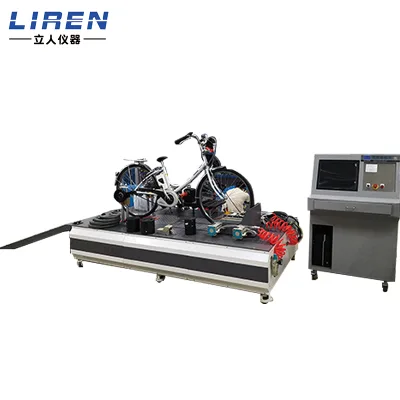
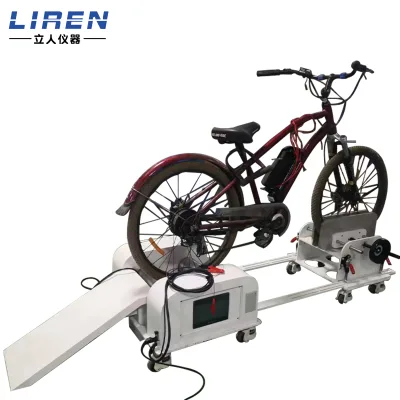
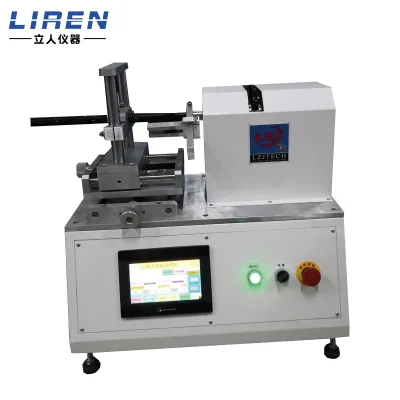


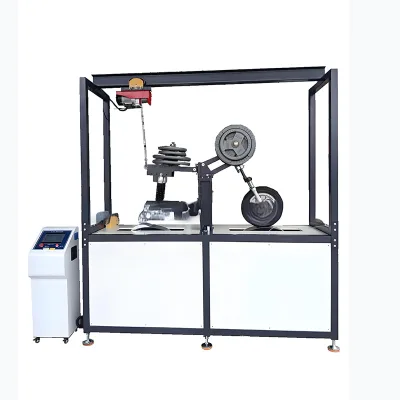
Electric Bike and Bicycle Comprehensive Testing Machine Bicycle Test Equipment
$199.00 - $4999.00
MOQ: 1 Pieces


Power-Assisted Bicycle Speed Test Machine Electric Motorcycle Test Bench
$399.00 - $4999.00
MOQ: 1 Pieces


Electric Motor Test Bench Motor Test Laboratory Equipment Performance Tester
$3100.00 - $33000.00
MOQ: 1 unit


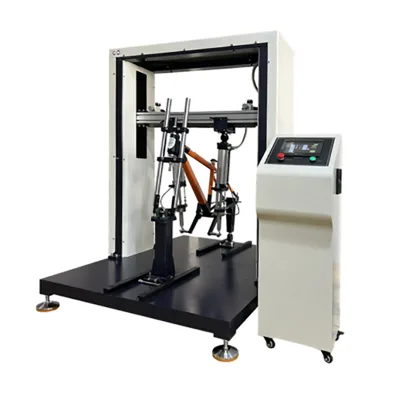

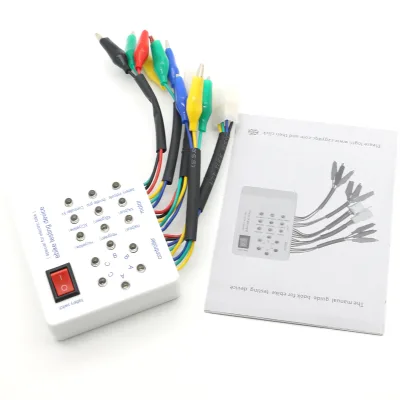
50V/50A Brushless Motor Comprehensive Tester for Detecting Motor Speed Current and Voltage
$1700.00 - $1859.00
MOQ: 1 Pieces


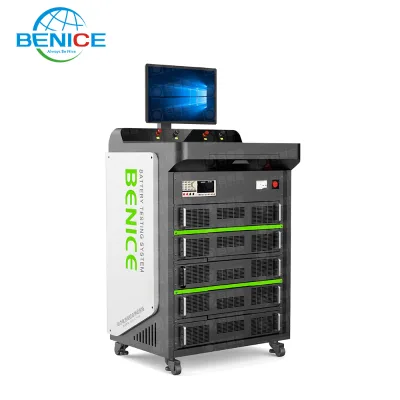
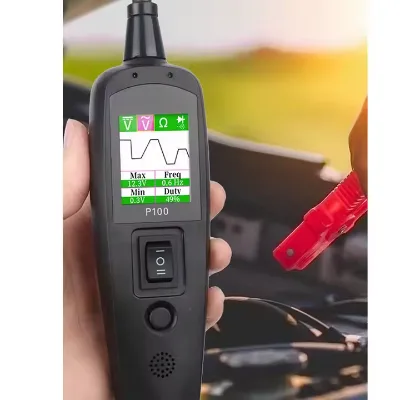


Comprehensive Sourcing Guide
Strategic Sourcing Guide for Electric Bicycle Motor Power Testers
Procuring specialized equipment for electric bicycle motor power testing requires a disciplined approach that balances technical precision with supply chain reliability. The market for these testing machines is diverse, ranging from simple handheld voltage testers to complex, multi-axis fatigue testing rigs. Buyers must navigate a landscape where product attributes vary significantly between single-item tools and comprehensive industrial testing stations. This guide provides a structured framework for evaluating potential suppliers and selecting equipment that meets rigorous performance standards without relying on unverified marketing claims.
Understanding Technical Specifications and Operational Capabilities
The foundation of any successful procurement begins with a clear definition of technical requirements. When searching for an Electric Bicycle Motor Power Tester, buyers encounter a spectrum of devices, from basic voltage verification tools to advanced systems capable of comprehensive performance analysis. A critical distinction exists between devices designed for simple electrical verification and those built for dynamic load testing.
Some available units are characterized as "Electric Tester Pens" or "Voltage Testers" with specific attributes such as a "Machine-electric Type" theory of operation. These devices often feature digital displays and are designed for direct connection to AC power sources, typically operating at 220V. Their primary function is to verify the presence and stability of voltage rather than to simulate complex motor loads. In contrast, more sophisticated testing machines, such as those labeled as "Bicycle Comprehensive Performance Testing" units, are engineered to handle rigorous evaluation protocols. These advanced systems may utilize inverter motors and support AC220V power supplies with current ratings up to 15A.
When evaluating technical specifications, buyers must scrutinize the accuracy class and the specific test items the machine supports. High-precision instruments may boast accuracy levels such as ±0.1 or accuracy class Level 0.5%, which are critical for validating motor efficiency and power output under controlled conditions. The loading method is another vital parameter; some units employ static load testing, while others are designed for fatigue testing, which simulates long-term wear and tear on bicycle components. The frequency range is also a key differentiator, with some machines capable of operating within a 0-10Hz range to test specific motor resonance frequencies.
Furthermore, the physical interface and installation method must align with the buyer's facility. Devices described as "Direct Connected" require specific wiring configurations, whereas others may offer more flexible integration options. The protection class, such as IP65, indicates the device's resistance to dust and water ingress, which is essential for maintaining operational integrity in workshop environments. Buyers should verify that the power supply matches their local grid standards, as many units are specified for AC220V 50Hz operation.
Compliance Verification and Certification Standards
In the realm of industrial testing equipment, compliance with international standards is not merely a formality but a prerequisite for operational safety and data validity. While specific certification statuses like CE or UL 2849 are often cited in the broader market, buyers must treat these as verification targets rather than guaranteed attributes of every listed product. The absence of explicit certification data in a product listing should trigger a rigorous request for documentation from the supplier.
Buyers should prioritize suppliers who can provide evidence of adherence to relevant safety and performance standards. For electric bicycle testing, the equipment must not only measure electrical parameters accurately but also ensure the safety of the operator and the integrity of the test subject. This often involves verifying that the testing machine's insulation, grounding, and emergency stop mechanisms meet established safety protocols.
The "Protection Class" is a tangible metric that buyers can use to assess environmental compliance. An IP65 rating, for instance, suggests a high level of protection against dust and low-pressure water jets, making the equipment suitable for various industrial settings. However, this rating alone does not guarantee electrical safety compliance. Buyers must cross-reference the product's electrical design with local regulations and international standards such as IEC 61010 for measurement, control, and laboratory equipment.
Additionally, the warranty period serves as an indicator of the manufacturer's confidence in their product's durability and compliance. A standard warranty of one year is common, but the terms of this warranty regarding calibration and repair services are equally important. Buyers should ensure that the warranty covers not just the hardware but also the accuracy of the measurements over time, as drift in sensor calibration can lead to non-compliant test results.
Cost Drivers and Pricing Structure Analysis
The pricing of electric bicycle motor power testers is influenced by a complex interplay of factors, including the complexity of the testing mechanism, the accuracy of the sensors, and the level of customization offered. The observed market range for these products is vast, spanning from low-cost handheld units to high-end, fully automated testing stations. This disparity reflects the difference between simple diagnostic tools and comprehensive performance evaluation systems.
For basic voltage testers, the cost is primarily driven by the quality of the digital display and the robustness of the casing. These units often have a low minimum order quantity (MOQ), sometimes as low as a single set, making them accessible for small workshops or individual technicians. In contrast, advanced testing machines with features like fatigue testing capabilities and inverter motor integration command significantly higher prices. The inclusion of specialized software for data analysis and the ability to support OEM/ODM customization also contribute to the cost premium.
Buyers must also consider the packaging and logistics costs associated with these heavy and sensitive instruments. Some products are shipped in box packaging with specific quantities per box, such as 40 pieces per box, which can impact the total landed cost if the buyer requires a large volume. The origin of the product, often listed as China or specific regions like Guangdong, can influence shipping times and tariffs, which are critical components of the total cost of ownership.
When evaluating price, buyers should look beyond the unit cost and consider the total value proposition. A slightly more expensive unit with higher accuracy and a longer warranty may offer better long-term value by reducing the need for frequent recalibration or replacement. Conversely, a low-cost unit that lacks the necessary features for comprehensive testing may lead to additional expenses in the form of lost productivity or inaccurate data.
Typical Applications and Industry Use Cases
The application of electric bicycle motor power testers extends across various sectors of the manufacturing and quality assurance landscape. These devices are essential for ensuring that electric bicycles, motorcycles, and scooters meet performance standards before they reach the consumer market. The versatility of these testing machines allows them to be used in different stages of the product lifecycle, from initial prototyping to mass production quality control.
One of the primary use cases is the verification of motor power and efficiency. Testing machines designed for "Small Electric Bicycle testing" can simulate real-world operating conditions to measure the motor's output under various loads. This is crucial for manufacturers who need to validate their claims regarding range, speed, and torque. The ability to perform "Fatigue testing" is particularly valuable for assessing the longevity of components, ensuring that the motor and associated systems can withstand prolonged use without failure.
Another significant application is in the development of new electric bicycle models. Engineers use these testers to iterate on designs, optimizing the balance between power consumption and performance. The "Bicycle Comprehensive Performance Testing" capability allows for a holistic evaluation of the vehicle, including the handle and frame integrity under stress. This comprehensive approach helps identify potential design flaws early in the development process, reducing the risk of costly recalls or field failures.
In the retail and service sector, these testers are used for diagnostic purposes. Technicians can use voltage testers and performance analyzers to troubleshoot issues in existing electric bicycles, ensuring that repairs are accurate and that the vehicle is safe to operate. The "Standard Electric Energy Meter" function of some devices also supports the monitoring of energy consumption, which is increasingly important as consumers become more conscious of battery life and efficiency.
Supplier Evaluation and Selection Criteria
Selecting the right supplier for electric bicycle motor power testers requires a thorough evaluation of their capabilities, reputation, and commitment to quality. Buyers should look for suppliers who offer customization support, such as OEM and ODM services, as this indicates a level of flexibility and technical expertise. The ability to tailor the testing equipment to specific requirements is a significant advantage, especially for manufacturers with unique testing protocols.
The geographic location of the supplier is another factor to consider. Many manufacturers are based in China, with a concentration in regions like Guangdong. While this can offer cost advantages, buyers must assess the supplier's logistics capabilities and their ability to handle international shipping and customs clearance efficiently. The "place of origin" should be verified to ensure that the product meets the buyer's expectations regarding quality and manufacturing standards.
Supplier reputation can be gauged through their product documentation, warranty terms, and customer support services. A supplier that provides detailed specifications, clear installation instructions, and responsive technical support is more likely to deliver a satisfactory procurement experience. Buyers should also inquire about the supplier's experience in the electric bicycle industry, as this knowledge can translate into better product recommendations and troubleshooting assistance.
Finally, buyers should evaluate the supplier's commitment to continuous improvement and innovation. The electric bicycle industry is rapidly evolving, and testing equipment must keep pace with new technologies and standards. Suppliers who invest in research and development are better positioned to offer cutting-edge solutions that meet the future needs of the market.
Quality Control and Long-Term Procurement Considerations
Ensuring the quality of electric bicycle motor power testers is a critical aspect of the procurement process that extends beyond the initial purchase. Buyers must implement a robust quality control strategy that includes pre-shipment inspections, post-delivery verification, and ongoing calibration. The accuracy of the testing equipment is paramount, as any deviation can lead to incorrect assessments of motor performance and safety.
Long-term procurement considerations involve establishing a relationship with a supplier that can provide consistent support over time. This includes access to spare parts, software updates, and technical training. The "warranty" period is a starting point, but buyers should also negotiate service level agreements that cover maintenance and repair services. A supplier that offers a comprehensive support package can help minimize downtime and ensure the continued reliability of the testing equipment.
Buyers should also consider the scalability of their procurement strategy. As the volume of electric bicycle production increases, the need for additional testing capacity may arise. Suppliers who can handle large orders and provide flexible MOQ options are better suited to support growth. Additionally, the ability to integrate new testing modules or upgrade existing systems can extend the lifespan of the equipment and protect the buyer's investment.
In conclusion, sourcing electric bicycle motor power testers requires a meticulous approach that balances technical requirements, compliance standards, and supplier capabilities. By focusing on these key areas, buyers can make informed decisions that ensure the acquisition of high-quality, reliable testing equipment capable of meeting the demands of the modern electric bicycle industry.
FAQs
What is the accuracy of the Electric Bicycle Motor Power Tester?
The device offers an accuracy of ±0.1 or Level 0.5% depending on the specific model. This precision ensures reliable data for fatigue testing and universal testing applications in industrial settings.
Can the tester operate on standard AC power sources?
Yes, the unit supports AC220V power supply with a current rating of 15A. It is designed for direct connection to standard electrical equipment operating at 220V and 50Hz frequencies.
Which customization options are available for the testing machine?
Customization is available through OEM and ODM support services. Buyers can request tailored solutions for specific testing protocols while maintaining the core functionality of the machine-electric type device.
How is the product protected against environmental factors?
The equipment features an IP65 protection class rating for dust and water resistance. This ensures operational integrity in workshop environments where exposure to elements is common during testing procedures.
What is the minimum order quantity for purchasing the tester?
The minimum order quantity is one set for most models. Some items may be packaged in boxes containing 40 pieces, allowing flexible procurement for small workshops or large industrial facilities.
Where are the electric bicycle motor power testers manufactured?
These products originate from Guangdong, China. The manufacturing location influences shipping logistics and potential tariffs, which buyers should consider when calculating the total cost of ownership.