Source Electric Beverage Juice Filling Machine for Dairy, Soda, and Water
Find and compare 30 Electric Beverage Juice Filling Machine options from verified Chinese manufacturers. Evaluate key specifications such as filling heads, power consumption, and automatic grading to select the right equipment for your production line needs.
Key considerations
Products List


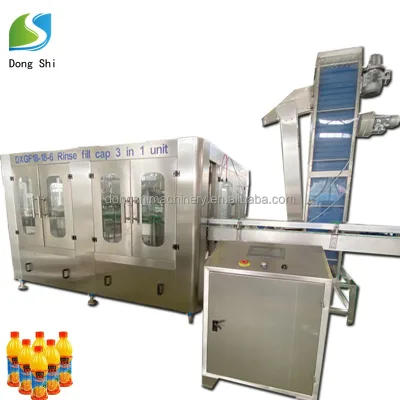

$25000.00 - $65000.00
MOQ: 1 Sets


$20000.00 - $280000.00
MOQ: 1 Pieces


Comprehensive Sourcing Guide
Electric Beverage Juice Filling Machine Sourcing Guide
Selecting the right Electric Beverage Juice Filling Machine requires a careful balance of technical precision, regulatory compliance, and commercial viability. These machines are critical components in modern production lines, designed to handle viscous and particulate-rich liquids such as orange juice with high accuracy and hygiene standards. Buyers must navigate a market where specifications vary significantly, from automatic grading to specific filling principles like pressure or weighing methods. Understanding the core attributes of these systems ensures that the selected equipment aligns with both current production volumes and future scalability needs.
The procurement process involves verifying that the machinery meets specific operational parameters, including power sources, voltage configurations, and filling tolerances. With observed market listings ranging from entry-level units to high-capacity industrial systems, buyers must distinguish between basic models and advanced, customized solutions. This guide provides a structured approach to evaluating suppliers, ensuring that every decision is backed by observable data and trusted industry knowledge rather than unverified claims.
Product Scope and Observed Listing Signals
The market for electric juice filling machines presents a wide spectrum of capabilities, with observed price points ranging from $900 to $280,000 USD. This vast disparity reflects differences in automation levels, material construction, and production speed. Listings frequently highlight customization options, indicating that many manufacturers offer tailored solutions to fit specific factory layouts or product requirements. Buyers should recognize that the lowest price points often correspond to basic, single-head units, while higher investments secure multi-head systems with advanced features like pneumatic lifting and automatic grading.
Observed minimum order quantities (MOQ) are consistently listed as one unit, suggesting that suppliers are willing to accommodate single-machine purchases for pilot lines or small-scale operations. However, the nature of these machines as heavy industrial equipment means that logistics and installation costs are significant factors beyond the unit price. The presence of "Customized" attributes in listings implies that buyers can request modifications to dimensions, voltage, or filling heads, but this flexibility may impact lead times and final pricing. Understanding these signals helps buyers set realistic expectations for both budget and delivery schedules.
Technical Specifications to Verify
Technical verification begins with confirming the power source and electrical requirements, as most listed units operate on electric power with voltages such as 380V/3pH/50Hz, which can be customized. It is crucial to verify the power consumption range, which may vary from 2.2kW to 19W depending on the specific model and configuration. Buyers must ensure that their facility’s electrical infrastructure can support these demands, particularly for high-capacity models that may require specialized power supplies. Additionally, the automatic grade of the machine indicates a high level of automation, reducing manual intervention and increasing consistency in the filling process.
The filling mechanism is another critical area for verification, with options including pressure-based filling, hot filling, and weighing-type systems. Multi-head filling valves are common, with configurations available in 8, 12, 18, 24, 32, 40, 50, or 60 heads, allowing for scalable production speeds. Buyers should also check the filling tolerance, which is often specified as ±2%, ensuring that product waste is minimized and regulatory compliance is maintained. The main material of construction, typically SUS (stainless steel), is essential for hygiene and durability, especially when handling acidic juices like orange juice.
Compliance and Safety Documentation
Compliance with international standards is non-negotiable for food processing equipment, and buyers must verify that the machine holds relevant certifications such as CE, ISO, SGS, and UL. These certifications indicate that the equipment meets specific safety, quality, and environmental standards required in various global markets. The presence of ISO9001 certification suggests that the manufacturer follows a robust quality management system, which is a strong indicator of consistent product quality and reliable after-sales support. Buyers should request copies of these certificates to ensure they are valid and applicable to the specific model being purchased.
Safety documentation should also include detailed information on electrical safety, mechanical guarding, and operational protocols. Standards such as EN 60204-1, which pertains to electrical equipment of machines, are critical for ensuring that the machine’s electrical systems are safe for operators. Buyers must verify that the machine includes necessary safety interlocks, emergency stop buttons, and clear labeling of hazardous components. Additionally, the condition of the machine, typically listed as "New," should be confirmed to ensure that it has not been refurbished or previously used, which could affect its lifespan and performance.
Cost Drivers and Commercial Terms
Several factors influence the total cost of ownership for electric juice filling machines, including the number of filling heads, the complexity of the filling principle, and the level of customization required. Multi-head configurations and advanced features like pneumatic lifting structures or plunger dosing devices increase the initial purchase price but can significantly improve production efficiency. Buyers should also consider the weight and dimensions of the machine, as larger units like those weighing 3500kg with dimensions of 355012001800mm may require reinforced flooring and specialized installation services.
Commercial terms such as payment methods, shipping arrangements, and after-sales service agreements are equally important. Suppliers often provide engineers available to service overseas, which is a valuable asset for international buyers who may face language or logistical barriers. Buyers should negotiate clear terms for warranty coverage, spare parts availability, and training provisions. The packaging method, whether wooden block or wooden case, also impacts shipping costs and protection during transit, so buyers should ensure that the packaging is robust enough to prevent damage during long-distance shipping.
Supplier Qualification and Quality Control
Supplier qualification involves assessing the manufacturer’s reputation, production capacity, and quality control processes. Buyers should verify the supplier’s location, with many reputable manufacturers based in Jiangsu, China, particularly in Zhangjiagang and Suzhou, which are known hubs for packaging machinery. The brand name, such as Sunswell, can be a useful indicator of market presence and product reliability. Buyers should request references from previous clients and, if possible, visit the manufacturing facility to inspect production processes and quality control measures firsthand.
Quality control checks should include a thorough inspection of the machine’s components, including the pump, filling valve, and sealing heads. The number of washing heads, such as 12, and sealing heads, such as 1, should be verified against the order specifications to ensure that the machine meets the required production standards. Buyers should also test the machine’s performance during a pre-shipment inspection, checking for leaks, accuracy of filling, and smooth operation of all mechanical parts. This proactive approach helps identify and resolve potential issues before the machine is shipped, reducing the risk of costly delays and disruptions.
Long-Term Procurement Checks
Long-term procurement success depends on establishing a strong relationship with the supplier and ensuring ongoing support for the equipment. Buyers should verify the availability of spare parts and the supplier’s ability to provide timely technical assistance. The after-sales service provided, including engineer availability for overseas service, is a critical factor in minimizing downtime and maintaining production efficiency. Buyers should negotiate a comprehensive maintenance plan that includes regular inspections, cleaning, and calibration of the machine to ensure it continues to operate at peak performance.
Additionally, buyers should stay informed about updates in technology and regulations that may affect the use of the filling machine. As the beverage industry evolves, there may be new requirements for energy efficiency, sustainability, or product safety that the machine must meet. Buyers should work with their suppliers to ensure that the equipment can be upgraded or modified to comply with these changing standards. By maintaining a proactive approach to procurement and maintenance, buyers can maximize the lifespan and value of their Electric Beverage Juice Filling Machine investment.
FAQs
What is the power source for this filling machine?
The machine operates using an electric power source. It typically runs on 380V/3pH/50Hz voltage, which can be customized to meet specific facility requirements. This ensures reliable operation for industrial beverage production lines.
Can the machine handle hot filling processes?
Yes, the equipment supports hot filling applications. It is equipped with a hot filling valve designed to maintain product integrity during the thermal processing stage. This makes it suitable for juices and other heat-sensitive liquids.
Which certifications does the machine hold?
The machine holds CE, ISO, SGS, and UL certifications. These standards ensure compliance with international safety and quality regulations. Buyers can verify these credentials to confirm the equipment meets global manufacturing requirements.
How is the machine customized for different needs?
Customization is available for various production requirements. The system allows adjustments to filling heads, capacity, and voltage specifications. This flexibility ensures the machine adapts to specific beverage types and production volumes.
What is the production capacity of the machine?
Production capacity varies by model, with standards reaching up to 5000 bottles per hour. Specific models like the CGFH-Series offer different throughput levels. Buyers should select a model matching their required output volume.
Where is the machine manufactured?
The machine is manufactured in Jiangsu, China, specifically in Zhangjiagang, Suzhou. This region is known for its advanced beverage machinery industry. Buyers can expect established supply chains and engineering support from this location.
What material is used for the main structure?
The main material is SUS stainless steel, ensuring durability and hygiene. This material resists corrosion and is ideal for food and beverage processing. It meets strict sanitary standards required for juice and liquid filling operations.