Source Electric Cabinet for High-Rise, Industrial, and Control Uses
Find and compare 30 Electric Cabinet options sourced from China. These units feature aluminum alloy or steel plate shells with IP30 to IP54 protection levels. Buyers can select from high-voltage and low-voltage models tailored for high-rise buildings, industrial control panels, and battery applications.
Key considerations
Products List


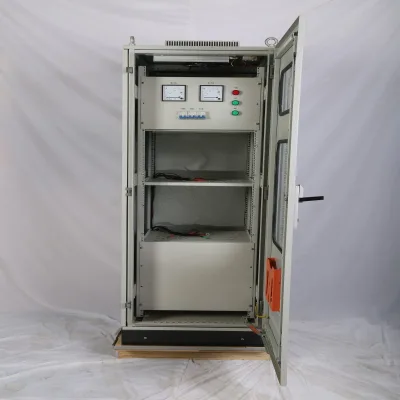
Electrostatic High Voltage Control Cabinet
$200.00 - $500.00
MOQ: 1 Pieces
Hangzhou Guozhen Wanxin Coating Equipments Manufacturing Co., Ltd.




Comprehensive Sourcing Guide
Electric Cabinet Sourcing Guide
The Electric Cabinet market presents a diverse array of solutions ranging from single-item distribution metering boxes to large-scale power distribution units designed for high-rise buildings. Buyers must navigate a landscape where product attributes vary significantly, including operation voltages that span from low voltage to high voltage applications, and shell materials that include aluminum alloy, steel plate, cold rolled steel, and stainless steel. Understanding these fundamental distinctions is the first step in aligning procurement needs with the specific structural and functional requirements of the intended installation environment.
Sourcing decisions are heavily influenced by the customization capabilities and structural configurations available in the current supply chain. Many suppliers offer open frame or combination structures with customizable sizes and shell protection grades, such as IP30, IP40, or IP54, to meet specific site conditions. The ability to tailor the product, whether through customized dimensions or specific welding forms like the partly-welded type, allows buyers to address unique engineering challenges without compromising on the core functionality of automatic control, protection, monitoring, and measurement.
Product Scope and Observed Listing Signals
The observed product listings reveal a wide spectrum of electric cabinets, from compact units with a single item selling format to larger distribution metering boxes with complex mathematical models. Buyers should expect to encounter variations in the intended application, which includes batteries, connectors, lighting fixtures, and control panels, indicating that the scope of these products extends beyond simple power distribution to encompass broader electrical management systems. The presence of both new and used conditions in the market further suggests a need for careful vetting of product history and remaining service life.
Listing signals also highlight significant variability in packaging and physical dimensions, with options ranging from inner plastic bags and standard cartons to wooden packaging for larger units. Sizes are frequently listed as customized or specific dimensions like 1000800200mm, while the model numbers vary from generic identifiers like "IDC" to specific designations such as "XL21" or "cabinet-38." This diversity requires buyers to clearly define their spatial constraints and logistical requirements before engaging with suppliers, as the physical footprint and packaging method can drastically impact shipping costs and on-site handling procedures.
Technical Specifications to Verify
Technical verification must begin with the rated voltage and frequency parameters, as the market offers units operating at 50Hz/60Hz with rated currents ranging from 100A to 630A. It is critical to confirm whether the specific cabinet is designed for high voltage or low voltage operation, as this distinction dictates the internal component selection and safety clearances required for the installation. Buyers should cross-reference the operation voltage with the intended application range, ensuring that the selected unit is suitable for the specific electrical load and environmental conditions of high-rise buildings or industrial control panels.
The structural integrity and material composition are equally vital, with shell materials varying from aluminum alloy to cold rolled steel and stainless steel depending on the corrosion resistance and mechanical strength required. Verification should extend to the protection level, where listings indicate grades such as IP30, IP40, or IP54, and the form factor, which may be described as partly-welded or combination structures. Additionally, the signal type, often continuous, and the function of automatic control must be validated against the specific operational logic of the facility to ensure seamless integration with existing monitoring and measurement systems.
Compliance and Safety Documentation
Compliance verification is paramount when sourcing electric cabinets, as the market listings frequently cite certifications such as CCC, VDE, ISO9001, UL, and CQC. Buyers must ensure that the specific unit they are purchasing carries the relevant certifications for their target market, as the presence of ISO9001:2000 or ISO-9001-2015 standards indicates a commitment to quality management systems but does not automatically guarantee product-specific safety compliance. The form of the product, often noted as partly-welded type, should be accompanied by documentation confirming that the welding and assembly processes meet the cited industry standards.
Safety documentation must also address the inspection protocols employed by the supplier, which typically include Incoming Quality Control (IQC), In-Process Quality Control (Ipqc), Final Quality Control (Fqc), and Quality Assurance (QA). These inspection stages are essential for verifying that the electrical box cabinet meets the specified protection levels and material standards before shipment. Buyers should request detailed inspection reports that correlate with the specific model number and certification claims to ensure that the product has undergone rigorous testing for electrical safety and mechanical durability.
Cost Drivers and Commercial Terms
Cost drivers in the Electric Cabinet sector are heavily influenced by the level of customization, material selection, and the complexity of the internal structure. Units with customized sizes, shell materials like stainless steel, or specialized protection grades such as IP54 will generally command higher prices compared to standard gray or white cold rolled steel cabinets with fixed dimensions. The observed price range of 10 to 10,000 USD reflects this variability, with the final cost depending on the specific combination of rated voltage, current capacity, and the extent of the customization required for the project.
Commercial terms are further defined by the minimum order quantity (MOQ) and lead times, which can range from 1 to 1000 units and 15 to 25 working days for samples respectively. Buyers should negotiate clear terms regarding the sample lead time and the transition to mass production, as the availability of quick response services and immediate action can impact project timelines. Additionally, the packing method, whether standard carton or wooden crates, and the origin of the product, such as Guangdong or Linyi Shandong, will influence logistics costs and should be factored into the total cost of ownership calculations.
Supplier Qualification and Quality Control
Supplier qualification should focus on the robustness of their quality control systems, specifically their adherence to the IQC, Ipqc, Fqc, and QA protocols observed in the market. A qualified supplier must demonstrate a consistent track record of meeting the ISO-9001-2015 international organization standards and providing transparent documentation for their inspection processes. The ability to offer customized solutions while maintaining strict quality control is a key differentiator, ensuring that the final product meets the specific technical and safety requirements of the buyer's application.
The service capabilities of the supplier, including quick response and immediate action, are critical indicators of their reliability and commitment to customer satisfaction. Buyers should assess the supplier's capacity to handle the full lifecycle of the product, from the initial design and customization to the final delivery and after-sales support. The presence of a dedicated service team that can address technical queries and resolve issues promptly is essential for maintaining operational continuity, especially in high-stakes environments like high-rise buildings or industrial control panels.
Long-Term Procurement Checks
Long-term procurement checks must include a periodic review of the supplier's adherence to evolving industry standards and certification requirements. As regulations and safety norms change, buyers should verify that their suppliers continue to meet the latest CCC, UL, or ISO standards and that their production processes remain compliant with international quality management systems. This proactive approach ensures that the electric cabinets remain safe and effective throughout their operational lifespan, reducing the risk of non-compliance penalties or safety incidents.
Regular audits of the supplier's quality control records and inspection reports are necessary to maintain confidence in the product's consistency and reliability. Buyers should establish a schedule for reviewing the supplier's performance metrics, including defect rates, lead time adherence, and response times to quality issues. By maintaining a rigorous long-term oversight framework, organizations can ensure that their Electric Cabinet procurement strategy remains aligned with their operational goals and safety standards, fostering a sustainable and reliable supply chain partnership.
FAQs
What certifications do the electric cabinets have?
The electric cabinets hold CCC, VDE, and ISO9001 certifications. Some models also feature UL/CQC marks. These certifications ensure compliance with international safety and quality standards for industrial applications.
Can I customize the size of the Electric Cabinet?
Yes, customization is available for the Electric Cabinet size. The standard size is 2 units, but you can request specific dimensions like 1000*800*200mm. Customized options allow for tailored fit in various installation environments.
How long is the sample lead time for orders?
The sample lead time ranges from 15 to 25 working days. This duration applies to customized or standard units before mass production begins. Buyers should plan their project schedules accordingly to accommodate this timeframe.
Which materials are used for the cabinet shell?
The cabinet shell is made from Aluminum Alloy, Steel Plate, or Stainless Steel. Some models use Cold Rolled Steel for durability. The material choice depends on the specific model and intended application requirements.
What is the protection level of the Electric Cabinet?
The protection level is typically IP30 or IP40, with some models offering IP54. This ensures resistance against dust and water ingress suitable for high-rise buildings and industrial control panels. Customized protection grades are also available.
Where are these electric cabinets manufactured?
These electric cabinets are manufactured in Guangdong, China, and Linyi Shandong. The origin location ensures access to established supply chains. Buyers can verify the specific production site based on the selected supplier and model.
What is the MOQ for purchasing electric cabinets?
The minimum order quantity ranges from 1 to 1000 units depending on the supplier. This flexibility allows small businesses to start with single items while larger projects can order in bulk. Specific MOQs vary by customization needs.