Source Electric Brush Washing Sole Cleaner for Factories
Find and compare 30 Electric Brush Washing Sole Cleaner models designed for industrial environments. These machines feature automatic roller brushes, stainless steel construction, and various power options to meet diverse cleaning needs.
Key considerations
Products List

Automatic Electric Shoe Sole Cleaner Machine Stainless Steel Sole Cleaning Machine
$1450.00 - $1550.00
MOQ: 1 Pieces

Brush Shoe Sole Cleaning Machine Different Length Sneaker Shoe Sole Cleaner Machine
$1450.00 - $1550.00
MOQ: 1 Pieces


Easy to Use Boot Sole Cleaning Cleaner Machine Automatic Sneaker Sole Cleaner
$1450.00 - $1550.00
MOQ: 1 Pieces
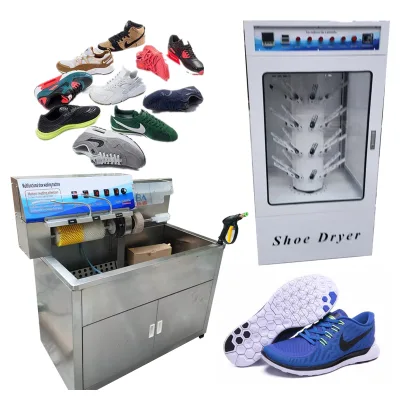
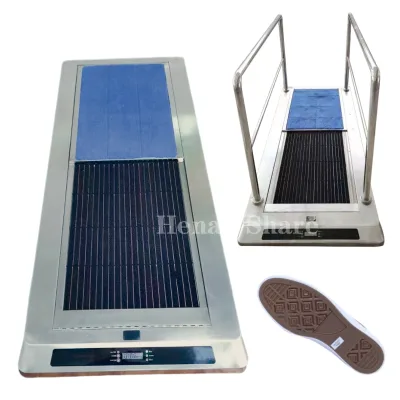
Clean Room Automatic Intelligent Induction Shoe Sole Cleaning Machine Shoe Polisher
$1299.00 - $1599.00
MOQ: 1 sets


Automatic Hygiene Clean Station Electric Sole Cleaning Machine for Boots
$3800.00 - $7400.00
MOQ: 1 Pieces


Washing Machine Boot Upper Cleaning Machine Shoe Sole Cleaning Machine
$3800.00 - $7400.00
MOQ: 1 Pieces

Washing Machine Boot Upper Cleaning Machine Shoe Sole Cleaning Machine
$3800.00 - $7400.00
MOQ: 1 Pieces
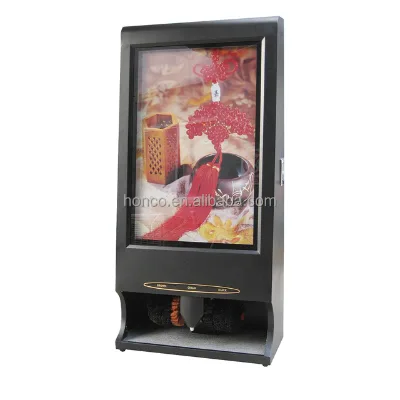


Easy Operation Boot Shoe Sole Washer Galoshes Boot Cleaner Rubber Shoe Boot Washer
$4680.00 - $4860.00
MOQ: 1 Set


Electric Shoe Cleaning Machine Shoe Sole Machine Household Shoe Washing Machine
$599.00 - $1599.00
MOQ: 1 Sets

Cleanroom Air Shower Shoe Polishing Machine Boot Washer Sole Cleaning Machine
$599.00 - $1599.00
MOQ: 1 Sets
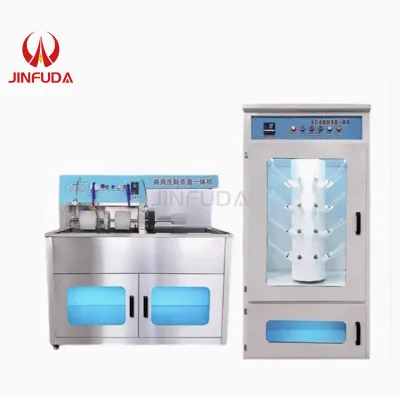
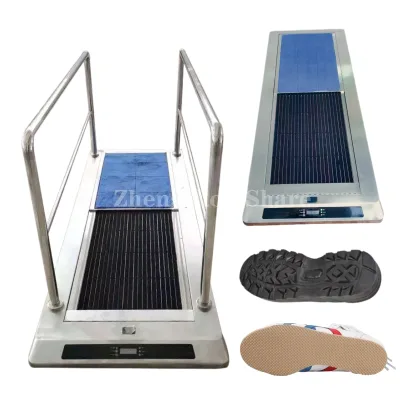
Automatic Shoe Washer Machine Shoe Sole Cleaning Shoes Sole Cleaner Machine
$1299.00 - $1599.00
MOQ: 1 sets

Comprehensive Sourcing Guide
Electric Brush Washing Sole Cleaner Sourcing Guide
Sourcing electric brush washing sole cleaners requires a clear understanding of the industrial cleaning landscape, where automation is increasingly replacing manual labor to ensure consistent hygiene standards. These machines are primarily designed for high-throughput environments such as cleanrooms, pharmaceutical facilities, food processing plants, and electronics manufacturing, where footwear contamination is a critical control point. The core function involves an automated roller brush system that cleans the soles of safety shoes or industrial footwear using cold water, often integrated with drying mechanisms to prepare personnel for entry into controlled zones. Buyers must recognize that while the fundamental mechanism is similar across suppliers, the specific configurations—ranging from simple sole scrubbers to full shoe washing ovens—vary significantly in complexity, footprint, and operational capability.
The procurement process for these devices is heavily influenced by the specific operational needs of the facility, including the volume of personnel entering clean areas and the required level of sole polish or sterilization. Suppliers in this category often offer customizable solutions, allowing buyers to tailor the machine’s dimensions, brush types, and water recycling systems to their unique floor plans and hygiene protocols. It is essential for procurement teams to distinguish between basic sole cleaning units and more comprehensive shoe washing machines that may include drying ovens or advanced filtration systems. This distinction directly impacts the machine’s footprint, utility requirements, and long-term maintenance costs, making early clarification of operational scope a critical first step in the sourcing journey.
Product Scope and Observed Listing Signals
Market analysis of available listings reveals a diverse range of products categorized under electric brush washing sole cleaners, with observed prices ranging from approximately $400 to $7,400 USD. This wide variance reflects differences in build quality, automation level, and additional features such as integrated drying or advanced water treatment systems. The minimum order quantity (MOQ) for these industrial units typically ranges from 1 to 15 pieces, indicating that most suppliers cater to individual facility purchases or small-scale deployments rather than mass distribution. Buyers should note that lower-priced units often represent basic models with standard stainless steel construction and single-phase power requirements, while higher-priced options may include multi-stage cleaning processes, larger water tanks, or specialized brush configurations for delicate footwear materials.
A significant portion of the market offers customization options, allowing buyers to specify dimensions, voltage configurations, and branding. Common model numbers observed in listings include A-1450, 4-2000, and 3-1000, which often correlate with the machine’s physical size or cleaning capacity. For instance, models like the A-1450 may feature dimensions around 1450x750x145 mm, while larger variants such as the 4-2000 might extend to 2000x768x145 mm. These dimensional differences are crucial for facility planning, as the machine must fit within designated entryways or cleaning stations without obstructing workflow. Additionally, many suppliers provide export wooden case packaging to ensure safe transit, which buyers should factor into their logistics and handling procedures upon delivery.
Technical Specifications to Verify
When evaluating technical specifications, power consumption and voltage compatibility are primary considerations. Listings indicate a wide range of power ratings, from low-consumption units at 60W to more robust industrial models rated at 3kW or 1.3kW. Most units operate on a standard 220V single-phase supply at 50Hz, which is common in many industrial settings, but buyers must verify that their facility’s electrical infrastructure can support the specific amperage and wattage of the chosen model. Mismatched voltage or power requirements can lead to operational failures or safety hazards, so confirming the electrical profile with the supplier before purchase is mandatory. Additionally, the machine’s weight, which can range from 90kg to 100kg or more, impacts installation requirements, including floor load capacity and the need for specialized handling equipment during setup.
The construction material and cleaning mechanism are equally critical for durability and performance. Most reputable units are constructed from SUS 304 stainless steel, providing resistance to corrosion and easy cleaning, which is vital in wet environments. The cleaning process typically relies on automatic roller brushes that operate with cold water, though some advanced models may offer heated water options or integrated drying functions. Buyers should verify the water tank capacity, which is often around 30L, to ensure it aligns with the expected cleaning volume between refills. Furthermore, the load-bearing capacity of the machine, often specified as less than 400kg, must be considered to ensure it can safely accommodate the heaviest industrial footwear used in the facility without structural damage.
Compliance and Safety Documentation
Safety features are a non-negotiable aspect of industrial cleaning equipment, and buyers must verify that the machine includes essential protections such as overload and leakage protection. These safeguards are critical for preventing electrical faults in wet environments, where the risk of short circuits or electric shock is heightened. Suppliers should provide clear documentation on how these safety mechanisms are integrated into the machine’s design, including the type of grounding used and the sensitivity of the leakage detectors. Additionally, buyers should inquire about the machine’s operating temperature range, which is typically specified as 0-40℃, to ensure it functions correctly in the ambient conditions of the installation site.
Warranty and after-sales support are also key components of compliance and risk management. Most suppliers offer a one-year warranty on their machines, covering defects in materials and workmanship. Buyers should carefully review the terms of this warranty to understand what components are covered, the duration of coverage for different parts, and the process for claiming repairs or replacements. It is also advisable to verify the availability of spare parts, such as replacement brushes or motor components, to minimize downtime in the event of wear and tear. Clear communication regarding maintenance schedules and troubleshooting procedures should be established before the machine is deployed to ensure long-term reliability and safety.
Cost Drivers and Commercial Terms
The total cost of ownership for an Electric Brush Washing Sole Cleaner is influenced by several factors beyond the initial purchase price. Key cost drivers include the machine’s power consumption, water usage, and the frequency of brush replacements. Higher-power models may clean more effectively but will incur higher electricity costs, while machines with larger water tanks or recycling systems may reduce water consumption over time. Buyers should request detailed energy and water usage estimates from suppliers to calculate the operational costs accurately. Additionally, the cost of consumables, such as cleaning agents or replacement brushes, should be factored into the long-term budget, as these recurring expenses can significantly impact the overall cost of the cleaning process.
Commercial terms, including payment methods, shipping arrangements, and lead times, also play a crucial role in the procurement decision. Suppliers typically offer flexible payment terms, but buyers should negotiate for favorable conditions that align with their cash flow cycles. Shipping costs can vary significantly depending on the machine’s weight and dimensions, as well as the destination country’s import duties and taxes. Buyers should clarify whether the quoted price includes export packaging and insurance, and whether the supplier is responsible for customs clearance. Understanding these commercial terms upfront helps avoid unexpected expenses and ensures a smooth transaction process from order placement to delivery.
Supplier Qualification and Quality Control
Selecting a reliable supplier is paramount to ensuring the quality and longevity of the Electric Brush Washing Sole Cleaner. Buyers should prioritize suppliers with a proven track record in manufacturing industrial cleaning equipment, particularly those located in established manufacturing hubs such as Henan Province, China. Verification of the supplier’s production capabilities, including their factory size, equipment, and quality control processes, is essential. Buyers may request virtual or on-site factory audits to assess the supplier’s ability to maintain consistent quality standards and meet production deadlines. Additionally, checking for relevant business licenses and export certifications can provide assurance of the supplier’s legitimacy and compliance with international trade regulations.
Quality control measures should be clearly defined and agreed upon before production begins. Buyers should specify the materials to be used, such as SUS 304 stainless steel, and request certificates of material compliance from the supplier. Pre-shipment inspections are highly recommended to verify that the machine meets all specified technical requirements, including dimensions, power ratings, and safety features. Buyers may also consider engaging third-party inspection agencies to conduct independent quality checks, ensuring that the delivered product matches the agreed-upon specifications. Establishing a clear protocol for handling defects or discrepancies upon delivery is also crucial to protect the buyer’s interests and ensure a satisfactory procurement experience.
Long-Term Procurement Checks
Long-term success with electric brush washing sole cleaners depends on effective maintenance and performance monitoring. Buyers should establish a regular maintenance schedule that includes cleaning the water tank, inspecting the roller brushes for wear, and checking electrical connections for signs of damage. Proactive maintenance can extend the machine’s lifespan and prevent costly breakdowns, ensuring consistent cleaning performance over time. Suppliers should provide detailed maintenance manuals and training for facility staff to ensure that the machine is operated and maintained correctly. Additionally, buyers should monitor the machine’s performance metrics, such as cleaning efficiency and water usage, to identify any deviations that may indicate underlying issues.
Continuous improvement and feedback loops are also important for optimizing the use of electric brush washing sole cleaners. Buyers should regularly review the machine’s performance in the context of their facility’s hygiene standards and operational needs, making adjustments as necessary. This may involve upgrading brush types, modifying water recycling systems, or integrating the machine with other cleaning processes to enhance overall efficiency. Engaging with the supplier for ongoing support and updates on new technologies or accessories can also help buyers stay ahead of industry trends and maintain a competitive edge in hygiene management. By treating the procurement process as an ongoing partnership, buyers can maximize the value and reliability of their Electric Brush Washing Sole Cleaner investment.
FAQs
What is the power consumption of the shoe cleaning machine?
The machine operates with a power rating of 60W or 3kW depending on the specific model configuration. Some units are designed for industrial applications with higher capacity, while others function as dry cleaning machines with lower energy usage for standard shoe sole cleaning tasks.
Can the shoe washer machine be customized for specific needs?
Yes, customization is available for this industrial shoe washing machine to meet unique operational requirements. Buyers can request specific dimensions or functional adjustments, ensuring the equipment fits their facility layout and cleaning process standards effectively.
Which materials are used to construct the shoe sole cleaner?
The machine housing and main body are constructed from SUS 304 stainless steel for durability and hygiene. This material choice ensures resistance to corrosion and facilitates easy cleaning, making it suitable for industrial environments where sanitation is a priority.
How does the automatic roller brush cleaning process work?
The device utilizes an automatic roller brush system to perform cold water cleaning on shoe soles. This mechanism effectively removes dirt and debris without requiring hot water, operating within a safe temperature range of 0 to 40 degrees Celsius for optimal results.
What is the warranty period for the Electric Brush Washing Sole Cleaner?
The product comes with a standard one-year warranty covering manufacturing defects and functional issues. This coverage applies to the new condition units supplied from Henan, China, ensuring buyers receive reliable support for their industrial cleaning equipment investment.
Can the machine be moved easily within a facility?
Yes, the operation type is defined as movable, allowing for flexible placement within industrial spaces. The design supports relocation without complex installation, making it practical for facilities that need to adjust their cleaning stations or workflow layouts frequently.
What safety features are included in the shoe cleaner machine?
The unit is equipped with overload and leakage protection mechanisms to ensure safe operation. These safety features prevent electrical hazards and mechanical failures, providing a secure environment for operators using the Electric Brush Washing Sole Cleaner in daily industrial tasks.