Source Electric Bumper Kids Water Boat for parks, malls, and schools
Find 18 Electric Bumper Kids Water Boat units suitable for amusement parks, shopping malls, and schools. Compare specifications like capacity, material, and customization options to select the right water floating entertainment for your venue.
Key considerations
Products List


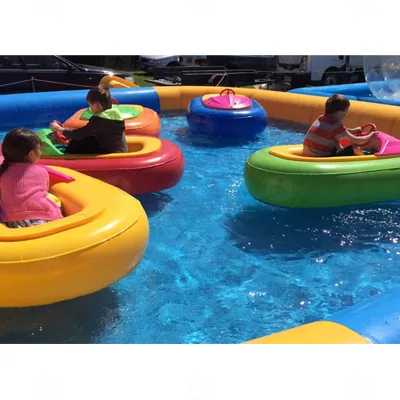
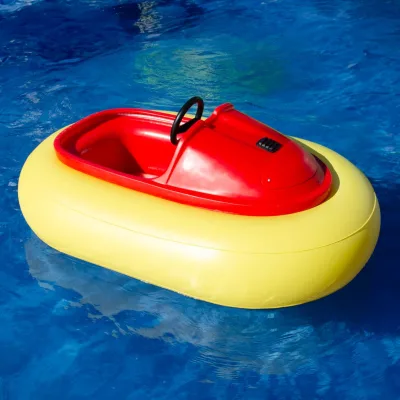

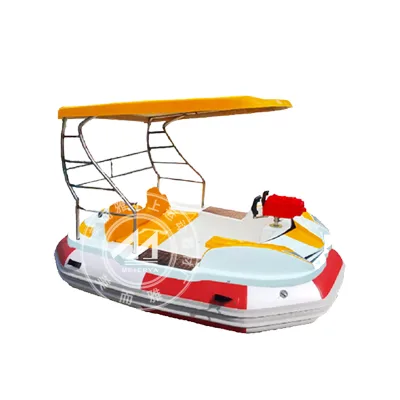
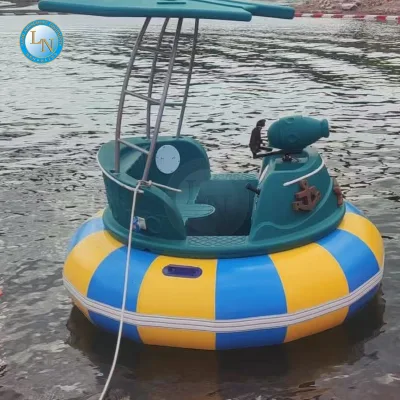
Comprehensive Sourcing Guide
Strategic Sourcing Guide for Electric Bumper Kids Water Boats
Procuring electric bumper boats for children requires a nuanced understanding of the intersection between aquatic safety, electrical engineering, and amusement park regulations. This guide provides evidence-based direction for buyers evaluating suppliers in this specialized sector. The focus remains on verifying technical attributes, compliance frameworks, and operational suitability without relying on unverified marketing claims. Buyers must approach this category with a rigorous verification process, as the market contains diverse product configurations ranging from rigid plastic units to inflatable PVC models, each serving distinct operational environments.
Technical Specifications and Material Composition
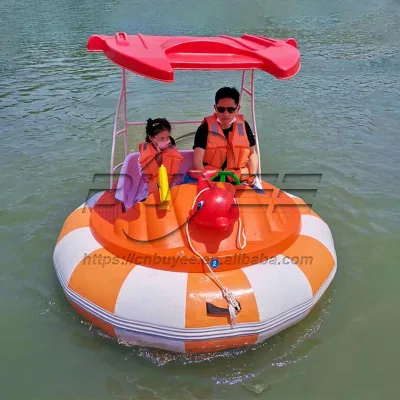
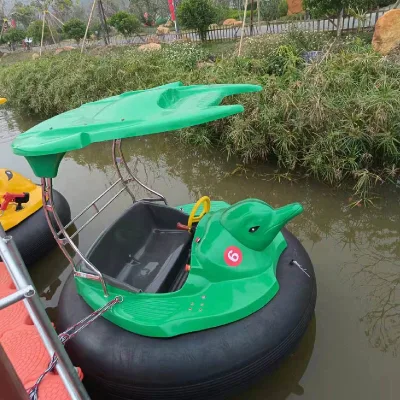
The fundamental distinction in this product category lies in the material composition and structural design. Market observations indicate two primary material categories: rigid plastic and flexible PVC. Rigid models, often designated as "Electric Bumper Boat" or "Water Electric bumper boat," typically utilize durable plastic materials designed for high-impact resistance. These units frequently feature specific dimensions, such as a standard footprint of approximately 1.56x1.1x0.65m, though customization is a common attribute offered by manufacturers. The structural integrity of these boats is critical for their intended use in swimming pools, water parks, and amusement parks.
In contrast, inflatable variants are constructed from PVC material and are designed for "Water Floating Entertainment." These units often come with accessories such as air pumps, carry bags, and repair kits, indicating a different logistical profile compared to rigid boats. The allowable passenger capacity varies significantly between these types. Rigid electric models are frequently engineered for a single passenger, whereas inflatable options may accommodate fewer than five passengers. Buyers must verify the "Max Capacity" specifications, which can range from less than 100kg to capacities supporting 100-500kg depending on the specific model and intended load.
Control mechanisms are another vital technical specification. Many electric bumper boats operate via remote control systems, allowing operators to manage speed and direction from a safe distance. This feature is particularly relevant for facilities managing high-traffic areas like schools, shopping malls, or home installations. The power source is consistently battery-operated, ensuring safety in wet environments. When evaluating specifications, buyers should look for explicit mentions of the model number, such as M-026, M-023, or M-025, which often correlate with specific standard dimensions like 1.431.431.26m or 1.431.431.35m.
Compliance and Certification Verification
Navigating the regulatory landscape for amusement equipment is paramount. While specific certification statuses vary by manufacturer, the presence of recognized standards is a non-negotiable requirement for professional procurement. Buyers should verify that products carry the CE mark, which indicates conformity with health, safety, and environmental protection standards for products sold within the European Economic Area. Some suppliers may also list CCC (China Compulsory Certification) and ISOCE standards, though the specific validity of these certifications for the intended market of operation must be confirmed with the supplier.
The "prod_standard" dimension listed in product data, such as 1.431.431.26m, often serves as a reference for physical compliance with safety clearances and structural stability requirements. However, these dimensions alone do not guarantee safety compliance. Buyers must request current test reports and certification documents directly from the supplier. It is essential to distinguish between general product certifications and specific amusement ride safety standards, which may vary by jurisdiction. The absence of a specific certification claim in a listing should not be interpreted as a lack of compliance, but rather as a need for further verification.
Cost Drivers and Pricing Structures
The pricing of electric bumper boats is influenced by several variable factors, including material type, customization level, and shipping logistics. Observed price ranges in the current market span from approximately $396.41 to $1,645. This wide variance reflects differences in production costs between basic inflatable PVC models and more complex, rigid plastic electric units with advanced remote control systems.
Customization is a significant cost driver. Products listed with "Customized" attributes, such as custom logos, specific color matching (Red, Yellow, Blue, Green, Orange), or tailored dimensions, often command higher prices. The "Big seat space" feature noted in some product descriptions may also contribute to material usage and manufacturing complexity, thereby affecting the final unit cost. Additionally, the "Single package size" and shipping method (By Air/Sea/Express) play a crucial role in the total landed cost. Sea freight is generally more economical for large orders, while air freight or express shipping may be necessary for urgent, low-volume procurement, impacting the overall budget.
Buyers should also consider the Minimum Order Quantity (MOQ) as a financial factor. The market shows an MOQ range of 1 to 6 pieces, with many suppliers offering a low entry point of 1 piece or 1 unit. This flexibility allows for smaller pilot purchases, which can be cost-effective for testing a new facility or location. However, bulk purchasing may yield better per-unit pricing, though this is subject to supplier-specific negotiation and is not guaranteed by the base listing.
Typical Applications and Operational Environments
Electric bumper boats are versatile assets designed for a wide array of applications. The primary operational environments include amusement parks, water parks, schools, shopping malls, and private homes. The "Suitable for" attribute explicitly identifies amusement parks as a key market, while other listings highlight suitability for schools and shopping malls, indicating adaptability to both commercial and semi-commercial settings.
The age range for users is a critical operational consideration. Most products in this category are designed for children aged 3 to 18 years. This broad range suggests that the boats are engineered to accommodate various developmental stages, from toddlers to teenagers. The "Occasion" attribute further clarifies the intended use, ranging from formal water park entertainment to casual home use.
For indoor applications, such as swimming pools in shopping malls or schools, the "Inflatable: No" attribute is relevant, pointing toward rigid, non-inflatable models that offer greater stability in confined spaces. Conversely, for outdoor water amusement applications, inflatable PVC models may be preferred for their portability and ease of storage. The "Usage" description, such as "battery bumper boat use in swimming pool," confirms the electrical safety features required for these specific environments.
Supplier Evaluation and Origin Verification
When evaluating potential suppliers, the "Place of Origin" is a key data point. The majority of electric bumper boats in the current market originate from Jiangxi, China. While this indicates a concentration of manufacturing capability in the region, it does not inherently dictate quality. Buyers should assess the supplier's production capacity, quality control processes, and after-sales support rather than relying solely on geographic origin.
The "Brand Name" and "Logo" customization options provide insight into the supplier's flexibility. Some suppliers offer silicone printing for logos, while others accept customized logos on the product surface. This level of customization is often a differentiator for buyers looking to brand the equipment for their specific facility. Additionally, the "Condition" of the products is consistently listed as "New," which is a standard expectation for B2B procurement but should be explicitly confirmed in the contract to avoid receiving refurbished or used units.
Buyers should also verify the "Selling Units" and "Allowable Passenger" details to ensure the supplier's inventory matches their operational needs. The "Type" of the boat, whether listed as "Indoor, Outdoor" or specifically as "Bumper Boat," helps in categorizing the product within the buyer's procurement system.
Quality Control and Long-Term Procurement Considerations
Ensuring long-term reliability requires a focus on quality control measures and maintenance requirements. The "Material" composition, whether Plastic or PVC, dictates the maintenance regimen. Rigid plastic boats generally require less maintenance regarding structural integrity but may need checks on electrical components and battery health. Inflatable PVC boats require regular inspection for punctures and seam integrity, supported by the inclusion of repair kits in the package.
The "Control" system, often remote-controlled, is a critical component for safety. Buyers should verify the range and reliability of the remote control system to ensure operators can effectively manage the boats in various water conditions. The "Color" options, ranging from standard colorful designs to custom color matching, should be evaluated for durability and resistance to fading under UV exposure, especially for outdoor applications.
Long-term procurement considerations include the availability of spare parts and the "Shipping" logistics. Suppliers offering "By Air/Sea/Express" options provide flexibility for restocking or replacing damaged units. The "Single package size" is also relevant for storage and logistics planning. Buyers should establish a clear communication channel with suppliers regarding warranty terms and the availability of technical support for electrical repairs.
Comparative Analysis of Product Configurations
To assist in decision-making, the following table summarizes key attributes observed across different product configurations in the market. This comparison highlights the trade-offs between material types, capacity, and intended use.
| Attribute | Rigid Plastic Model | Inflatable PVC Model |
|---|---|---|
| Primary Material | Plastic | PVC |
| Typical Model Number | M-026, M-023, YJWP-12 | Ejia-96 |
| Standard Dimensions | ~1.43m x 1.43m x 1.26m | Variable, often customizable |
| Allowable Passenger | 1 | < 5 |
| Max Capacity | 100-500kg (varies) | < 100kg (varies) |
| Inflatable | No | Yes |
| Accessories | Battery, Remote Control | Air Pump, Carry Bag, Repair Kit |
| Primary Usage | Swimming Pool, Indoor/Outdoor | Water Floating Entertainment |
| Customization | Available (Color, Logo) | Available (Color, Logo) |
| Certification | CE, CCC, ISOCE (Verify) | CE (Verify) |
This table illustrates that while both types serve the core function of electric bumper entertainment, their operational requirements differ significantly. Rigid models are better suited for permanent installations with higher load requirements, whereas inflatable models offer flexibility for temporary setups or locations with limited storage space.
Final Procurement Recommendations
In conclusion, sourcing electric bumper kids water boats requires a meticulous approach to verifying technical specifications, compliance, and supplier capabilities. Buyers must prioritize the verification of certifications like CE and CCC, ensuring they align with local regulations. The choice between rigid plastic and inflatable PVC models should be driven by the specific operational environment, expected passenger load, and maintenance capabilities of the facility.
Cost considerations must extend beyond the unit price to include shipping, customization fees, and long-term maintenance. The observed price range of $396.41 to $1,645 reflects the diversity of the market, and buyers should align their budget with the specific features required for their project. By focusing on evidence-based evaluation of product attributes such as material, capacity, and control systems, buyers can make informed decisions that ensure safety, durability, and operational success for their amusement or recreational facilities.
FAQs
What certifications do electric bumper kids water boats have?
Many models carry CE certification, while others may include CCC and ISOCE standards. Buyers must verify the validity of these certifications with the supplier for their specific market, as compliance requirements vary by jurisdiction and intended use.
Which materials are used for these bumper boats?
Products typically use either rigid plastic or flexible PVC. Rigid models are designed for stability in pools, while inflatable PVC variants are suited for floating entertainment and often include air pumps and repair kits for maintenance.
Can buyers customize the color and logo of the boats?
Yes, customization is available for both color matching and logo printing. Suppliers offer options like red, yellow, blue, green, and orange, along with silicone printing or custom logos to match specific facility branding requirements.
How many passengers can a single electric bumper boat hold?
Capacity varies by model type, with rigid boats often allowing one passenger and inflatable options accommodating fewer than five. The maximum weight capacity ranges from under 100kg to 100-500kg depending on the specific design and structural integrity.
What is the typical price range for these water boats?
The observed price range spans from approximately 396.41 to 1645 USD. This variance reflects differences in material, customization levels, and shipping logistics, with rigid models generally costing more than basic inflatable units.
Where are these electric bumper boats manufactured?
The majority of products originate from Jiangxi, China. Buyers should verify the specific place of origin and supplier capabilities, as geographic concentration does not inherently dictate quality or production capacity for every listed item.