Source Electric Drive Bulldozer for Mining, Construction, and Landscaping
Find 30 Electric Drive Bulldozer listings with varying engine power, battery capacity, and transmission types. Buyers can compare specifications from manufacturers in China to select the right machine for heavy-duty applications.
Key considerations
Products List


Pengpu Bulldozer Dozer Mini Bulldozer Crawler Bulldozer Small Bulldozer
$10000.00 - $65000.00
MOQ: 1 Pieces


Electric Bulldozer 26.5ton Bulldozers 824f 283HP Track Type Crawler Dullozer
$109999.00 - $114800.00
MOQ: 1 Pieces


$60000.00 - $70000.00
MOQ: 1 Pieces


Strong Hydraulic Drive Earthmoving SD16 SD16 Transmission Bulldozer
$22000.00 - $32000.00
MOQ: 1 Pieces


Compact Heavy Bulldozer with 3 5 M³ Capacity for Construction Sites
$2688.00 - $48000.00
MOQ: 1 Pieces

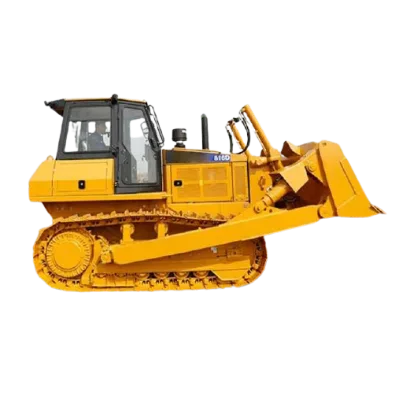
816D Compact Bulldozer Excellent Quality Earth Moving Machinery with Dozing Capacity
$73333.22 - $76388.77
MOQ: 1 units


Comprehensive Sourcing Guide
Strategic Sourcing Guide for Electric Drive Bulldozers
Understanding the Electric Drive Bulldozer Market Landscape
The global construction and mining sectors are increasingly prioritizing equipment that balances high performance with reduced environmental impact. Electric drive bulldozers represent a significant evolution in heavy machinery, offering distinct advantages over traditional diesel-powered units regarding emissions, noise reduction, and operational efficiency. When sourcing these machines, buyers must navigate a complex array of technical specifications, powertrain configurations, and certification requirements. The market currently presents a diverse range of models, from compact units suitable for indoor or confined site work to heavy-duty crawler machines designed for large-scale earthmoving operations.
Procurement decisions in this category require a nuanced understanding of the specific power ranges available. The observed market data indicates a wide spectrum of engine power capabilities, ranging from units with power outputs below 74kW to heavy-duty models exceeding 515kW. This variance suggests that the electric drive technology is being adapted for multiple applications, from light material handling to massive excavation tasks. Buyers must align their specific project requirements with the appropriate power class, ensuring that the selected machine can handle the intended load without compromising on efficiency or battery life. The transition to electric drive is not merely a change in fuel source but a fundamental shift in how the machine operates, requiring a re-evaluation of site logistics, charging infrastructure, and maintenance protocols.
Technical Specifications and Powertrain Configurations
A critical aspect of sourcing electric drive bulldozers is the detailed analysis of technical specifications, particularly those related to the powertrain, transmission, and physical dimensions. The core of an electric bulldozer is its propulsion system, which often utilizes hydraulic transmission to convert electrical energy into mechanical movement. This configuration allows for precise control and high torque delivery at low speeds, which is essential for pushing heavy loads. The observed data highlights a specific transmission type known as hydraulic transmission, which is a common feature in high-performance crawler bulldozers. This system is distinct from mechanical or power transmission systems found in older or lighter machinery, offering superior durability and adaptability to varying ground conditions.
The walking mode of these machines is predominantly crawler-based, providing the necessary traction and stability required for rough terrain. The physical dimensions of the equipment vary significantly depending on the model and intended application. For instance, specific models have been documented with dimensions such as 5750mm in length, 3725mm in breadth, and 3395mm in height, while larger variants may reach 6880mm in length and 4130mm in breadth. These dimensions directly impact the machine's maneuverability and the space required for storage and transport. Buyers must verify that the machine's footprint aligns with the constraints of their job sites, including gate widths, bridge load limits, and overhead clearance.
Battery technology is another pivotal specification. The presence of lithium battery systems indicates a move toward high-energy-density power sources that support extended operational hours. Data suggests that certain models are designed to operate for approximately 8 hours on a single charge, with a charging time of about 2 hours. This operational profile is crucial for shift-based construction schedules. Additionally, the bucket capacity and width are key performance indicators; observed specifications include bucket widths of 800mm and capacities as low as 0.15 cubic meters for compact units, while larger models offer significantly higher capacities. The self-weight and machine weight also vary, with some units weighing as little as 1100kg and others reaching up to 37.2 tons. These weight figures influence the ground pressure and the potential for soil compaction, which must be considered when selecting equipment for sensitive environments.
Compliance, Certification, and Regulatory Standards
Navigating the regulatory landscape is a non-negotiable aspect of sourcing heavy machinery, particularly for electric drive bulldozers intended for international deployment. Compliance with international standards ensures that the equipment meets safety, environmental, and quality benchmarks. The most frequently observed certifications in the current market include CE (Conformité Européenne) and ISO 9001. The CE marking indicates that the product complies with EU health, safety, and environmental protection standards, which is often a prerequisite for selling machinery within Europe and many other regions. ISO 9001 certification signifies that the manufacturer adheres to a quality management system that ensures consistent product quality and customer satisfaction.
Beyond general certifications, specific product standards and origin locations play a vital role in the procurement process. Many of the observed units originate from Shandong, China, a region known for its manufacturing base in heavy machinery. The standard documentation often references compliance with ISO standards, which govern various aspects of machine design and safety. Buyers must verify that the specific model they are considering carries the necessary certifications for their target market. For example, if the equipment is intended for use in North America, additional certifications such as UL or EPA compliance might be required, which are not explicitly listed in the general observations but should be confirmed during the supplier evaluation phase.
The condition of the equipment is another critical factor. The market data consistently indicates that the available units are "New," which simplifies the compliance verification process as the machines are expected to meet the latest regulatory standards without the wear and tear associated with used equipment. However, buyers should remain vigilant regarding the specific version of the standards referenced, such as ISO 9001:2000, and ensure that the manufacturer is offering the most current iteration of the standard to guarantee long-term support and parts availability.
Cost Drivers and Economic Considerations
The pricing structure for electric drive bulldozers is influenced by a multitude of factors, including power output, battery capacity, and the complexity of the transmission system. The observed price range in the market is extensive, spanning from approximately $2,688 to $1,000,000. This vast disparity reflects the diversity of the product line, ranging from small, specialized units to massive, high-power industrial machines. The lower end of the price spectrum likely corresponds to compact electric units with lower power outputs and smaller battery capacities, suitable for light-duty applications. Conversely, the higher price points are associated with heavy-duty models featuring high horsepower ratings, advanced hydraulic transmission systems, and large battery packs capable of sustaining extended operational cycles.
Beyond the initial purchase price, buyers must consider the total cost of ownership (TCO). While electric drive bulldozers often have a higher upfront cost compared to their diesel counterparts, they offer significant savings in fuel and maintenance over the life of the machine. The absence of an internal combustion engine eliminates the need for oil changes, fuel filters, and exhaust system repairs. Furthermore, the energy cost of electricity is generally lower and more stable than diesel fuel prices. However, the cost of battery replacement and the investment in charging infrastructure must be factored into the financial analysis. The charging time of approximately 2 hours and the working hours of 8 hours per charge suggest a need for strategic charging planning to maximize equipment utilization.
The minimum order quantity (MOQ) for these machines is typically 1 unit, offering flexibility for buyers who may only require a single machine for a specific project. This low barrier to entry allows for pilot testing and phased adoption of electric technology. Buyers should also consider the packing and shipping costs, as the "seaworthy packing" and "container" specifications indicate that the machines are designed for international transport. The dimensions and weight of the units will directly impact freight charges, which can be a significant portion of the total landed cost, especially for the larger, heavier models.
Typical Applications and Operational Use Cases
Electric drive bulldozers are versatile machines capable of performing a wide range of tasks across various industries. The primary application areas include construction, mining, landscaping, and material handling. The "Universal Type" and "Special Type" classifications suggest that these machines are designed to handle both general earthmoving tasks and specialized operations. For instance, the compact models with a self-weight of 1100kg and a bucket capacity of 0.15 cubic meters are ideal for indoor construction, urban redevelopment, or work in confined spaces where noise and emissions are a concern. These units often feature a control distance of up to 250 meters, allowing for remote operation in hazardous environments.
In contrast, the heavy-duty models with power outputs exceeding 515kW and machine weights up to 37.2 tons are suited for large-scale mining operations, major infrastructure projects, and heavy earthmoving. These machines are equipped with robust hydraulic transmission systems and large bucket capacities to handle massive volumes of material efficiently. The "Front Discharge" load and unload method is a common feature, facilitating quick and efficient material handling in high-volume operations. The ability to operate for 8 hours on a single charge makes these machines suitable for continuous shift work, provided that charging infrastructure is available on-site.
The specific applications also depend on the ground conditions and the type of material being moved. The crawler walking mode provides excellent traction on soft, muddy, or uneven terrain, making these bulldozers ideal for site preparation and road construction. The minimum ground clearance of 250mm ensures that the machine can navigate over obstacles without getting stuck. Additionally, the control distance capabilities allow for remote operation in environments with high dust, toxic gases, or explosive atmospheres, enhancing worker safety. Buyers should assess their specific operational needs against the technical specifications of the available models to ensure the selected machine can deliver the required performance.
Supplier Evaluation and Quality Assurance Protocols
Selecting the right supplier is paramount to ensuring the reliability and longevity of the electric drive bulldozers. Buyers should prioritize suppliers who demonstrate a commitment to quality through recognized certifications such as CE and ISO 9001. The origin of the machinery, particularly from established manufacturing hubs like Shandong, China, can be an indicator of production capacity and technical expertise. However, buyers must conduct thorough due diligence to verify the supplier's reputation, financial stability, and after-sales support capabilities.
Quality control should be a central component of the procurement process. Buyers should request detailed documentation regarding the manufacturing process, including quality assurance tests, material certifications, and assembly procedures. The observation that the machines are "New" and come with "Seaworthy Packing" or "Container" packaging suggests a focus on protecting the equipment during transit, but buyers should verify the specific packing standards to ensure the machine arrives in pristine condition. Additionally, the availability of spare parts and the technical support network are critical factors. A supplier with a robust global network can provide timely maintenance and repairs, minimizing downtime and ensuring the machine remains operational.
Buyers should also evaluate the supplier's experience with electric drive technology. The transition from diesel to electric requires specialized knowledge and expertise. Suppliers who have a proven track record in developing and supporting electric machinery are more likely to provide reliable products and effective technical support. It is advisable to request references from existing customers and to review case studies that demonstrate the successful deployment of similar machines in comparable environments.
Long-Term Procurement and Lifecycle Management
The long-term success of an Electric Drive Bulldozer investment depends on effective lifecycle management and strategic planning. Buyers should consider the entire lifecycle of the machine, from acquisition and operation to maintenance and eventual decommissioning. The battery is a critical component that will require monitoring and eventual replacement. Understanding the battery's lifespan, warranty terms, and recycling options is essential for managing long-term costs. The observed charging time of 2 hours and working hours of 8 hours suggest that the battery is designed for high utilization, but buyers should verify the cycle life and degradation rates to plan for future replacements.
Maintenance strategies should be adapted to the unique characteristics of electric drive systems. While the absence of an internal combustion engine reduces the frequency of certain maintenance tasks, the electrical and hydraulic systems require specialized attention. Buyers should ensure that their maintenance teams are trained on electric machinery and that they have access to the necessary diagnostic tools and spare parts. The "Suitable for Ocean Shipment" packing specification indicates that the machines are designed for global deployment, but buyers should also consider the logistics of transporting spare parts and equipment to remote job sites.
Furthermore, buyers should plan for the scalability of their electric fleet. As the demand for electric machinery grows, suppliers may offer upgrades or new models with improved battery technology and higher efficiency. Establishing a long-term relationship with a supplier who is committed to innovation can provide access to these advancements and ensure that the fleet remains competitive. Finally, buyers should consider the environmental impact of the entire lifecycle, including the disposal of batteries and the recycling of materials, to align with corporate sustainability goals and regulatory requirements. By adopting a holistic approach to procurement and lifecycle management, buyers can maximize the value and performance of their Electric Drive Bulldozer investments.
FAQs
What certifications do electric drive bulldozers have?
These machines typically carry CE and ISO9001 certifications. The observed products explicitly list CE and ISO9001 compliance, ensuring adherence to international safety and quality management standards for global deployment.
Which transmission types are available for these bulldozers?
Hydraulic transmission is a common configuration for high-performance models. Some units also feature power transmission systems, allowing for precise control and high torque delivery suitable for varying ground conditions.
How long can these machines operate on a single charge?
Certain models are designed to work for approximately 8 hours on a single charge. This operational duration supports standard shift schedules, provided that charging infrastructure allows for the observed 2-hour charging time.
Can buyers request customization for these bulldozers?
Yes, customization is available for many of the listed units. Buyers can request specific modifications to meet unique project requirements, ensuring the machine fits the intended application or site constraints.
What is the price range for electric drive bulldozers?
The observed price range spans from approximately 2688 to 1000000 USD. This wide variance reflects differences in power output, battery capacity, and machine weight, ranging from compact units to heavy-duty industrial models.
Where are these bulldozers manufactured?
Most units originate from Shandong, China. The product data consistently lists Shandong as the origin, indicating a concentrated manufacturing base for these heavy machinery units in the Chinese mainland.
What is the minimum order quantity for these machines?
The minimum order quantity is typically 1 unit. This low barrier allows buyers to purchase single machines for specific projects without needing to commit to large bulk orders for initial adoption.