Find Electric Dog Food Extruder for Dog, Cat, and Fish Production
Source 30 verified Electric Dog Food Extruder units from Chinese manufacturers. Buyers can compare twin-screw models with automatic operation, 304 stainless steel construction, and capacities up to 400-600kg/H for pet food lines.
Key considerations
Products List


Dog Food Extruder Pet Food Production Line Food Extruders Machine for Sale
$9999.00 - $13000.00
MOQ: 1 Sets


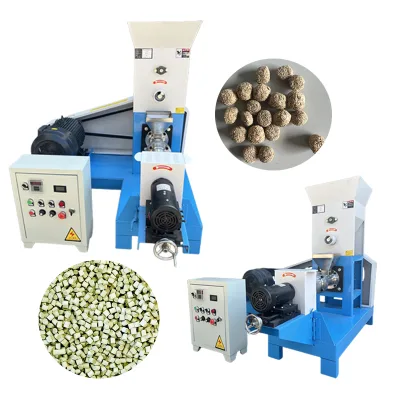


$25000.00 - $60000.00
MOQ: 1 Pieces


High Quality Automatic Animal Pet Dog Fish Cat Food Feed Pellet Extruder
$25000.00 - $60000.00
MOQ: 1 Pieces


Comprehensive Sourcing Guide
Strategic Sourcing Guide for Electric Dog Food Extruders
Understanding the Core Technology and Operational Mechanics
When sourcing an Electric Dog Food Extruder, buyers must first distinguish between the fundamental mechanical architecture and the specific operational capabilities required for their production line. The core technology relies on a twin-screw extrusion system, which is the industry standard for producing high-quality pet kibble and chews. This mechanism utilizes two intermeshing screws that rotate within a barrel to convey, mix, cook, and shape the raw material. The "twin-screw" configuration is critical because it offers superior mixing efficiency and self-cleaning capabilities compared to single-screw alternatives, ensuring consistent texture and nutrient distribution in the final dog food product.
The power source for these units is exclusively electric, driven by high-efficiency motors that often feature variable frequency drives (inverters) to control screw speed precisely. In the observed market data, specific inverter brands such as Delta and Rexroth are noted as components in high-end configurations, indicating that the control system is a significant differentiator in machine performance. The process itself is a continuous thermal treatment, often described as extrusion-drying-cooling. This sequence involves feeding raw ingredients, subjecting them to high pressure and temperature to gelatinize starches, and then cooling the extruded strands before cutting them into the desired shapes.
A critical technical observation is the modular design of the screws. The screw components are often made from alloy steel, specifically grades like 38CrMoAl, which provide the necessary hardness and wear resistance to handle abrasive ingredients like meat and bone meal or soybean meal. The modular nature allows for easy replacement and customization of the screw profile to adjust the degree of cooking or the density of the final product. Furthermore, the feeding mechanism is a vital subsystem; high-performance units utilize loss-weight feeders or volumetric feeders to ensure precise ingredient ratios, which is essential for maintaining nutritional consistency across large batches.
Technical Specifications and Material Standards
Evaluating the technical specifications of an Electric Dog Food Extruder requires a deep dive into the materials of construction and the operational parameters. The primary material for the barrel and screw housing is 304 stainless steel, a standard that ensures corrosion resistance and compliance with food safety hygiene requirements. This material choice is non-negotiable for equipment intended to process human-grade or pet-grade food products, as it prevents contamination and facilitates thorough cleaning.
The production capacity of these machines varies significantly based on the model and configuration. Observed data indicates output ranges from 400 to 600 kilograms per hour for specific models, while other configurations may support higher throughput. Buyers must verify the specific output capacity against their production targets, as the machine's size and power consumption are directly correlated to its hourly yield. The physical dimensions of the equipment are also substantial; some standard configurations measure approximately 12,000mm in length, 1,500mm in width, and 2,600mm in height, requiring significant floor space and structural support in the manufacturing facility.
Electrical standards are another key specification. The equipment typically operates on a 380V power supply, which is common for industrial machinery in many regions. However, the voltage requirements can vary by region, and buyers must confirm that their facility's electrical infrastructure matches the machine's specifications. The heating temperature is adjustable, allowing operators to fine-tune the cooking process for different recipes. This adjustability is crucial for producing various types of dog food, from soft treats to hard, crunchy kibble.
The automation level is another defining technical characteristic. Modern electric dog food extruders are designed for fully automatic operation, often featuring computerized control systems. These systems integrate touch screens, with brands like Siemens being noted in high-specification units, to manage the entire production process from feeding to cutting. The automation reduces the need for manual intervention, minimizes human error, and ensures consistent product quality. The engagement system of the screws is typically full intermeshing, which maximizes the shear forces applied to the material, ensuring thorough cooking and mixing.
Compliance, Certification, and Safety Standards
Navigating the regulatory landscape is a critical component of sourcing industrial food processing equipment. While specific certification statuses can vary by manufacturer and region, buyers should look for machines that adhere to recognized international standards. In the observed market, certifications such as CE (Conformité Européenne) and ISO (International Organization for Standardization) are frequently cited. These certifications indicate that the equipment meets specific safety, health, and environmental protection requirements.
The CE marking is particularly important for buyers targeting the European market or those who require adherence to strict European safety directives. It ensures that the machine has been assessed for safety and meets the essential requirements of relevant EU directives. Similarly, ISO certification implies that the manufacturer follows a quality management system that ensures consistency and reliability in their production processes. Buyers should verify the validity of these certifications directly with the supplier and request copies of the certificates before finalizing a purchase.
Food safety is paramount in the production of dog food. The equipment must be designed with food-grade materials and surfaces that are easy to clean and sanitize. The "Touch Food Part" of the machine should be explicitly rated for food-grade use, ensuring that no harmful substances leach into the product. Additionally, the exhaust system is a critical component for maintaining air quality and removing excess moisture and heat from the production environment. A properly designed exhaust system prevents the accumulation of dust and steam, which can pose safety hazards and affect the quality of the final product.
Buyers must also consider the electrical safety standards of the machine. The inclusion of high-quality inverters and control systems from reputable brands like Delta or Rexroth suggests a focus on electrical safety and reliability. These components often include built-in safety features such as overload protection and emergency stop mechanisms. It is essential to verify that the machine's electrical design complies with local electrical codes and standards in the buyer's region.
Cost Drivers and Pricing Structure Analysis
The pricing of an Electric Dog Food Extruder is influenced by a complex interplay of factors, including capacity, automation level, material quality, and brand reputation. The observed price range in the market spans from $500 to $100,000, reflecting the vast diversity in machine sizes and capabilities. Lower-priced units typically represent smaller, semi-automatic models with basic features, while the higher end of the spectrum includes large-scale, fully automatic production lines with advanced control systems and higher output capacities.
Capacity is a primary cost driver. Machines with higher hourly output, such as those capable of producing 400-600kg/h or more, command a premium price due to the increased material costs, larger motors, and more complex engineering required. The material of construction also significantly impacts cost; machines built entirely from 304 stainless steel are more expensive than those with mixed materials, but they offer superior durability and hygiene.
Automation and control systems represent another major cost factor. Units equipped with computerized touch screens, advanced inverters, and fully automatic feeding systems are priced higher than those with manual or semi-automatic controls. The brand of the components used, such as the inverter or touch screen, can also influence the final price. High-end brands like Siemens or Rexroth add to the cost but offer greater reliability and precision.
The packaging and shipping requirements also contribute to the overall cost. Standard ocean shipping packaging or export plywood cases are common, but specialized packaging for heavy machinery can add to the expense. Buyers should also consider the cost of installation, training, and after-sales service, which are often included in the price of high-end models. The minimum order quantity (MOQ) is typically low, ranging from 1 to 3 units, making it accessible for small to medium-sized businesses. However, buyers should be aware that shipping costs for heavy machinery can be substantial and should be factored into the total cost of ownership.
Typical Applications and Production Versatility
Electric dog food extruders are versatile machines designed to handle a wide range of raw materials and produce various types of pet food products. The primary application is the production of dog food, but these machines are also capable of processing cat food and, in some configurations, fish feed. The ability to handle different feed types, such as soybean meal, meat and bone meal, and various grains, makes these machines highly adaptable to different production needs.
The extrusion process allows for the creation of diverse product textures and shapes. By adjusting the screw profile, temperature, and pressure, manufacturers can produce everything from soft, chewy treats to hard, crunchy kibble. This versatility is essential for meeting the diverse preferences of pet owners and for developing new product lines. The adjustable heating temperature and the modular screw design enable precise control over the cooking process, ensuring that the final product meets specific nutritional and textural requirements.
The production of dog chews is another significant application. These machines can be configured to produce long, twisted, or shaped chews that are popular with pet owners. The ability to customize the product shape and size is a key advantage of the twin-screw extrusion technology. The machines can also be used to produce specialized diets for pets with specific health needs, such as low-fat or high-protein formulas.
The application of these machines extends beyond just the extrusion process. The integrated drying and cooling systems ensure that the final product has the correct moisture content and texture. This integrated approach reduces the need for additional equipment and streamlines the production process. The machines are designed for continuous operation, making them suitable for large-scale production facilities. However, they can also be used in smaller facilities for pilot production or niche product lines.
Supplier Evaluation and Quality Assurance Protocols
Selecting the right supplier is critical to the success of any procurement project. Buyers should evaluate suppliers based on their technical expertise, production capacity, and after-sales support. The supplier should have a proven track record of manufacturing high-quality extruders and should be able to provide references from existing customers. It is important to verify the supplier's location and production capabilities, as some suppliers may outsource certain components or assembly steps, which can affect quality control.
Quality assurance protocols are essential to ensure that the machine meets the specified requirements. Buyers should request detailed documentation, including technical drawings, material certificates, and test reports. The supplier should be able to demonstrate that the machine has been tested for performance, safety, and durability. The use of high-quality materials, such as 304 stainless steel and alloy steel screws, should be verified through material certificates.
After-sales service is another critical factor in supplier evaluation. The supplier should provide comprehensive training for operators and maintenance staff, as well as a clear warranty policy. The observed market data indicates that some suppliers offer a one-year after-sales service, which is a standard benchmark for the industry. Buyers should also inquire about the availability of spare parts and the lead time for replacements. A supplier with a robust supply chain for spare parts can minimize downtime and ensure the longevity of the machine.
Communication and responsiveness are also important indicators of a reliable supplier. Buyers should assess the supplier's ability to answer technical questions, provide timely updates, and resolve issues quickly. A supplier that is transparent about their capabilities and limitations is more likely to deliver a product that meets the buyer's expectations.
Long-Term Procurement Considerations and Lifecycle Management
Long-term procurement considerations extend beyond the initial purchase price and include the total cost of ownership, maintenance requirements, and the potential for future upgrades. Buyers should evaluate the energy efficiency of the machine, as electric motors and control systems can significantly impact operating costs. Machines with high-efficiency inverters and optimized thermal processing systems can reduce energy consumption and lower long-term operating expenses.
Maintenance is a critical aspect of lifecycle management. The modular design of the screws and the use of durable materials like 304 stainless steel and alloy steel can reduce the frequency of maintenance and the cost of replacements. However, buyers should still plan for regular maintenance schedules, including lubrication, inspection, and part replacement. The availability of spare parts and the ease of access to critical components should be considered when selecting a machine.
Future scalability is another important consideration. As the business grows, the production capacity may need to increase. Buyers should consider whether the machine can be upgraded or if a larger model will be required. The flexibility of the machine to handle different feed types and product formulations can also provide long-term value, allowing the business to adapt to changing market demands.
Finally, buyers should consider the environmental impact of the machine. Efficient thermal processing and exhaust systems can reduce energy consumption and emissions. The use of food-grade materials and the ability to produce high-quality, nutritious pet food can also contribute to the sustainability of the business. By carefully evaluating these long-term factors, buyers can make informed decisions that support the growth and success of their pet food production operations.
FAQs
What material is used for the main body of the extruder?
The main body is constructed from 304 stainless steel to ensure food safety and corrosion resistance. This material is standard for the barrel and screw housing to meet hygiene requirements for processing pet food ingredients like soybean meal and meat.
Can the machine handle different types of pet feed ingredients?
Yes, the machine is designed to process various feed types including soybean meal and meat and bone meal. It is suitable for producing food for dogs, cats, and fish using a twin-screw extrusion system with adjustable heating temperatures.
What is the typical hourly output capacity of this equipment?
Specific models offer an output capacity ranging from 400 to 600 kilograms per hour. Buyers should verify the exact capacity against their production targets as it correlates with the machine's size and power consumption requirements.
Which brands are used for the inverter and touch screen controls?
High-end configurations feature inverters from brands like Delta or Rexroth and touch screens from Siemens. These components enable fully automatic operation and precise control over the extrusion-drying-cooling process for consistent product quality.
What certifications does the Electric Dog Food Extruder hold?
The equipment typically holds CE and ISO certifications to meet international safety and quality standards. These certifications indicate compliance with essential requirements for electrical safety and quality management systems in food processing machinery.
How is the machine packaged for international shipping?
Units are packed in standard export plywood cases or wooden cases to support sea freight. This packaging ensures the machinery is protected during transport and meets standard ocean shipping requirements for heavy industrial equipment.
Is customization available for the screw design and product shape?
Customization is available with a modular screw design that allows for easy replacement and profile adjustments. This feature enables manufacturers to customize the final product shape and texture for different dog chews or kibble types.