Source Electric Dumper for Construction, Mining, and Farming
Find 30 Electric Dumper units with varying load capacities and battery options. Buyers can compare specifications like motor power, wheel types, and customization availability for industrial and tool applications.
Key considerations
Products List


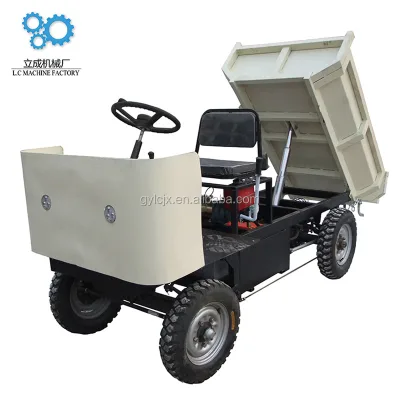
High Quality Electric Multipurpose Mini Dumper / Electric Minidumper / Electric Dumper
$1729.08 - $1932.50
MOQ: 1 Minimum


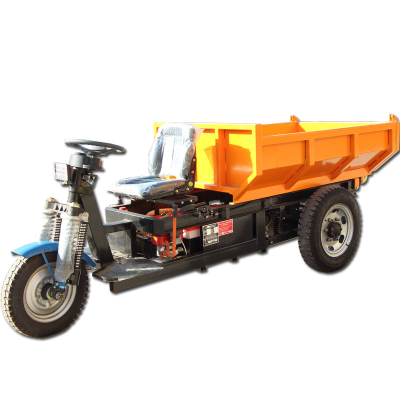

Comprehensive Sourcing Guide
Electric Dumper Sourcing Guide
Sourcing electric dumpers requires a careful balance between operational efficiency, regulatory compliance, and total cost of ownership. These vehicles are increasingly favored in industrial and construction environments for their zero-emission operation, reduced noise levels, and lower maintenance requirements compared to traditional internal combustion engine alternatives. Buyers must navigate a market where specifications vary significantly by model, particularly regarding battery voltage, load capacity, and discharge mechanisms. This guide provides a structured approach to evaluating Electric Dumper offerings, ensuring that procurement decisions are grounded in verified technical data and commercial realities rather than marketing claims.
The following sections outline the critical steps for evaluating Electric Dumper suppliers, from understanding product scope and technical specifications to verifying compliance and negotiating commercial terms. By focusing on evidence-based verification and long-term procurement checks, buyers can mitigate risks associated with equipment failure, non-compliance, and inadequate after-sales support. The goal is to equip procurement teams with the knowledge to select the right Electric Dumper for their specific operational needs, whether for indoor warehouse use, outdoor construction sites, or industrial material handling.
Product Scope and Observed Listing Signals
The current market for electric dumpers presents a diverse range of models, each tailored to specific load capacities and operational environments. Observed listings indicate a price range of $500 to $4,599 USD, reflecting variations in battery capacity, motor power, and build quality. The minimum order quantity (MOQ) typically ranges from 1 to 10 units, offering flexibility for both single-unit trials and bulk procurement. Buyers should note that while some models are marketed as "hotsale" items, this designation does not guarantee performance or reliability; instead, it often reflects marketing volume. Understanding these listing signals helps buyers set realistic expectations for pricing and availability, particularly when sourcing from regions like Qingdao, China, which is a known hub for such industrial equipment.
Product attributes vary widely, with some models featuring folding or unfolding styles to optimize storage and transport. For instance, certain models are designed with a 200L bucket volume and a net weight of 200kg, while others may have different dimensions and weights. The wheel configuration is another critical differentiator, with options including pneumatic wheels and specific sizes like 11X4.00-4. Buyers must carefully review these physical attributes to ensure compatibility with their site conditions, such as floor type and space constraints. Additionally, the presence of customization options allows for tailored solutions, but buyers should verify the feasibility and cost implications of such customizations before committing to an order.
Technical Specifications to Verify
Technical verification is paramount when sourcing electric dumpers, as performance metrics directly impact operational efficiency. Key specifications to verify include motor power, battery capacity, and speed settings. For example, some models are equipped with 48V/650W motors, while others may offer 24V/1000W configurations. Battery options often include 32Ah capacities at 48V or 24V, influencing the working time, which can range from 8 to 10 hours. Charging times typically span 7 to 9 hours, a factor that must be considered in shift planning. Buyers should request detailed technical datasheets to confirm these specifications, as discrepancies between advertised and actual performance can lead to operational bottlenecks.
Load capacity and discharge mechanisms are also critical technical considerations. Observed data indicates load capacities ranging from 350kg to 500kg, depending on the model. The dumping type, such as front lifting style, and the load and unload mode, like front discharge, must align with the intended workflow. Transmission types, whether power-driven or manual, and walking modes, such as wheeled systems, further define the vehicle's maneuverability. Buyers should verify these specifications against their site requirements, ensuring that the Electric Dumper can handle the expected loads and navigate the terrain effectively. Additionally, surface handling techniques, such as zinc plating, and bucket materials, like powder coating or hot-dip galvanizing, affect durability and maintenance needs.
Compliance and Safety Documentation
Compliance with international standards is essential for ensuring the safety and legality of electric dumpers in various markets. Certifications such as CE, ISO, GS, TUV, RoHS, and FCC are commonly cited, indicating adherence to specific safety and environmental regulations. Buyers must verify the authenticity and scope of these certifications, as they vary by region and application. For instance, CE certification is crucial for European markets, while other regions may have different requirements. Documentation should include test reports and compliance certificates issued by recognized bodies, providing assurance that the equipment meets necessary safety standards.
Safety features and operational guidelines are also critical components of compliance. Buyers should review the user manual and safety instructions provided by the supplier, ensuring that they are comprehensive and clear. Features such as emergency stop buttons, overload protection, and stability controls should be verified through product documentation or direct inquiry. Additionally, emission standards, such as Euro standards for gasoline-powered alternatives, may be relevant for hybrid models or when comparing electric options to traditional vehicles. Buyers must ensure that the Electric Dumper they select complies with local regulations, avoiding potential legal issues and ensuring a safe working environment for operators.
Cost Drivers and Commercial Terms
Understanding the cost drivers associated with electric dumpers is crucial for effective budgeting and negotiation. Factors such as battery capacity, motor power, and material quality significantly influence the final price. For example, models with higher load capacities and more robust construction may command higher prices. Buyers should also consider the cost of customization, if required, as this can add to the overall expense. Shipping and packaging costs, whether in cases or nude packages, and sea transportation options, should be factored into the total cost of ownership. Additionally, warranty terms, ranging from one to two years, can impact long-term costs by reducing maintenance and repair expenses.
Commercial terms, including payment methods, delivery times, and after-sales service, play a vital role in the procurement process. Buyers should negotiate clear terms regarding delivery schedules, especially when sourcing from international suppliers. After-sales support, such as video technical support, online guidance, and spare parts availability, is essential for minimizing downtime. Buyers should verify the supplier's ability to provide timely support and access to replacement parts, as this can significantly affect operational continuity. Understanding these commercial terms helps buyers make informed decisions, balancing initial costs with long-term value and support.
Supplier Qualification and Quality Control
Supplier qualification is a critical step in ensuring the reliability and quality of electric dumpers. Buyers should assess suppliers based on their production capabilities, quality control processes, and track record. Verification of manufacturing standards, such as ISO certification, can provide insight into the supplier's commitment to quality. Additionally, buyers should request samples or conduct factory audits to evaluate the production process and final product quality. This due diligence helps mitigate risks associated with substandard equipment and ensures that the supplier can meet the buyer's specifications and delivery requirements.
Quality control measures, including pre-shipment inspections and testing protocols, are essential for verifying product integrity. Buyers should inquire about the supplier's quality control procedures, such as stress testing, load testing, and electrical safety checks. Documentation of these tests, including results and certificates, should be reviewed to ensure compliance with agreed-upon standards. Additionally, buyers should establish clear communication channels with the supplier for addressing any quality issues that may arise post-delivery. By prioritizing supplier qualification and quality control, buyers can secure reliable equipment and build a strong partnership with their suppliers.
Long-Term Procurement Checks
Long-term procurement checks are necessary to ensure the sustained performance and value of electric dumpers. Buyers should monitor equipment performance over time, tracking metrics such as battery life, motor efficiency, and maintenance frequency. Regular maintenance schedules and inspections should be implemented to identify and address potential issues before they lead to costly repairs or downtime. Buyers should also stay informed about technological advancements and industry trends, ensuring that their fleet remains competitive and efficient. This proactive approach helps maximize the lifespan of the equipment and optimizes total cost of ownership.
Supplier relationship management is another key aspect of long-term procurement. Buyers should maintain open communication with suppliers, providing feedback on product performance and addressing any concerns promptly. Regular reviews of supplier performance, including delivery reliability and after-sales support, can help identify areas for improvement. Additionally, buyers should explore opportunities for bulk purchasing or long-term contracts to secure better pricing and terms. By focusing on long-term procurement checks and supplier relationship management, buyers can ensure a stable and cost-effective supply of electric dumpers, supporting their operational goals and sustainability initiatives.
FAQs
What is the load capacity of the Electric Dumper?
The Electric Dumper offers a load capacity of 500kg or 350kg depending on the specific model configuration. Some units are rated for 500kg while others support 350kg, ensuring flexibility for various industrial material handling tasks.
Which battery specifications are available for this vehicle?
Available battery options include 48V 32Ah or 24V 32Ah configurations to suit different power needs. These batteries provide a working time of 8 to 10 hours and require approximately 7 to 9 hours for a full charge cycle.
Can the Electric Dumper be customized for specific needs?
Yes, customization is available for this Electric Dumper to meet unique operational requirements. Buyers can request specific color options and other tailored features to align the equipment with their particular industrial or tool usage scenarios.
What certifications does the Electric Dumper hold?
The product holds multiple certifications including ISO, CE, GS, TUV, RoHS, and FCC to ensure safety and compliance. These standards verify the quality and reliability of the Electric Dumper for international industrial applications and regulatory requirements.
How fast can the Electric Dumper travel forward?
The forward speed ranges from 0 to 5km/H for controlled and safe material transport. This speed range allows operators to maneuver effectively in tight industrial spaces while maintaining stability during the loading and unloading process.
What is the warranty period for the Electric Dumper?
Warranty coverage is available for either one year or two years depending on the specific product listing. Buyers should verify the exact warranty terms associated with their selected model to ensure adequate protection for their investment.
Where is the Electric Dumper manufactured and shipped from?
The Electric Dumper originates from Qingdao, China, and is shipped via sea transportation. This location ensures access to established manufacturing capabilities while the packing options include cases or nude packages for secure delivery.