Find Electric Driver Seat Adjustment SUV for fleets, rentals, and logistics
Explore 30 listings featuring Electric Driver Seat Adjustment SUV options with varying wheelbases, battery types, and charging times. Buyers can compare specifications like tire sizes, drive systems, and fast charging capabilities across models from China.
Key considerations
Products List


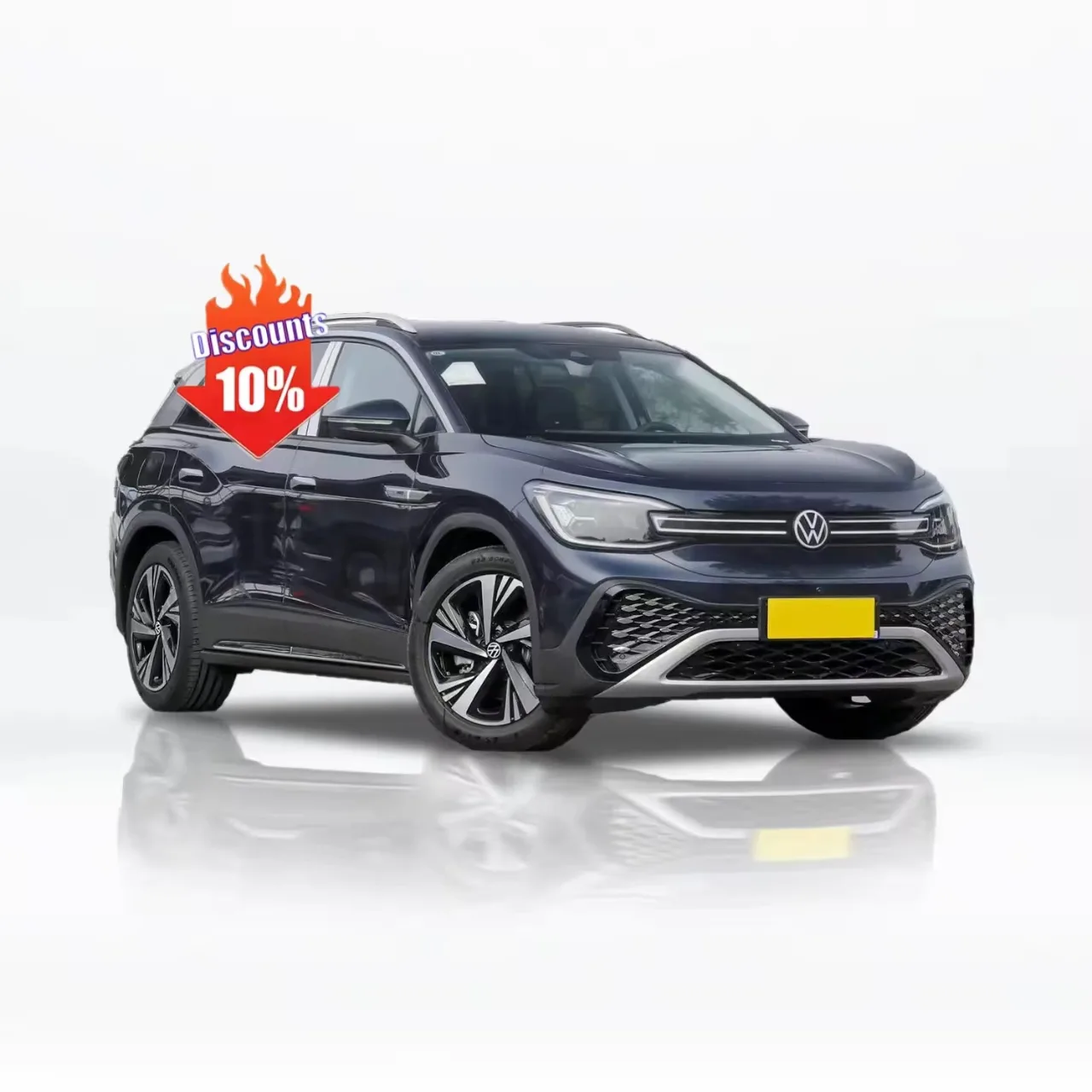
High Performance Electric Vehicle Pure Electric Energy Type Fast Charging Electric SUV
$3843.00 - $4056.00
MOQ: 1 sets


Fast Charging SUV with Luxury Interior and High Quality Electric Car Features
$9890.00 - $10995.00
MOQ: 1 sets


Electric Drive 500 SUV with Extended Range and Automatic Transmission
$13000.00 - $14000.00
MOQ: 3 units


Multiple Stylish Exterior Colors EV SUV Satisfy Diverse Buyer Preferences
$25600.00 - $26400.00
MOQ: 1 A vehicle






2024 Lowest Price Luxury SUV Modified Adjustable Front and Rear Seats
$126.00 - $135.00
MOQ: 50 Pieces


Comprehensive Sourcing Guide
Strategic Sourcing Guide for Electric Driver Seat Adjustment in SUVs
Understanding the Technical Landscape of Electric SUV Seating
The integration of electric driver seat adjustment systems within Sport Utility Vehicles (SUVs) represents a critical intersection of comfort, safety, and advanced vehicle engineering. When sourcing components or evaluating vehicles with this specific feature, buyers must first distinguish between the mechanical actuation methods and the electrical control architectures. In the current market, the shift toward "Pure Electric" energy types has accelerated the adoption of sophisticated seat adjustment mechanisms that rely on high-efficiency motors and precise control units. The observed product data indicates a diverse range of vehicle configurations, from models with a "Closed" body type to those explicitly categorized as "SUV" with varying wheelbases and dimensions.
For the electric driver seat adjustment system to function effectively, it must be compatible with the vehicle's overall electrical architecture. The supplied context highlights vehicles utilizing "Automatic" gearboxes and "Electromagnetic" braking systems, suggesting a high degree of electronic integration. The seat adjustment mechanism itself must operate seamlessly within this ecosystem. Buyers should verify that the seat motors are designed to handle the specific load requirements of the driver, which can vary significantly based on the "Gross Vehicle Weight" and the intended passenger capacity. In the observed data, wheelbase dimensions range from 2850mm to 3400mm, indicating that the seat adjustment range must be adaptable to different cabin lengths to ensure optimal ergonomics for drivers of varying statures.
Furthermore, the distinction between "Pure Electric" and other fuel types is crucial for power management. Electric vehicles (EVs) often have specific power distribution constraints. The seat adjustment system must be energy-efficient to avoid draining the main traction battery, which is essential for maintaining the vehicle's range. The "Fast Charging Time" and "Slow Charge" specifications observed in the data (ranging from 0.42 hours to 15 hours) underscore the importance of power management strategies. A well-sourced electric seat adjustment system should include features such as memory settings, automatic positioning upon entry, and collision-responsive retraction, all of which require robust electrical connections and reliable control logic.
Compliance and Certification Verification Protocols
Navigating the regulatory landscape for automotive components, particularly those involving electrical systems in SUVs, requires rigorous verification of certifications and standards. The presence of "CE" certification in the observed product data serves as a baseline indicator of compliance with European safety, health, and environmental protection requirements. However, buyers must understand that CE marking is a self-declaration process for many components and does not guarantee that every listed product satisfies every specific safety claim without independent verification.
When sourcing electric driver seat adjustment systems, the primary focus should be on verifying that the electrical components meet the relevant international standards for low voltage safety and electromagnetic compatibility (EMC). The "Electromagnetic" braking systems noted in the data suggest a high level of electronic complexity, which necessitates that seat adjustment motors and sensors do not interfere with other critical vehicle systems. Buyers should request test reports that specifically address electromagnetic interference (EMI) to ensure that the seat's operation does not disrupt the vehicle's "Automatic" transmission or "Fast Charging" protocols.
Additionally, the "Standard Export Packing" and "Single Item" packaging options observed in the data imply that logistics and handling standards are part of the compliance picture. The packaging must protect the sensitive electrical components from moisture, vibration, and physical damage during transit. For vehicles originating from "Fujian, China" or other manufacturing hubs, buyers should verify that the production facilities adhere to local environmental regulations and international labor standards. The "Condition: New" attribute confirms that the products are not refurbished, but buyers should still inspect the manufacturing date and storage conditions to ensure the longevity of the electrical components.
It is also essential to verify the "prod_standard" dimensions against the vehicle's specific requirements. The data lists various standard dimensions, such as 407016901540mm and 525019601920mm. While these likely refer to the overall vehicle dimensions, the internal cabin dimensions must accommodate the full range of motion for the electric seat adjustment. Buyers should ensure that the seat's travel range does not conflict with the vehicle's structural elements, such as the "Wheelbase" of 2965mm or 3110mm, or the "Front Tire Size" of 235/60 R18, which can influence the vehicle's center of gravity and handling dynamics.
Cost Drivers and Pricing Structure Analysis
The pricing of electric driver seat adjustment systems and the vehicles that incorporate them is influenced by a complex array of factors, including technology integration, material quality, and supply chain dynamics. The observed price range of 126 to 200,000 USD highlights the vast disparity between basic components and complete vehicle units. For buyers focusing specifically on the seat adjustment system, the cost will be driven by the number of adjustment axes (e.g., 6-way, 8-way, or 10-way), the presence of memory functions, and the quality of the motors and sensors.
In the context of the observed data, the "Price Item" options such as "EXW/Fob/CFR/CIF" indicate that the final cost is highly dependent on the Incoterms selected. Buyers must account for logistics costs, insurance, and customs duties when calculating the total landed cost. The "MOQ: 1 Set" for certain items suggests that smaller orders are possible, but the unit price may be higher compared to bulk purchases. Conversely, the "MOQ range: 1-50" observed in the broader market indicates that some suppliers may require larger volumes for competitive pricing.
Material costs also play a significant role. The use of "Ternary Lithium Battery" technology in the observed vehicles implies a high cost of ownership for the power system, which may indirectly affect the pricing of auxiliary electrical components like seat adjusters. Buyers should evaluate whether the seat system is integrated into the vehicle's main battery management system or operates on a separate auxiliary power supply, as this distinction can impact both the initial cost and long-term maintenance expenses.
Furthermore, the "Customization: Available" attribute suggests that buyers can request specific configurations, which will inevitably increase the cost. Customization may involve unique motor specifications, specialized control interfaces, or integration with specific vehicle models like the "Denza D9" or "ID7 Vizzion PRO". Buyers should clearly define their customization requirements early in the sourcing process to avoid unexpected cost overruns. The "Payment Way: Tt or LC" options indicate that financial terms are negotiable, and buyers should consider the impact of payment terms on cash flow and supplier relationships.
Typical Applications and Vehicle Integration Scenarios
The application of electric driver seat adjustment systems extends beyond mere comfort; it is a critical component in enhancing driver safety and operational efficiency across various SUV segments. The observed data includes a wide range of vehicle models, from the "Cstar-Ecar-U" to the "Lixiang Mega" and "Jetour Shanhai L9", each with distinct dimensions and performance characteristics. These variations necessitate tailored seat adjustment solutions that can accommodate different cabin layouts and driver requirements.
In commercial and fleet applications, the ability to quickly adjust the driver's seat to different operators is a significant advantage. The "Automatic" gearbox and "Electromagnetic" braking systems observed in the data suggest that these vehicles are designed for high-performance or heavy-duty use, where driver ergonomics are paramount. Electric seat adjustment systems with memory functions allow fleet managers to program specific settings for different drivers, ensuring consistency and reducing the time required for seat adjustments during shift changes.
For luxury and premium SUV segments, the electric seat adjustment system is often integrated with advanced features such as massage functions, heating, and ventilation. The "SUV" body style and "RWD" (Rear Wheel Drive) configuration observed in the data indicate a focus on performance and stability, which requires a seat that can provide optimal support during dynamic driving conditions. The "Maximum Speed(Km/H): 150" and "Max Speed: 180" specifications highlight the need for seats that can secure the driver effectively at high speeds, preventing fatigue and maintaining focus.
In the context of "Pure Electric" vehicles, the integration of the seat adjustment system with the vehicle's energy management system is crucial. The "Fast Charging Time: 1" and "Fast Charge Time(H): ≤1h" specifications suggest that these vehicles are designed for rapid recharging, which may limit the time available for driver adjustments during charging stops. Therefore, the seat adjustment system should be capable of quick, precise movements to ensure the driver is ready to operate the vehicle immediately after charging.
Supplier Evaluation and Qualification Criteria
Selecting the right supplier for electric driver seat adjustment systems requires a comprehensive evaluation of their technical capabilities, production capacity, and quality assurance processes. The observed data indicates that suppliers are located in "China" and "Fujian, China", which are major manufacturing hubs for automotive components. Buyers should verify the supplier's experience with "Pure Electric" vehicle integration and their ability to produce components that meet the specific "prod_standard" dimensions and performance requirements.
Key criteria for supplier evaluation include the ability to provide "Customization" services, the availability of "CE" certification, and the consistency of product quality. Buyers should request detailed technical specifications, including motor torque, speed, and control voltage, to ensure compatibility with the target vehicle's electrical system. The "Condition: New" attribute is a basic requirement, but buyers should also verify the supplier's track record for delivering new, high-quality products without defects.
The "Delivery Time: Within 20 Days" observed in the data suggests that some suppliers can offer rapid turnaround times, which is beneficial for projects with tight deadlines. However, buyers should also consider the potential for supply chain disruptions and the need for buffer stock. The "MOQ: 1 Set" and "MOQ range: 1-50" indicate flexibility in order sizes, but buyers should negotiate terms that align with their production schedules and inventory management strategies.
Quality control is another critical factor. Buyers should assess the supplier's quality management systems, including their adherence to international standards and their ability to conduct rigorous testing. The "Standard Export Packing" and "Single Item" packaging options suggest that the supplier has experience in handling delicate electrical components, but buyers should still verify the packaging standards to ensure that the products arrive in perfect condition.
Quality Control and Performance Verification
Ensuring the quality and performance of electric driver seat adjustment systems is essential for maintaining vehicle safety and reliability. The observed data includes various specifications such as "Wheelbase", "Front Tire Size", and "Fast Charging Time", which highlight the complexity of the vehicle systems. Buyers should implement a robust quality control process that includes incoming inspection, in-process testing, and final performance verification.
Incoming inspection should focus on verifying the physical dimensions, electrical connections, and material quality of the seat adjustment components. The "prod_standard" dimensions, such as 407016901540mm and 525019601920mm, should be cross-referenced with the vehicle's design specifications to ensure proper fitment. Electrical testing should verify that the motors and sensors operate within the specified voltage and current ranges, and that the control logic functions correctly under various conditions.
In-process testing should monitor the assembly process to ensure that the seat adjustment system is installed correctly and that all connections are secure. This includes checking for proper grounding, insulation, and shielding to prevent electromagnetic interference. Final performance verification should include functional testing of all seat adjustment modes, memory functions, and safety features. The "Maximum Speed(Km/H): 150" and "Max Speed: 180" specifications suggest that the seat must remain secure and stable at high speeds, so dynamic testing is essential.
Buyers should also consider the long-term reliability of the seat adjustment system. The "Ternary Lithium Battery" technology observed in the data indicates a high level of energy density, which may require specific maintenance and monitoring protocols. Buyers should establish a schedule for regular inspections and maintenance to ensure that the seat adjustment system continues to function correctly over the vehicle's lifespan.
Long-Term Procurement and Lifecycle Management
The long-term success of sourcing electric driver seat adjustment systems depends on effective lifecycle management and strategic procurement planning. Buyers should consider the total cost of ownership, including maintenance, repair, and replacement costs, when evaluating suppliers. The "Customization: Available" attribute suggests that buyers can request specific configurations, but they should also consider the long-term availability of spare parts and the ease of maintenance.
The "Delivery Time: Within 20 Days" and "MOQ: 1 Set" indicate that suppliers can offer flexible order sizes, but buyers should plan for potential supply chain disruptions and the need for buffer stock. The "Payment Way: Tt or LC" options suggest that financial terms are negotiable, and buyers should consider the impact of payment terms on cash flow and supplier relationships.
Buyers should also consider the environmental impact of the seat adjustment system. The "Pure Electric" energy type and "Ternary Lithium Battery" technology observed in the data highlight the importance of sustainability. Buyers should evaluate the supplier's commitment to environmental responsibility and their ability to provide eco-friendly packaging and recycling options.
Finally, buyers should establish a long-term partnership with their suppliers to ensure consistent quality and support. This includes regular communication, joint development projects, and shared goals for continuous improvement. By focusing on long-term procurement and lifecycle management, buyers can ensure that their electric driver seat adjustment systems continue to meet the highest standards of safety, performance, and reliability.
FAQs
Can I find electric driver seat adjustment SUVs with CE certification?
Yes, electric driver seat adjustment SUVs with CE certification are available in the current market. This certification indicates compliance with European safety standards, which is a common requirement for vehicles originating from China and Fujian.
What is the typical fast charging time for these electric SUVs?
The fast charging time for these electric SUVs typically ranges from 0.42 to 1 hour. Specific models like the Lixiang Mega support charging in 0.42 hours, while others may take up to one hour depending on battery capacity.
Which SUV models feature an automatic gearbox and electromagnetic braking?
Several models feature an automatic gearbox and electromagnetic braking systems, including the Cstar-Ecar-U and Denza D9. These configurations are standard for new electric SUVs to ensure smooth operation and safety in pure electric energy types.
How can I source SUVs with a wheelbase of 3110mm or more?
You can source SUVs with a wheelbase of 3110mm or more by filtering for specific model dimensions. The Cstar-Ecar-U has a 3110mm wheelbase, while the ID7 Vizzion PRO offers a 3400mm wheelbase for enhanced cabin space.
What customization options are available for electric driver seat adjustments?
Customization is available for electric driver seat adjustments to meet specific buyer requirements. Suppliers offer tailored configurations for seating, though the exact options depend on the specific model and the supplier's production capabilities in China.
Can I order electric SUVs with a minimum order quantity of one set?
Yes, you can order electric SUVs with a minimum order quantity of one set. Some suppliers list an MOQ of 1 Set for specific items, allowing for flexible procurement without requiring bulk purchases immediately.
What are the standard export packing requirements for these vehicles?
Standard export packing is commonly used for these vehicles to ensure safe transit. Some items may also be packed as single items, and packaging must protect sensitive electrical components from moisture and vibration during shipping.