Source Electric Heating PP Pickling Tank for Chemical Storage
Compare 28 Electric Heating PP Pickling Tank options from verified Chinese manufacturers. These tanks feature virgin polypropylene construction, chemical resistance for acids, and customizable capacities ranging from 100L to 5000L for industrial applications.
Key considerations
Products List


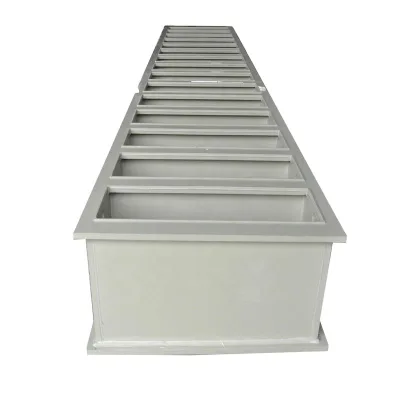
PP Settling Tank Electroplating Pickling Tank Polypropylene Pickling Tank China Manufacturer
$290.00 - $330.00
MOQ: 100 Pieces

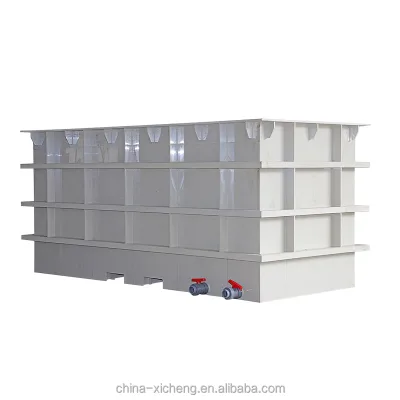
Electrolytic PP Pickling Tank with Custom Specifications and Chemical Resistance
$290.00 - $330.00
MOQ: 100 Pieces

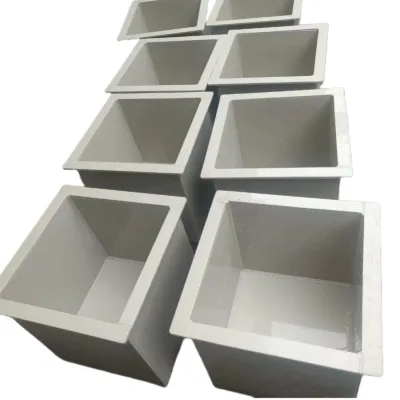
Manufacturer of Electroplating Tank Plastic Dosing Tanks Pickling Tank
$290.00 - $330.00
MOQ: 100 Pieces


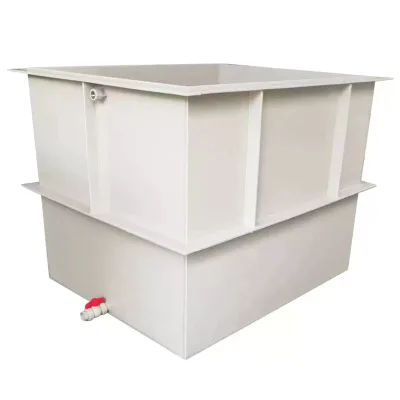
PP Pickling Tanks Polypropylene Material Tanks Customization Size and Thickness PP Tank
$399.00 - $9999.00
MOQ: 1 Pieces

Plastic Dosing Tanks Pickling Tank Manufacturers Electroplating Tanks for Sale
$500.00 - $5000.00
MOQ: 1 Pieces


Comprehensive Sourcing Guide
Strategic Sourcing Guide for Electric Heating PP Pickling Tanks
Procuring industrial storage and processing equipment requires a rigorous approach, particularly when the core component involves chemical resistance, thermal management, and structural integrity. For buyers searching for an Electric Heating PP Pickling Tank, the primary objective is to identify equipment that safely handles aggressive acids while maintaining operational efficiency. The market offers a variety of configurations, ranging from standard storage vessels to complex systems with integrated agitation and heating capabilities. This guide synthesizes available product attributes and industry standards to provide a disciplined framework for evaluation, ensuring that procurement decisions are based on verified facts rather than unconfirmed marketing claims.
Technical Specifications and Material Integrity
The foundation of a reliable pickling tank lies in its material composition and physical specifications. The supplied data confirms that the primary material for these units is Virgin Polypropylene (PP). This choice is critical because PP offers inherent resistance to a wide spectrum of corrosive substances. Specifically, the product attributes indicate suitability for handling Hydrochloric acid (HCl), Sulfuric acid (H2SO4), and Nitric acid (HNO3). When evaluating a potential unit, buyers must verify that the material grade matches the specific chemical concentration and temperature requirements of their process.
Structural integrity is defined by the wall thickness and density of the vessel. Observed specifications list a wall thickness of 10mm, which provides a robust barrier against chemical permeation and mechanical stress. The density of the material is recorded at 0.954 g/cm³ and 0.9 g/cm³ in different contexts, indicating variations in formulation or density testing methods. Buyers should treat these as observations of specific listings rather than universal constants for all PP tanks. The tensile modulus is noted at 1650 MPa, and the tensile ultimate strength reaches 5680, suggesting a high capacity for load-bearing without deformation under pressure. Furthermore, the elongation at break is 260%, and abrasion resistance is rated at 80, indicating that the material can withstand mechanical stress and physical wear during handling and operation.
The thermal capabilities are a defining feature for "electric heating" variants. The product attributes specify a temperature resistance of up to 90°C, with an optional cooling or heating system available. This range is suitable for many pickling processes but requires careful verification against the specific melting point and thermal stability of the PP grade used. The melt flow rate is observed at 3.91 g/10min, a metric that influences the manufacturing process and the final material's flow characteristics. Buyers must ensure that the heating elements, whether coils or external jackets, are compatible with the PP structure to prevent thermal degradation or hot-spot failures.
Compliance, Certification, and Regulatory Standards
Navigating the regulatory landscape is essential for industrial procurement. The observed product data lists several certifications, including ISO, CE, RoHS, GS, and ISO9001. However, the presentation of these certifications varies across listings. Some entries group ISO with CE and RoHS, while others list ISOCE or separate ISO standards. It is crucial for buyers to understand that the presence of a certification label on a product page does not guarantee that every unit in that model line is certified. Verification should be conducted by requesting valid, current certificates from the supplier for the specific batch or model being purchased.
The standards referenced in the data include ISOInstallation, GB, and ISOCE. While ISO3834 and ISO9001 are mentioned in background contexts, the primary focus should be on the specific certifications attached to the product. For equipment operating in the European market, CE marking is a mandatory requirement for safety, health, and environmental protection. RoHS compliance ensures that the product does not contain restricted hazardous substances, which is vital for environmental compliance. GS certification indicates a German safety mark, often implying rigorous testing. Buyers must treat these as claims that require independent verification rather than automatic attributes of the product category.
Cost Drivers and Pricing Dynamics
The pricing for electric heating PP pickling tanks is influenced by several factors, including capacity, customization, and the complexity of the heating system. The observed price range in the market spans from 101.31 USD to 9999 USD. This wide disparity suggests that the lower end of the spectrum likely represents small, non-heated, or standard storage tanks, while the higher end corresponds to large-capacity units with integrated electric heating, agitation systems, and fume hoods.
Capacity is a primary cost driver, with the observed range extending from 100L to 5000L, and the ability to customize capacity is a standard feature. The "Electric Heating" aspect adds significant cost due to the inclusion of heating coils, control systems, and safety mechanisms. Customization is explicitly listed as available, allowing buyers to tailor dimensions (LWH) and features to their specific facility layout. However, customization often increases the unit price and may affect the lead time. The Minimum Order Quantity (MOQ) is observed to range from 1 to 100 units, offering flexibility for both pilot projects and large-scale deployments. Buyers should be aware that custom orders may carry higher MOQs or require a different pricing structure compared to standard stock items.
Typical Applications and Functional Capabilities
Electric heating PP pickling tanks are designed for specialized industrial applications where chemical resistance and temperature control are paramount. The primary function identified is water treatment, but the chemical resistance profile points to broader uses in metal processing, electroplating, and semiconductor manufacturing. The tanks are suitable for storing and processing liquids, specifically aggressive acids used in pickling processes to remove oxides and scale from metal surfaces.
The design features support these applications. The bottom drain valve and sloped bottom design facilitate complete drainage and cleaning, preventing residue buildup that could lead to contamination or corrosion. Optional features such as agitation systems and fume hoods enhance the tank's utility. Agitation ensures uniform temperature and chemical distribution, which is critical for consistent pickling results. Fume hoods manage the release of hazardous vapors generated during the heating and acid reaction processes, protecting operator health and facility air quality. The installation type is specified as "Sitting Type," which implies a floor-standing configuration suitable for industrial environments. The warranty period observed is 1 year, which serves as a baseline for buyer expectations regarding manufacturer support.
Supplier Evaluation and Origin Verification
When selecting a supplier, the origin of the product is a key factor. The data indicates that products originate from China, with specific mentions of Dongtai City and Guangdong. These regions are known for their manufacturing capabilities in plastics and industrial equipment. However, the variation in product attributes suggests that buyers must evaluate each supplier individually rather than assuming uniform quality across the region.
Supplier evaluation should focus on the clarity of their technical documentation and the consistency of their product data. A reliable supplier will provide detailed specifications for the wall thickness, material grade, and heating element integration. They should also be transparent about their certification status, providing valid certificates rather than just listing them on a product page. The "Automatic Grade" is listed as Semi-Automatic, indicating that the level of automation in the manufacturing or operation process varies. Buyers should inquire about the specific control systems used for the electric heating to ensure they meet safety and operational standards.
Quality Control and Inspection Protocols
Ensuring the quality of the PP pickling tank involves a multi-step inspection process. Given the critical nature of chemical resistance, buyers should verify the material composition through third-party testing if possible. The density and tensile properties listed (0.954 g/cm³, 1650 MPa tensile modulus) should be confirmed against the actual delivered product. The surface treatment, described as "Reinforcement," suggests a specific manufacturing process to enhance durability, which should be visually inspected for uniformity and absence of defects.
Packaging is another aspect of quality control. The observed packing methods include Pallet, Wooden Box, and Export Packing. Proper packaging is essential to prevent damage during transit, especially for large tanks with integrated heating elements. Buyers should ensure that the packaging protects the tank from physical impact and environmental exposure. The "Condition" is listed as "New," but this should be verified upon delivery to ensure no prior use or damage has occurred.
Long-Term Procurement and Maintenance Considerations
Long-term procurement success depends on the availability of spare parts and the durability of the equipment. The 1-year warranty provides a baseline for manufacturer support, but buyers should consider the long-term maintenance requirements of the electric heating system. Heating coils and control units may require replacement or repair over time, so the availability of these components is crucial.
The customization capability allows for future adaptability, but buyers should document all custom specifications to ensure compatibility with future upgrades. The storage objects are listed as "Liquid," but the specific chemical compatibility should be re-evaluated periodically as process requirements change. The temperature resistance of up to 90°C is a significant operational limit; exceeding this can lead to material failure. Buyers should implement strict operational protocols to ensure the tank is not subjected to temperatures beyond its rated capacity.
In conclusion, sourcing an Electric Heating PP Pickling Tank requires a balance of technical verification, regulatory compliance, and supplier evaluation. By focusing on the specific material properties, certification validity, and functional capabilities outlined in this guide, buyers can make informed decisions that ensure safety, efficiency, and longevity in their industrial operations. The wide range of available options, from standard 100L units to 5000L custom systems, offers flexibility, but the key to success lies in rigorous due diligence and adherence to verified specifications.
FAQs
What material is used for electric heating pp pickling tanks?
The primary material is Virgin Polypropylene (PP), which offers inherent resistance to aggressive acids like HCl, H2SO4, and HNO3. This material ensures structural integrity while handling corrosive liquids in industrial pickling processes.
Can these tanks handle temperatures up to 90 degrees Celsius?
Yes, the tanks are designed with temperature resistance up to 90°C, often featuring optional cooling or heating systems. This capability allows for effective thermal management during pickling operations without compromising the PP structure.
Which certifications are typically available for these industrial tanks?
Common certifications include ISO, CE, RoHS, and GS, though availability depends on the specific manufacturer and batch. Buyers must verify valid certificates for the specific model to ensure compliance with safety and environmental standards.
How is the wall thickness specified for structural integrity?
The wall thickness is specified at 10mm to provide a robust barrier against chemical permeation and mechanical stress. This dimension helps maintain the tank's durability during long-term storage and transportation of liquids.
What is the price range for these custom storage units?
The observed price range spans from 101.31 USD to 9999 USD, depending on capacity and features. Lower prices typically cover standard storage tanks, while higher costs reflect large capacities with integrated heating and agitation systems.
Can the capacity be customized for specific facility needs?
Yes, capacity is customizable ranging from 100L to 5000L to fit specific operational requirements. Buyers can request tailored dimensions and features, though customization may affect the unit price and lead time.