Source Electric Herb Grinder for Smokeshops, Retailers, Wholesalers
Find 30 Electric Herb Grinder options from China suppliers with customizable logos and OEM services. Compare features like dry herb grinding, plastic or zinc alloy construction, and various sizes for headshop and smokeshop owners.
Key considerations
Products List




Comprehensive Sourcing Guide
Electric Herb Grinder Sourcing Guide
Sourcing electric herb grinders requires a nuanced understanding of the intersection between consumer electronics and smoking accessories. These devices are designed to automate the mechanical process of grinding dry herbs, offering consistency and ease of operation that manual grinders cannot match. For wholesalers, retailers, and smokeshop owners, the appeal lies in the product’s ability to serve as a high-margin accessory that enhances the user experience through speed and uniformity. The market segment is characterized by a demand for compact, portable designs that fit seamlessly into the daily routines of hookah shop owners and headshop customers who prioritize convenience and modern aesthetics.
The procurement landscape for these items is diverse, with suppliers offering a wide range of configurations to meet varying market demands. Buyers must navigate a spectrum of options that include different power sources, blade materials, and housing designs. While the core function remains the same, the execution varies significantly between models, ranging from simple single-button operations to more complex units with multiple speed settings or charging interfaces. Understanding these variations is critical for selecting the right product mix that aligns with the target demographic’s preferences for style, durability, and functionality.
Product Scope and Observed Listing Signals
The current market listings indicate a broad availability of electric grinders with distinct physical and functional characteristics. Observed data points to a price range of $0.35 to $13 USD, suggesting a highly competitive market with options for both budget-conscious retailers and those seeking premium features. The minimum order quantities (MOQ) vary widely from 1 to 2,500 units, providing flexibility for small businesses testing the market as well as large-scale distributors. This variability allows buyers to scale their inventory based on demand forecasts without committing to excessive stock levels initially.
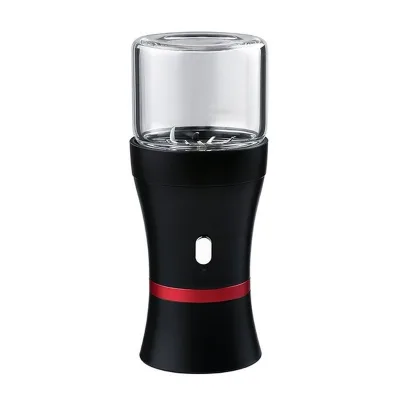
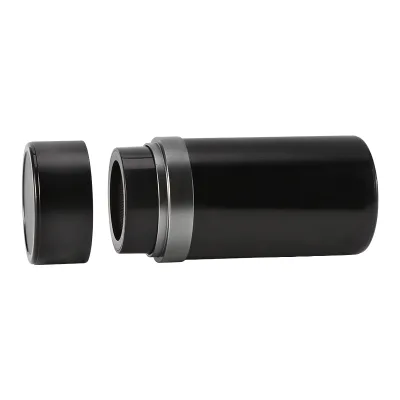
Product attributes observed in listings highlight key differentiators such as color options, packaging types, and specific model numbers. Common features include environmentally friendly materials and easy-to-operate interfaces, which are significant selling points for modern consumers. The devices are typically described as electric handheld grinders with functions tailored for dry herbs, available in various colors including colorful and multi-color options. Packaging ranges from single box packaging to display box packaging and OPP bags, indicating that suppliers are prepared to support both direct-to-consumer retail and bulk wholesale distribution channels.
Technical Specifications to Verify
When evaluating electric herb grinders, precise technical specifications are paramount to ensuring product compatibility and performance. Buyers should verify the physical dimensions of the units, as observed sizes range from compact forms like 447595mm to slightly larger variants such as 785278mm. These dimensions directly impact portability and storage requirements for retailers. Additionally, the weight of the units, which can vary from 64g to 85g per piece, affects the perceived quality and durability of the product. Lighter units may be preferred for portability, while heavier ones might suggest a more robust build quality.
The internal construction and material composition are critical factors that influence the longevity and safety of the grinder. Many units are constructed with plastic housings, but some listings indicate the use of metal zinc alloy for specific components, which can enhance durability. Buyers must also confirm the power requirements and battery life, although these details are not explicitly provided in the observed data. It is essential to verify the charging method, whether it is USB-C, micro-USB, or proprietary, as this affects the user experience and the availability of replacement cables. Furthermore, the blade material and design should be assessed to ensure efficient grinding without clogging or excessive heat generation.
Compliance and Safety Documentation
Safety and regulatory compliance are non-negotiable aspects of sourcing electronic devices, particularly those used in close proximity to the face and mouth. Buyers must ensure that suppliers provide necessary documentation regarding electrical safety, including certifications for battery safety and charging circuits. While specific certification names are not provided in the observed data, standard international safety marks such as CE, FCC, or RoHS are typically expected for products sold in global markets. These certifications confirm that the device meets specific standards for electromagnetic compatibility and hazardous substance restrictions.
Additionally, the materials used in the construction of the grinder must be food-grade or safe for incidental contact with dry herbs. Buyers should request material safety data sheets (MSDS) or declarations of conformity to verify that the plastic or metal components do not leach harmful chemicals when heated or in contact with organic matter. The surface printing and handling processes, such as gravure printing or OEM printing, should also be evaluated for the use of non-toxic inks. Ensuring that the product is moisture-proof, as indicated in some listings, is also crucial for preventing internal electrical failures and extending the product's lifespan.
Cost Drivers and Commercial Terms
The cost of electric herb grinders is influenced by several factors, including the complexity of the electronic components, the quality of materials, and the level of customization offered. OEM and ODM services are widely available, allowing buyers to customize logos, colors, and packaging to match their brand identity. This customization adds value but may increase the unit cost and MOQ requirements. Buyers should carefully evaluate the trade-off between customization costs and the potential for higher retail margins through brand differentiation.
Commercial terms such as shipment methods and payment conditions also play a significant role in the total cost of ownership. Suppliers offer various shipping options, including DHL, UPS, and FedEx, which impact delivery times and costs. For larger orders, air or sea freight may be more cost-effective, but buyers must account for longer lead times and potential customs duties. Understanding the payment terms, such as deposits and balance payments, is essential for cash flow management. Additionally, buyers should inquire about warranty policies and return procedures for defective units to mitigate financial risks associated with product failures.
Supplier Qualification and Quality Control
Selecting a reliable supplier is crucial for maintaining consistent product quality and supply chain stability. Buyers should verify the supplier’s production capabilities, including their factory size, equipment, and quality control processes. Suppliers located in regions like Shenzhen, China, often have established ecosystems for electronics manufacturing, which can be an advantage in terms of component sourcing and technical expertise. However, buyers must conduct due diligence to ensure that the supplier adheres to ethical labor practices and environmental standards.
Quality control measures should be implemented at various stages of production, from incoming material inspection to final product testing. Buyers should request samples to evaluate the build quality, grinding efficiency, and battery performance before placing bulk orders. Establishing clear quality standards and inspection criteria, such as acceptance sampling plans, can help identify defects early in the production process. Additionally, suppliers should be willing to provide test reports or third-party verification of product performance to ensure consistency across batches.
Long-Term Procurement Checks
Long-term success in sourcing electric herb grinders depends on the ability to adapt to market trends and technological advancements. Buyers should monitor changes in consumer preferences, such as the demand for more sustainable materials or advanced features like app connectivity. Regularly reviewing product performance and customer feedback can provide insights into potential improvements or new product opportunities. Maintaining a diverse supplier base can also mitigate risks associated with supply chain disruptions or quality issues.
Furthermore, buyers should stay informed about regulatory changes in key markets, as laws regarding smoking accessories and electronic devices can evolve rapidly. Ensuring ongoing compliance with these regulations is essential to avoid legal issues and maintain brand reputation. Building strong relationships with suppliers through open communication and fair business practices can lead to better pricing, priority production, and collaborative innovation. By focusing on these long-term strategies, buyers can secure a competitive edge in the dynamic market for electric herb grinders.
FAQs
Can I customize the logo on the electric grinder?
Yes, you can customize the logo on the electric grinder. The product page confirms that logo customization is acceptable for buyers. This allows wholesalers and shop owners to brand the device with their own identity before distribution.
What are the available color options for this grinder?
The electric grinder comes in various color options including three, six, or colorful variations depending on the specific model. Buyers can choose from these distinct color sets to match their shop inventory or customer preferences effectively.
How is the electric grinder packaged for shipment?
Packaging varies by model and includes single box, display box, OPP bag, or individual small carton packing. The product is shipped via DHL, UPS, or FedEx, ensuring secure delivery to wholesalers and retailers worldwide from China.
What is the typical weight of the electric grinder unit?
The weight of the electric grinder ranges from 64 grams to 85 grams per piece depending on the specific model. This lightweight design makes it easy to operate and convenient for users handling dry herb accessories in various settings.
Which target audience is this electric grinder designed for?
This electric grinder is designed for wholesalers, retailers, and owners of hookah, headshop, or smokeshop businesses. It serves as a functional dry herb grinder accessory suitable for commercial resale and professional use in the tobacco and vaping industry.
Can I place a custom order for this grinder?
Yes, custom orders are accepted for this electric grinder. The product supports OEM and ODM services with customizable features, allowing buyers to request specific modifications or branding to meet their unique business requirements and market demands.