Source Electric Heating Spherical Evaporator for Chemical, Food, and Pharma
Explore 30 listings for the Electric Heating Spherical Evaporator designed for chemical processing, food production, and pharmaceutical applications. Buyers can compare specifications, certifications, and pricing from verified suppliers in China.
Key considerations
Products List


$1000.00 - $10000.00
MOQ: 1 Pieces


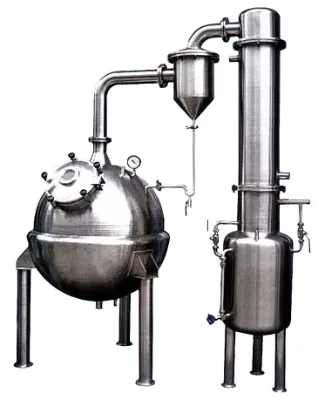


Frostarmor Low-Temperature Crystallization Evaporator for Reliable Crystal Separation
$21000.00 - $85000.00
MOQ: 1 Pieces

Frostshield Low-Temperature Crystallization Evaporator for Robust Crystal Separation
$21000.00 - $85000.00
MOQ: 1 Pieces

Coolcrystal Low-Temperature Crystallization Evaporator for Energy-Efficient Crystal Recovery
$21000.00 - $85000.00
MOQ: 1 Pieces

Frostease Low-Temperature Crystallization Evaporator for Easy Operation and Maintenance
$21000.00 - $85000.00
MOQ: 1 Pieces

Chillcrystal Low-Temperature Crystallization Evaporator for Controlled Crystal Separation
$21000.00 - $85000.00
MOQ: 1 Pieces

Chillsave Low-Temperature Crystallization Evaporator for Energy-Saving Crystal Recovery
$21000.00 - $85000.00
MOQ: 1 Pieces


Comprehensive Sourcing Guide
Strategic Sourcing Guide for Electric Heating Spherical Evaporators
Understanding Technical Specifications and Core Attributes
When sourcing an Electric Heating Spherical Evaporator, buyers must first distinguish between the specific operational parameters observed in the market and general industry expectations. The available data indicates a diverse range of configurations, suggesting that "spherical evaporator" is a functional category rather than a single standardized unit. A critical observation from current listings is the variation in voltage requirements. Some units are specified with a 380V rating, which is typical for heavy industrial three-phase applications, while others are listed at 110V, indicating potential suitability for smaller-scale or specific regional electrical infrastructures. Procurement teams must verify the exact voltage compatibility of the target unit against their facility's power grid to prevent operational failure.
The material composition is another pivotal specification. The observed market data highlights the use of Stainless Steel (SUS304, 316L) as a primary material, which is essential for applications requiring corrosion resistance and hygiene, particularly in food and pharmaceutical sectors. However, other listings mention composite materials such as Ss/PPGL/Al or even Aluminum bodies, which may serve different thermal or structural needs. The choice between these materials directly impacts the unit's longevity and suitability for specific chemical environments. Furthermore, the condition of the equipment varies significantly, with listings explicitly stating "New" or "Used." Buyers must rigorously assess the physical state of used units, as the internal integrity of the spherical vessel is difficult to verify without specialized inspection.
The process capabilities also differ across available models. While some data points reference "Ferment" processes, others indicate "Vacuum Concentration" as the primary function, with specific mentions of "Double Effect" concentration efficiency. This suggests that the term "spherical evaporator" may encompass units designed for fermentation broth processing as well as those optimized for liquid concentration under vacuum. The presence of a "Vacuum Pump" as an offered component is a key feature to confirm, as the efficiency of the evaporation process is heavily dependent on the vacuum system's capability. Additionally, the "Finished Dosage Form" is noted as "Liquid," reinforcing the unit's role in fluid processing rather than solid drying.
Compliance, Certification, and Regulatory Standards
Navigating the compliance landscape for industrial evaporators requires a meticulous review of the certifications attached to specific listings. The market data presents a mix of certifications, including CE, ISO, GMP, and CCC. It is important to note that these certifications are not universally applied to every unit in the category but are specific to certain models or manufacturers. For instance, some units are listed with CE and GMP certifications, which are critical for operations in the European Union and the pharmaceutical industry, respectively. Other listings mention ISO9001, ASME, and ISOTSCold Style standards, indicating a broader range of quality management and safety protocols.
Buyers must verify that the specific unit they intend to purchase carries the certifications required for their jurisdiction and industry. The presence of ISO and GMP is particularly relevant for food and medicine applications, where regulatory bodies demand strict adherence to hygiene and quality standards. The data also lists "CCC" certification, which is a mandatory safety mark for products sold in China. If a buyer is importing from China, understanding the interplay between Chinese domestic standards (CCC) and international standards (CE, ISO) is vital. The "Standard Exporting Package" and "Wooden Pallet" or "Wooden Case" packaging methods observed in the listings also suggest adherence to international shipping standards, but the specific packaging must be confirmed to ensure the equipment arrives without damage.
It is crucial to avoid assuming that a supplier offering one certified model offers the same certification for all their products. The observed data shows that while some units have "CE, GMP, ISO, CCC" listed together, others may only have "ISO, CE." This variance underscores the need for buyers to request specific certification documents for the exact model number, such as the "LHSJN" or "QN" models mentioned in the specifications. Relying on general category knowledge without verifying the specific unit's documentation can lead to regulatory non-compliance. The "Standard" section of the data also lists dimensions like "807060cm" and capacity ranges like "500L~3,000L," which serve as benchmarks but must be matched against the buyer's specific production capacity requirements.
Cost Drivers and Pricing Dynamics
The pricing landscape for electric heating spherical evaporators is characterized by extreme variability, with observed listed prices ranging from $10 to $5,000,000. This vast range indicates that the "core keyword" covers a spectrum from small-scale laboratory units to massive industrial processing lines. The cost is driven by several factors, including the material grade, the complexity of the vacuum system, the capacity of the unit, and the level of customization. Units made of high-grade 316L stainless steel will inherently cost more than those using standard SUS304 or aluminum composites. Similarly, the inclusion of advanced features like "Energy-Saving Design" or "Double Effect" concentration capabilities will significantly increase the price point compared to basic single-effect models.
The Minimum Order Quantity (MOQ) is another critical cost driver, with observed ranges spanning from 1 to 100 units. For buyers requiring a single unit for pilot testing or small-batch production, the lower end of the MOQ spectrum is advantageous. However, for large-scale manufacturing, negotiating an MOQ of 100 units might unlock better pricing tiers, although the data does not provide specific volume discounts. The "Condition" of the equipment also plays a major role in cost; "Used" units will naturally be priced lower than "New" ones, but the total cost of ownership must include potential refurbishment, warranty risks, and shorter remaining lifespans.
Buyers should also consider the "After-sales Service" and "Warranty" terms as part of the total cost. Listings indicate warranty periods ranging from 1 year to 3-5 years, with some suppliers offering "Lifelong" after-sales service. A longer warranty period and comprehensive service support can reduce the long-term financial risk, effectively lowering the cost of ownership even if the initial purchase price is higher. The "Computerized" status of the equipment is another variable; units listed as "Non-Computerized" may be cheaper but could require more manual intervention, whereas automated systems might command a premium. The "Radiator Type" and "Compressor Unit" brands, such as "Bizter/Copland," also influence the final price, as branded components often carry a cost premium over generic alternatives.
Typical Applications and Operational Context
The operational context for electric heating spherical evaporators is diverse, spanning multiple industries. The data explicitly mentions suitability for "Food" and "Medicine" applications, highlighting the equipment's role in processing consumable goods where hygiene and purity are paramount. The "Finished Dosage Form" being "Liquid" suggests these units are integral to the production of liquid pharmaceuticals, beverages, or food concentrates. The "Structure" of the units, described as "Sealed Type" or "Assembled," further supports their use in environments where contamination control is critical. The "Sealed Type" design is particularly beneficial for preventing oxidation or contamination during the evaporation process.
In addition to food and medicine, the data points to "Factory" usage, indicating that these units are designed for industrial-scale production rather than small-scale or residential use. The "Use Nature" is defined as "Production," reinforcing their role in continuous manufacturing processes. The "Refrigerant" type, listed as "Freon," and the "Radiator Core Type," specified as "Tube-fin," suggest that these units may also incorporate cooling cycles, which is common in processes requiring temperature control during evaporation or condensation. The "Thickness" of the materials, ranging from 50mm to 200mm, indicates that the units are built to withstand significant thermal and pressure stresses, making them suitable for heavy-duty industrial applications.
The "Concentration Way" of "Vacuum Concentration" and the "Concentration Effect" of "Double Effect" are specific technical attributes that define the efficiency of the process. These features are particularly valuable in industries where energy efficiency and rapid processing are required. The "Precision" attribute listed in the data suggests that these units can handle processes requiring high accuracy, which is essential for maintaining consistent product quality in pharmaceutical and food manufacturing. The "Component" being a "Radiator" implies that heat exchange is a central function, and the "Direct-flow" radiator type suggests a specific design approach to heat transfer that buyers should understand when evaluating the unit's performance.
Supplier Evaluation and Origin Verification
Evaluating suppliers for electric heating spherical evaporators requires a focus on geographic origin and the specific attributes of the listed products. The data indicates that the primary production origins are "Shandong, China" and "Guangdong," two major industrial hubs in China known for manufacturing heavy machinery and food processing equipment. Buyers should verify the specific factory location, as different regions may have varying levels of expertise and supply chain maturity. The "prod_origin" field is a critical piece of information that helps buyers assess the logistical implications of importing, including shipping costs and lead times.
When evaluating a supplier, buyers must look beyond the general category and examine the specific model numbers and specifications provided. The data lists models such as "LHSJN" and "QN," which serve as unique identifiers for specific product lines. A supplier offering a wide range of models, including those with different voltage ratings (380V vs. 110V) and material compositions (Stainless Steel vs. Aluminum), demonstrates a broader manufacturing capability. However, buyers should be cautious of suppliers who claim to offer all attributes simultaneously, as the data shows that specific attributes are often tied to specific models. For example, a "New" unit with "380V" and "Stainless Steel" may be a different product from a "Used" unit with "110V" and "Aluminum."
The "Customization" attribute is a key differentiator in supplier evaluation. The data confirms that "Customization" is available, and some units are explicitly listed as "Customized." This indicates that suppliers are willing to tailor the equipment to specific buyer requirements, such as unique dimensions, specialized materials, or custom control systems. Buyers should inquire about the extent of customization available, including the lead time for custom orders and the additional costs involved. The "Warranty" and "After-sales Service" terms are also critical indicators of supplier reliability. A supplier offering a "3-5 Years" warranty and "Lifelong" after-sales support is likely more committed to long-term customer satisfaction than one offering only a "1 Year" warranty.
Quality Control and Long-Term Procurement Considerations
Ensuring quality control for electric heating spherical evaporators involves a multi-faceted approach that includes pre-purchase verification, post-delivery inspection, and long-term maintenance planning. The "Condition" of the equipment, whether "New" or "Used," is the first factor to consider. For used units, a thorough inspection of the internal vessel, the vacuum pump, and the radiator core is essential to identify any signs of wear, corrosion, or damage. The "Standard Exporting Package" and "Wooden Pallet" or "Wooden Case" packaging observed in the listings provide a baseline for safe transport, but buyers should verify that the packaging is sufficient to protect the unit during international shipping.
Long-term procurement considerations include the availability of spare parts and the technical support provided by the supplier. The "Compressor Unit" brands, such as "Bizter/Copland," are specific components that may require replacement over time. Buyers should ensure that the supplier has a reliable supply chain for these branded parts to minimize downtime. The "Precision" and "Energy-Saving Design" attributes suggest that the units are designed for high efficiency, but maintaining this efficiency over time requires regular maintenance and calibration. The "After-sales Service" being "Lifelong" is a strong indicator of a supplier's commitment to long-term support, but buyers should clarify the scope of this service, including whether it covers on-site visits, remote troubleshooting, or part replacement.
The "Warranty" period is another critical factor in long-term planning. A "1 Year" warranty may be sufficient for short-term projects, but for continuous production lines, a "3-5 Years" warranty provides greater security. Buyers should also consider the "Computerized" status of the unit; "Non-Computerized" units may be easier to maintain but could lack the advanced monitoring capabilities needed for modern quality control systems. The "Structure" of the unit, whether "Sealed Type" or "Assembled," also impacts maintenance requirements. Sealed units may require less frequent maintenance but could be more difficult to repair if internal components fail. Finally, buyers should verify the "Standard" compliance of the unit, ensuring that it meets the specific safety and performance standards required for their industry, such as "CE, GB, ISO9001, ASME" or "ISO, CE, GMP."
Comparative Analysis of Key Product Attributes
To facilitate decision-making, the following table summarizes the key attributes observed in the market data for electric heating spherical evaporators. This comparison highlights the variability in specifications and helps buyers identify the features most relevant to their specific needs.
| Attribute Category | Observed Variations | Relevance to Buyer |
|---|---|---|
| Voltage | 380V, 110V | Critical for electrical compatibility; 380V for industrial, 110V for smaller setups. |
| Material | Stainless Steel (SUS304, 316L), Aluminum, Ss/PPGL/Al | Determines corrosion resistance and hygiene; 316L preferred for pharma/food. |
| Condition | New, Used | Affects price and remaining lifespan; Used units require rigorous inspection. |
| Certification | CE, ISO, GMP, CCC, ASME, ISO9001 | Essential for regulatory compliance; verify specific certs for target market. |
| Process Type | Ferment, Vacuum Concentration | Defines application; Vacuum Concentration with Double Effect is high efficiency. |
| Warranty | 1 Year, 3-5 Years | Indicates supplier confidence; longer warranties reduce long-term risk. |
| Origin | Shandong, China; Guangdong, China | Influences logistics and supply chain reliability; both are major manufacturing hubs. |
| Packaging | Standard Exporting, Wooden Pallet, Wooden Case | Ensures safe transport; verify packaging for fragile components. |
| Customization | Available, Customized | Allows tailoring to specific needs; check lead times and costs for custom orders. |
This table serves as a reference point for buyers to quickly assess the diversity of the market. It emphasizes that there is no single "standard" product but rather a range of options that must be carefully selected based on the buyer's specific operational requirements, regulatory environment, and budget constraints. By focusing on these key attributes, buyers can make informed decisions that align with their strategic procurement goals.
FAQs
What certifications do electric heating spherical evaporators typically hold?
Units often carry CE, ISO, GMP, and CCC certifications depending on the model. Buyers must verify specific documents for the exact unit, as certifications like ISO9001 or ASME vary by manufacturer and region rather than applying universally to all listed products.
How does voltage vary across available Electric Heating Spherical Evaporator models?
Voltage ratings differ significantly, with some units operating at 380V for heavy industrial use and others at 110V for smaller applications. Procurement teams must confirm the exact voltage compatibility against their facility's power grid to prevent operational failure before purchasing.
Which materials are used for the body of these evaporators?
Stainless steel grades like SUS304 and 316L are common for corrosion resistance in food and medicine. However, some listings specify Aluminum bodies or composite materials like Ss/PPGL/Al, so buyers must check the specific material composition for their intended chemical environment.
Can buyers customize the Electric Heating Spherical Evaporator specifications?
Yes, customization is available for many models to meet specific production needs. Buyers should confirm the exact customization options, such as capacity or structural design, with the supplier as attributes like vacuum concentration or double-effect features depend on the specific model selected.
What is the typical warranty period for new electric heating spherical evaporators?
Warranty periods range from one year to three or five years depending on the supplier and model. Some vendors offer lifelong after-sales service, which can reduce long-term risks, so buyers should verify the specific warranty terms for the new or used unit they intend to acquire.
How is the Electric Heating Spherical Evaporator packed for export?
Packaging typically includes standard exporting packages, wooden pallets, or wooden cases to ensure safe transit. The specific packing method must be confirmed for the order, as dimensions like 80x70x60cm or capacity ranges like 500L to 3,000L influence the packaging requirements.
What is the minimum order quantity for electric heating spherical evaporators?
Minimum order quantities vary widely, ranging from one unit for pilot testing up to 100 units for bulk production. Buyers requiring single units can find options at the lower end, while large-scale manufacturing may benefit from negotiating MOQs that unlock better pricing tiers.
Where are electric heating spherical evaporators primarily manufactured?
Production origins are mainly located in Shandong and Guangdong, China, which are major industrial hubs for this machinery. Buyers should verify the specific factory location to assess logistical implications, as different regions may offer varying levels of supply chain maturity and expertise.