Source Electric High Efficiency Gear Pump for Food, Pharma, Oil
Compare 30 Electric High Efficiency Gear Pump options from verified Chinese manufacturers. Buyers can evaluate specifications like pressure, flow rate, and customization for food processing, pharmaceutical production, and oil transfer applications; compare the available evidence and request quotations based on your requirements.
Key considerations
Products List


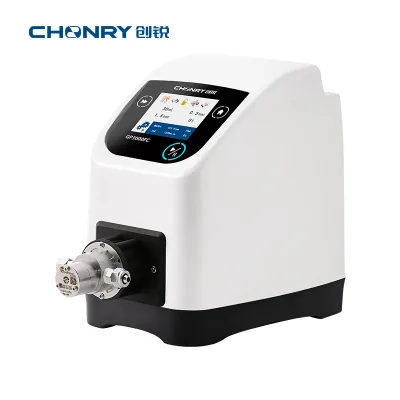


High-Flow Electric Gear Oil Pump Can Be Customized as OEM Electric Oil Pump
$140.00 - $1404.00
MOQ: 1 Pieces


$2000.00 - $10000.00
MOQ: 1 Pieces

$600.00 - $1500.00
MOQ: 1 Pieces

$600.00 - $1500.00
MOQ: 1 Pieces

$2000.00 - $10000.00
MOQ: 1 Pieces

$600.00 - $3000.00
MOQ: 1 Pieces


$261.00 - $536.00
MOQ: 1 Pieces


Comprehensive Sourcing Guide
Electric High Efficiency Gear Pump Sourcing Guide
Procuring electric high efficiency gear pumps requires a disciplined approach to matching technical performance with operational reliability. These pumps are critical for transferring viscous fluids in industrial settings, where consistent flow and pressure are non-negotiable. Buyers must prioritize units that demonstrate robust internal meshing structures, as this design directly influences the pump’s ability to handle high-pressure applications without compromising efficiency. The integration of electric drive systems ensures precise control and reduced maintenance compared to manual or hydraulic alternatives, making them ideal for continuous duty cycles in manufacturing environments.
The sourcing landscape for these components is diverse, with manufacturers offering various customization options to suit specific fluid dynamics requirements. It is essential to evaluate the pump’s structural integrity, particularly the tooth curve and flank design, which dictate the smoothness of operation and longevity under stress. Buyers should focus on suppliers who provide detailed technical documentation and clear specifications regarding operating pressures and flow rates. Understanding these fundamental attributes allows procurement teams to select equipment that aligns with their facility’s hydraulic needs, ensuring optimal performance and minimizing downtime during critical production phases.
Product Scope and Observed Listing Signals
The current market for electric gear pumps displays a wide range of models, from compact units suitable for small-scale drum transfer to heavy-duty industrial variants. Observed listings indicate a significant variation in pricing, reflecting differences in material quality, brand reputation, and technical specifications. Buyers should note that minimum order quantities (MOQ) can vary substantially, with some suppliers requiring bulk purchases while others accommodate smaller trial orders. This flexibility allows companies to test performance before committing to large-scale procurement, reducing initial financial risk and enabling better inventory management for spare parts and replacement units.
Packaging and shipping standards also vary across suppliers, impacting both the cost and safety of delivery. Some manufacturers use standard cartons for smaller units, while others employ marine wooden cases or export polywood cases for larger, heavier pumps to prevent damage during transit. These packaging choices often correlate with the pump’s weight and dimensions, which can influence logistics planning and storage requirements. Buyers must carefully review the packing details to ensure that the equipment arrives in pristine condition, avoiding additional costs associated with damage claims or delayed project timelines due to inadequate protection during shipping.
Technical Specifications to Verify
When evaluating electric gear pumps, verifying the operating pressure and flow rate is paramount to ensuring compatibility with your system. Many high-efficiency models are designed to handle pressures up to 250 bar, making them suitable for demanding industrial applications. However, it is crucial to confirm the specific flow rate range, which can vary from low-volume transfers of 2.5 liters per minute to higher capacities exceeding 125 liters per minute. Matching these specifications to your process requirements prevents issues such as cavitation, excessive wear, or insufficient throughput, which can lead to operational inefficiencies and increased energy consumption over time.
The internal structure of the gear pump, including the tooth curve and mesh form, significantly impacts its performance and durability. Common designs include internal meshing configurations with cycloid or involute tooth curves, each offering distinct advantages in terms of noise reduction and pressure stability. Buyers should also consider the type of gear teeth, such as herringbone or straight teeth, as these affect the pump’s ability to handle different fluid viscosities. Verifying these technical details ensures that the selected pump will operate smoothly and efficiently, providing long-term reliability and minimizing the need for frequent maintenance or replacement of internal components.
Compliance and Safety Documentation
Ensuring that electric gear pumps meet relevant safety and quality standards is a critical step in the procurement process. Many reputable manufacturers provide certifications such as ISO 9001, CE, and RoHS, which indicate adherence to international quality management and environmental regulations. These certifications serve as a baseline for verifying that the product has undergone rigorous testing and meets specific safety criteria. Buyers should request copies of these certificates to confirm compliance, especially when importing equipment from different regions, as local regulations may impose additional requirements that must be satisfied to avoid legal or operational complications.
In addition to certifications, documentation regarding the pump’s condition and warranty terms is essential for risk management. Most suppliers offer new units with a standard one-year warranty, providing coverage against manufacturing defects and premature failures. It is important to review the warranty terms carefully to understand what is covered, including parts and labor, and to identify any exclusions that might limit protection. Clear warranty documentation ensures that buyers have recourse in case of equipment failure, reducing the financial impact of unexpected repairs and maintaining operational continuity in critical production environments.
Cost Drivers and Commercial Terms
The total cost of ownership for electric gear pumps is influenced by several factors, including the initial purchase price, shipping costs, and long-term maintenance expenses. While the observed price range for these pumps is broad, buyers should look beyond the unit price to consider the value provided by features such as high efficiency and durability. Customization options, such as specific motor configurations or material selections, can also impact the final cost. Understanding these cost drivers allows procurement teams to make informed decisions that balance upfront investment with long-term operational savings, ensuring that the selected pump offers the best return on investment for their specific application.
Commercial terms, including payment methods and delivery schedules, play a significant role in the overall procurement strategy. Suppliers may offer various payment terms, such as advance payment or letters of credit, which can affect cash flow and risk exposure. Delivery lead times can also vary, with some suppliers offering faster turnaround times for standard models while others require longer periods for customized units. Buyers should negotiate clear delivery schedules and payment terms to align with their production needs, ensuring that the equipment arrives on time and that financial obligations are managed effectively throughout the procurement process.
Supplier Qualification and Quality Control
Selecting a reliable supplier is crucial for ensuring the quality and consistency of electric gear pumps. Buyers should verify the supplier’s manufacturing capabilities, including their production facilities and quality control processes. Suppliers with established quality management systems, such as ISO 9001 certification, are more likely to produce consistent, high-quality products. Additionally, buyers should inquire about the supplier’s experience in the industry and their track record of delivering reliable equipment. This due diligence helps mitigate the risk of receiving substandard products and ensures that the supplier can meet the buyer’s technical and commercial requirements.
Quality control measures, such as pre-shipment inspections and testing protocols, are essential for verifying that the pumps meet specified performance standards. Buyers should request detailed inspection reports and test results to confirm that the equipment has undergone rigorous quality checks. These reports should include data on pressure testing, flow rate verification, and material composition analysis. By requiring comprehensive quality control documentation, buyers can ensure that the pumps they receive are free from defects and perform as expected, reducing the likelihood of operational issues and enhancing overall system reliability.
Long-Term Procurement Checks
Establishing a long-term relationship with a reliable supplier is key to maintaining consistent supply and support for electric gear pumps. Buyers should regularly review supplier performance, including delivery times, product quality, and customer service responsiveness. This ongoing evaluation helps identify potential issues early and allows for proactive management of the supply chain. Additionally, buyers should stay informed about industry trends and technological advancements that may impact pump performance and efficiency. By staying engaged with the supplier and the market, buyers can ensure that their procurement strategy remains aligned with their evolving operational needs and industry standards.
Regular maintenance and monitoring of installed pumps are essential for maximizing their lifespan and performance. Buyers should implement a preventive maintenance schedule that includes routine inspections, lubrication, and component replacements as needed. This proactive approach helps identify potential issues before they lead to costly failures and ensures that the pumps continue to operate efficiently. By combining long-term supplier relationships with diligent maintenance practices, buyers can achieve optimal performance and reliability from their electric gear pump investments, supporting sustained operational excellence and cost-effectiveness.
FAQs
What is the operating pressure for this electric gear pump?
The operating pressure is 250bar. This high-pressure capability ensures reliable performance in demanding hydraulic systems. The pump features internal meshing gears and is available in various models like Pv2 and KCB. It is designed for durability and consistent fluid transfer in industrial applications.
Can I customize the electric gear pump for specific needs?
Yes, customization is available for this electric gear pump. Buyers can request specific modifications to meet unique operational requirements. The product supports various tooth curves and flank types, including cycloid and herringbone options. This flexibility allows for tailored solutions in food processing or pharmaceutical production environments.
What certifications does the electric gear pump hold?
The electric gear pump holds ISO 9001:2000, CE, ISO, and RoHS certifications. These standards ensure quality and safety compliance for international markets. The manufacturer adheres to strict production protocols, providing documentation for each unit. This certification suite supports procurement in regulated industries requiring verified quality management systems.
What is the minimum order quantity for this pump?
The minimum order quantity is 20 units. This MOQ applies to the standard electric gear pump listings. Buyers should consider this threshold when planning initial procurement orders. Bulk purchasing may offer logistical advantages, while smaller needs might require negotiating with suppliers for alternative terms or stock availability.
Where is the electric gear pump manufactured?
The electric gear pump is manufactured in Hebei and Shanghai, China. These locations serve as the primary places of origin for the product. Buyers can verify supplier locations to assess logistics and shipping costs. The Chinese manufacturing base provides access to established supply chains and competitive production capabilities for industrial components.
What is the warranty period for the electric gear pump?
The warranty period is 1 year. This coverage applies to the new condition electric gear pump units. Buyers receive assurance against manufacturing defects during this timeframe. The warranty supports long-term operational reliability and provides recourse for quality issues, ensuring confidence in the investment for industrial fluid handling systems.