Source Electric Industrial Boot Washer for Auto, Pharma, Food
Find 29 Electric Industrial Boot Washer models from China. Compare automatic hand and boot washing stations with CE and RoHS certifications for auto, pharmaceutical, and food industry hygiene needs; compare the available evidence and request quotations based on your requirements.
Key considerations
Products List

Industrial Shoe Cleaning Machine Boot Washing Machine
$1150.00 - $3600.00
MOQ: 1 Pieces
Henger Manufacturing (Shandong) Machinery Technology Co., Ltd.

Industrial Washing Machine Boot Washer for Factory Staff Shoes
$2999.00 - $6999.00
MOQ: 1 Pieces
Henger Manufacturing (Shandong) Machinery Technology Co., Ltd.

Automatic Sensor Shoe Cleaning Machine and Boot Washer
$1150.00 - $3600.00
MOQ: 1 Pieces
Henger Manufacturing (Shandong) Machinery Technology Co., Ltd.


Industrial Boot Washing Machine / Water Boot Cleaning Machine / Boot Washer
$3800.00 - $7400.00
MOQ: 1 Pieces


Professional Shoe and Hand Cleaning Disinfection Industrial Boot Washer Machine
$3300.00 - $3600.00
MOQ: 1 set


Industrial Boot Washer Machine Shoe Cleaning Washing Machine for Food Factory
$3500.00 - $5800.00
MOQ: 1 Sets

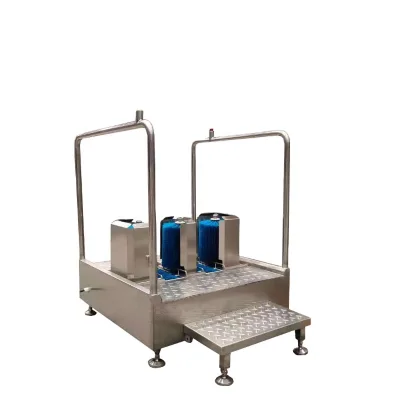
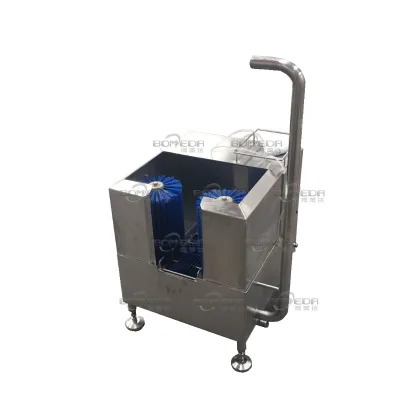
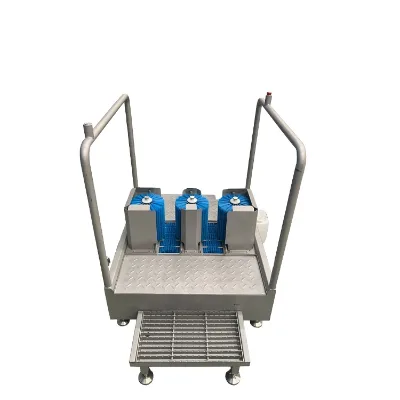


Food Processing Heavy Duty Sanitary Boot Washer
$4889.00 - $7941.00
MOQ: 1 Pieces
Shandong Aonaer Refrigeration Science and Technology Co., Ltd.

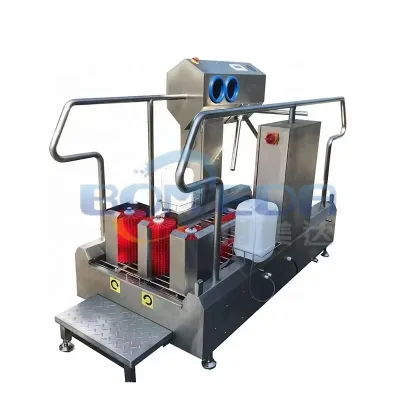
Boot Washing Machine with Brush Automatic Boots Washer Boots Cleaner Machine
$2200.00 - $2800.00
MOQ: 1 Pieces


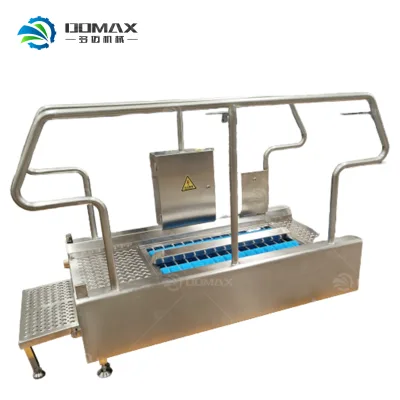

Comprehensive Sourcing Guide
Electric Industrial Boot Washer Sourcing Guide
Procurement teams must first distinguish between integrated and mobile configurations when selecting an Electric Industrial Boot Washer for their facility. The available market data indicates a clear split between modular integrated styles designed for fixed installation and mobile styles that offer flexibility for varying entry points. Buyers should evaluate whether their specific hygiene requirements demand a permanent, high-capacity station or a portable unit that can be repositioned as operational needs shift.
The functional scope of these units extends beyond simple cleaning to include comprehensive disinfection protocols essential for high-demand hygiene factories. Observed listings confirm that these systems often combine boot washing with hand washing and drying functions, creating a unified entry control point. This integration is critical for industries such as pharmaceuticals, food processing, and petrochemicals where cross-contamination risks are severe and strict entry protocols are mandatory.
Product Scope and Observed Listing Signals
Buyers should carefully analyze the observed price range of 570 to 9290 USD to understand the value proposition of different configurations. This significant variance typically reflects differences in automation levels, material quality, and the complexity of the cleaning process, such as cold water cleaning versus solvent cleaning. A lower price point may indicate a basic manual or semi-automatic unit, while higher costs often correlate with fully automatic systems featuring advanced disinfection capabilities.
The minimum order quantity of one unit suggests that suppliers are willing to accommodate pilot projects or small-scale deployments without requiring bulk commitments. This flexibility allows procurement teams to test performance in a specific environment before scaling up to a full facility rollout. However, buyers must verify if the listed price includes all necessary accessories, such as remote controls or specific mounting hardware, as these can vary significantly between models.
Technical Specifications to Verify
Technical due diligence requires confirming the power supply requirements, as observed listings specify a 380V 50Hz input for many industrial models. This high-voltage requirement necessitates a dedicated electrical infrastructure check to ensure the facility can support the load without requiring expensive upgrades. Additionally, the power consumption of approximately 3.0kw per unit must be factored into the overall energy budget and operational cost calculations for the facility.
Material selection is another critical technical parameter, with 304 stainless steel being the standard for durability and corrosion resistance in wet environments. Buyers must verify that the internal components and structural frames meet this specification to ensure longevity against harsh cleaning agents and constant moisture. The cleaning principle, often electronic or mechanical, should be matched to the specific type of soil and contaminants present in the industrial setting to ensure effective removal.
Compliance and Safety Documentation
Safety compliance is non-negotiable, and buyers must request documentation proving that the equipment meets CE, CB, ETL, RoHS, and UR certification standards. These certifications indicate that the electrical and mechanical components have been tested against international safety benchmarks, reducing the risk of electrical hazards or material toxicity. Without these specific documents, the equipment may not be legally operable in many jurisdictions or may fail to meet insurance requirements.
The cleaning process itself must align with industry-specific hygiene standards, particularly for sectors like food and pharmaceuticals where Clean-In-Place (CIP) capabilities are often required. Buyers should verify that the system's cleaning method, whether it involves shot cleaning or solvent cleaning, does not introduce hazardous residues that could compromise product safety. Documentation should explicitly state how the system handles waste water and disinfectant byproducts to ensure environmental compliance.
Cost Drivers and Commercial Terms
The total cost of ownership is heavily influenced by the customization options available, as many suppliers offer tailored solutions for specific facility layouts. Customized dimensions and integrated styles can increase the initial unit price but may reduce long-term installation and maintenance costs by fitting the space perfectly. Buyers should clarify exactly what is included in the "customized" price to avoid unexpected charges for structural modifications or specialized fittings later.
Commercial terms regarding delivery and payment are equally critical, with lead times typically ranging from 15 to 30 days after the receipt of a deposit. This timeline allows for manufacturing and quality checks but requires careful coordination with the facility's construction or renovation schedule. Buyers must also confirm the packing standards, such as plywood wooden crates or film packaging, to ensure the equipment arrives without damage during transit.
Supplier Qualification and Quality Control
Supplier qualification should focus on the manufacturer's origin and their specific experience in the electric industrial cleaning sector. The observed data points to suppliers based in Shandong, China, a region known for its manufacturing capabilities, but buyers must verify the specific factory's track record with similar high-demand hygiene projects. A supplier's ability to provide references from the automotive, power, or metallurgical industries serves as a strong indicator of their technical competence.
Quality control processes must be transparent, with suppliers expected to provide evidence of their production standards and final inspection protocols. Buyers should inquire about the specific testing procedures used to validate the automatic cleaning functions and the durability of the stainless steel construction. Ensuring that the supplier adheres to rigorous internal quality checks is essential to prevent field failures that could disrupt critical hygiene operations.
Long-Term Procurement Checks
Long-term procurement success depends on the availability of spare parts and the supplier's commitment to after-sales support. Buyers should verify the warranty terms and the lead time for replacing critical components like motors or control panels to minimize downtime during the equipment's lifecycle. A robust support network is essential for maintaining the high availability required in continuous industrial operations.
Future scalability is another key consideration, as the modular nature of these systems allows for expansion as hygiene requirements grow. Buyers should assess whether the current model can be easily upgraded or linked with additional units to handle increased traffic or more complex cleaning needs. Establishing a long-term relationship with a supplier who understands the evolving nature of industrial hygiene standards will ensure the facility remains compliant and efficient.
FAQs
What certifications do these electric industrial boot washers have?
These units typically hold CE, CB, ETL, RoHS, and UR certifications. This ensures compliance with international safety and environmental standards for industrial hygiene equipment. Buyers in regulated sectors can verify these credentials to meet facility audit requirements and ensure safe electrical operation in demanding environments.
Can the system be customized for specific factory needs?
Yes, customization is available for these electric industrial boot washers. Manufacturers offer tailored solutions to fit unique facility layouts or specific hygiene protocols. This flexibility allows buyers to adapt the modular design to their existing infrastructure, ensuring seamless integration into high-demand hygiene zones without major structural changes.
What is the standard delivery lead time for these units?
The standard delivery lead time is 15-30 days after receipt of the deposit. This timeframe allows for manufacturing, quality checks, and secure packaging. Buyers should plan their procurement schedules accordingly to ensure timely installation and avoid delays in setting up new hygiene stations within their industrial facilities.
How is the product packed for safe international shipping?
The units are packed in film and then secured in plywood wooden crates. This robust packaging protects the stainless steel components and electronic controls during transit. The standard package ensures that the equipment arrives in pristine condition, ready for immediate installation and operation in various industrial environments worldwide.
What power supply is required for operation?
The system requires a 380V 50Hz power supply. This standard industrial voltage ensures efficient operation of the automatic cleaning and disinfection processes. Buyers must verify their facility's electrical infrastructure matches these specifications to guarantee safe and reliable performance of the boot and hand washing functions.
What materials are used in the construction?
The units are constructed from 304 stainless steel. This material provides excellent corrosion resistance and durability in wet, high-hygiene environments. The robust build ensures long-term performance and ease of maintenance, making it suitable for demanding sectors like food processing, pharmaceuticals, and automotive manufacturing.