Source Electric Inflatable Water Bumper Boat for Parks, Events, and Rentals
Find and compare 14 Electric Inflatable Water Bumper Boat options for amusement parks, leisure entertainment, and rental businesses. Review specifications including power types, materials, and customization availability to select the right model for your venue.
Key considerations
Products List


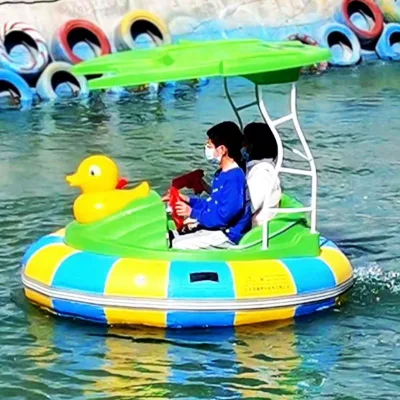
Durable Rubber PE Inflatable Bumper Boat Electric Bumpers Dor Boats for Sale
$1017.14 - $1119.06
MOQ: 6 pieces


Inflatable Water Park Equipment Electric Bumper Boat for Water Amusement Park
$800.00 - $1200.00
MOQ: 1 Pieces
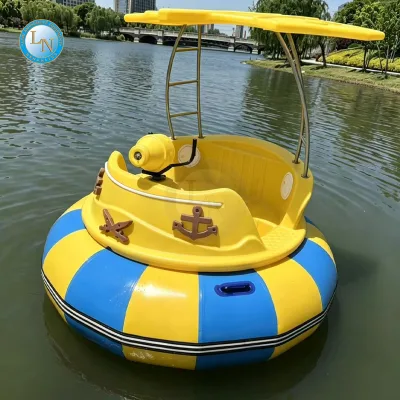
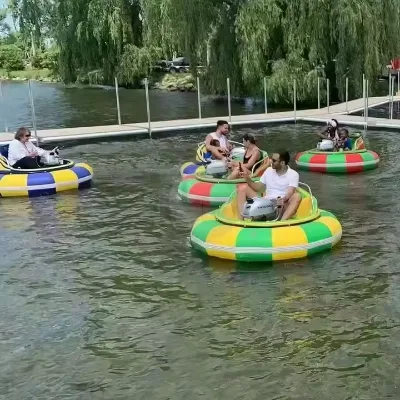
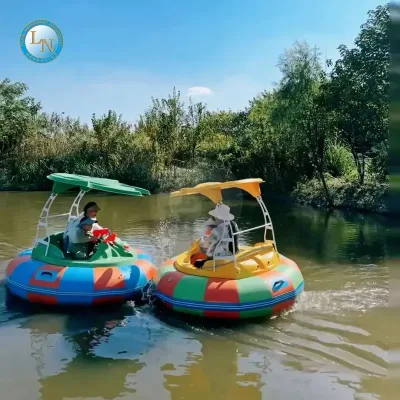
Comprehensive Sourcing Guide
Electric Inflatable Water Bumper Boat Sourcing Guide
Sourcing electric inflatable water bumper boats requires a careful balance between recreational appeal and rigorous engineering standards. These vessels are designed primarily for amusement parks, leisure centers, and entertainment venues, offering a unique blend of buoyancy and motorized propulsion. Buyers must navigate a market where products vary significantly in construction materials, power systems, and safety certifications. The following guide outlines the critical verification steps, technical considerations, and commercial terms necessary to secure a reliable supply chain for these specialized watercraft.
The procurement process begins with understanding the specific operational environment and target demographic. These boats are often marketed for age groups ranging from young children to adults, necessitating distinct design variations in seating capacity and power output. Procurement teams must align their purchasing decisions with the intended usage, whether for high-traffic family entertainment centers or specialized aquatic attractions. This alignment ensures that the selected models meet both safety regulations and customer experience expectations.
Product Scope and Observed Listing Signals
The current market landscape for electric inflatable water bumper boats reveals a diverse range of product configurations. Listings indicate a price range between $490 and $1,350 USD, with minimum order quantities (MOQ) typically starting at one piece or set. This variability suggests that buyers can source single units for testing or small-scale deployment, as well as larger batches for extensive park installations. The observed models include specific identifiers such as M-026, M-023, M-100, KP-E201, KP-EB301, and WP, each representing different structural and functional profiles.
Key attributes observed in supplier listings highlight the customization potential and material composition of these vessels. Many products are described as new, colorful, and customizable, with options for logo integration and OEM acceptance. Materials frequently cited include PVC and high-reinforced fiber plastic, often supported by iron frames or galvanized stainless steel components. These material choices directly impact durability, maintenance requirements, and overall lifespan, making them critical factors in the initial selection process. Buyers should verify that the specific model’s material composition matches the intended water conditions and usage intensity.
Technical Specifications to Verify
Technical verification is paramount when evaluating electric inflatable water bumper boats. Specifications such as dimensions, weight, and power output vary significantly across models. For instance, some units measure approximately 2.10 x 2.10 x 1.70 meters, while others may have different footprints like 1.43 x 1.43 x 1.26 meters. Power systems often utilize electric engines with outputs around 350W, providing speeds between 6 and 10 km/h. Buyers must confirm that the motor type and power rating are suitable for the water body’s size and the expected passenger load.
Seating capacity and weight limits are another critical area for verification. Listings indicate capacities ranging from one to three persons, with allowable passenger weights often capped at 200kg. The structural integrity of the boat, including the floor type (such as slatted floors) and the robustness of the iron frame package or wooden box packing, must be assessed. Additionally, the weight of the vessel itself, noted around 75kg for some models, affects logistics and handling. Ensuring that the technical specifications align with the venue’s operational constraints is essential for safe and efficient deployment.
Compliance and Safety Documentation
Compliance with international safety standards is non-negotiable for amusement park equipment. Buyers must request and verify certification documents, with CE marking being a common requirement. Some listings also mention ASTM and ENGBREACH standards, indicating adherence to specific safety and performance benchmarks. It is crucial to confirm that the certifications are valid and issued by recognized testing bodies. Documentation should cover not only the electrical components but also the structural integrity and material safety of the inflatable sections.
Safety features extend beyond paperwork to include practical design elements. The inclusion of galvanized or stainless steel metal parts suggests a focus on corrosion resistance and longevity, which are vital for water-based equipment. Buyers should inquire about the warranty terms, which are often listed as one year, and understand what specific components are covered. Additionally, verifying the production time, typically 7-10 days after deposit, helps in planning inventory and installation schedules. Ensuring that all safety documentation is complete and up-to-date protects the buyer from liability and ensures a safe operating environment.
Cost Drivers and Commercial Terms
Understanding the cost drivers behind electric inflatable water bumper boats helps in budgeting and negotiation. Factors such as material quality, customization options, and power system complexity significantly influence the final price. The observed price range of $490 to $1,350 USD reflects these variations, with higher-end models featuring advanced materials or custom branding commanding premium prices. Buyers should request detailed quotations that break down costs for the base unit, customization fees, and any additional accessories or spare parts.
Commercial terms, including MOQ and production lead times, also impact the total cost of ownership. While many suppliers offer an MOQ of one piece, bulk orders may attract discounts. The production time of 7-10 days after deposit is a standard timeframe, but buyers should confirm if expedited options are available for urgent projects. Payment terms, shipping costs, and import duties should be clearly defined in the contract. Transparent commercial terms prevent unexpected expenses and ensure a smooth transaction process from order placement to delivery.
Supplier Qualification and Quality Control
Supplier qualification is a critical step in mitigating procurement risks. Buyers should verify the supplier’s origin, with many listings indicating production in China, including specific regions like Jangsu. Assessing the supplier’s manufacturing capabilities, quality control processes, and past performance is essential. Requesting references or case studies from previous clients, particularly those in the amusement park or entertainment sector, can provide insights into the supplier’s reliability and product quality.
Quality control measures should be explicitly defined in the procurement agreement. This includes pre-shipment inspections, testing of electrical components, and verification of material specifications. Buyers should ensure that the supplier adheres to strict quality standards and provides a comprehensive inspection report before dispatch. Additionally, understanding the supplier’s after-sales support structure, including technical assistance and spare parts availability, is vital for long-term operational success. A qualified supplier will demonstrate transparency and commitment to quality throughout the production and delivery process.
Long-Term Procurement Checks
Long-term procurement success depends on establishing a robust relationship with the supplier and implementing continuous monitoring. Regular performance reviews of the delivered products, including feedback from end-users and maintenance teams, help identify any recurring issues or areas for improvement. Buyers should track the durability of materials, the reliability of electrical systems, and the overall customer satisfaction with the bumper boats. This data-driven approach allows for informed decisions in future procurement cycles.
Maintaining open communication with the supplier regarding updates in technology, safety standards, and market trends is also crucial. Suppliers who invest in research and development can offer improved models that enhance safety and user experience. Buyers should stay informed about any changes in certification requirements or industry best practices that may affect their operations. By fostering a collaborative partnership, buyers can ensure a steady supply of high-quality electric inflatable water bumper boats that meet evolving market demands and safety regulations.
FAQs
What certifications do these bumper boats have?
These electric inflatable water bumper boats typically carry CE certification to ensure compliance with European safety standards. Some models may also include ASTM or ENGBREACH certifications for additional market access. Buyers should verify specific certificate documents with suppliers before ordering to confirm regulatory alignment for their target region.
Can I customize the logo and color?
Yes, customization is available for both logos and colors. The boats are described as colorful and allow for custom logo printing to match brand identity. This OEM service supports tailored designs, ensuring the final product aligns with your amusement park or entertainment venue aesthetic requirements.
What is the power type and speed?
The boats are powered by an electric engine, specifically a 350W motor. They achieve a speed range of 6-10 km/h, providing safe and controlled movement for riders. This electric power type ensures quiet operation and zero emissions, making them suitable for indoor or sensitive outdoor water environments.
What is the minimum order quantity?
The minimum order quantity is generally 1 piece or 1 set, depending on the specific model. This low MOQ allows buyers to test the product or purchase single units for small-scale entertainment venues. It facilitates easy entry for new operators without requiring large initial inventory investments.
What materials are used in construction?
The boats are constructed from high-reinforced fiber plastic and 1.0mm PVC material for the inflatable parts. The structural frame utilizes iron, which may be galvanized or stainless steel for durability. This combination ensures robustness against water exposure and frequent use in amusement park settings.
How long is the production time?
Production time is typically 7-10 days after receiving the deposit. This lead time applies to standard customized orders. Buyers should account for this duration when planning inventory for seasonal peaks or specific event launches to ensure timely delivery and installation at their venue.