Source Electric Pet Food Making Machine for Dog, Cat, and Bird
Explore 30 listings for the Electric Pet Food Making Machine designed for dogs, cats, and birds. Buyers can compare specifications like capacity, power source, and processing technology to find the right equipment for their production needs.
Key considerations
Products List


Dog Food Extruder Machine Animal Food Making Machine Cat Food Making Machine
$31000.00 - $33000.00
MOQ: 1 Sets


$20000.00 - $150000.00
MOQ: 1 Sets
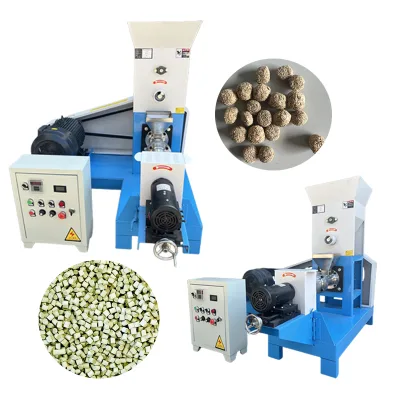


Hot Sale Extruder Pets Food Maker Machine Pet Preform Making Machine for Pet Food
$20000.00 - $30000.00
MOQ: 1 Sets


Comprehensive Sourcing Guide
Strategic Sourcing Guide for Electric Pet Food Making Machines
Understanding Core Technical Specifications and Variants
When sourcing an Electric Pet Food Making Machine, buyers must first distinguish between the specific operational technologies available in the current market. The core keyword "Electric Pet Food Making Machine" often encompasses a range of configurations, from fully automated extrusion lines to specialized pelletizers. Based on observed product data, the industry standard for high-volume production typically involves a "Double-Screw Extruder" as the main equipment component. This configuration is critical for ensuring consistent pressure and mixing, which directly impacts the texture and puffing quality of the final animal feed.
The power source is a primary differentiator. While the specific search term emphasizes electric operation, many advanced units utilize a hybrid approach or offer electric as a primary option alongside gas. Data indicates that heating power for the dryer section can be sourced via Electric, Natural Gas, Diesel, or Steam. For a strictly electric procurement strategy, the buyer must verify that the specific model selected relies solely on electric heating elements, as some units listed with "Electric" power sources may still require gas for the drying phase. The observed power ratings for these machines can reach up to 15KW for specific components, with the overall system voltage often configurable to 220V, 380V, or customized industrial standards.
Capacity is another vital technical parameter. The market offers a wide spectrum of throughput capabilities. Specific models are observed with a capacity of 500kg/h, while broader product lines range from 500 to 6000kg/h. This variance dictates the physical footprint and the required utility infrastructure. For instance, a machine with a 500kg/h capacity will have a material trough size of approximately 500650750mm, whereas higher-capacity units will require significantly larger processing areas. The outlet diameter for the extruded product is also a critical specification, with observed models featuring a 140mm outlet, which influences the final pellet size and shape.
Operational Processes and Material Handling
The manufacturing process of pet food involves several distinct stages, and the machine's design must align with the intended processing method. The prevailing technology in the sector is a combination of Extrusion, Drying, and Cooling. This "Extrusion-Drying-Cooling" process ensures that the raw materials are cooked, shaped, and stabilized. Within this process, the heating temperature is adjustable, allowing manufacturers to fine-tune the cooking parameters for different pet food formulations.
The type of processing applied to the raw materials is another key consideration. Buyers should look for machines capable of "Mild Processing" or "Thermal Processing" depending on the nutritional requirements of the target pet species. For example, some applications require gentle heat to preserve nutrients, while others need high-temperature thermal processing to ensure safety and digestibility. The raw materials fed into these machines vary widely, including fish powder, bone meal, corn, and soybeans. The machine must be equipped to handle these diverse inputs without clogging or uneven mixing.
Feeding mechanisms are equally important for consistent production. The industry standard for high-precision feeding is the "Loss Weight Type" feeder, though "Volumetric Feeders" are also available. The loss weight type is generally preferred for its ability to maintain a precise feed rate, which is essential for maintaining the quality of the final product. Additionally, the machine's barrel design often features a modular construction, allowing for easy replacement of worn parts and facilitating maintenance. This modularity is a significant advantage for long-term operational efficiency.
Compliance, Safety, and Material Standards
Ensuring that the machinery meets food safety and operational safety standards is paramount. While specific certification statuses like CE or ISO9001 are often cited in the broader market, buyers must verify these claims on a per-supplier basis rather than assuming universal compliance. The construction materials of the machine are a primary indicator of safety and durability. High-quality units are constructed from 304 Stainless Steel, which is essential for food-grade applications to prevent corrosion and contamination.
The contact parts of the machine, including the barrel and screw, must be explicitly designated as "Food Grade Use." This ensures that the equipment does not leach harmful substances into the pet food. Furthermore, the operational environment of the machine should be designed to minimize hazards. Advanced models claim a "Zero" factory dust output, which is a critical feature for maintaining a clean production environment and protecting worker health. The use of compressed air is often required for specific functions, such as cleaning or pneumatic controls, and this requirement must be accounted for in the facility's utility planning.
Control systems also play a role in compliance and safety. The use of reputable brand components, such as Siemens motors and touch screens, and Rexroth inverters, suggests a higher standard of reliability and safety. These components are integral to the "Fully Automatic" operation of the machine, reducing the risk of human error and ensuring consistent process control. Buyers should verify that the electrical components meet local safety regulations and that the machine's design includes necessary safety guards and emergency stop mechanisms.
Cost Drivers and Financial Considerations
The cost of an Electric Pet Food Making Machine is influenced by several factors, including capacity, automation level, and component quality. The observed price range in the market is substantial, spanning from $999 to $150,000. This wide variance reflects the difference between small-scale, entry-level units and large-scale, fully integrated production lines. The minimum order quantity (MOQ) for these machines is typically 1 unit, allowing for flexibility in procurement for small to medium-sized enterprises.
Key cost drivers include the power source configuration, the capacity of the machine, and the level of customization. Machines with higher capacities, such as those capable of 6000kg/h, will naturally command a higher price point than those with 500kg/h capacity. The inclusion of advanced features like loss-weight feeders, modular barrels, and high-end control systems (e.g., Siemens touch screens) also increases the cost. Additionally, the type of packing required, such as a "Fumigation-Free Wooden Case" versus "General Packing," can impact the final price and shipping logistics.
Customization is a significant factor in the total cost. Many suppliers offer "Customized" solutions, allowing buyers to tailor the machine to their specific production needs. This can include modifications to the voltage, the size of the material trough, or the specific application for different pet species. While customization adds value, it also extends the lead time and increases the initial investment. Buyers should carefully evaluate the return on investment (ROI) for these custom features against their projected production volume and market demand.
Typical Applications and Product Versatility
Electric pet food making machines are designed to produce feed for a variety of animal species. The observed applications include Dog, Cat, Bird, and Fish. This versatility allows manufacturers to produce a wide range of products, from dry kibble for dogs and cats to specialized feed for birds and aquatic animals. The ability to switch between different product types is a significant advantage for businesses looking to diversify their product lines.
The final product of these machines is typically "Animal Feed Food," which can be in the form of puffed pellets. The "Function" of the machine is often described as an "Animal Feed Puffed Pellet Machine," highlighting its ability to create light, airy, and digestible food products. The specific application determines the processing parameters; for instance, fish feed may require different extrusion pressures and temperatures compared to dog food. The machine's ability to handle various raw materials, such as fish powder and corn, further enhances its versatility.
The target market for these machines includes commercial pet food manufacturers, small-scale pet food producers, and even research institutions. The "Application" of the machine is not limited to large-scale industrial production; the availability of smaller units with capacities around 500kg/h makes them suitable for smaller operations. The "Advantage" of these machines often lies in their ability to produce high-quality, consistent feed that meets the nutritional needs of pets.
Supplier Evaluation and Quality Control Protocols
Evaluating suppliers requires a rigorous approach to ensure the quality and reliability of the machinery. Buyers should verify the origin of the machine, with observed production locations including Henan, China (Mainland) and Shandong, China. The brand reputation, such as "Shandong Arrow," can be an indicator of quality, but buyers should not rely solely on brand names. Instead, they should request detailed technical documentation and case studies from the supplier.
Quality control should be a central part of the evaluation process. Buyers should ask for evidence of the machine's performance, including test results for throughput, energy efficiency, and product consistency. The "Process" of the machine, such as "Mild Processing" or "Thermal Processing," should be validated against the buyer's specific requirements. Additionally, the "Technology" employed, such as the "Extrusion-Drying-Cooling" process, should be explained in detail by the supplier to ensure it aligns with industry best practices.
Supplier reliability is also crucial. Buyers should inquire about the supplier's track record, including their experience with similar projects and their ability to provide after-sales support. The "Operation" of the machine, which is often "Fully Automatic," requires skilled maintenance and troubleshooting. Therefore, the supplier's ability to provide training and technical support is a key factor in the decision-making process. Buyers should also verify the "prod_packing" standards to ensure the machine is protected during shipping, with options ranging from "Fumigation-Free Wooden Case" to "Support Seas Freight."
Long-Term Procurement and Operational Sustainability
Long-term procurement considerations extend beyond the initial purchase price to include maintenance, energy consumption, and scalability. The "Power Source" of the machine, whether electric or hybrid, will have a significant impact on ongoing operational costs. Buyers should calculate the total cost of ownership (TCO) by factoring in electricity rates, maintenance costs, and the lifespan of critical components like the screw and barrel.
Scalability is another important factor. As the business grows, the machine's capacity may need to be increased. The availability of different models, such as the AHT series with various sizes (AHT36, 50, 62, 72, 95, 100, 120, 132), allows for a phased approach to expansion. Buyers should ensure that the chosen machine can be upgraded or replaced with minimal disruption to production.
Sustainability is increasingly important in the pet food industry. Machines that offer "Zero" factory dust output and efficient energy usage contribute to a more sustainable operation. The use of "Food Grade" materials and the ability to process a wide range of raw materials, including by-products like fish powder and bone meal, can also enhance the sustainability profile of the production line. Buyers should consider these factors when selecting a machine to ensure it aligns with their long-term environmental and operational goals.
Comparative Analysis of Machine Specifications
To assist buyers in making informed decisions, the following table compares key specifications observed across different product models. This comparison highlights the diversity in capacity, power, and application, helping buyers identify the most suitable machine for their specific needs.
| Specification | Model A (HT-JCJ140) | Model B (AHT Series) | Model C (General) |
|---|---|---|---|
| Capacity | 500kg/h | 500-6000kg/H | Variable |
| Power Source | Electric | Electric, Gas | Electric |
| Main Equipment | Double-Screw Extruder | Double-Screw Extruder | Double-Screw Extruder |
| Application | Dog, Bird, Cat | Dog, Cat | Dog, Fish, Cat |
| Material | 304 Stainless Steel | 304 Stainless Steel | 304 Stainless Steel |
| Control System | Siemens Touch Screen | Siemens Touch Screen | Customized |
| Origin | Henan, China | Shandong, China | China |
| Packing | Fumigation-Free Wooden Case | Support Seas Freight | General Packing |
| Process | Mild Processing | Thermal Processing | Extrusion-Drying-Cooling |
This table illustrates that while the core technology remains consistent, the specific configurations vary significantly. Buyers should use this data to narrow down their options based on their specific production requirements, such as the desired capacity and the types of animals they intend to feed. By carefully evaluating these specifications, buyers can select a machine that offers the best balance of performance, cost, and reliability for their business.
FAQs
What is the typical capacity range for electric pet food making machines?
Capacity ranges from 500kg/h to 6000kg/h depending on the specific model selected. Some units operate at 500kg/h while broader product lines support up to 6000kg/h throughput for high-volume production needs.
Which raw materials can these machines process effectively?
These machines handle diverse inputs including fish powder, bone meal, corn, and soybeans. The system is designed to mix these ingredients uniformly for producing animal feed food suitable for various pet species.
Can the power source be customized for different facility requirements?
Yes, the power source can be customized to meet specific facility needs. Options include electric, natural gas, diesel, or steam for the dryer section, with main power often configurable to 220V or 380V.
How is the machine constructed to ensure food safety standards?
The machine uses 304 stainless steel for construction to prevent corrosion and contamination. All touch food parts are designated for food grade use, ensuring the final product remains safe for dogs, cats, and birds.
What level of automation is included in the standard operation?
The standard operation is fully automatic, utilizing loss weight or volumetric feeders for precision. Advanced models feature Siemens touch screens and Rexroth inverters to ensure consistent process control and reduce human error.
Which application types are supported by these pet food machines?
Applications include production for dogs, cats, birds, and fish. The technology supports extrusion-drying-cooling processes to create puffed pellets tailored to the nutritional requirements of different animal species.
What is the minimum order quantity for purchasing these machines?
The minimum order quantity is typically one unit for most models. This allows flexibility for small to medium-sized enterprises to procure a single machine without needing to meet high bulk purchase thresholds.