Source Mini Rear Tine Garden Tiller for Farming, Bed Planting, and Soil Prep
Compare 30 Mini Rear Tine Garden Tiller models from Chinese manufacturers offering gasoline power and various drive types. Buyers can evaluate specifications like CE certification, horizontal or vertical shaft configurations, and traction options for agriculture and forestry applications.
Key considerations
Products List

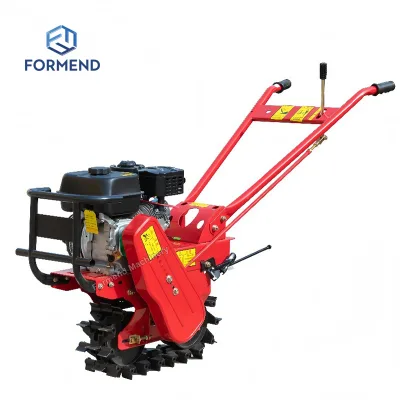
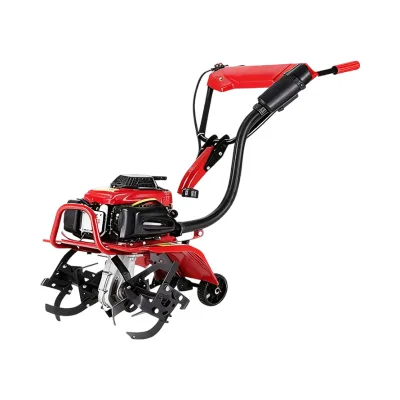
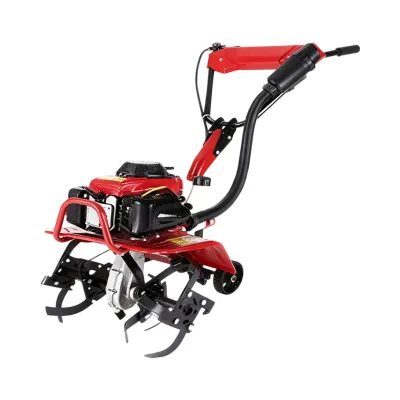
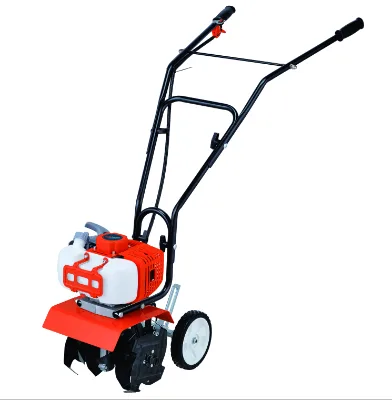
Mini Diesel Power Tiller Farm Cultivator Garden Mini Tiller
$260.00 - $390.00
MOQ: 1 Pieces
Shandong Liying Agricultural Technology Development Co., Ltd.

Mini Garden Cultivator Power Tiller Gasoline Tiller
$205.00 - $230.00
MOQ: 1 Pieces
Shandong Liying Agricultural Technology Development Co., Ltd.


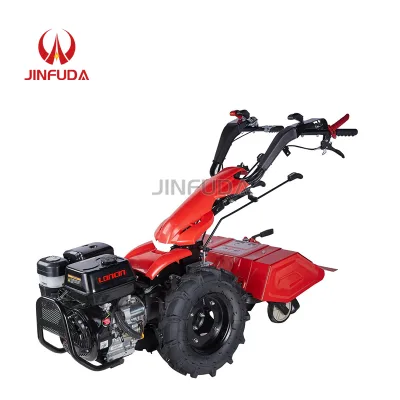
Comprehensive Sourcing Guide
Strategic Sourcing Guide for Mini Rear Tine Garden Tillers
The global demand for compact agricultural machinery has driven significant innovation in the Mini Rear Tine Garden Tiller sector. For procurement professionals and agricultural operators, sourcing these machines requires a disciplined approach that balances technical specifications with compliance verification. The market offers a diverse array of models, ranging from simple gasoline-powered units to more complex configurations designed for specific soil preparation tasks. This guide outlines the critical factors buyers must evaluate when sourcing mini rear tine tillers, ensuring that procurement decisions are grounded in verified data and industry standards rather than marketing assertions.
Technical Architecture and Operational Configurations
Understanding the mechanical architecture of a mini rear tine tiller is the first step in defining procurement requirements. The core functionality of these machines relies heavily on the arbor configuration and drive system. In the current market, buyers encounter two primary arbor configurations: horizontal axis and vertical shaft. The horizontal axis design is often associated with traditional rotary tillers, providing a stable platform for soil cultivation. Conversely, vertical shaft configurations may offer different torque characteristics suitable for specific soil types or specialized farming policies.
The drive type is another critical technical variable. Suppliers frequently list chain drive and gear drive systems. A chain drive system typically offers flexibility and ease of maintenance, allowing for quick adjustments to the tilling depth or speed. In contrast, a gear drive system often provides higher durability and consistent power transmission, which is essential for heavy-duty soil preparation. The traction type further differentiates these units, with options ranging from standard traction to semi-hanging configurations. The semi-hanging design, for instance, may be preferred for attachment to farm tractors, offering enhanced maneuverability in tight spaces.
Power sources remain predominantly gasoline-based, though some models support a dual-fuel capability using gas or diesel. This flexibility is crucial for buyers operating in regions with varying fuel availability. The starting mechanism is equally important; units are available with hand start or electric start options. Electric start systems significantly reduce operator fatigue and are preferred for commercial applications where rapid deployment is necessary. Buyers must verify the specific power source and starting mechanism against their operational environment to ensure reliability.
Compliance, Certification, and Emission Standards
Regulatory compliance is a non-negotiable aspect of international procurement. The mini rear tine tiller market is subject to various certification requirements that vary by destination market. High-confidence data indicates that many units carry the CE certification, which is mandatory for products entering the European Economic Area. Some suppliers also list EU and ECE certifications, suggesting a broader compliance scope that may facilitate entry into multiple jurisdictions. However, buyers must treat these certifications as observations of specific listings rather than universal guarantees for all products in a category.
Emission standards are another critical compliance factor, particularly for machinery intended for use in regulated markets. The observed data includes references to Euro II emission standards. This standard dictates the allowable levels of pollutants such as nitrogen oxides and particulate matter. Buyers targeting markets with stricter environmental regulations must verify that the specific model they intend to purchase meets the current local emission requirements, as standards evolve rapidly. Relying on a single data point like Euro II without confirming the specific regulatory context of the destination country can lead to customs delays or rejection of the shipment.
Additionally, product standards play a role in defining the physical and safety characteristics of the tiller. Some listings reference compact standards or specific dimensional standards, such as 0.7CBM for volume or 894565 for dimensions. These standards help buyers calculate shipping costs and storage requirements accurately. It is essential to cross-reference these numerical values with the actual product specifications provided by the supplier to ensure they align with logistical constraints.
Cost Drivers and Pricing Dynamics
The pricing landscape for mini rear tine garden tillers is highly variable, reflecting differences in specifications, build quality, and included features. The observed price range spans from 60 to 1236.61 USD, a wide disparity that underscores the importance of detailed specification matching. The lower end of the spectrum typically corresponds to basic models with minimal features, such as hand-start mechanisms and simple chain drives. In contrast, the higher price points often reflect advanced configurations, including electric start systems, gear drives, and enhanced safety features.
Several factors drive these cost variations. The material composition of the tilling blades and the frame significantly impacts the price; higher-grade steel and reinforced welding increase durability but also cost. The complexity of the drive system is another major cost driver, with gear drives generally commanding a premium over chain drives due to their longevity and efficiency. Furthermore, the inclusion of specialized attachments or customizations can alter the final price. Buyers should be aware that the "Available" customization attribute allows for tailored solutions, which naturally increases the unit cost compared to standard off-the-shelf models.
Minimum Order Quantity (MOQ) also influences the effective cost per unit. The observed MOQ range is 1 to 100 units. For small-scale operations or individual buyers, an MOQ of 1 allows for immediate acquisition without significant capital commitment. However, for larger procurement projects, negotiating an MOQ closer to the upper limit can often result in better unit pricing. Buyers must balance the need for immediate inventory against the potential savings from bulk purchasing, keeping in mind that the total cost of ownership includes shipping, duties, and potential storage fees.
Typical Applications and Farming Policies
Mini rear tine tillers are versatile machines designed for a variety of agricultural and landscaping applications. The primary application field is agriculture, where these machines are used for soil preparation. This includes tasks such as breaking up compacted soil, incorporating organic matter, and preparing seedbeds. The specific farming policy associated with these machines often dictates their configuration. For instance, "Dry Cultivating Machinery" is optimized for arid or semi-arid conditions where moisture retention is critical, while "Bed Planting Machinery" is designed for creating raised beds for specific crop types.
The operational mode of the tiller is another key consideration. Units are categorized as either fixed operation or continuous running operation. Fixed operation tillers are typically stationary or used for specific, localized tasks, whereas continuous running models are designed for extended periods of use, making them suitable for large-scale farming operations. The application field can also extend to forestry, where the machine's ability to handle varied terrain and root systems is valuable. In such cases, the traction type and drive configuration must be robust enough to handle the additional stresses of forest floor cultivation.
Buyers should align the machine's operational capabilities with their specific farming policies. For example, a buyer focused on bed planting will require a machine with a configuration that supports the creation of uniform beds, while a buyer focused on dry cultivation will prioritize a design that minimizes soil moisture loss. Understanding these nuances ensures that the purchased equipment delivers the intended agricultural outcomes.
Supplier Evaluation and Quality Assurance
Evaluating suppliers requires a rigorous approach to verifying claims and ensuring product consistency. The origin of the products is a significant factor, with the majority of listings indicating origins in Shandong, China, or generally "Made in China" and "Taizhou." While these regions are known for manufacturing agricultural machinery, buyers must verify the specific factory capabilities and quality control processes. The condition of the products is listed as "New," but this is a standard claim that requires validation through inspection or third-party testing.
Quality control should focus on the physical attributes of the machine, such as the color, which is observed in red, green, and orange variants. While color is primarily aesthetic, it can sometimes indicate different model lines or feature sets. The packing method is another critical quality indicator; products are shipped in wooden packages, wooden cases, or iron frames. The choice of packaging reflects the supplier's commitment to protecting the product during transit. A wooden case or iron frame suggests a higher level of protection for heavy or delicate components, which is essential for maintaining the machine's condition upon arrival.
Buyers should also scrutinize the service life claims. Some listings indicate a service life of less than one year, which is unusually short for agricultural machinery. This discrepancy highlights the need for buyers to verify the expected lifespan based on usage intensity and maintenance schedules. A service life of <=1 Year may apply to specific low-cost models or under heavy usage conditions, but it should not be assumed as a standard for all units. Establishing clear expectations regarding maintenance and warranty is crucial for long-term procurement success.
Long-Term Procurement and Maintenance Considerations
Sourcing a Mini Rear Tine Garden Tiller is not merely a transactional event but the beginning of a long-term operational relationship. Buyers must consider the availability of spare parts, the ease of maintenance, and the overall durability of the machine. The drive type, whether chain or gear, will dictate the maintenance schedule. Chain drives may require more frequent tensioning and lubrication, while gear drives generally require less frequent intervention but may be more expensive to repair if internal components fail.
The fuel system is another area requiring long-term attention. Models with gasoline or diesel engines need a reliable supply chain for fuel and oil. Buyers should ensure that the engine specifications are compatible with locally available fuel grades to prevent performance issues. Additionally, the starting mechanism, whether hand or electric, impacts the ease of daily operation. Electric start systems reduce physical strain but introduce electrical components that may require specialized maintenance.
Finally, buyers should plan for the end-of-life cycle of the machine. The packaging type, such as wooden cases or iron frames, can sometimes be repurposed or recycled, contributing to sustainability goals. Understanding the standard dimensions, such as 17501100940mm, helps in planning storage and disposal logistics. By anticipating these long-term needs, buyers can select a mini rear tine tiller that offers not just immediate utility but sustained value over its operational life.
Comparative Analysis of Key Specifications
To facilitate decision-making, the following table summarizes the key technical and compliance attributes observed in the market. This comparison helps buyers quickly identify models that align with their specific operational requirements.
| Attribute Category | Observed Options | Procurement Consideration |
|---|---|---|
| Arbor Configuration | Horizontal Axis, Vertical Shaft | Match to soil type and tilling depth requirements. |
| Drive Type | Chain Drive, Gear Drive | Chain for flexibility; Gear for durability and torque. |
| Power Source | Gasoline, Gas / Diesel | Verify fuel availability and engine efficiency. |
| Operation Mode | Fixed, Continuous Running | Select based on scale of operation and duration. |
| Certification | CE, EU, ECE | Mandatory for EU markets; verify specific regional compliance. |
| Emission Standard | Euro II | Critical for regulated markets; verify current local laws. |
| Packing | Wooden Package, Wooden Case, Iron Frame | Ensure adequate protection for transit and storage. |
| Origin | Shandong, China; Taizhou; Made in China | Verify factory location for logistics and quality assurance. |
| Model Series | 173, 170F, 177, LS-Tiller, BSD Series, GP-1.6Q, ES Series | Cross-reference model numbers with specific feature sets. |
This structured approach to sourcing ensures that buyers can navigate the complexities of the Mini Rear Tine Garden Tiller market with confidence. By focusing on verified facts and avoiding unverified claims, procurement professionals can secure equipment that meets their operational needs while adhering to all regulatory and quality standards.
FAQs
What certifications are available for mini rear tine garden tillers?
Many units carry CE certification, with some listings also showing EU and ECE certifications. Buyers must verify these as observations of specific listings rather than universal guarantees for all products in the category.
Which drive types are commonly used in these tillers?
Suppliers frequently list chain drive and gear drive systems. Chain drives offer flexibility and ease of maintenance, while gear drives provide higher durability and consistent power transmission for heavy-duty soil preparation.
Can I find tillers with custom configurations?
Yes, customization is available for many models. This allows for tailored solutions which naturally increases the unit cost compared to standard off-the-shelf models, enabling buyers to meet specific operational needs.
What are the typical power sources for these machines?
Power sources remain predominantly gasoline-based, though some models support dual-fuel capability using gas or diesel. This flexibility is crucial for buyers operating in regions with varying fuel availability and supply constraints.
How does the service life vary across different models?
Some listings indicate a service life of less than one year, which is unusually short for agricultural machinery. Buyers should verify expected lifespan based on usage intensity and maintenance schedules rather than assuming a standard.
What packaging options are used for shipping these tillers?
Products are shipped in wooden packages, wooden cases, or iron frames. The choice of packaging reflects the supplier's commitment to protecting the product during transit, with iron frames suggesting higher protection for heavy components.