Source BPA Free Baby Bottle Sterilizer and Dryer for Home, Nursery, and Travel
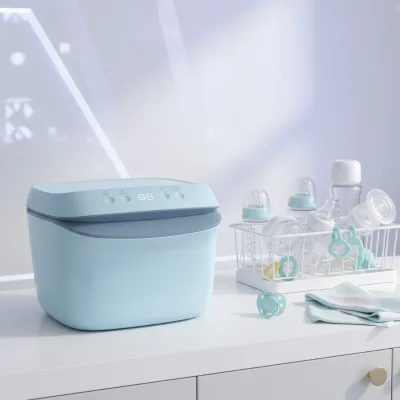
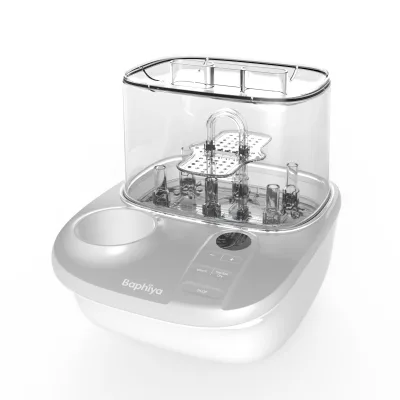
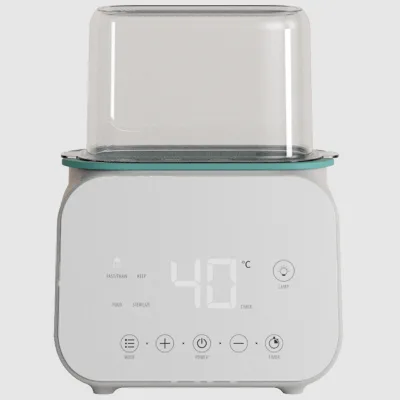
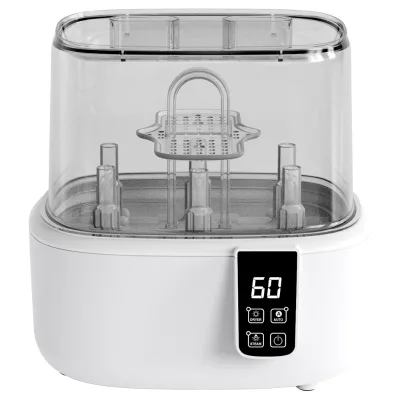
Compare 30 listings for a BPA Free Baby Bottle Sterilizer and Dryer featuring electric power, PP materials, and certifications like FDA and ISO. Buyers can evaluate models with varying power outputs, plug types, and overseas after-sales support to find suitable units for household nursing needs.
Key considerations
Products List


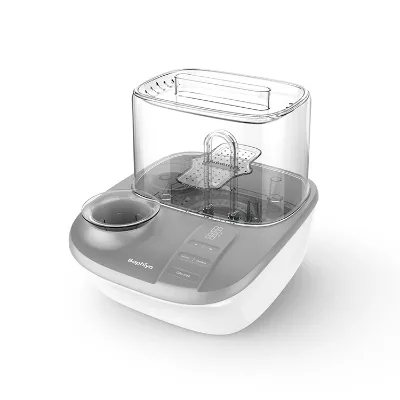
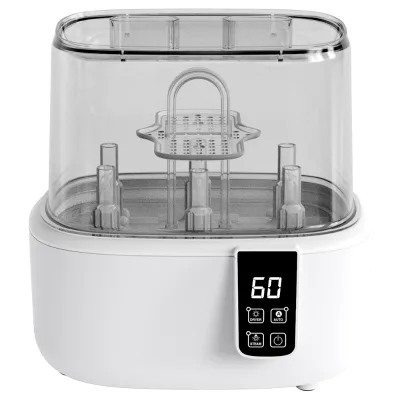
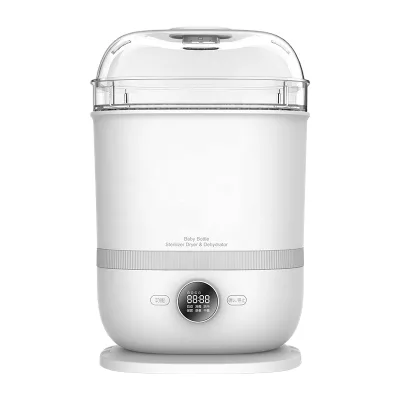
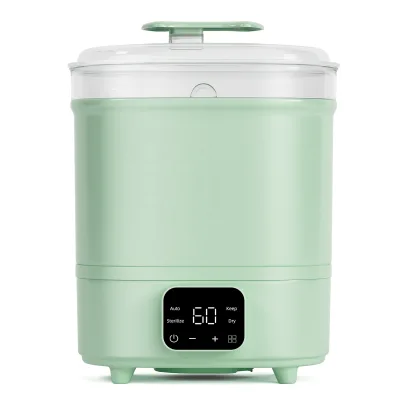
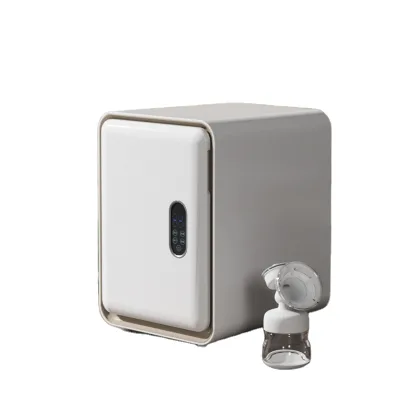
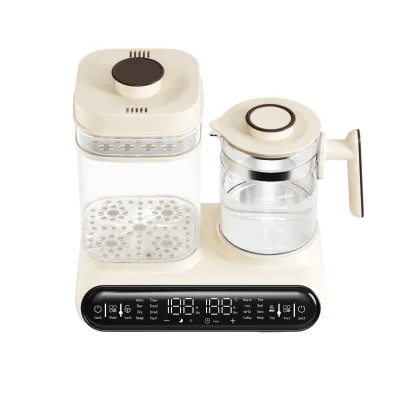
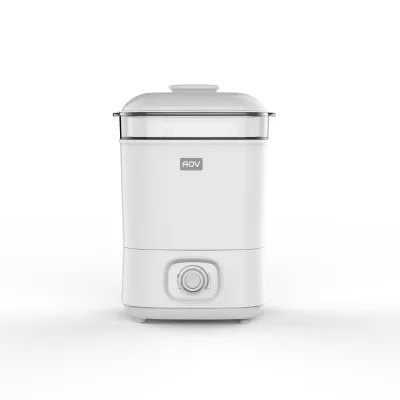
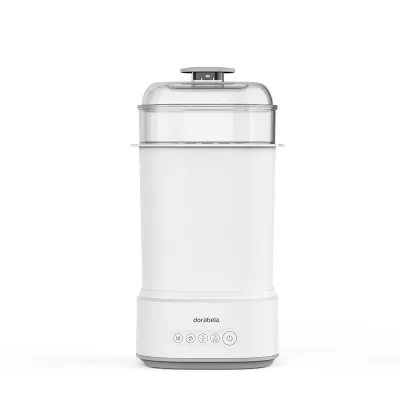
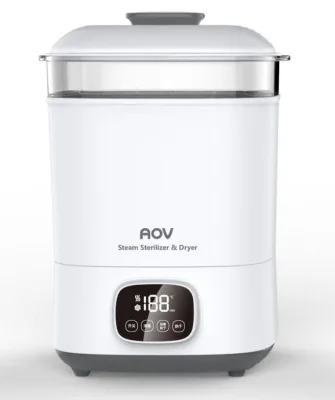
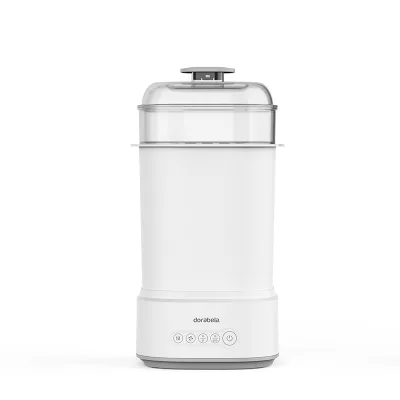
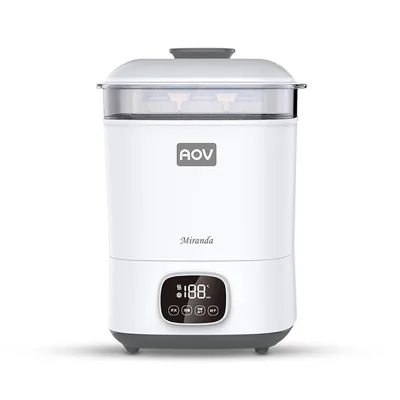
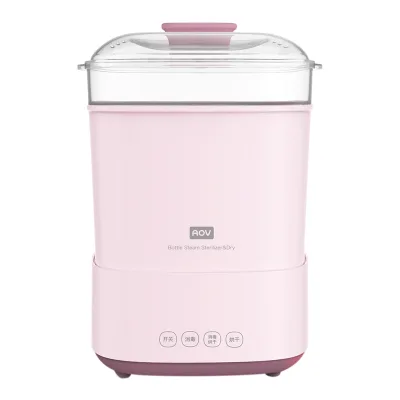


Comprehensive Sourcing Guide
Strategic Sourcing Guide for BPA-Free Baby Bottle Sterilizers and Dryers
The global market for infant care equipment has seen a significant shift toward products that prioritize safety, hygiene, and material integrity. For procurement professionals and B2B buyers, the core keyword "BPA-free baby bottle sterilizer and dryer" represents a critical category where technical specifications, regulatory compliance, and supply chain reliability intersect. This guide provides a comprehensive framework for sourcing these essential devices, drawing on verified product attributes and industry standards to ensure a robust procurement strategy. The focus remains on understanding the tangible features, such as power consumption, material composition, and certification status, to make informed decisions without relying on unverified marketing claims.
Technical Specifications and Operational Parameters
When evaluating baby bottle sterilizers and dryers, the technical specifications form the backbone of product selection. Buyers must distinguish between units designed for specific power environments and those with versatile heating mechanisms. The observed product data indicates a clear preference for electric power sources, with specific power ratings noted for sterilization and drying functions. For instance, a common configuration involves a sterilizer unit rated at 500W and a dryer unit at 150W. This separation of power requirements suggests a dual-function design that optimizes energy usage for both sterilizing cycles and drying phases.
Voltage compatibility is another critical technical parameter. The data highlights a standard operating voltage range of 220-240V, which is prevalent in many international markets, particularly in Europe and parts of Asia. However, the plug type varies significantly, with observations of both "EU" and "Kr" (Korean) plug types. This variation necessitates that buyers verify the electrical infrastructure of their target market before placing orders, as a mismatch in plug standards can render a product unusable without costly adapters or rewiring.
The heating mechanism also plays a pivotal role in performance. Some units utilize a stainless steel heating plate, which offers durability and even heat distribution, while others employ die-casting aluminum heaters. The choice between these materials can influence the longevity of the device and the consistency of the sterilization process. Furthermore, the physical design, described as "streamline" or "large square type," impacts the internal volume and the number of bottles that can be processed simultaneously. Buyers should assess whether the "Middle" size specification or other dimensions align with their intended volume of production or household usage.
Material Integrity and Safety Certifications
The "BPA-free" attribute is not merely a marketing buzzword but a fundamental safety requirement for products intended for infants. The supplied facts confirm that materials are explicitly labeled as BPA Free, Latex Free, Nitrosamine Free, and Phthalate Free. These attributes are often associated with Polypropylene (PP) material, which is widely used in baby bottle manufacturing due to its heat resistance and chemical stability. The presence of "PVC Free" and "Nitrosamine Free" claims further underscores the commitment to non-toxic material sourcing.
Compliance with international certifications is equally vital for market access and consumer trust. The observed product data lists FDA, ISO, and BRC certifications. The FDA certification indicates compliance with United States food and drug administration standards, while ISO suggests adherence to international quality management systems. The BRC (British Retail Consortium) certification is particularly relevant for suppliers aiming to enter the UK and European retail markets. Buyers must verify that the specific model they intend to purchase carries these certifications, as the data suggests that different models, such as the HB-321EB or HB-320ED, may have varying certification statuses.
It is important to note that while "Recyclable" and "Biodegradable" features are listed as product attributes, these should be treated as observations rather than universal guarantees for every unit. Procurement teams should request specific documentation regarding the recyclability of the PP components and the biodegradability claims to ensure they align with the sustainability goals of their organization.
Cost Drivers and Minimum Order Quantities
Understanding the cost structure of baby bottle sterilizers and dryers requires an analysis of the Minimum Order Quantity (MOQ) and the observed price ranges. The data reveals a wide MOQ range, from as low as 1 unit to as high as 1436 units. This variability suggests that the market accommodates both small-scale buyers seeking sample units and large-scale distributors requiring bulk inventory. Specific models, such as the HB-315EB, are associated with an MOQ of 100 units, while other listings indicate an MOQ of 1000 pieces.
The observed listed price range spans from $6.1 to $5,000 USD. This broad spectrum reflects differences in product complexity, material quality, and included features. Lower-priced items may be basic sterilizers with limited drying capabilities or smaller capacities, whereas higher-priced units likely incorporate advanced features such as app control (though the data notes "No" for app control in the primary list), larger capacities, or premium certifications. The single gross weight of 2.500kg for certain models also impacts shipping costs, which is a significant factor in the total landed cost for international buyers.
Buyers should be aware that customization is available for these products. Customization options, such as color (White or Customized) and specific packaging details, can influence the final price and the MOQ. The "Tba" (To Be Advised) packaging details indicate that packaging solutions may be flexible, allowing buyers to tailor the presentation to their brand requirements. However, customization often requires a higher MOQ and a longer lead time, which must be factored into the procurement timeline.
Typical Applications and User Demographics
The application of these sterilizers and dryers is primarily defined as "Household," indicating their suitability for home use by parents and caregivers. However, the age range specifications, which include "0-12 Months," "1-2 Years," and "2-4 Years," suggest versatility in usage. This wide age range implies that the devices are designed to accommodate various bottle sizes and types, from newborn feeding bottles to sippy cups used by toddlers.
The "Nursing Bottle Sterilizer" usage classification highlights the primary function of the device: to ensure that feeding equipment is free from harmful bacteria. The "Bottle Warmer" attribute found in some listings indicates that certain models may offer dual functionality, combining sterilization with warming capabilities. This feature is particularly valuable for parents who need to prepare milk quickly and safely. The "Variable Flow" and "Fast Flow" attributes, while seemingly unrelated to sterilization, may refer to the air circulation or water flow mechanisms within the device, which are crucial for efficient drying and sterilization cycles.
The "Single Item" selling unit suggests that these products are often sold individually rather than in multi-packs, which simplifies inventory management for retailers. The "Print" pattern type and "Straight and Round" shape attributes indicate that manufacturers are also focusing on aesthetic appeal, offering designs that fit modern home decor while maintaining functionality.
Supplier Evaluation and Quality Control
Selecting a reliable supplier is paramount in the B2B procurement of infant care products. The data indicates that the products originate from "Guangdong, China" and "China," regions known for their manufacturing capabilities in consumer electronics and baby products. Buyers should prioritize suppliers who can provide verifiable proof of their certifications, such as FDA, ISO, and BRC, rather than relying solely on product descriptions.
After-sales service is a critical differentiator. The observed "Provided Overseas Call Centers" and "Overseas Call Centers Provided" attributes suggest that some suppliers offer international support. This is essential for resolving technical issues or warranty claims that may arise after the product has been distributed. The "1year" warranty period is a standard offering, but buyers should clarify the terms and conditions of this warranty, including what constitutes a defect and the process for repairs or replacements.
Quality control measures should be rigorous, given the sensitive nature of the product. Buyers should verify that the manufacturing process adheres to the stated material features, ensuring that the PP material is indeed free from BPA, latex, and phthalates. Inspection protocols should include checks for physical defects, such as cracks or warping, and functional tests to ensure the heating elements operate correctly. The "Single Package Size" of 28x23x38 cm provides a baseline for logistics planning, but buyers should confirm if this dimension is consistent across all units in a batch.
Long-Term Procurement Considerations
Sourcing baby bottle sterilizers and dryers is not a one-time transaction but a long-term relationship that requires strategic planning. The availability of customization allows buyers to build a unique brand identity, but it also introduces complexity in supply chain management. Buyers should establish clear communication channels with suppliers to manage changes in design or material specifications.
The "Plug Type" variation (EU vs. Kr) highlights the need for market-specific product adaptation. Buyers targeting multiple regions must ensure that their supplier can produce units with the correct plug types for each market, avoiding the need for separate inventories or costly modifications. Additionally, the "Flow Velocity" attributes suggest that ongoing R&D may lead to improvements in drying efficiency, and buyers should stay informed about new product iterations.
Finally, the "After-Sales Service" provided by overseas call centers is a key factor in maintaining customer satisfaction. Buyers should evaluate the responsiveness and expertise of these support teams to ensure that end-users receive timely assistance. By focusing on these long-term considerations, procurement professionals can secure a reliable supply of high-quality, BPA-free baby bottle sterilizers and dryers that meet the rigorous safety and performance standards required by the infant care market.
FAQs
What certifications do these sterilizers hold?
Products hold FDA, ISO, and BRC certifications. These verify compliance with food safety and quality management standards for international markets.
How is the power consumption specified?
The unit typically uses 500W for sterilization and 150W for drying. This dual-power design optimizes energy usage for both functions efficiently.
Can I find models with specific plug types?
Yes, units are available with EU and Kr plug types. Buyers must verify the correct plug standard matches their local electrical infrastructure.
What materials are used for safety?
Materials are Polypropylene (PP) and are BPA, latex, nitrosamine, and phthalate free. These attributes ensure non-toxic contact with infant feeding items.
Which models offer customization options?
Customization is available for color and packaging details. Specific models like HB-321EB may have varying MOQs depending on the customization level.
What is the typical warranty period?
A one-year warranty is standard for these devices. Overseas call centers are provided to assist with after-sales service and technical support.
How do heating elements differ between models?
Some units use stainless steel heating plates while others use die-casting aluminum heaters. The choice affects durability and heat distribution consistency.