Source Medium Back Wood Thonet Chair for Wedding, Party, Bar Room
Find 30 listings for Medium Back Wood Thonet Chair suitable for dining rooms, hotels, and outdoor events. Compare specifications including high and medium back options, wood and plastic materials, and customization availability to find the right supplier.
Key considerations
Products List


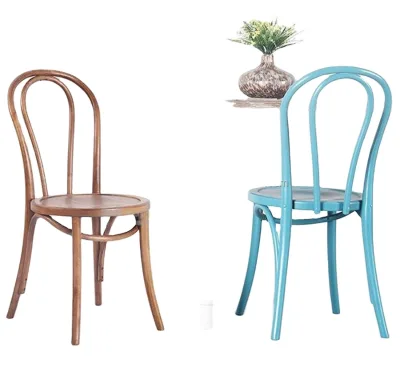
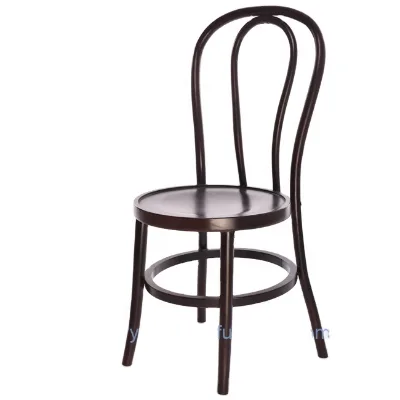
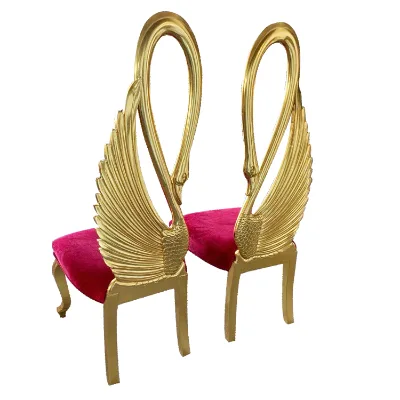


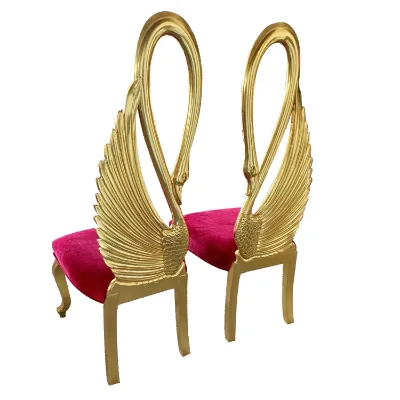

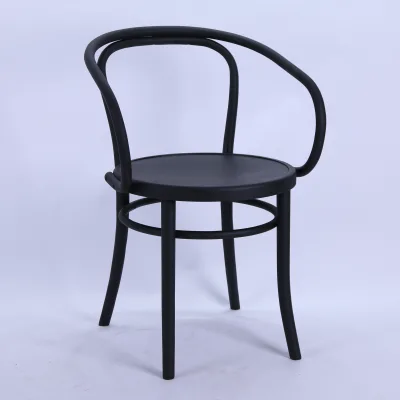

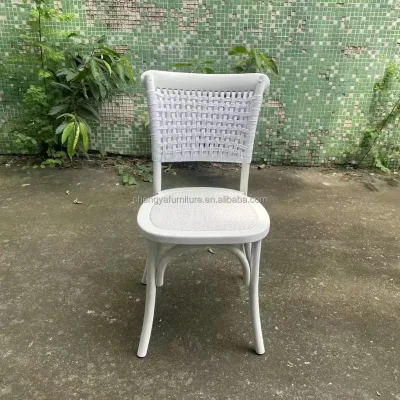
Bar Restaurant Furniture Rustic Vineyard Wood Thonet Chair for Wedding (ZG25-001)
$36.00 - $50.00
MOQ: 100 Pieces
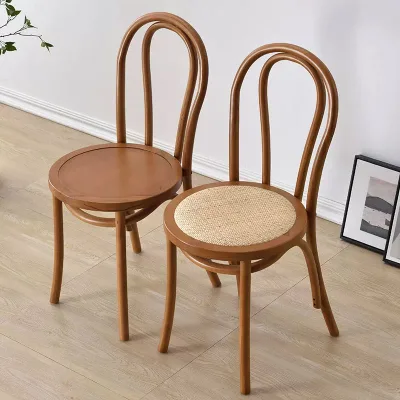
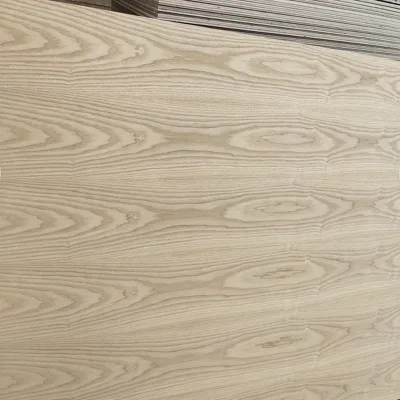
Plastic boards thonet bentwood chair modern design ash wood with high quality
$12.00 - $50.00
MOQ: 20 Minimum


Stackable Beech Wood Black Wedding Thonet Bentwood Chair with Round Plain Wooden Seat
$16.50 - $18.00
MOQ: 100 Pieces
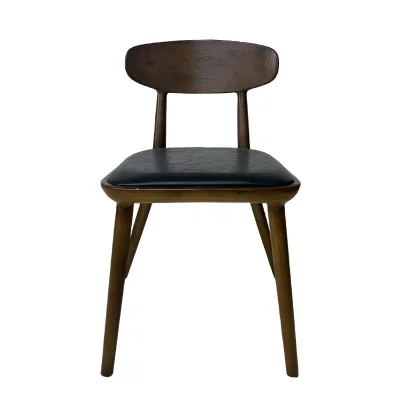
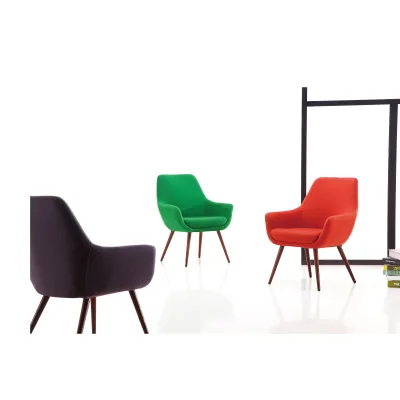

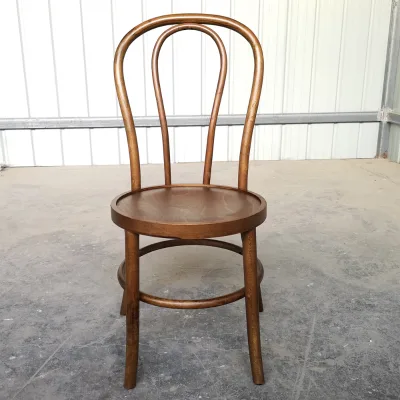
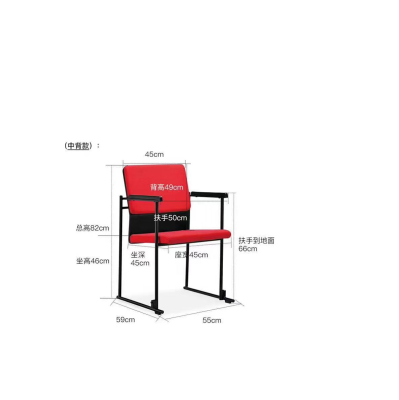


Comprehensive Sourcing Guide
Strategic Sourcing Guide for Medium Back Wood Thonet Chairs
Understanding the Product Category and Technical Specifications
When sourcing a Medium Back Wood Thonet Chair, buyers must first distinguish this specific category from the broader spectrum of dining and contract furniture. The term "Thonet" historically refers to bentwood technology, yet in modern B2B contexts, it often denotes a specific aesthetic of curved wood elements combined with sturdy construction. Based on available market data, the target product profile includes chairs with a medium back height, distinguishing them from high-back banquet styles or low-back lounge options. The material composition is predominantly wood, though some listings indicate plastic alternatives or mixed-material frames, requiring careful verification of the core material specification.
The physical dimensions are a critical factor in procurement planning. Observed standard specifications for similar models indicate a size range of approximately 41x45x89 cm to 42x48x91 cm. These dimensions suggest a compact footprint suitable for commercial dining environments where space optimization is paramount. The seat shape varies, with rectangular and square options available, which directly impacts the table configuration and seating capacity. Furthermore, the frame construction is typically described as "assembled," implying that the chairs arrive ready for immediate deployment, though some suppliers may offer flat-pack options for logistics efficiency. The finish quality is another technical differentiator; high-end listings emphasize a "four layers of high-quality painting" and a polishing process that ensures a smoother surface than standard industry offerings. This finish not only enhances aesthetics but also contributes to the durability of the wood against wear and tear in high-traffic areas.
Compliance, Certification, and Regulatory Standards
In the B2B procurement of furniture, particularly for hospitality and public venues, compliance with international safety and quality standards is non-negotiable. The supply chain for medium back wood chairs often involves products that carry certifications such as CE, ISO, and SGS. These certifications serve as third-party validations that the manufacturing process adheres to specific safety, quality, and environmental protocols. Buyers should verify that the specific batch of chairs they intend to purchase carries the relevant certification marks, as these are often required for import clearance and venue licensing.
The origin of the product is another critical compliance variable. The majority of the observed supply originates from China, specifically from regions like Shandong and Qingdao. While these regions are established manufacturing hubs, buyers must ensure that the supplier provides clear documentation regarding the country of origin to avoid any trade barriers or tariff complications. Additionally, the "standard" listed for these products often refers to internal quality benchmarks or specific dimensional tolerances. For instance, a standard dimension of 40x40x92 cm might be cited for a specific model, but buyers must confirm that this aligns with their local building codes and fire safety regulations. It is essential to request the actual test reports associated with the SGS or ISO certifications rather than relying solely on the claim, ensuring that the wood treatment and structural integrity meet the required safety thresholds for public use.
Cost Drivers and Pricing Dynamics
The pricing structure for medium back wood Thonet chairs is influenced by a complex interplay of material costs, finishing processes, and order volume. The observed price range in the market spans from approximately $8.50 to $430 USD per unit. This wide variance is not indicative of a single product line but rather reflects differences in material quality, design complexity, and brand positioning. The lower end of the spectrum typically corresponds to basic models with standard finishes and minimal customization, while the higher end often includes premium wood species, multi-layer painting processes, and specialized ergonomic designs.
Material selection is the primary cost driver. While wood is the standard material, the type of wood (e.g., beech, oak, or pine) and the source significantly impact the final price. The "four layers of high-quality painting" mentioned in high-end listings adds to the production cost but also extends the product's lifespan, offering a better total cost of ownership. Another significant factor is the customization level. Products marked as "customized" or "non-customized" will have different price points. Customization allows for specific branding, color matching, or dimensional adjustments, which inherently increases the unit cost and potentially the minimum order quantity (MOQ). The observed MOQ range of 2 to 300 units suggests that buyers can start with small test orders but should anticipate higher per-unit costs for smaller batches. Volume discounts are likely available as the order quantity approaches the upper end of the observed range, making it crucial for buyers to forecast their long-term needs accurately to optimize their procurement budget.
Typical Applications and Functional Versatility
The versatility of medium back wood Thonet chairs makes them suitable for a diverse array of commercial and residential applications. The primary use cases identified include weddings, parties, bar rooms, and dining rooms. The "modern" and "antique" style options allow these chairs to fit seamlessly into various interior design themes, from contemporary hotels to rustic farmhouses. The specific application of "outdoor for wedding" indicates that some models are treated or constructed to withstand outdoor conditions, although the wood material generally requires protection from prolonged moisture exposure unless specifically treated.
Beyond event spaces, these chairs are frequently utilized in hotels, kitchens, living rooms, bedrooms, and public parks. The "restaurant chair" classification highlights their durability and stackability, which are essential for commercial dining operations. The availability of both soft and hard cushion options adds another layer of functional versatility. Soft cushions provide comfort for long-duration seating, such as in fine dining or hotel lobbies, while hard cushions or no cushions may be preferred for high-turnover areas like cafeterias or outdoor bars where ease of cleaning is a priority. The "folded" status of "unfolded" suggests that while the chairs are not collapsible, they may be designed for easy stacking or compact storage, which is a critical feature for venues that need to reconfigure their seating arrangements frequently.
Supplier Evaluation and Quality Assurance
Evaluating suppliers for medium back wood chairs requires a rigorous approach to quality assurance. Buyers should prioritize suppliers who offer transparent information about their production processes. The claim that "chairs are polished smoother than most suppliers" is a qualitative assertion that should be validated through sample requests or third-party inspections. A robust quality control process should include checks on the structural integrity of the frame, the consistency of the paint finish, and the stability of the seat.
The packaging specifications are also a key indicator of supplier reliability. Listings mention "neutral packing" or cartons containing 9 to 10 pieces. This standardization suggests a mature logistics operation, but buyers must verify that the packaging is sufficient to prevent damage during transit, especially for wooden furniture which is susceptible to scratches and dents. The warranty period is another critical metric; observed warranties range from 1 to 2 years. A longer warranty period often reflects the supplier's confidence in their product's durability and their commitment to after-sales support. Buyers should also check the "customization" capabilities of the supplier. Whether the supplier can accommodate specific requests for colors, dimensions, or branding is a strong indicator of their flexibility and customer service orientation. Finally, the "brand name" and "specific use" details provided in the product data can help buyers assess the supplier's specialization. A supplier focusing specifically on "hotel chairs" or "best quality wood dining Thonet chairs" is likely to have more expertise in this niche than a generalist furniture manufacturer.
Long-Term Procurement Considerations and Maintenance
Sourcing medium back wood Thonet chairs is not merely a one-time transaction but a strategic decision that impacts long-term operational costs and brand image. The durability of the wood and the quality of the finish are paramount for maintaining the aesthetic appeal of the venue over time. The "four layers of high-quality painting" and the polishing process mentioned in high-end listings are investments that pay off in reduced maintenance and replacement costs. Buyers should inquire about the recommended maintenance procedures for the specific finish used, as improper care can lead to premature wear.
The environmental impact and sustainability of the wood source are increasingly important considerations in modern procurement. Buyers should ask suppliers about the origin of the wood and whether it is sourced from sustainable forests. Additionally, the "neutral packing" option allows for customization of the packaging, which can be leveraged to reduce waste or align with corporate sustainability goals. The lead time and production capacity of the supplier are also critical for long-term planning. While specific lead times are not provided in the general data, buyers should establish clear timelines for production and delivery to avoid disruptions in their operations. Finally, the scalability of the supply chain is essential. As a business grows, the ability to order larger quantities without compromising quality or increasing costs disproportionately is a key factor in selecting a long-term partner. By focusing on these long-term aspects, buyers can ensure that their investment in medium back wood Thonet chairs delivers value and reliability for years to come.
FAQs
What certifications do these chairs have?
The chairs carry CE, ISO, and SGS certifications. These marks indicate compliance with international safety and quality standards, which is essential for import clearance and venue licensing in commercial environments.
Which dimensions are standard for this model?
Standard specifications include sizes like 41x45x89 cm and 42x48x91 cm. These compact dimensions are designed for space optimization in dining rooms and hotels while maintaining structural stability.
Can I customize the chair finish and color?
Customization is available for specific orders. Buyers can request tailored colors or branding, though this may affect the unit price and minimum order quantity requirements.
How many pieces fit in one carton?
Packing typically includes 9 to 10 pieces per carton. This standard packaging ensures efficient logistics and protection during transit, often using neutral packing for flexibility.
What warranty is provided for the product?
Warranty periods range from 1 to 2 years depending on the specific model. A longer warranty often reflects the supplier's confidence in the durability of the wood and finish quality.
Where are these chairs manufactured?
Products originate from China, specifically regions like Shandong and Qingdao. These locations are established manufacturing hubs known for producing high-volume furniture for global export.
What is the price range per unit?
Prices observed in the market range from 8.5 to 430 USD per unit. This variance depends on material quality, finish complexity, and the level of customization requested.