Source Electric Vegetable Shredder for Farms, Processing, and Catering
Find and compare 30 Electric Vegetable Shredder for Farms models with capacities up to 3t/h and 304 stainless steel construction. Evaluate slicing, shredding, and dicing options from Chinese manufacturers to match your operational needs.
Key considerations
Products List
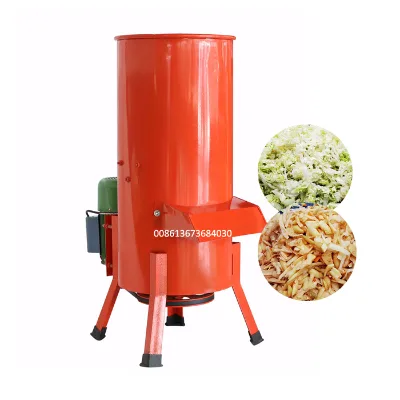


Electric Vegetable Cutting Machine Vegetable Slicer Cutter Shredding Machine
$2000.00 - $2200.00
MOQ: 1 Pieces
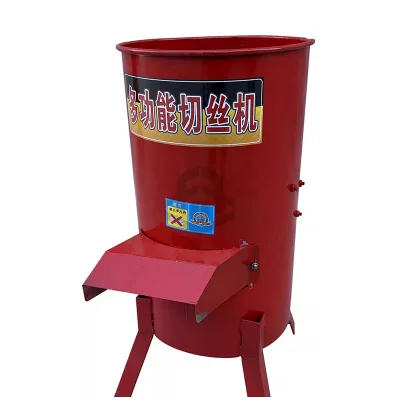
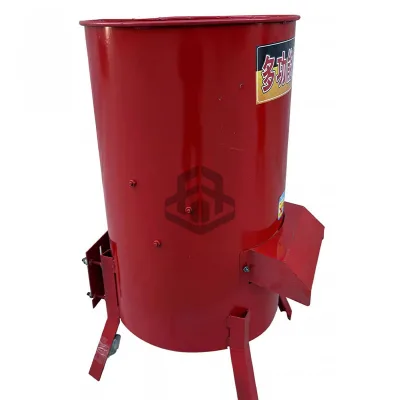
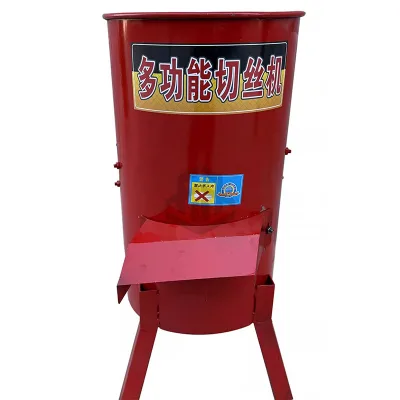
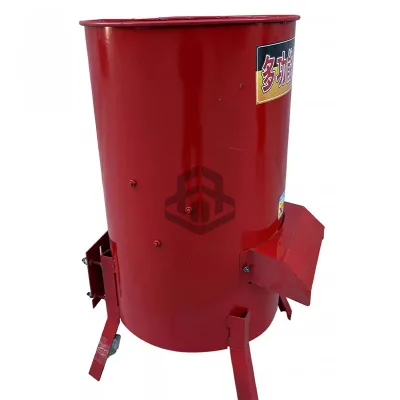
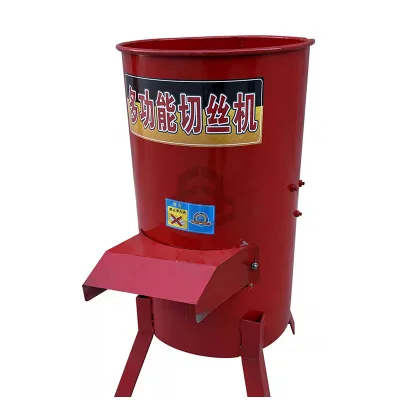
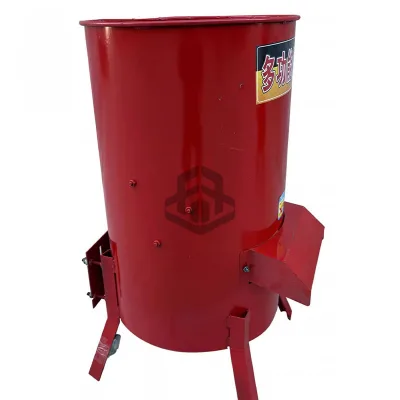


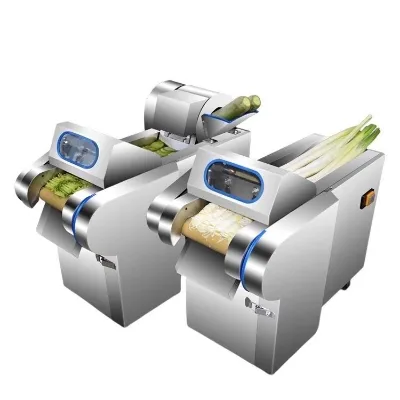

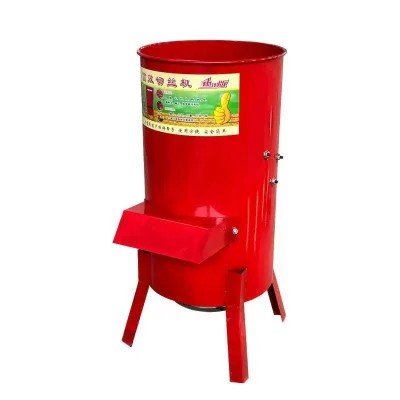


Electric/Gasoline/Diesel Power Farm Grass Shredder for Home, Garden & Small Farm
$100.00 - $120.00
MOQ: 1 Pieces


High Efficiency Cabbage Cutting Equipment Onion Shredding Machine Vegetable Shredder
$7950.00 - $9910.00
MOQ: 1 Sets
Comprehensive Sourcing Guide
Electric Vegetable Shredder for Farms Sourcing Guide
Selecting the right Electric Vegetable Shredder for Farms requires a careful balance between throughput capacity, material durability, and operational flexibility. Modern agricultural processing demands equipment that can handle high volumes of root vegetables, leafy greens, and tubers without compromising on hygiene or energy efficiency. Buyers must evaluate machines based on their specific crop profiles, ensuring that the slicing, shredding, or dicing mechanisms align with the intended end-use, whether for fresh market preparation, freezing, or further processing into juices and purees.
The market offers a diverse range of units, from compact, low-power models suitable for small-scale farms to heavy-duty industrial cutters designed for large-scale commercial operations. Key differentiators include the motor power, voltage compatibility, and the adjustability of cutting dimensions. Understanding these technical nuances is essential for procurement teams to avoid mismatches between machine capabilities and farm production goals, ensuring that the investment yields a return through improved labor efficiency and consistent product quality.
Product Scope and Observed Listing Signals
The current market landscape for electric vegetable shredders reveals a wide spectrum of capabilities, with observed listing prices ranging from approximately $41 to $9,910 USD. This broad price band reflects significant variations in build quality, automation level, and production capacity. Lower-priced units often target smallholder farms or niche processing needs, featuring simpler mechanical designs and lower power outputs, while higher-priced models typically offer robust stainless steel construction, higher throughput rates, and advanced customization options for specific cutting geometries.
Observed minimum order quantities (MOQs) vary from 1 to 500 units, indicating that suppliers cater to both individual farm purchases and large-scale distributor orders. Many listings highlight customization availability, allowing buyers to tailor inlet and outlet heights, slice thicknesses, and strip sizes to their specific operational requirements. For instance, some models offer adjustable slice thicknesses ranging from 0.8 mm to 4 mm, while others provide specific strip or shred sizes such as 2.5 mm, 3 mm, or 4.5 mm, demonstrating the versatility required for diverse agricultural products.
Technical Specifications to Verify
When evaluating technical specifications, buyers must prioritize motor power and voltage compatibility to ensure seamless integration with farm infrastructure. Common power ratings observed in the market include 0.75 KW, 2.2-4 KW, and higher industrial capacities, with voltage options typically spanning 220V and 380V. It is critical to verify that the selected machine’s electrical requirements match the farm’s available power supply to prevent operational disruptions or the need for costly electrical upgrades. Additionally, checking the core components, such as the engine type, ensures long-term reliability and ease of maintenance.
Throughput capacity and physical dimensions are equally vital considerations for farm logistics and workflow planning. Observed production capacities range from 300-500 kg/h for smaller units to 2-3 tons per hour for larger industrial shredders, with some models specifying hourly productivity between 200-600 kg. Buyers should also assess the machine’s weight, which can vary from 11 kg for portable units to 200 kg for heavy-duty stationary cutters, and verify standard dimensions such as 12557751400mm or 9005601100mm to ensure adequate floor space and accessibility for loading and unloading vegetables.
Compliance and Safety Documentation
Safety and hygiene are paramount in food processing equipment, making material composition a primary verification point. Buyers should insist on machines constructed from food-grade materials, with 304 Stainless Steel being a common and preferred standard for contact surfaces due to its corrosion resistance and ease of cleaning. Verifying that the machine meets relevant food safety standards is essential to prevent contamination and ensure compliance with local agricultural and food processing regulations, protecting both the farm’s reputation and consumer health.
Documentation regarding warranty and after-sales support provides an additional layer of security for the procurement investment. Many suppliers offer a 1-year warranty on core components, which helps mitigate the risk of early mechanical failure. Buyers should also inquire about the availability of video outgoing inspections or other quality assurance measures before shipment, although these are not always available. Clear documentation of these terms ensures that any potential issues can be addressed promptly, minimizing downtime during critical processing seasons.
Cost Drivers and Commercial Terms
Several factors influence the total cost of ownership for electric vegetable shredders, with material quality and customization being significant drivers. Machines built with high-grade stainless steel and featuring adjustable cutting mechanisms typically command higher prices but offer greater durability and versatility. Customization options, such as specific inlet heights or specialized slicing blades, can also increase the initial cost but may provide long-term savings by reducing waste and improving processing efficiency for specific crop types.
Packaging and shipping logistics play a crucial role in the final landed cost, with options ranging from standard export packing to wooden cases and carton packaging. Buyers should consider the fragility of the equipment and the distance to the farm when selecting packaging, as robust packaging reduces the risk of transit damage. Additionally, understanding the supplier’s production capacity and lead times is essential for planning procurement cycles, especially during peak agricultural seasons when demand for processing equipment may surge.
Supplier Qualification and Quality Control
Evaluating supplier qualifications involves assessing their manufacturing capabilities, geographic location, and track record in the agricultural machinery sector. Many suppliers are based in regions known for industrial manufacturing, such as Guangdong and Henan in China, which can offer competitive pricing and a wide variety of models. Buyers should verify the supplier’s ability to provide consistent quality across batches, particularly when ordering larger quantities, and inquire about their quality control processes to ensure that each unit meets the specified technical standards.
Quality control measures should extend beyond the final product to include pre-shipment inspections and testing protocols. Buyers should request detailed specifications for each machine, including model numbers like HT-T400 or HX-05, and verify that these align with their operational needs. Engaging with suppliers who offer transparent communication and responsive customer service can also indicate a higher level of professionalism and reliability, reducing the risk of misunderstandings or disputes during the procurement process.
Long-Term Procurement Checks
Long-term success with electric vegetable shredders depends on the availability of spare parts and the ease of maintenance. Buyers should confirm that critical components, such as blades, motors, and control panels, are readily available and can be replaced without specialized tools or extensive downtime. Establishing a relationship with a supplier who offers comprehensive technical support and training can significantly enhance the operational lifespan of the equipment and ensure that farm staff can perform routine maintenance effectively.
Finally, buyers should consider the scalability of their procurement strategy as their farm operations grow. Starting with a single unit allows for testing and validation of performance in real-world conditions, while planning for future expansion ensures that additional units can be integrated seamlessly into existing workflows. Regularly reviewing the performance of the shredder against key metrics such as throughput, energy consumption, and product quality will help identify opportunities for optimization and inform future purchasing decisions.
FAQs
What is the hourly capacity of the electric vegetable shredder?
The hourly capacity ranges from 300 to 500 kilograms per hour for specific models. Some units offer a higher capacity of up to 2 to 3 tons per hour depending on the configuration and intended application for vegetable processing.
Can the machine slice vegetables to adjustable thickness?
Yes, the cutting size is adjustable from 0 to 60 millimeters for versatile processing. Specific models allow precise selection of slice thickness including 0.8, 1.0, 1.5, 2, 3, and 4 millimeters to meet different product requirements.
Which voltage options are available for this shredder?
The machine supports multiple voltage options including 220V and 380V to suit different power grids. This flexibility ensures the equipment can be deployed in various farm settings or industrial facilities without requiring major electrical modifications.
What material is used to construct the shredder body?
The main body is constructed from 304 stainless steel to ensure hygiene and durability. This material choice prevents corrosion and meets food safety standards required for processing vegetables and fruits in agricultural environments.
How is the product packed for international shipping?
Products are typically packed in wooden cases or standard export packing for safe transport. Some smaller units may use carton packaging, ensuring the machinery arrives at the destination without damage during long-distance logistics.
What is the weight of the electric vegetable shredder?
The weight varies by model, with some units weighing 50 kilograms and others up to 200 kilograms. Larger industrial models may weigh 180 kilograms, requiring appropriate handling equipment for installation on the farm.
Is customization available for the vegetable shredder machine?
Customization is available to meet specific operational needs and production requirements. Buyers can request tailored specifications for capacity, dimensions, or functional features like slicing, shredding, or dicing based on their unique agricultural applications.