Source Electric Vehicle for Golf Courses, Resorts, and Communities
Explore 30 verified listings for Electric Vehicle options tailored for golf courses, resorts, and residential communities. Buyers can compare specifications, pricing, and customization features to find the right mobility solution for their specific needs.
Key considerations
Products List


$52700.00 - $67600.00
MOQ: 1 Pieces

$1700.00 - $1800.00
MOQ: 1 Pieces


Well-Engineered Design and Quality Components Lithium Battery Electric Vehicle
$243.00 - $2387.00
MOQ: 50 Pieces


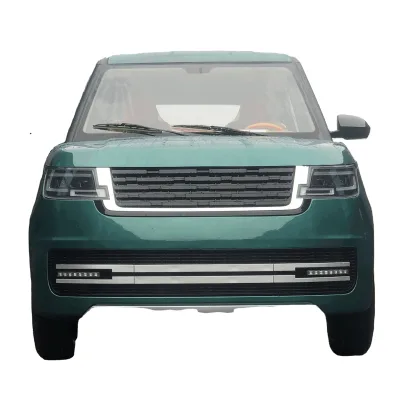
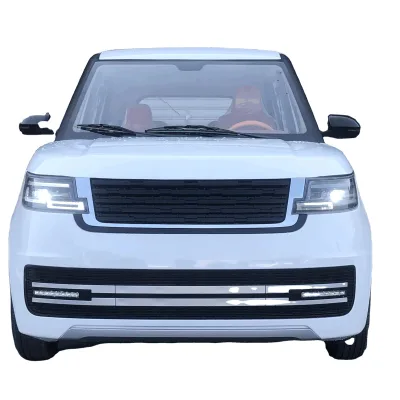
Adult Electric Vehicle Single Drive Motor 4-wheel Elderly Electric Vehicle
$4000.00 - $4500.00
MOQ: 1 units
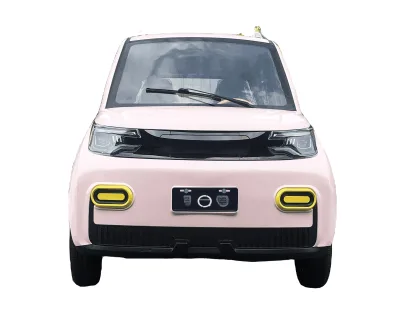
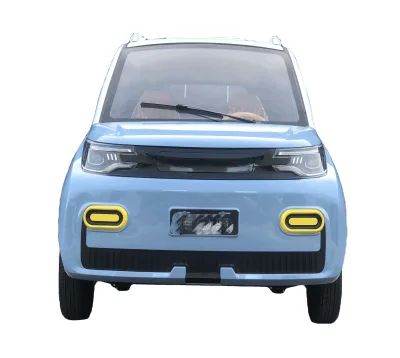
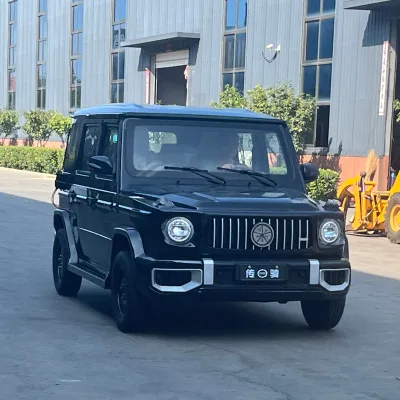
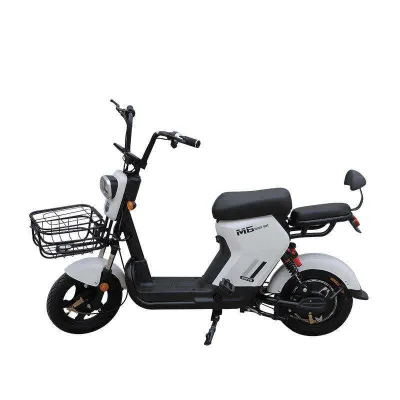


LHD & Rhd, High Speed & Low Speed, 300km Electric Vehicle with Double Screen
$6800.00 - $8980.00
MOQ: 24


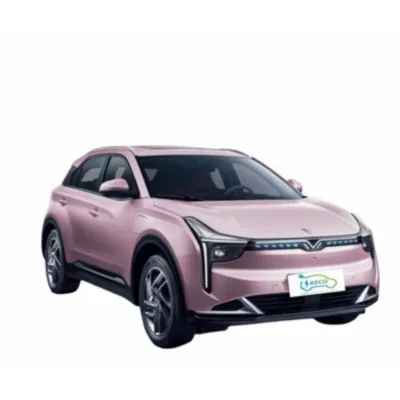
2024 U Fashion Design Fast Charging Ev China Hot Sale High Speed Electric Vehicle
$19800.00 - $21300.00
MOQ: 1 pieces
Comprehensive Sourcing Guide
Strategic Sourcing Guide for Electric Vehicle Procurement
Navigating the global market for electric vehicles (EVs) requires a disciplined approach that balances technical performance, regulatory compliance, and total cost of ownership. The current supply landscape presents a diverse array of options, from compact utility buggies designed for golf courses to larger passenger vehicles with extended range capabilities. Buyers must carefully distinguish between these categories, as the specifications, certifications, and operational requirements vary significantly. This guide outlines the critical factors for sourcing electric vehicles, focusing on the specific attributes observed in the current market to ensure informed decision-making.
Technical Specifications and Performance Metrics
When evaluating electric vehicles, the primary focus must be on the powertrain architecture and performance capabilities. The market offers vehicles with varying motor configurations, including brushless motors and systems combining range extenders with high-efficiency generators. For instance, specific models in the current inventory feature a total powertrain torque of 620, which is a critical metric for heavy-load applications. Buyers should verify the motor type, as brushless motors are common in smaller utility vehicles, while more complex systems may be required for passenger transport.
Battery technology is another fundamental specification. Observed data indicates a range of battery types, from lead-acid batteries to systems utilizing liquid cooling methods. The voltage of the battery is a key differentiator; some units operate at 48V, which is typical for low-speed utility carts, while others may support higher voltage systems for faster acceleration and longer range. The charging infrastructure compatibility is equally important. Charging times observed in the market range from 30 minutes for DC fast charging (20-80% capacity) to 4-8 hours for standard charging cycles. Procurement teams must ensure that the selected vehicle's charging time aligns with the operational schedule of the intended facility.
Performance limits are also strictly defined by physical constraints. Maximum speeds in the observed market range from 20 to 30 km/h for golf course buggies, while other passenger models may reach up to 40 km/h. Acceleration capabilities vary, with some high-performance units achieving 0-100 km/h in 5.3 seconds, a figure that is exceptional for the utility segment but relevant for passenger EVs. Furthermore, gradeability is a crucial safety factor; many utility vehicles are rated for gradients under 20%, which dictates their suitability for hilly terrains. Buyers must match these specifications to the topography of their operating environment to prevent mechanical failure or safety hazards.
Compliance and Certification Verification
Regulatory compliance is non-negotiable in the Electric Vehicle sector. The market displays a wide spectrum of certifications, including CE, ISO, EEC, DOT, CCC, and EPA. The presence of these marks indicates that the vehicle meets specific regional safety and environmental standards. For example, the CE mark is essential for entry into the European market, while the DOT certification is required for road-legal vehicles in the United States. The CCC mark is specific to the Chinese market, and the EPA certification relates to emissions and environmental standards, even for electric vehicles which may have range extenders.
Buyers must verify that the specific model they intend to purchase holds the certifications required for their target market. A vehicle certified only for domestic use in China may not be legally operable in Europe or North America without additional testing and re-certification. The observed data shows that some models carry multiple certifications, such as CE, EEC, and DOT, suggesting a higher level of global compliance readiness. However, the absence of a specific certification in a product listing does not necessarily mean the vehicle is non-compliant; it may simply indicate that the listing has not been updated. Therefore, procurement teams should request official certification documents and verify their validity with the relevant authorities before finalizing a purchase.
Cost Drivers and Pricing Structures
The pricing of electric vehicles is influenced by a complex interplay of factors, including battery capacity, motor power, and the level of customization. The observed price range in the market is vast, spanning from $7 to $67,600. This disparity reflects the difference between basic utility carts and sophisticated passenger vehicles with advanced features. The Minimum Order Quantity (MOQ) also plays a significant role in the unit cost, with observed MOQs ranging from 1 unit to 177 units. Buyers purchasing in bulk can often negotiate better pricing, but they must also consider the storage and logistics costs associated with larger orders.
Additional cost drivers include the type of battery and the charging infrastructure required. Vehicles with liquid-cooled batteries and fast-charging capabilities typically command a higher price point due to the advanced technology involved. Similarly, customization options, such as specific body colors or tailored seating arrangements, can increase the final cost. The packing method is another factor; options range from standard shipping packing to whole vehicle container packing, which affects the shipping cost and the protection of the vehicle during transit. Buyers should conduct a total cost of ownership analysis that includes the initial purchase price, shipping, insurance, and the cost of any necessary infrastructure upgrades.
Typical Applications and Usage Scenarios
Electric vehicles are deployed in a variety of settings, each with unique requirements. The market includes vehicles specifically designed for golf courses, which typically feature a closed body type, green color schemes, and seating suitable for four to six passengers. These vehicles prioritize low speed, high maneuverability, and a quiet operation to maintain the ambiance of the golf course. Other models are designed for general passenger transport, with specifications such as a wheelbase of 3105mm and a maximum load capacity of 150kg. These vehicles are suitable for community shuttles, resort transport, or campus circulation.
The driving type is another critical application factor. Some vehicles are classified as "adult" driving types, implying they are designed for standard road use or semi-off-road environments. The fuel tank capacity of 65L observed in some models suggests the presence of a range extender, allowing for hybrid operation in scenarios where pure electric range is insufficient. This makes them suitable for longer-distance applications where charging infrastructure is sparse. Buyers must clearly define their operational needs, including the terrain, passenger capacity, and daily distance requirements, to select the most appropriate vehicle type.
Supplier Evaluation and Origin Analysis
Evaluating suppliers requires a thorough understanding of their geographic origin and production capabilities. The observed data indicates that manufacturers are located in various regions of China, including Huai'an, Jiangsu, and Fujian. These regions are known for their manufacturing expertise in electric vehicles and related components. The origin of the vehicle can influence the supply chain reliability, lead times, and the availability of spare parts. Buyers should assess the supplier's production capacity and their ability to meet the required MOQs.
The product model numbers, such as GVG4+2, DABEN, or wangjiahui202227060123, serve as unique identifiers for specific configurations. These models often correspond to specific production lines or batches. Buyers should verify the consistency of the model numbers across different listings to ensure they are comparing equivalent products. Additionally, the standard shipping dimensions, such as 230011201600mm or 5218X1998X1800mm, provide insight into the vehicle's size and the logistics requirements for transport. Suppliers with a history of exporting to the buyer's region and a robust after-sales support network are generally preferred.
Quality Control and Long-Term Procurement Considerations
Ensuring the quality of electric vehicles involves rigorous inspection of key components. The frame material, often steel, provides the structural integrity necessary for safety. The braking system is another critical component, with hydraulic disc brakes being a common standard for better stopping power. Some models feature a combination of front drum/disc and rear expansion/drum brakes, which buyers should evaluate based on the vehicle's weight and speed. The wheel size, observed as 14 inches in some cases, affects the ride comfort and stability.
Long-term procurement considerations include the availability of spare parts and the durability of the battery. Lead-acid batteries, while cost-effective, may have a shorter lifespan compared to advanced lithium-ion systems with liquid cooling. Buyers should inquire about the warranty terms for the battery and motor, as these are the most expensive components to replace. The folding mechanism, or lack thereof, is also a consideration for storage space. Some vehicles are designed to be unfolded for use, while others may offer compact storage options. Finally, the customization availability allows buyers to tailor the vehicle to their specific brand or operational needs, ensuring a better fit for their long-term requirements.
Comparative Analysis of Key Specifications
To facilitate decision-making, the following table summarizes the key technical and compliance attributes observed in the current market. This comparison highlights the diversity of options available to buyers.
| Attribute Category | Observation 1 (Utility/Golf) | Observation 2 (Passenger/Extended) | Observation 3 (Standard Utility) |
|---|---|---|---|
| Vehicle Type | Buggy/Golf Cart | Passenger / PHEV | Utility Vehicle |
| Max Speed | 20-30 km/h | 5.3s (0-100km/h) | 20-40 km/h |
| Battery Voltage | 48V | Liquid Cooling | Lead-Acid |
| Certifications | CE, ISO | EEC, DOT, CCC, EPA | ISO, CE |
| Origin | Huai'an, Jiangsu | Chian (China) | Fujian, China |
| Body Type | Closed | Closed | Standard |
| Color | Green | Customized | Customized |
| Packing | Whole Vehicle Container | Standard Shipping | Iron Frame Package |
| Gradeability | <20% | N/A | N/A |
| Motor Type | Brushless | Range Extender + Generator | Brushless |
This table illustrates that there is no single "best" vehicle; the optimal choice depends entirely on the specific application. Buyers must weigh the trade-offs between speed, range, certification, and cost to make an informed decision. By adhering to these guidelines and verifying all specifications against the supplier's documentation, procurement teams can mitigate risks and secure high-quality electric vehicles that meet their operational needs.
FAQs
What certifications are available for these electric vehicles?
Available certifications include CE, ISO, EEC, DOT, CCC, and EPA. Buyers must verify that the specific model holds the certifications required for their target market, as some listings show multiple marks while others may only list domestic standards like CCC.
Can I customize the color and body type of the vehicle?
Customization is available for both color and body type. While some models are observed in green with closed bodies, other listings indicate customized colors and standard body types, allowing buyers to tailor the vehicle to specific operational needs.
What is the typical maximum speed range for these electric vehicles?
Maximum speeds range from 20 to 40 km/h depending on the model. Golf course buggies typically operate between 20 and 30 km/h, while other passenger utility vehicles may reach up to 40 km/h, requiring buyers to match speed to terrain.
How does the battery voltage and charging time vary across models?
Battery voltage is observed at 48V for some units, with charging times ranging from 30 minutes for DC fast charging to 4-8 hours for standard cycles. Buyers should ensure the charging infrastructure aligns with the vehicle's specific battery technology and operational schedule.
Which supplier locations are common for these Electric Vehicle manufacturers?
Manufacturers are commonly located in Huai'an, Jiangsu, and Fujian, China. The origin of the vehicle influences supply chain reliability and lead times, so buyers should assess the supplier's production capacity and ability to meet required minimum order quantities.
What is the price range and minimum order quantity for these vehicles?
The observed price range spans from 7 to 67600 USD with minimum order quantities between 1 and 177 units. Bulk purchasing can often negotiate better pricing, but buyers must also consider storage and logistics costs associated with larger orders.