Source Electrical Thermal Break Retractable Awning for Garden, Balcony, and Pool
Explore 30 listings for the Electrical Thermal Break Retractable Awning designed for gardens, balconies, and swimming pools. Buyers can compare aluminum frame options, remote control features, and weather-resistant polycarbonate panels to find the right solution.
Key considerations
Products List


Wholesale Price Motorized Retractable Awning Adjustable Roof Awning
$70.00 - $90.00
MOQ: 9 Square Meters


Outdoor Restaurant Electric Remote Control Retractable Rainproof Awning
$85.00 - $91.00
MOQ: 10 square meters

Durable Aluminum Structure Customizable Size and Color Replacement Folding Retractable Awning
$85.00 - $91.00
MOQ: 10 square meters


Backyard Roller Awning Electric Patio Motorized Durable Heavy Duty Retractable Roof Awning
$50.00 - $68.00
MOQ: 9 Square Meters


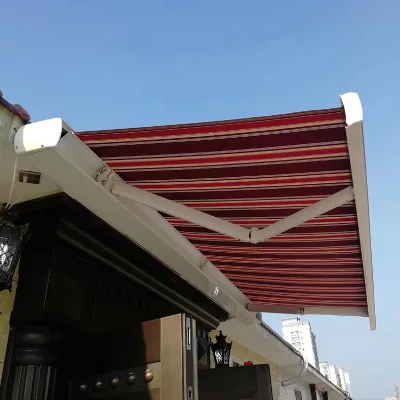


Electric Remote Control Outdoor Shading Waterproof Motorized Retractable Awning
$350.00 - $680.00
MOQ: 1 Sets

Electric, Waterproof Opening Retractable Roof Outdoor Pergola Retractable Awnings
$170.00 - $180.00
MOQ: 2 Square Meters

$170.00 - $180.00
MOQ: 2 Square Meters

Premium Lightweight Retractable Car Awning for Outdoor Adventures Awning
$91.00 - $98.30
MOQ: 30 Pieces

Outdoor Waterproof Aluminum Pergola Roof System Retractable Awning Cover
$238.00 - $278.00
MOQ: 9 Square Meters


New Motorized Snow Defence Retractable Roof Awning with Aluminum Frame
$50.00 - $68.00
MOQ: 1 Square Meters




Comprehensive Sourcing Guide
Strategic Sourcing Guide for Electrical Thermal Break Retractable Awnings
The global market for electrical thermal break retractable awnings has evolved into a sophisticated segment of the outdoor construction and commercial shading industry. Buyers seeking these systems must navigate a complex landscape of material science, electrical engineering, and compliance standards. Unlike standard fabric canopies, thermal break awnings are engineered to minimize heat transfer, offering superior insulation and energy efficiency for residential and commercial applications. This guide provides a disciplined approach to sourcing these high-performance units, grounded in verified product attributes and industry best practices.
Technical Specifications and Material Architecture
Understanding the core technical architecture is the first step in defining procurement requirements. The structural integrity of a thermal break awning relies heavily on the frame material. Verified product data indicates that high-performance units frequently utilize Aluminum or Aluminum Alloy frames. These materials are selected for their inherent resistance to corrosion, high strength-to-weight ratio, and ability to be extruded with thermal break channels. The thermal break itself is a critical design feature that interrupts the conductive path of the metal frame, preventing heat from transferring from the exterior to the interior environment.
The covering material is equally significant. While some market entries list Polyester with weights such as 850g/S.Qm, others specify Acrylic or Polycarbonate panels. For electrical retractable systems, the fabric must be durable and capable of withstanding motorized tension cycles. Product observations note the availability of Silicone Waterproof LED strips, suggesting that integrated lighting is a common customization. The waterproofing index is a vital metric; verified data points to an outer tent waterproof index exceeding 3000mm, a standard benchmark for heavy-duty weather resistance.
The operation method for these units is predominantly motorized, utilizing remote control switches or fixed control systems. The sensor systems available often include rain and wind sensors, which are essential for automated protection against adverse weather. These sensors detect precipitation or high wind speeds and automatically retract the awning to prevent structural damage. The size specifications vary widely, ranging from standard dimensions like 5x7 meters to fully customized sizes, allowing for precise integration into diverse architectural footprints.
Compliance, Certification, and Safety Standards
Procurement of electrical awnings requires rigorous verification of compliance with international safety and quality standards. The electrical components, including motors and control units, must adhere to specific regional safety regulations. Verified product listings explicitly mention CE Certification, indicating compliance with European health, safety, and environmental protection standards. Buyers should verify that the electrical systems used in the awning motors carry appropriate certifications for their target market, such as UL for North America or IEC standards for international deployment.
Material standards are another critical area of verification. The supply chain for aluminum frames often references standards such as JIS, GB, EN, and ASTM. These standards govern the chemical composition, mechanical properties, and dimensional tolerances of the aluminum alloy used. For the fabric components, standards may vary based on the material type, with PVC-coated fabrics and polyester sails subject to different testing protocols. Buyers must ensure that the supplier can provide test reports confirming that the materials meet the referenced standards for hardness, tensile strength, and UV resistance.
Furthermore, the "thermal break" aspect of the awning implies a specific engineering standard regarding thermal conductivity. While specific numerical R-values may not be universally listed in all product catalogs, the presence of a thermal break design is a qualitative claim that must be substantiated by engineering drawings or third-party thermal performance tests. Buyers should request documentation proving the effectiveness of the thermal barrier in the frame profile to ensure the product delivers on its energy-saving promises.
Cost Drivers and Pricing Dynamics
The pricing of electrical thermal break retractable awnings is influenced by a complex interplay of factors. The observed market price range spans from approximately $50 to nearly $3,500, reflecting the vast difference between simple manual units and complex, motorized, custom-engineered systems. Several key drivers dictate where a specific product falls within this range.
First, the complexity of the motorization system significantly impacts cost. Units equipped with advanced sensor systems, remote controls, and integrated LED lighting strips command higher prices than those with basic fixed controls. Second, the material quality of the frame and covering is a primary cost determinant. Aluminum alloy frames with thermal breaks are more expensive than standard aluminum extrusions. Similarly, high-grade acrylic or PVC-coated polyester fabrics with high waterproof indices cost more than standard polyester options.
Third, customization plays a major role. While standard sizes like 5x7 meters may be available at lower price points, customized dimensions require unique tooling and manufacturing processes, increasing the unit cost. The packaging method, ranging from simple cartons to poly-wooden boxes, also adds to the final price, particularly for international shipping where protection against damage is critical. Finally, the Minimum Order Quantity (MOQ) affects the unit price. Verified data shows an MOQ of 10 square meters for certain configurations, while other listings indicate an MOQ of 1 unit. Buyers purchasing in bulk can often negotiate better pricing, but small orders may incur a premium per square meter.
Typical Applications and Functional Requirements
The versatility of electrical thermal break awnings makes them suitable for a wide array of applications. Verified product attributes list applications including gardens, supermarkets, balconies, swimming pools, patios, cottages, courtyards, and beaches. In residential settings, these awnings provide shade and thermal insulation for balconies and patios, reducing the cooling load on the building. The thermal break feature is particularly beneficial in climates with extreme temperature variations, as it helps maintain a stable indoor temperature.
Commercial applications, such as supermarkets and poolside areas, benefit from the durability and weather resistance of these systems. The ability to retract the awning allows for flexibility in space usage; for instance, a poolside area can be fully exposed to sunlight when the awning is retracted and fully shaded when extended. The waterproofing and wind resistance capabilities ensure that these areas remain usable even during intermittent rain or moderate wind events, provided the sensor systems function correctly.
The "removable cover" feature mentioned in product data suggests that maintenance and cleaning are simplified, a crucial factor for commercial operators who require high uptime and low maintenance costs. Additionally, the availability of specific color options, such as chocolate and lavender, allows for aesthetic customization to match the architectural style of the building or the branding of a commercial venue.
Supplier Evaluation and Verification Protocols
Selecting the right supplier requires a disciplined evaluation process that goes beyond price comparison. Buyers should prioritize suppliers who can provide transparent documentation regarding their manufacturing processes and quality control measures. The origin of the product is a significant factor; verified data indicates that many of these awnings originate from regions in China, such as Tianjin and Guangxi. While these regions have robust manufacturing capabilities, buyers must verify the specific factory's track record and capacity.
When evaluating a supplier, request detailed technical datasheets that confirm the frame material (Aluminum vs. Aluminum Alloy), the specific type of fabric (Polyester, Acrylic, or Polycarbonate), and the waterproof index. Verify the presence of CE Certification and any other relevant safety certifications for the electrical components. Ask for references from previous clients who have installed similar systems in comparable environments.
The packaging method is also an indicator of supplier professionalism. Listings mentioning "Cartons and Poly-Wooden Box" or "Wooden Box" suggest a commitment to protecting the product during transit. Inquire about the supplier's ability to handle custom orders, including lead times for non-standard sizes and the process for approving design prototypes. A reliable supplier will be transparent about their production capacity and their ability to meet specific project deadlines.
Quality Control and Long-Term Procurement Considerations
Ensuring long-term performance requires a focus on quality control (QC) protocols. Buyers should insist on pre-shipment inspections that verify the structural integrity of the frame, the smooth operation of the motor, and the effectiveness of the sensor systems. The "Hardness" attribute listed as "Full Hard" suggests a specific metallurgical treatment, which should be verified through material test reports. For the fabric, check for consistency in the coating process, such as PVC coating or the lack thereof, as this affects durability and color fastness.
Long-term procurement considerations include the availability of spare parts and the warranty terms. The motor and control systems are the most likely components to require maintenance or replacement over time. Ensure that the supplier offers a clear warranty policy that covers both the mechanical structure and the electrical components. Additionally, verify the supplier's ability to provide technical support for troubleshooting sensor issues or motor malfunctions.
The standardization of the product is another consideration. While some listings use "meter" as the standard unit, others reference specific model numbers like "01" or "ZF01026." Buyers should ensure that the product specifications are standardized enough to allow for easy replacement of parts in the future. Customization should be balanced against the risk of obsolescence; highly unique designs may be difficult to service if the supplier ceases operations.
Comparative Analysis of Product Attributes
To assist in decision-making, the following table summarizes key product attributes observed in the market for electrical thermal break retractable awnings. This comparison highlights the variability in specifications that buyers must navigate.
| Attribute Category | Observed Variations | Procurement Implication |
|---|---|---|
| Frame Material | Aluminum, Aluminum Alloy | Verify alloy grade for thermal break efficiency and corrosion resistance. |
| Covering Material | Polyester, Acrylic, Polycarbonate | Select based on UV resistance needs and aesthetic preferences. |
| Waterproof Index | >3000mm | Essential for heavy rain regions; verify via test reports. |
| Control System | Remote Control, Motor Control, Fixed | Ensure compatibility with existing building automation or user preference. |
| Sensor Systems | Rain, Wind Sensors | Critical for automated protection; verify sensor sensitivity and reliability. |
| Certification | CE Certification | Mandatory for European markets; verify electrical safety compliance. |
| Origin | Tianjin, China; Guangxi, China | Assess logistics costs and lead times based on specific port of origin. |
| MOQ | 1 to 1000 units | Negotiate pricing tiers based on order volume and project scale. |
| Customization | Available (Size, Color, Model) | Confirm lead times for custom dimensions and color matching. |
Final Procurement Recommendations
Sourcing electrical thermal break retractable awnings requires a balance of technical due diligence and strategic supplier selection. Buyers must prioritize products that offer verified certifications, robust material specifications, and reliable sensor systems. The wide range of prices and specifications available in the market necessitates a clear definition of project requirements before engaging with suppliers. By focusing on the technical attributes of the frame, the durability of the fabric, and the reliability of the electrical components, buyers can secure high-performance awnings that meet their functional and aesthetic needs.
Ultimately, the success of the procurement lies in the ability to verify claims against evidence. Whether the project involves a single residential balcony or a large commercial supermarket, the principles of quality control, compliance verification, and long-term support remain constant. Buyers should approach each potential supplier with a checklist of verified requirements, ensuring that the final product delivers on the promise of thermal efficiency, weather resistance, and operational reliability.
FAQs
What frame materials are used for these awnings?
These awnings typically use Aluminum or Aluminum Alloy frames for durability. The material offers high strength and corrosion resistance, often meeting JIS, GB, EN, and ASTM standards for structural integrity.
How are the awnings controlled during operation?
Most units feature remote control switches or motor control systems for easy operation. Some models include fixed controls, while advanced versions integrate rain and wind sensors for automated safety retraction.
Can the awning size be customized for my project?
Yes, customization is available for specific project needs beyond standard dimensions. Buyers can request sizes like 5x7 meters or fully customized dimensions to fit unique architectural footprints.
What certifications do these awning products hold?
Verified products carry CE Certification to ensure compliance with European safety standards. This certification covers the electrical components and structural safety required for international deployment.
What is the minimum order quantity for purchasing?
The minimum order quantity is typically 10 square meters for specific configurations. However, some listings indicate an MOQ of just 1 unit for single-item purchases depending on the supplier.
Which waterproofing standards apply to the fabric?
The outer tent waterproof index exceeds 3000mm for heavy-duty weather resistance. Materials like polyester or acrylic are often PVC coated to ensure effective waterproofing and durability.
Where are these awnings manufactured and shipped from?
Products originate from manufacturing hubs in China, specifically Tianjin and Guangxi. The packaging usually involves cartons and poly-wooden boxes to ensure safe transit of the aluminum frames.