Source Electrical Removable Dental Simulator for Teaching
Find 30 Electrical Removable Dental Simulator options for dental teaching and clinical training. Compare models from HB Dental and Umg, noting features like manual or electric control, CE certification, and stainless steel construction to select the right unit for your clinic or school.
Key considerations
Products List

Dental Equipment Electrical Dental Simulation Practice System Dental Simulator
$3800.00 - $4500.00
MOQ: 5 Pieces
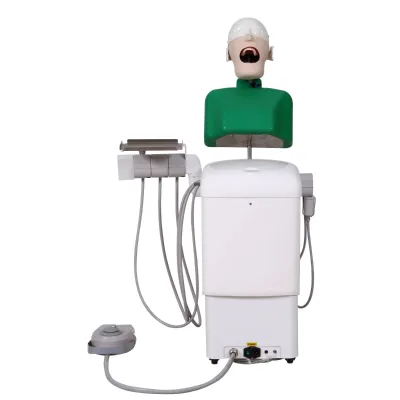
$1500.00 - $2300.00
MOQ: 1 Minimum

Professional Dental Practice System Electrical Control Dental Simulator
$1450.00 - $1600.00
MOQ: 1 Sets


Advanced Dental Training Simulator with Electrical Control Technology
$2000.00 - $2800.00
MOQ: 1 Pieces

Advanced Dental Simulation Training Simulator with Electrical Control
$2000.00 - $2800.00
MOQ: 1 Pieces


Dental Simulator for Education and Test, Dental Phantom Head Training Simulator
$2000.00 - $2800.00
MOQ: 1 Pieces


Medical Equipment Dental Simulator with Electrical Control for Student Training
$990.00 - $3900.00
MOQ: 1 Pieces

Dental Pre-Clinical Training Unit Simulator Movable Electrical for School Training
$990.00 - $3900.00
MOQ: 1 Pieces


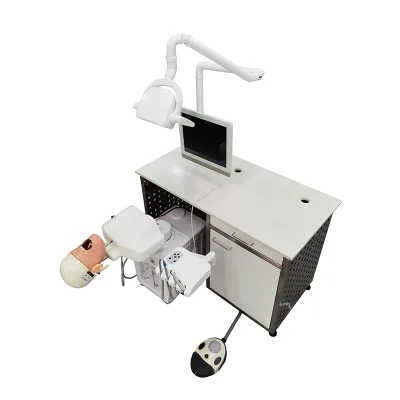
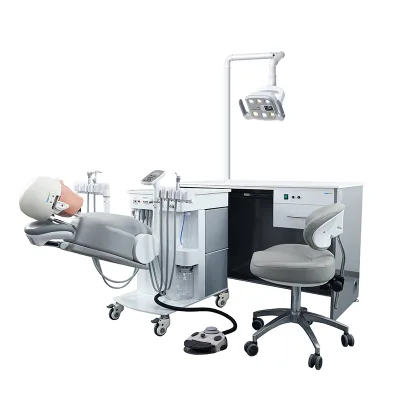
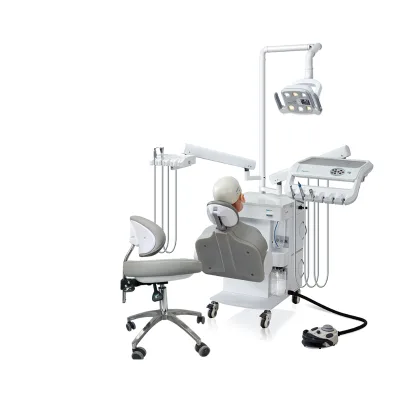
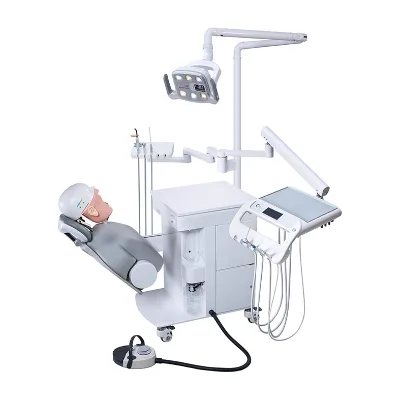
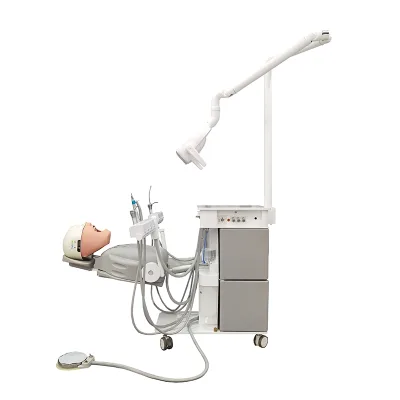


Dental Patient Training Simulator Unit Oral Teaching Simulation Practice Simulator
$1850.00 - $2600.00
MOQ: 1 Pieces


Detachable Dentist Dental Training Simulator with High Quality Units
$1850.00 - $2600.00
MOQ: 1 Pieces

Treatment Simulation Practice Movable Dental Simulator Can Use for Longtime
$1465.00 - $1670.00
MOQ: 1 Pieces

Cheap Detachable Dental Patient Simulator, High Quality and Best Price
$1850.00 - $2600.00
MOQ: 1 Pieces
Comprehensive Sourcing Guide
Electrical Removable Dental Simulator Sourcing Guide
Procuring an Electrical Removable Dental Simulator requires a careful balance between mechanical fidelity and digital integration capabilities. Buyers must first define whether the unit serves primarily for basic anatomical training or advanced procedural simulation involving digital workflows. The market offers various configurations, from manual handpieces to electrically controlled units with integrated sensors. Understanding the specific pedagogical goals of your institution is crucial, as it dictates the necessary interface complexity and power requirements.
The term "removable" often refers to the modularity of the phantom head or the ability to swap training modules, rather than the entire unit being portable. This distinction impacts shipping logistics and installation requirements significantly. Heavy-duty units may weigh over 100kg, necessitating reinforced flooring and specialized handling equipment. Conversely, lighter, benchtop models offer flexibility for multi-purpose classrooms. Evaluating the physical footprint and weight specifications early in the sourcing process prevents costly facility modifications and ensures the equipment fits seamlessly into existing laboratory layouts.
Product Scope and Observed Listing Signals
Market listings for dental simulators reveal a diverse range of product types, including anatomical models, teaching simulators, and full simulation units. Observed data indicates a price range between $990 and $4,500 USD, reflecting variations in automation level and brand reputation. Minimum order quantities typically start at one set, allowing institutions to pilot single units before committing to larger fleet purchases. This low entry barrier facilitates comparative testing across different suppliers to determine which model best aligns with specific curriculum needs.
The observed product attributes highlight significant variability in power sources, with options ranging from manual operation to electrical control systems. Some listings specify interfaces with four holes for handpiece attachment, while others emphasize custom color options or specific packaging like wooden boxes for heavy units. These signals suggest that buyers should not assume uniformity across all listings. Instead, they must scrutinize individual product descriptions to verify if the electrical components are integrated into the main console or if the simulator relies on external power supplies for handpiece operation.
Technical Specifications to Verify
Verifying the power source is a critical technical step, as some simulators are manual while others feature electrical control systems. Buyers must confirm whether the electrical components drive the handpiece rotation, suction, or water spray, or if they only power digital interfaces. The presence of specific interface configurations, such as four-hole setups, dictates compatibility with standard dental handpieces. Additionally, the model number and physical dimensions, such as a standard size of 250x600mm, must be checked to ensure the unit fits within designated laboratory spaces and aligns with existing infrastructure.
Material composition and weight are equally important for durability and stability. Stainless steel construction is common for high-wear components, offering resistance to corrosion and frequent cleaning agents. However, heavier units, potentially weighing up to 130kg, provide greater stability during vigorous drilling exercises but require robust support structures. Buyers should also verify the condition of the product, ensuring it is new and includes all necessary accessories. The inclusion of free spare parts and a one-year warranty can significantly reduce long-term maintenance costs and downtime.
Compliance and Safety Documentation
Safety compliance is non-negotiable for medical and educational equipment. Buyers must verify that the simulator holds relevant certifications, such as CE and ISO marks, which indicate adherence to European and international quality and safety standards. These certifications ensure that the electrical components meet rigorous safety protocols, reducing the risk of electrical shock or mechanical failure during student use. Documentation should clearly state the instrument classification, with many simulators falling under Class II, requiring specific regulatory oversight.
In addition to product certifications, buyers should request detailed safety manuals and risk assessments provided by the supplier. These documents outline proper operating procedures, emergency shutdown protocols, and maintenance schedules to ensure ongoing compliance. It is also essential to verify that the electrical controls are properly grounded and that all moving parts are shielded to prevent injury. Ensuring that the supplier provides comprehensive safety documentation helps institutions maintain a safe learning environment and meet institutional health and safety regulations.
Cost Drivers and Commercial Terms
Several factors influence the final cost of a dental simulator, including the level of automation, material quality, and brand reputation. Electrical control systems and integrated digital interfaces typically command higher prices than manual counterparts. The supply ability of the manufacturer, often cited as 100 units per month, can also impact pricing through economies of scale. Buyers should consider the total cost of ownership, which includes shipping, installation, and potential customs duties, especially when sourcing from international locations like Jiangsu or Hebei in China.
Commercial terms such as warranty duration and after-sales service play a significant role in the overall value proposition. A one-year warranty with free spare parts is a common offering that mitigates initial repair costs. Buyers should also inquire about the port of dispatch, with Shanghai being a frequent origin point, as this affects shipping times and logistics costs. Clear agreements on packaging details, such as the use of plywood boxes or cartons, are essential to prevent damage during transit and ensure the equipment arrives in optimal condition.
Supplier Qualification and Quality Control
Evaluating supplier qualifications is essential to ensure the reliability and longevity of the purchased simulators. Buyers should verify the supplier's production capacity and history, looking for manufacturers with established track records in the dental education sector. The place of origin, whether in Jiangsu or Hebei, can provide insights into the local industrial ecosystem and supply chain efficiency. Requesting references from other educational institutions that have previously purchased from the supplier can offer valuable insights into product performance and customer support quality.
Quality control processes should be transparent and rigorous. Buyers should ask for details on the manufacturing standards and testing procedures employed by the supplier. Ensuring that each unit undergoes functional testing before dispatch is crucial to prevent receiving defective products. Additionally, verifying the supplier's ability to provide customized solutions, such as specific color options or interface modifications, can enhance the suitability of the simulator for your specific curriculum. A supplier with strong quality control measures reduces the risk of costly returns and ensures consistent performance across all units.
Long-Term Procurement Checks
Long-term success with dental simulators depends on the availability of spare parts and ongoing technical support. Buyers should confirm the supplier's commitment to providing spare parts for at least five to ten years, as obsolescence can render expensive equipment unusable. The shelf life of certain components, such as rubber teeth or digital sensors, should also be considered to plan for periodic replacements. Establishing a clear channel for technical support and troubleshooting is vital to minimize downtime during critical teaching periods.
Regular maintenance and calibration are necessary to maintain the accuracy and safety of the simulator. Buyers should develop a maintenance schedule that includes cleaning, lubrication, and electrical safety checks. Partnering with a supplier who offers training on proper maintenance procedures can extend the lifespan of the equipment. Additionally, staying informed about technological advancements in dental simulation can help institutions plan for future upgrades or replacements, ensuring that their training facilities remain current and effective.
FAQs
What certifications do electrical removable dental simulators have?
These simulators typically carry CE and ISO certifications to ensure safety and compliance. The product facts confirm CE and ISO certificates are available for models like UMG-II and JRDA-HV03. Buyers should verify specific documentation for each unit to meet local regulatory requirements before purchase.
Can I customize the color of the dental simulator?
Yes, customization is available for the color of these dental simulators. The product attributes list custom color options alongside standard white finishes. Buyers can request specific color preferences to match their clinic or school branding, subject to the manufacturer's customization capabilities and lead times.
What is the minimum order quantity for these units?
The minimum order quantity ranges from one set to five units depending on the supplier. Some listings show an MOQ of one set, while others indicate a range up to five. Buyers should confirm the specific MOQ with the vendor to ensure it fits their procurement budget and needs.
How are these simulators packaged for international shipping?
Packaging varies between carton boxes and wooden crates for protection during transit. Facts indicate options include plywood boxes, wooden boxes, or standard cartons depending on the model. This ensures the heavy metal units arrive safely at hospitals, clinics, or schools in China or abroad.
Which departments can use these dental simulators?
These simulators are designed for use in oral surgery, dental areas, and educational settings. The applicable departments include hospitals, clinics, and schools for dental teaching purposes. They serve as essential tools for training students and practicing procedures in a controlled environment.
What is the warranty period for the dental simulator?
The standard warranty period is one year for most electrical removable dental simulators. Product details confirm a one-year warranty and free spare parts availability after purchase. This coverage helps protect buyers against manufacturing defects and ensures long-term reliability for their teaching or clinical operations.