Source Electroplating Fiberglass Dog Sculpture for Home, Garden, and Business
Compare 30 Electroplating Fiberglass Dog Sculpture options from verified suppliers. Buyers can evaluate sizes, weights, and customization services for home decoration, outdoor displays, and business gifts. Explore various models including life size doberman dogs statue and animal sculpture styles with handmade carved features.
Key considerations
Products List
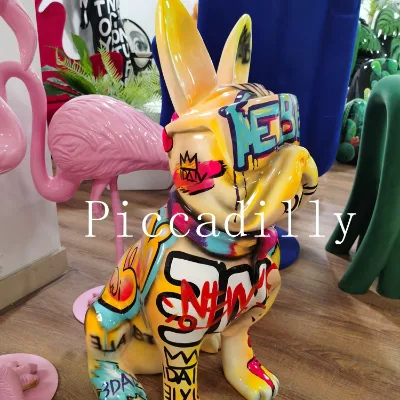
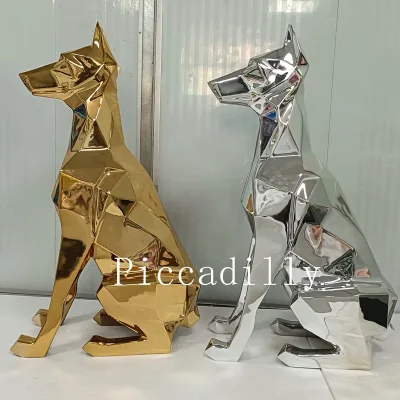


Famous Design Decoration Fiberglass Electroplating Color Popeye Sculpture
$500.00 - $2000.00
MOQ: 1 Pieces


Custom Fiberglass Dog Sculpture Pet Store Decoration OEM Service Factory Price
$80.00 - $100.00
MOQ: 1 Pieces


Custom Outdoor Resin Sculpture Animal Dog Garden Decoration Fiberglass Statue
$450.00 - $3500.00
MOQ: 1 Pieces

Stainless Steel Custom Life Size Metal Dog Sculpture Stainless Steel Sculpture
$850.00 - $3500.00
MOQ: 1 Pieces

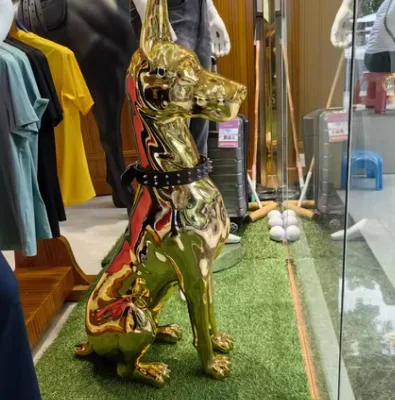


Outdoor Ornament Decoration Life Size Fiberglass Squirrel Animal Sculpture
$199.00 - $399.00
MOQ: 1 Pieces

Cheap Price Fiberglass Animal Sculpture Resin Elephant Statue for Sale
$200.00 - $2000.00
MOQ: 1 Pieces


Factory Price Fiberglass Animal Elephant Sculpture Poly-Resin Statue for Sale
$200.00 - $2000.00
MOQ: 1 Pieces


Garden Modern Abstract Metal Sculptures Stainless Steel Balloon Dog Sculpture
$650.00 - $2000.00
MOQ: 1 Pieces

Factory Supplier Fiberglass Bull Dog Animal Sculpture for Outdoor Decor
$700.00 - $3000.00
MOQ: 1 Pieces


Comprehensive Sourcing Guide
Electroplating Fiberglass Dog Sculpture Sourcing Guide
Procuring electroplating fiberglass dog sculptures requires a nuanced understanding of material durability and aesthetic finish, particularly for high-visibility commercial or residential installations. The core keyword highlights a specific intersection of advanced surface treatment and lightweight structural composites, offering buyers a balance between the visual impact of metal and the practicality of resin-based manufacturing. This guide focuses on evidence-based sourcing strategies, ensuring that procurement teams can navigate the complexities of custom fabrication, quality assurance, and logistical planning without relying on unverified supplier claims.
Buyers must recognize that "electroplating" on fiberglass is a specialized process that differs significantly from traditional metal casting or solid resin production. The finish provides a metallic sheen and enhanced weather resistance, but it demands rigorous inspection to prevent peeling or corrosion at stress points. This guide outlines the critical verification steps, from material composition to surface treatment integrity, enabling purchasers to make informed decisions that align with their project’s aesthetic goals and long-term maintenance requirements.
Product Scope and Observed Listing Signals
The observed market signals indicate a diverse range of product attributes, with item names ranging from generic "painting dog sculpture" to specific "life size Doberman dogs statue." This variation suggests that suppliers offer both standard catalog items and highly customized solutions, requiring buyers to clearly define their specifications before engaging with vendors. The presence of multiple model numbers, such as HIDHJ02960 and 1088, further underscores the need for precise identification to avoid receiving mismatched designs or sizes, especially when dealing with international suppliers who may use internal coding systems that differ from industry standards.
Size specifications vary widely, with observed dimensions including 50cm, 60x60x60 cm packages, and standard heights of 130cm, 150cm, and 180cm. This range allows for flexibility in placement, from tabletop decor to large-scale outdoor installations, but it also introduces complexity in logistics and structural support planning. Buyers should note that weight observations range from 4.100 kg for smaller packaged units to 30-50KG for larger sculptures, which directly impacts shipping costs and the need for reinforced flooring or mounting hardware in the final installation environment.
Technical Specifications to Verify
Material composition is a primary verification point, as listings indicate the use of both pure resin and fiberglass-reinforced plastic (FRP). Fiberglass offers superior tensile strength and impact resistance, making it ideal for outdoor applications where wind load and physical durability are concerns. Buyers must confirm the resin-to-fiber ratio and the quality of the gel coat layer, as these factors determine the sculpture’s longevity and resistance to UV degradation. The surface treatment options, including polishing, painting, and electroplating, each require different maintenance protocols, so understanding the specific finish applied is crucial for long-term care planning.
Dimensional accuracy and structural integrity are equally critical, with observed standards citing specific heights and lengths. Buyers should request detailed technical drawings or 3D design files, which are listed as available services, to verify scale and proportion before production begins. The electroplating process, in particular, requires a smooth, defect-free substrate to ensure an even metallic finish; any imperfections in the fiberglass mold will be amplified in the final product. Additionally, the weight distribution and internal armoring must be assessed to prevent tipping or structural failure, especially for life-size figures intended for public spaces.
Compliance and Safety Documentation
Safety compliance is paramount, particularly for sculptures intended for outdoor or high-traffic indoor environments. Buyers should verify that the materials used, including the resin, fiberglass, and electroplating chemicals, meet relevant environmental and health standards, such as REACH or RoHS, depending on the destination market. Although specific certification statuses are not provided in the observed data, reputable suppliers should be able to provide Material Safety Data Sheets (MSDS) for all components, ensuring that no hazardous substances are leaching from the finish or the core material over time.
Structural safety documentation is also essential, especially for large-scale installations. Buyers must ensure that the supplier provides engineering calculations or load-bearing assessments for sculptures exceeding standard sizes, such as those at 150cm or 180cm height. This includes verifying the integrity of the internal steel armature, if present, and the quality of the mounting points. For outdoor installations, wind load resistance and seismic stability may need to be addressed, requiring additional documentation or third-party engineering reviews to ensure the sculpture remains secure under extreme weather conditions.
Cost Drivers and Commercial Terms
Cost drivers for electroplating fiberglass dog sculptures are primarily influenced by size, complexity, and the quality of the surface finish. Larger sculptures require more material and labor, while intricate designs, such as detailed fur textures or dynamic poses, increase production time and cost. The electroplating process itself is more expensive than standard painting due to the specialized equipment and skilled labor required, so buyers should expect a premium for metallic finishes. Additionally, customization services, such as 3D design and bespoke sizing, add significant value but also increase the overall project cost.
Commercial terms should be clearly defined, including payment schedules, shipping responsibilities, and warranty coverage. Observed packing methods, such as strong wooden crates or cartons with plastic film, indicate a focus on protecting the fragile electroplated surface during transit, but buyers should confirm who bears the risk of damage during shipping. Lead times can vary significantly based on the level of customization and the supplier’s current workload, so establishing a clear production timeline is essential. Buyers should also inquire about after-sales support, including installation services and repair options, to mitigate long-term risks.
Supplier Qualification and Quality Control
Supplier qualification should begin with a thorough review of their manufacturing capabilities and quality control processes. Buyers should verify that the supplier has experience in producing fiberglass sculptures with electroplated finishes, as this requires specialized expertise to avoid common defects like delamination or uneven plating. Requesting references or case studies of previous projects can provide insight into the supplier’s reliability and the durability of their products over time. Additionally, checking for relevant business licenses and export certifications can help ensure that the supplier is legitimate and compliant with international trade regulations.
Quality control measures should be implemented at multiple stages of production, from mold creation to final finishing. Buyers should insist on pre-shipment inspections, either conducted in-house or by a third-party agency, to verify that the sculpture meets all specified dimensions, color, and finish requirements. The electroplated surface should be checked for bubbles, scratches, or discoloration, and the structural integrity should be tested for stability. Establishing a clear acceptance criteria document before production begins can help prevent disputes and ensure that the final product aligns with the buyer’s expectations.
Long-Term Procurement Checks
Long-term procurement success depends on establishing a sustainable relationship with suppliers who can consistently deliver high-quality products. Buyers should conduct periodic performance reviews, assessing factors such as on-time delivery, product consistency, and responsiveness to issues. Building a pipeline of qualified suppliers can reduce risk and provide leverage in negotiations, especially for large or recurring orders. Additionally, staying informed about industry trends and new technologies in fiberglass and electroplating can help buyers identify opportunities for cost savings or aesthetic improvements in future projects.
Maintenance and lifecycle management are also critical considerations for long-term procurement. Buyers should develop a maintenance plan that includes regular cleaning, inspection for wear and tear, and timely repairs to preserve the electroplated finish. Understanding the environmental conditions of the installation site, such as exposure to salt air or extreme temperatures, can help predict potential degradation and inform maintenance schedules. By proactively managing the lifecycle of the sculpture, buyers can maximize its value and ensure that it continues to meet aesthetic and functional requirements for years to come.
FAQs
Can electroplating fiberglass dog sculptures be customized for specific sizes?
Yes, customization is available for these resin and fiberglass sculptures. Buyers can request specific dimensions such as 50cm, 75cm, 150cm, or 180cm heights. The manufacturing process supports tailored designs, allowing for unique specifications to meet distinct decorative or collection requirements for various indoor or outdoor settings.
What materials are used in electroplating fiberglass dog sculptures?
These sculptures are primarily crafted from resin and fiberglass. The surface undergoes electroplating to achieve metallic finishes like silver or gold. This combination ensures durability and a high-quality aesthetic, making them suitable for art collections, home decoration, and business gifts while maintaining a polished, hand-carved appearance.
How are electroplating fiberglass dog sculptures packaged for shipping?
They are packed in strong wooden crates or wooden cartons with plastic film inside. This robust packaging protects the polished surface during transit. The method ensures safe delivery for heavy items weighing up to 50kg, preventing damage to the intricate details and electroplated finish during international shipping logistics.
What services are provided for large electroplating fiberglass dog sculptures?
Services include customized design, installation support, and door-to-door shipping. Buyers can access 3D design options for bespoke projects. Installation services assist with placement, while comprehensive shipping ensures the sculpture arrives safely. These services cater to both individual collectors and commercial clients requiring professional handling and setup assistance.
Where are electroplating fiberglass dog sculptures manufactured?
These sculptures originate from China, specifically from regions like Hainan and Hebei Province. Manufacturers in these areas specialize in producing high-quality resin and fiberglass art. The production leverages local expertise in carving and electroplating to create detailed animal statues that meet international standards for art and home decoration.
What is the typical weight of a life-size Electroplating Fiberglass Dog Sculpture?
The weight varies by size, ranging from approximately 4.1kg for smaller models to 30-50kg for larger life-size statues. Heavier sculptures, such as those around 180cm in height, require sturdy wooden packaging. Buyers should consider weight when planning installation or shipping logistics for these substantial decorative pieces.