Source Electrostatic ULV Pesticide Fogging Machine for Farm, Garden, Greenhouse
Find and compare 30 Electrostatic ULV Pesticide Fogging Machine options from verified suppliers. Evaluate key specifications such as tank capacity, battery power, and spray distance to select the right equipment for agricultural disinfection, garden maintenance, and greenhouse cleaning tasks; compare the available evidence and request quotations based on your requirements.
Key considerations
Products List
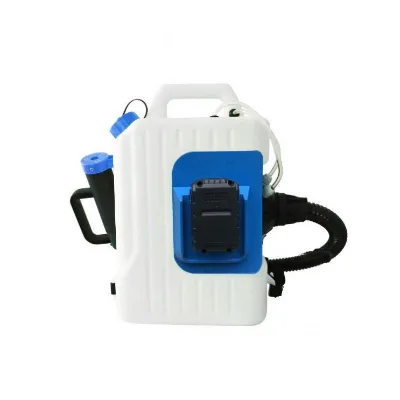
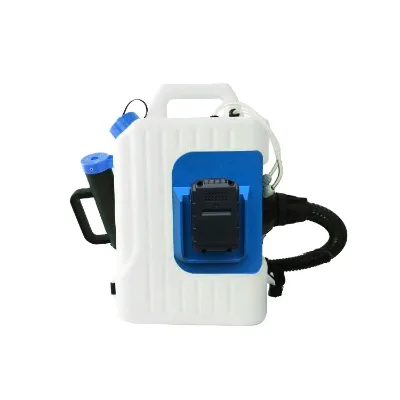
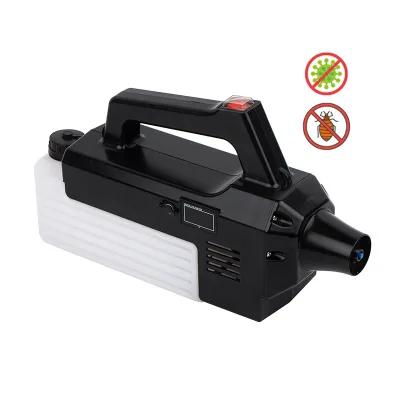
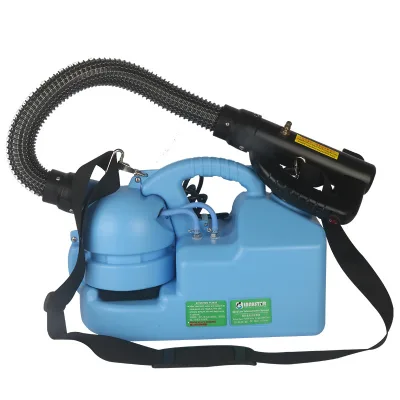
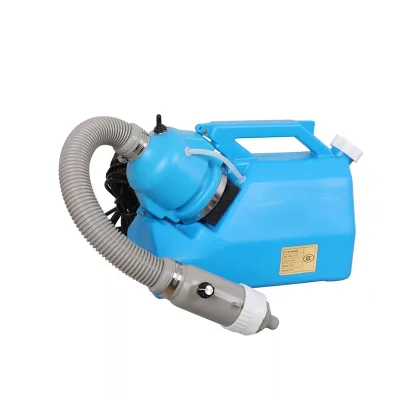
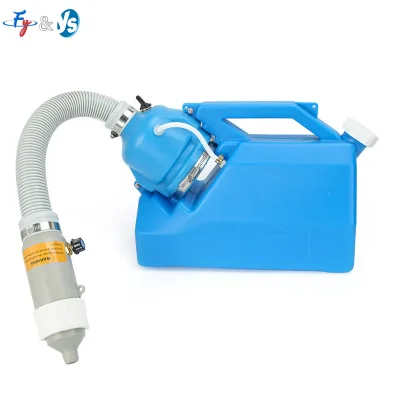

Electric Virus Disinfection Ulv Cold Fogger Low Capacity Sprayer Cold Fogging Machine
$67.00 - $139.00
MOQ: 50 Pieces


Mini Mist Fogger Electrostatic Ultra Low Volume Fogger Electric Ulv Fogger Sprayer
$85.00 - $100.00
MOQ: 30 Pieces


Battery Electrostatic Sprayer Ulv Fogger Electric Battery Cold Electrostatic Fogger
$340.00 - $380.00
MOQ: 20 Pieces

7L Electric Ulv Sprayer Mini Disinfecting Fogging Sprayer Ulv Cold Fogger Sprayer
$65.00 - $200.00
MOQ: 30 Pieces

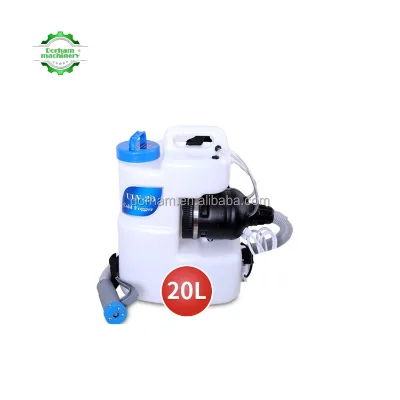


Portable Electric Ulv Infection Smoke Machine Sprayer Cold Fogger Machine
$30.00 - $55.00
MOQ: 100 Pieces

Portable Pest Control Disinfectanted Sprayer Electric Ulv Cold Fogger Machine
$4.20 - $5.50
MOQ: 100 Pieces

16L 1400W Electrostatic Ulv Cold Fogger Sprayer Fogging Machine for Public Disinfection
$35.00 - $60.00
MOQ: 200 Pieces

Portable 4.5L Ulv Electric Sprayer Fogger/Fogging Machine Environment Disinfection Machine
$62.00 - $69.00
MOQ: 200 Pieces


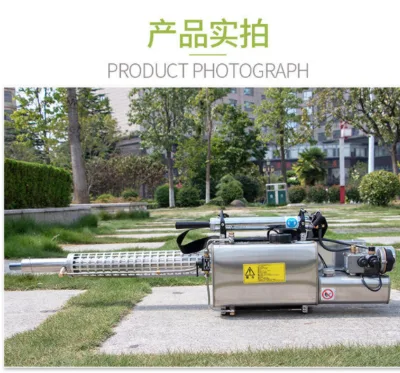


110V/220V Electric Ulv Fogger Sprayer Cold Fogging Machine Virus Disinfection
$90.00 - $95.00
MOQ: 1 Pieces
Comprehensive Sourcing Guide
Electrostatic ULV Pesticide Fogging Machine Sourcing Guide
Buyers must first distinguish between battery-operated knapsack units and electric-powered models when evaluating electrostatic ULV foggers. The observed market data indicates a significant variance in power sources, ranging from 24V lithium batteries to standard 110V or 220V electric inputs. This distinction dictates the operational environment, as battery units offer mobility for large agricultural fields while electric models may require fixed power access or generators for continuous greenhouse disinfection.
Procurement decisions should also account for the specific tank capacities and spray distances observed in current listings. Products range from compact 2-liter units suitable for small garden applications to robust 16-liter tanks designed for extensive farm or greenhouse coverage. Understanding these physical constraints is essential for matching the equipment to the intended application, whether it involves fine misting for insecticide distribution or high-efficiency cleaning for larger commercial spaces.
Product Scope and Observed Listing Signals
The current market listings reveal a diverse range of product names and configurations, including "ULV Mist Fogger" and "battery ULV cold fogger sprayer" models. These variations often correspond to different nozzle types, such as mist or spray nozzles, which directly influence the particle size output. Buyers should verify if the listed particle size falls within the 15-50 micron or 20-50 micron range, as this metric is critical for ensuring the fog effectively penetrates foliage or covers surfaces in disinfection scenarios.
Listing signals also highlight significant differences in packaging and physical dimensions, which impact logistics and storage planning. Observed single package sizes vary from approximately 48x22.5x26 cm to 56x30x46 cm, with corresponding gross weights ranging from 4 kg to 9 kg. These physical attributes are not merely descriptive but serve as practical indicators for calculating shipping costs and determining the feasibility of deploying multiple units in a single shipment to a remote site.
Technical Specifications to Verify
Verification of the motor power and rated voltage is the primary technical step for ensuring operational reliability. Listings show motor powers around 500W with voltage ratings of 24V for battery units or 110V/220V for electric models. Buyers must confirm that the specific unit's voltage matches their local power infrastructure to prevent equipment failure, while also checking the battery capacity, such as the 8AH rating, to estimate runtime for extended field operations without interruption.
The spray distance and flow rate are equally critical specifications that define the machine's coverage efficiency. Observed data indicates spray distances ranging from 3-8 meters to 8-12 meters, with maximum flow rates around 136ml/min. Procurement teams should validate these figures against the specific layout of their target area, ensuring the selected fogger can reach the necessary zones without requiring excessive repositioning, which would otherwise reduce overall productivity and increase labor costs.
Compliance and Safety Documentation
Safety documentation for these machines must address the chemical compatibility of the materials used in the tank and pump assembly. The observed listings specify HDPE tanks and plastic materials, which are generally compatible with insecticides and cleaning agents, but buyers should request explicit chemical resistance data sheets. This verification ensures that the equipment will not degrade when exposed to specific pesticides or disinfectants, preventing leaks or structural failures during critical application cycles.
Electrical safety compliance is another non-negotiable aspect of the procurement process, particularly for units operating on mains voltage. While specific certification marks are not listed in the provided data, buyers must insist on proof of compliance with local electrical safety standards for the destination country. This includes verifying that the power source and motor components meet the necessary insulation and grounding requirements to protect operators from electrical hazards during high-efficiency fogging operations.
Cost Drivers and Commercial Terms
The observed price range of 4.2 to 420 USD suggests that cost is heavily influenced by the complexity of the power system and the tank capacity. Battery-operated units with lithium power sources and larger 16-liter capacities command higher prices compared to smaller, electric-only models with 2-liter tanks. Buyers should analyze the total cost of ownership, considering that higher initial investment in battery models may yield long-term savings through reduced fuel costs and increased operational flexibility in areas without grid access.
Commercial terms regarding minimum order quantities and packaging units also play a significant role in the final procurement cost. Listings indicate selling units as single items with MOQs ranging from 1 to 200 pieces, allowing for flexible purchasing strategies. However, buyers should negotiate based on the specific packing configuration, such as the 1pc/color box standard, to optimize container utilization and reduce per-unit shipping costs, especially when importing multiple units for large-scale agricultural or commercial projects.
Supplier Qualification and Quality Control
Supplier qualification should focus on the consistency of manufacturing locations and the ability to provide customized branding options. The observed data points to Zhejiang, China as a primary origin, with suppliers offering customized logos and various color combinations like White+Black or Black+Red. Buyers should verify the supplier's capacity to maintain consistent quality across different production batches, ensuring that the HDPE material and motor specifications remain stable regardless of the specific model number or color variant ordered.
Quality control protocols must include rigorous testing of the spray distance and particle size consistency before shipment. Since the product features are described as "automatic" and "high efficient," buyers should request sample units to test the actual flow rate and misting performance against the claimed specifications. This practical validation is essential to confirm that the machine delivers the fine misting required for effective disinfection or pest control, rather than relying solely on the supplier's marketing claims regarding high efficiency.
Long-Term Procurement Checks
Long-term procurement success depends on the availability of spare parts and the durability of the motor and nozzle components. Buyers should inquire about the lifecycle of the 500W motor and the specific nozzle types, such as the mist or spray nozzles, to ensure they can be easily replaced if wear occurs during intensive use. Establishing a reliable supply chain for these consumables is vital for maintaining operational continuity in agricultural or greenhouse environments where downtime can lead to significant crop or facility losses.
Finally, buyers must assess the supplier's ability to support the product through its entire lifecycle, including updates to voltage standards or battery technologies. As the market evolves, the transition from standard electric power to advanced lithium battery systems may become more prevalent. Procurement strategies should include clauses for future compatibility and technical support, ensuring that the initial investment remains relevant and functional as technology advances and operational requirements shift over time.
FAQs
What is the particle size range for this ULV fogger?
The particle size ranges from 15 to 50 microns depending on the specific model configuration. This fine mist ensures effective coverage for disinfection and pest control applications in gardens or greenhouses without causing excessive runoff.
Which power source options are available for these sprayers?
These units operate using either battery power or direct electricity sources. Specific models feature lithium batteries with 24V 8AH capacity, while others support rated voltages of 220V or 110V at 50Hz for versatile usage scenarios.
How much liquid can the tank hold on average?
Tank capacities vary between 2 liters and 16 liters across different product models. The 10-liter and 16-liter options are common for agricultural use, while smaller 2-liter units suit light garden cleaning tasks effectively.
Can I customize the logo on the fogging machine?
Yes, customized logos are available for these electrostatic ULV pesticide fogging machines. Buyers can request branding on the unit, which is particularly useful for distributors or companies looking to establish their own identity in the market.
What is the maximum spray distance for the knapsack model?
The knapsack sprayer model achieves a spray distance of 8 to 12 meters. This range allows operators to cover large areas efficiently while maintaining the fine mist quality required for insecticide application in farming or greenhouse environments.
Which materials are used to construct the tank?
The tanks are constructed from high-density polyethylene or general plastic materials. This durable construction ensures chemical compatibility with insecticides and provides resistance against corrosion during repeated use in agricultural and cleaning applications.