Source Elegant Acrylic Chess Set for decoration, gifts, and collection
Explore 30 options for an Elegant Acrylic Chess Set designed for decoration, gifts, and entertainment. Buyers can compare customization, sizes, and features across suppliers in Guangdong, China.
Key considerations
Products List


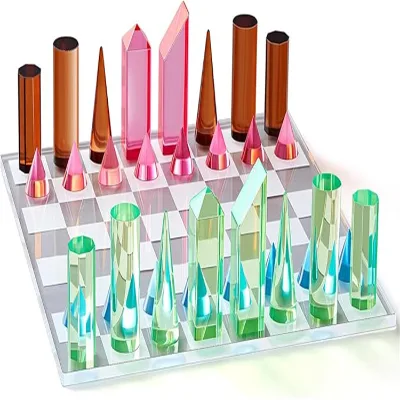
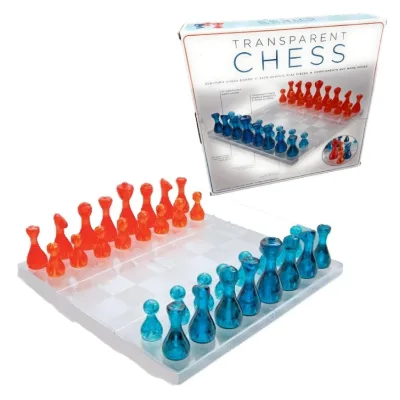
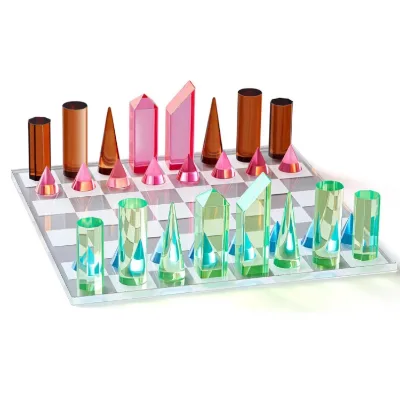
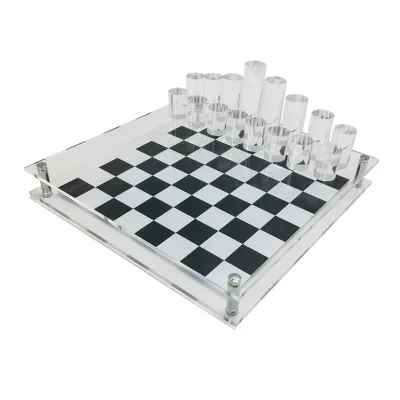


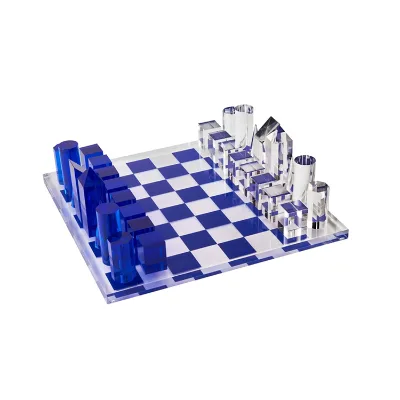
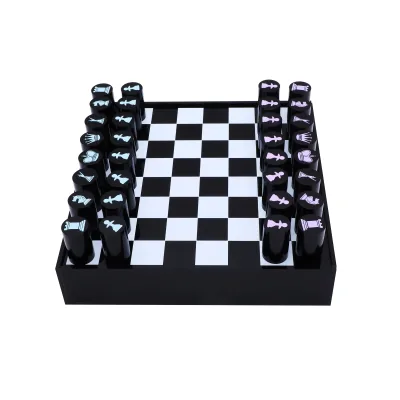
Crystal Acrylic Board Chess Pieces Game Set Acrylic Crystal Luxury Chess Set
$16.01 - $20.40
MOQ: 200 pieces




Comprehensive Sourcing Guide
Elegant Acrylic Chess Set Sourcing Guide
Sourcing high-quality acrylic chess sets requires a nuanced understanding of material properties, manufacturing capabilities, and commercial terms that differ significantly from traditional wooden or plastic alternatives. The market for these items is characterized by a blend of decorative appeal and functional durability, with buyers often seeking pieces that offer both aesthetic transparency and structural integrity. Procurement teams must navigate a landscape where customization is not merely an option but a standard expectation, allowing for tailored dimensions, colors, and finishes that align with specific brand identities or interior design requirements. This guide provides a structured approach to evaluating suppliers, verifying technical specifications, and ensuring that the final product meets the rigorous demands of both entertainment and collection markets.
The following sections detail the critical factors involved in sourcing elegant acrylic chess sets, drawing on observed market signals and standard industry practices. Buyers will find guidance on interpreting product listings, verifying technical data, assessing compliance requirements, and managing commercial relationships. By focusing on evidence-based verification steps and avoiding assumptions about supplier capabilities, procurement professionals can mitigate risks associated with quality inconsistencies, hidden costs, and delivery delays. This approach ensures that the final acquisition aligns with strategic objectives, whether the chess sets are intended for retail distribution, corporate gifting, or high-end decorative display.
Product Scope and Observed Listing Signals
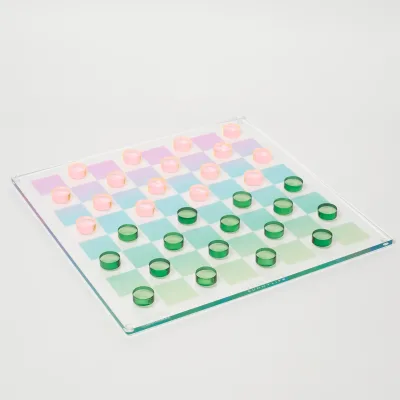
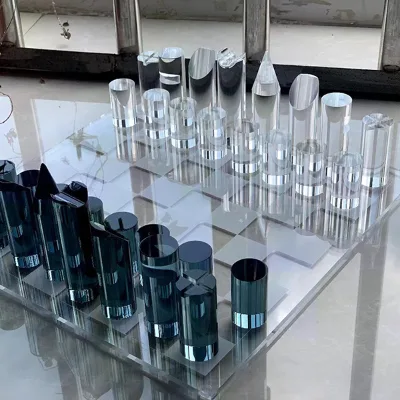
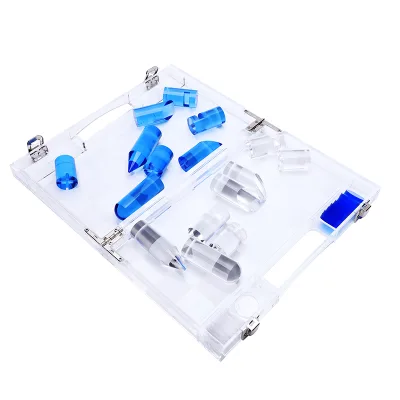
The current market for acrylic chess sets exhibits a wide range of styles, from full transparent designs to colorful geometric and faceted variations, reflecting diverse aesthetic preferences. Observed listings indicate that customization is a primary driver, with suppliers offering tailored solutions for color, size, and packaging to meet specific buyer needs. The typical application for these products spans entertainment, collection, and decorative display, suggesting that buyers should prioritize suppliers who demonstrate versatility in their production capabilities. Understanding these signals helps in identifying suppliers who can deliver not just a standard product, but a bespoke solution that enhances brand value and customer satisfaction.
Key attributes observed in the market include high clarity, hand-polished finishes, and eco-friendly material claims, which are critical for premium positioning. Buyers should verify these claims through direct supplier communication and sample evaluation, as marketing language can sometimes obscure actual product quality. The presence of multiple model numbers and size variations, such as 40040080 mm or 28028030 mm, indicates a fragmented supply chain with varying production standards. Procurement teams must establish clear criteria for what constitutes "elegant" in their specific context, whether it be optical clarity, geometric precision, or overall weight and feel, to effectively filter potential suppliers.
Technical Specifications to Verify
Technical verification begins with confirming the material composition, as "acrylic" can refer to varying grades of polymethyl methacrylate (PMMA) with different optical and mechanical properties. Buyers should request detailed material specifications, including whether the acrylic is 100% virgin material or contains recycled content, as this impacts clarity, durability, and environmental claims. The thickness of the chess pieces and board is a critical dimension that affects both the tactile experience and the visual weight of the set. Suppliers often list customized thickness options, but buyers must ensure that the specified thickness is consistent across all pieces to maintain balance and playability.
Dimensional accuracy and packaging specifications are equally important for logistics and quality assurance. Observed data suggests single package sizes ranging from 15x15x15 cm to 45x45x45 cm, with corresponding gross weights that can vary significantly based on the set's complexity. Buyers should verify the single gross weight and package dimensions to calculate accurate shipping costs and storage requirements. Additionally, the installation type, typically desktop for chess sets, should be confirmed to ensure compatibility with the intended display or usage environment. Requesting detailed technical drawings or CAD files for custom orders can prevent discrepancies between design expectations and final production.
Compliance and Safety Documentation
While specific certification statuses are not universally mandated for acrylic chess sets, buyers should inquire about compliance with relevant safety standards, particularly if the products are intended for markets with strict regulatory requirements. Acrylic is generally considered safe, but the manufacturing process may involve chemicals that require proper handling and disposal, which can be an indicator of a supplier's overall quality management system. Buyers should request documentation related to material safety data sheets (MSDS) and any relevant environmental certifications, such as those confirming the eco-friendly nature of the production process.
For products marketed as eco-friendly or durable, buyers should seek evidence to support these claims, such as third-party test reports or supplier audits. The absence of specific certification names in general listings does not imply non-compliance, but it does necessitate proactive verification by the buyer. It is advisable to ask suppliers about their quality control processes, including how they test for clarity, durability, and portability, to ensure that the products meet the stated features. This due diligence helps in building a supply chain that is not only cost-effective but also compliant with evolving consumer expectations regarding sustainability and safety.
Cost Drivers and Commercial Terms
The cost of acrylic chess sets is influenced by several factors, including material grade, customization complexity, and order volume. Observed minimum order quantities (MOQs) typically range from 50 to 1000 pieces, with some suppliers setting a standard MOQ of 100 pieces. Buyers should negotiate terms that align with their inventory needs, considering that higher customization levels may result in higher MOQs or setup fees. The price range observed in the market, from approximately $1.02 to $35 per unit, reflects the vast differences in quality, design, and volume, emphasizing the need for clear specification alignment before requesting quotes.
Commercial terms also include packaging and shipping considerations, which can significantly impact the total landed cost. Suppliers often offer safe packing or standard exported packing options, but buyers should verify the protective measures in place to prevent damage during transit. The single gross weight and package dimensions are critical for calculating freight costs, especially for air or express shipping. Buyers should also inquire about payment terms, lead times, and warranty policies, as these factors contribute to the overall risk and cost of procurement. Establishing a transparent pricing structure based on detailed specifications helps in avoiding hidden costs and ensures accurate budgeting.
Supplier Qualification and Quality Control
Supplier qualification involves assessing the manufacturer's production capabilities, quality control systems, and track record in delivering acrylic products. Buyers should prioritize suppliers who demonstrate expertise in acrylic fabrication, including cutting, polishing, and assembly processes. The ability to handle custom orders, as indicated by the availability of OEM services and customized features, is a key indicator of a supplier's flexibility and technical proficiency. Requesting references or case studies from previous clients can provide insights into the supplier's reliability and consistency.
Quality control measures should be clearly defined and agreed upon before production begins. This includes specifying inspection criteria for clarity, edge finish, and dimensional accuracy. Buyers should consider implementing pre-shipment inspections or third-party quality audits to verify that the products meet the agreed-upon standards. The supplier's location, often in regions like Guangdong, China, may offer advantages in terms of supply chain efficiency and cost competitiveness, but buyers should also consider logistical factors such as lead times and communication effectiveness. Establishing a robust quality assurance framework helps in maintaining product consistency and minimizing the risk of defects.
Long-Term Procurement Checks
Long-term procurement success depends on continuous monitoring of supplier performance and market trends. Buyers should establish key performance indicators (KPIs) related to quality, delivery, and responsiveness to evaluate supplier effectiveness over time. Regular reviews of product samples and customer feedback can help identify areas for improvement and ensure that the chess sets continue to meet evolving market demands. Staying informed about advancements in acrylic materials and manufacturing technologies can also provide opportunities for innovation and cost optimization.
Building a strong relationship with suppliers based on transparency and mutual benefit is crucial for long-term collaboration. Buyers should engage in open communication regarding future orders, potential design changes, and market feedback. This proactive approach helps in anticipating supply chain disruptions and adapting to changes in consumer preferences. By maintaining a focus on quality, compliance, and commercial efficiency, procurement teams can secure a reliable supply of elegant acrylic chess sets that support their business objectives and enhance customer satisfaction.
FAQs
Can I customize the size and color of the acrylic chess set?
Yes, the size and color can be customized to meet your specific requirements. The product offers flexible customization options for dimensions and color schemes, allowing you to tailor the set for luxury decoration or specific display needs.
What is the minimum order quantity for this acrylic chess set?
The minimum order quantity is 100 pieces for this product. Buyers must meet this threshold to place an order, ensuring efficient production and packaging for the safe delivery of the customized acrylic chess sets.
How is the acrylic chess set packaged for safe shipping?
The product is shipped using safe packing and standard exported packaging methods. This ensures the items arrive without damage, protecting the high-clear, hand-polished acrylic material during transit from the factory in Guangdong, China.
What material is used to make this elegant chess set?
The chess set is made from 100% acrylic material. This material provides durability and eco-friendly properties, making it suitable for entertainment, collection, and display purposes while maintaining a modern and luxurious aesthetic.
Where is the manufacturer of this acrylic chess set located?
The manufacturer is located in Dongguan, Guangdong, China. This location serves as the production origin for the product, ensuring quality control and efficient logistics for international buyers seeking customized acrylic chess sets.
Does the supplier accept OEM orders for this product?
Yes, the supplier accepts OEM orders for this product. Buyers can request custom branding and specifications, leveraging the available customization features to create unique chess sets that align with their specific brand identity.